Some comic-book rivalries are settled with a fistfight. Others require a chessboard, a summons and enough metaphysical pressure to make ordinary reality feel like the cheap seats. Challenges of Doom: Doctor Strange #1 brings Doctor Doom and Doctor Strange together for the latter kind of confrontation: a contest intended to decide which of Marvel’s two formidable spellcasters stands as the greater sorcerer.
The 32-page, Rated T+ issue goes on sale November 4, 2026. It is written by Al Ewing, illustrated by Christian Rosado, and features a cover by Fabrizio De Tommaso. Marvel’s premise frames the meeting as a battle not limited to one location, one type of magic or even one point in time. Doom and Strange will clash on metaphysical, physical and temporal fronts, with their intellects as important as their supernatural ability.
A duel built around more than spell effects
The key phrase in the setup is not merely “sorcerer versus sorcerer.” It is the breadth of the arena. The stated conflict reaches into the current day, the future and the past, while also encompassing the physical and metaphysical. That gives the issue a deliberately expansive premise: the contest is not presented as a straightforward exchange of attacks, but as a test of how each participant thinks, plans and interprets the rules of the challenge.
In this context, metaphysical means matters beyond the ordinary material world—an appropriate territory for a story about practitioners of magic. Temporal, meanwhile, concerns time: past, present and future. Those terms do not confirm a particular plot device, a specific alternate reality or a particular time-travel mechanism. They do establish that the contest’s stakes and structure reach beyond a single, conventional duel.
That distinction matters for readers going in. A story advertised as a fight “across time” can sound like a promise of nonstop spectacle. Here, however, the official framing also emphasizes intellect. Doom and Strange are being positioned as competitors whose knowledge, judgment and capacity to outmaneuver an opponent belong at the center of the issue. The magic may be enormous, but the premise suggests the real game is determining who can define the board.
The chessboard clue
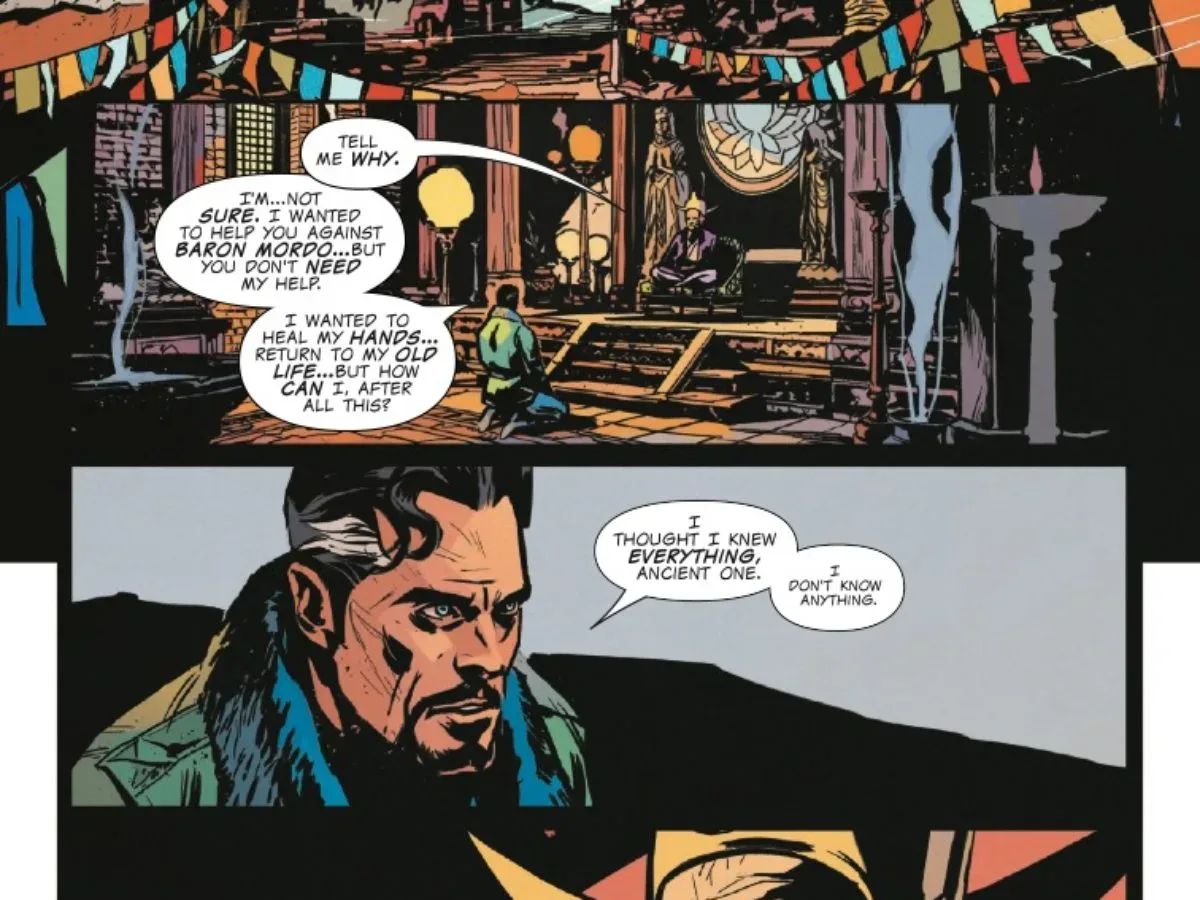
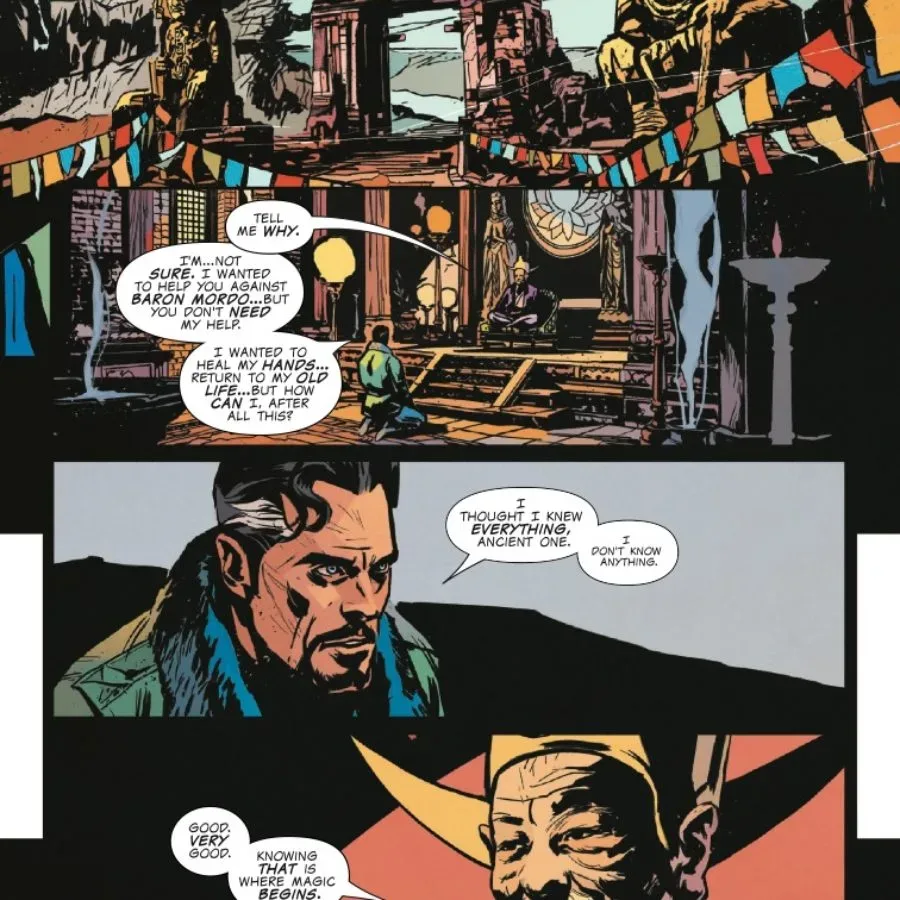
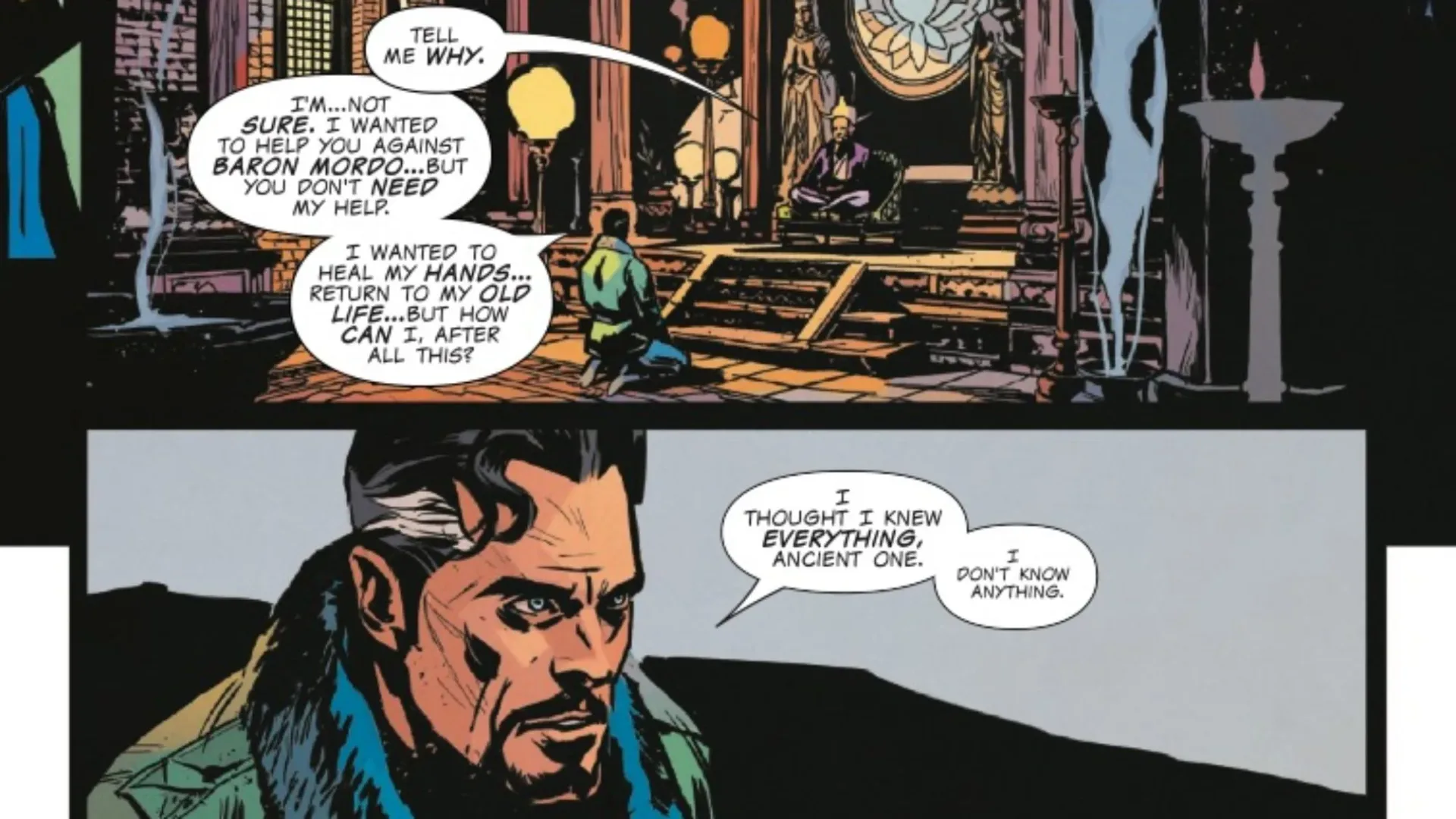
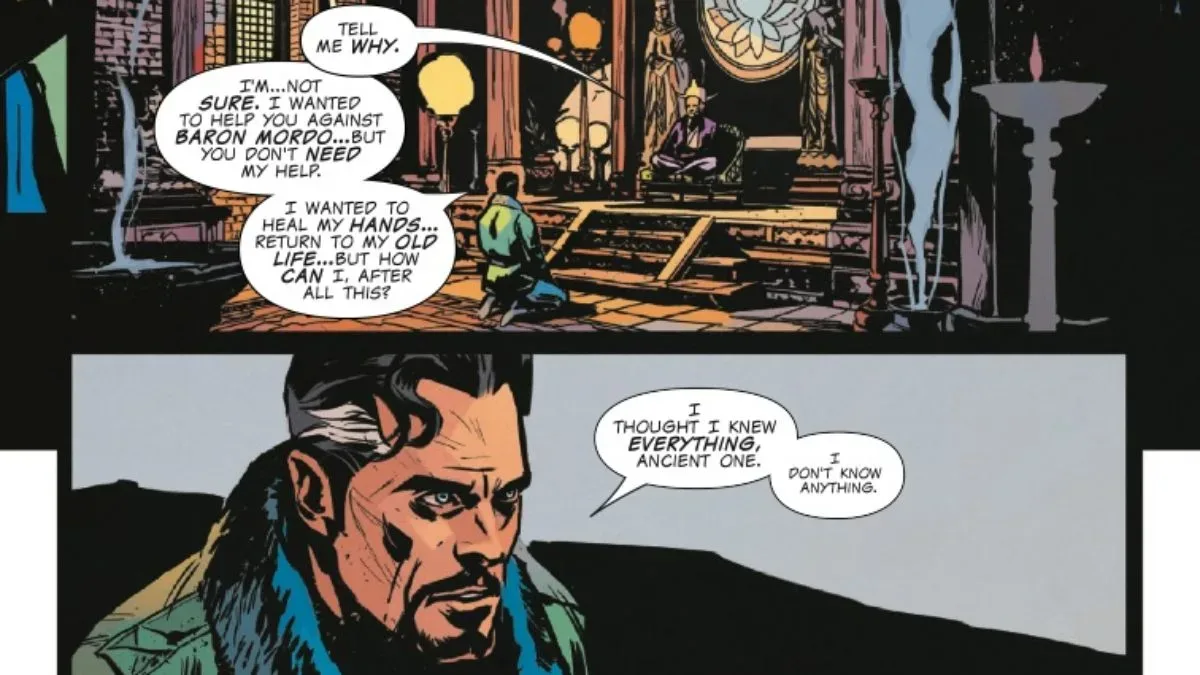
Preview material places Doctor Doom at a chessboard as he summons Doctor Strange. It is a compact visual choice with an obvious thematic fit. Chess is a game of incomplete outcomes: each move creates possibilities, limits other moves and asks players to anticipate responses several turns ahead. In a contest that is said to extend through physical, metaphysical and temporal dimensions, the board offers a useful symbol for calculation, hierarchy and control.
It should not be treated as confirmation that the entire comic operates under literal chess rules. What it does communicate is tone. Doom appears to be setting a deliberate, formal challenge rather than stumbling into an accidental magical brawl. The image makes the confrontation feel ceremonial and strategic at once—an invitation that also functions as a declaration that someone expects to dictate the terms.
That setup also leaves room for the solicitation’s central question: what will be revealed while the two sorcerers push their abilities beyond their limits? The wording promises disclosure without identifying the nature of that disclosure. Readers can reasonably expect the contest to expose something important about the rivals or their situation, but the available details do not say what form that reveal takes.
What is confirmed for the one-shot
- Title: Challenges of Doom: Doctor Strange #1
- Publisher: Marvel
- Release date: November 4, 2026
- Creative team: Al Ewing and Christian Rosado, with a cover by Fabrizio De Tommaso
- Format: 32 pages, Rated T+
- Premise: Doctor Doom and Doctor Strange compete to establish who is the greater sorcerer through a conflict spanning physical, metaphysical and temporal territory.
- U.S. price: $4.99
The issue will also have three listed variant editions: a Doaly 1:25 variant, a Peach Momoko Momo-Tone variant, and a Peach Momoko variant. Each is listed at $4.99 in the U.S. and $6.25 in Canada. A 1:25 variant is a retailer-incentive format: the “1:25” label denotes a ratio tied to a retailer’s qualifying orders, rather than a separate story or a different version of the interior comic. The provided information identifies the variant covers but does not describe any content changes inside the issue.
Why the matchup has a clean hook
The appeal of this premise is its clarity. Rather than burying the conflict under a long list of named artifacts, teams or side objectives, the setup asks a simple question: when two historically skilled magical practitioners are pushed through every relevant kind of battlefield, who proves superior? That is a strong engine for a standalone challenge story because it lets each scene potentially change the definition of victory.
A physical triumph may not settle a metaphysical problem. Winning in the present may not mean controlling the implications of the past or future. A clever strategy might be more useful than raw force, but a strategy can also become a trap if an opponent has anticipated it. Those are analytical possibilities raised by the broad premise, not confirmed plot beats. The actual story remains under wraps, including the reason for the challenge and what each character may stand to gain or lose.
There is also a useful tension in the title itself. “Challenges of Doom” makes Doom’s presence feel foundational, while the first issue is explicitly labeled “Doctor Strange.” That presentation suggests a focused installment rather than a generic crossover brawl, though no further series structure has been detailed. For Strange readers, the hook is a direct confrontation with a peer whose magical ability is being measured by the same impossible standard. For Doom readers, it is a chance to see a challenge presented on a scale grand enough to match his apparent confidence.
What readers should not assume yet
The phrase “multiversal stakes” is often casually attached to stories involving time and magic, but the supplied issue description does not specify a multiverse-spanning plot. Likewise, it does not establish a winner, identify a villain beyond the rivalry, reveal a supporting cast or explain the conditions under which the contest can end. The chessboard in the preview is an evocative signal, not a complete rulebook.
That restraint is part of what makes the preview effective. It gives readers a sharp visual—Doom at the board, Strange summoned to answer—and pairs it with a conflict large enough to invite questions. The issue’s promise is not just that magic will be displayed at a huge scale, but that power, intelligence and perception will be tested against each other across several kinds of reality.
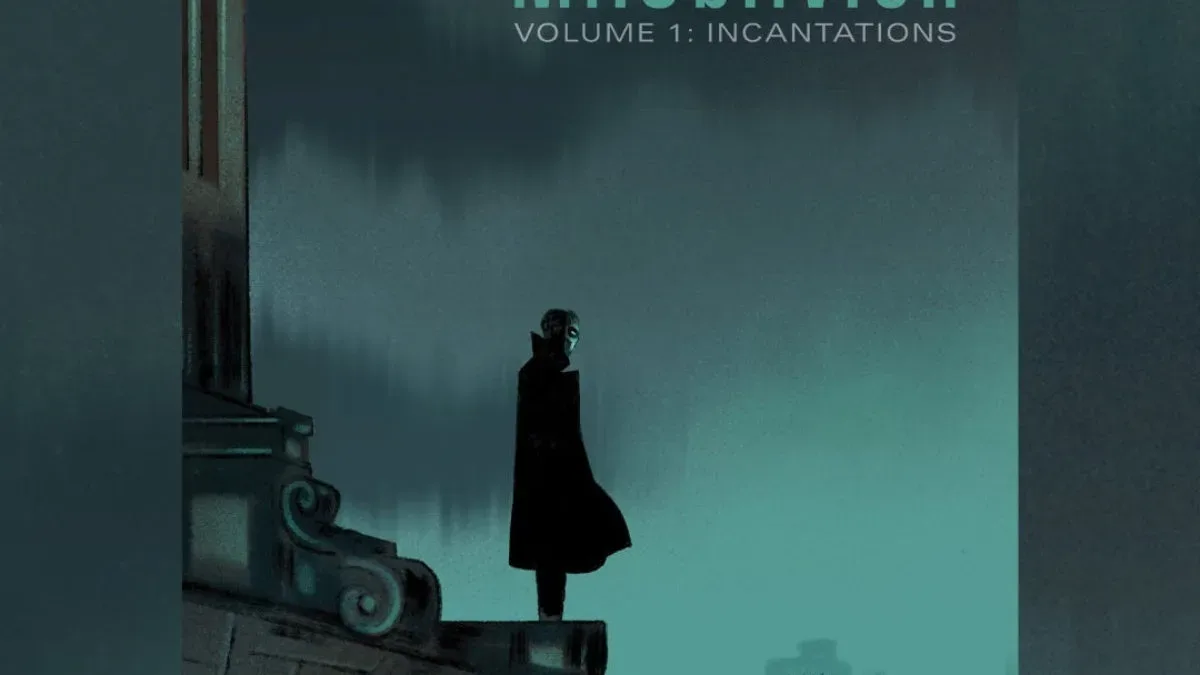
For readers looking for another announced comic with an occult-facing premise, Mr. Oblivion’s occult-detective trilogy is also set to begin in 2027.
The practical takeaway
Challenges of Doom: Doctor Strange #1 arrives November 4 as a $4.99, 32-page Marvel issue with a tightly defined central matchup and an intentionally open-ended mystery around its consequences. The confirmed creative team is Ewing and Rosado, with De Tommaso on the main cover; collectors who prefer alternate covers have the three listed variant options to watch for.
The bigger selling point, though, is the shape of the duel. Doctor Doom and Doctor Strange are not being asked to simply overpower one another. They are being placed in a contest that extends through matter, mind-bending magical concepts and time itself. If the chessboard image is the mission statement, readers should expect every move to be less about flashy victory than forcing the other sorcerer into a position with no clean answer.