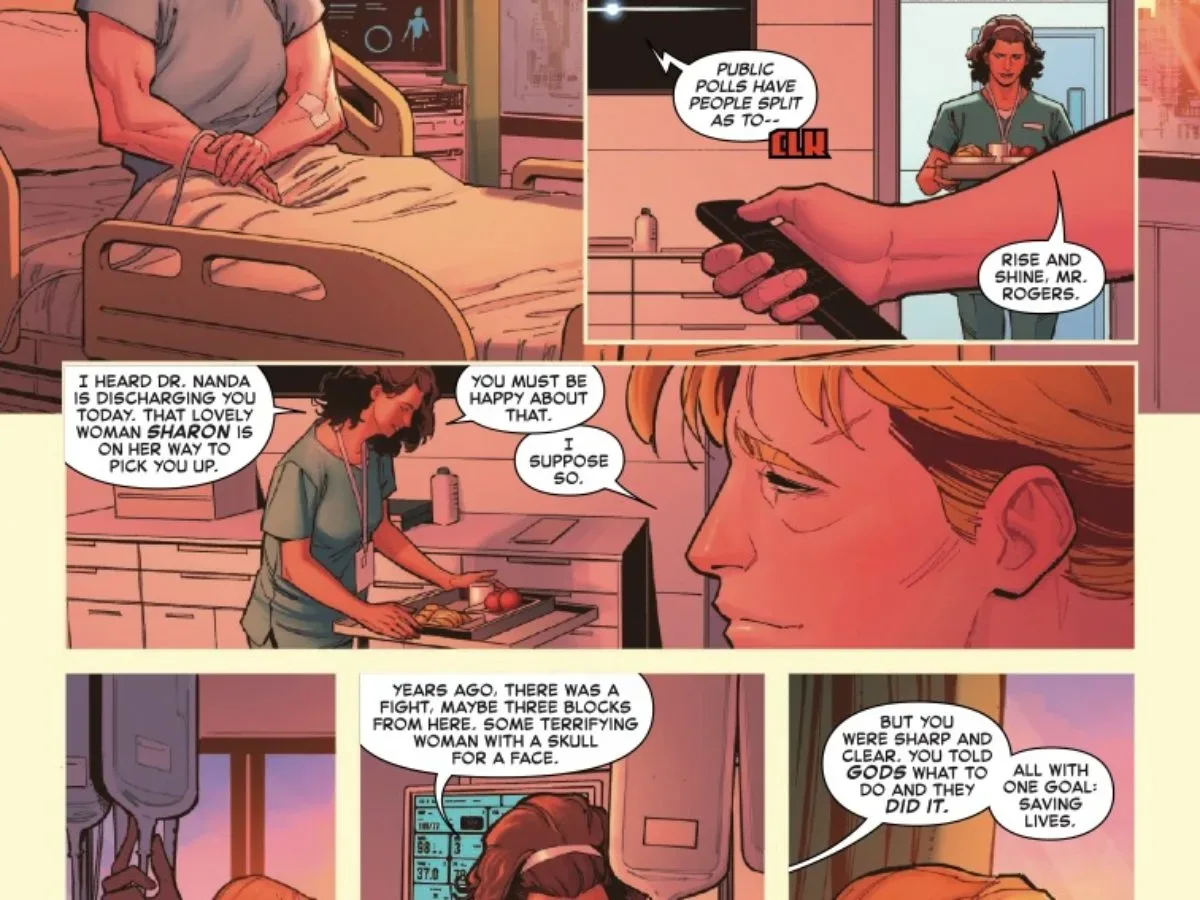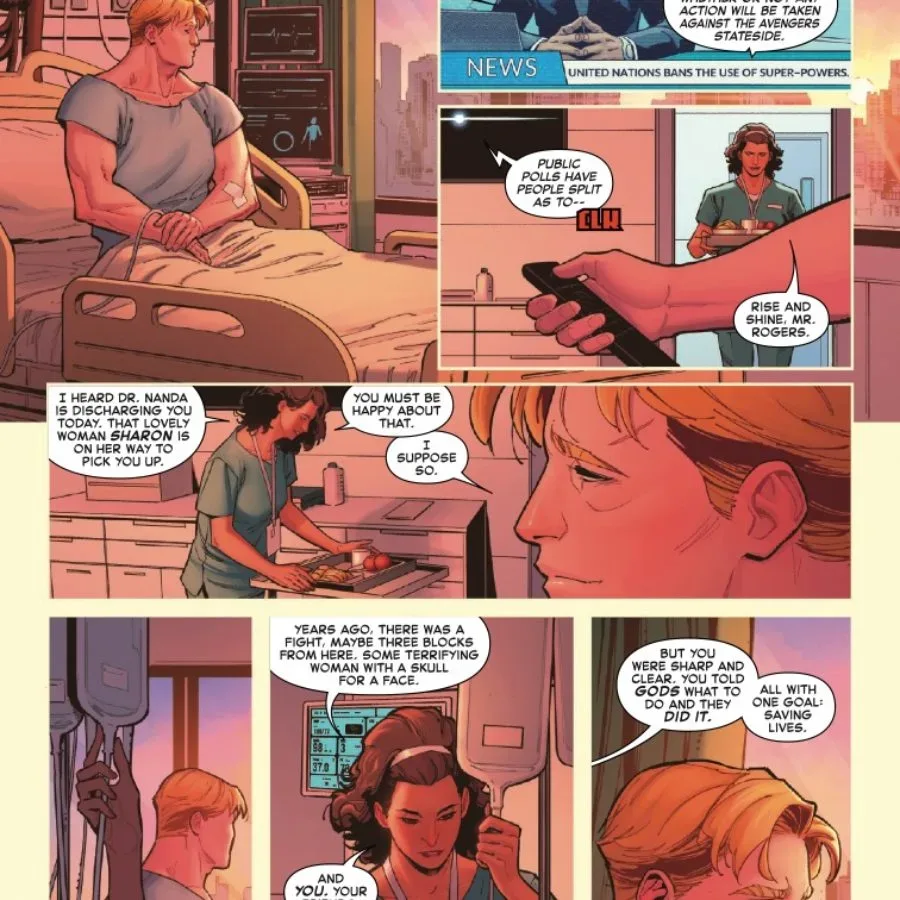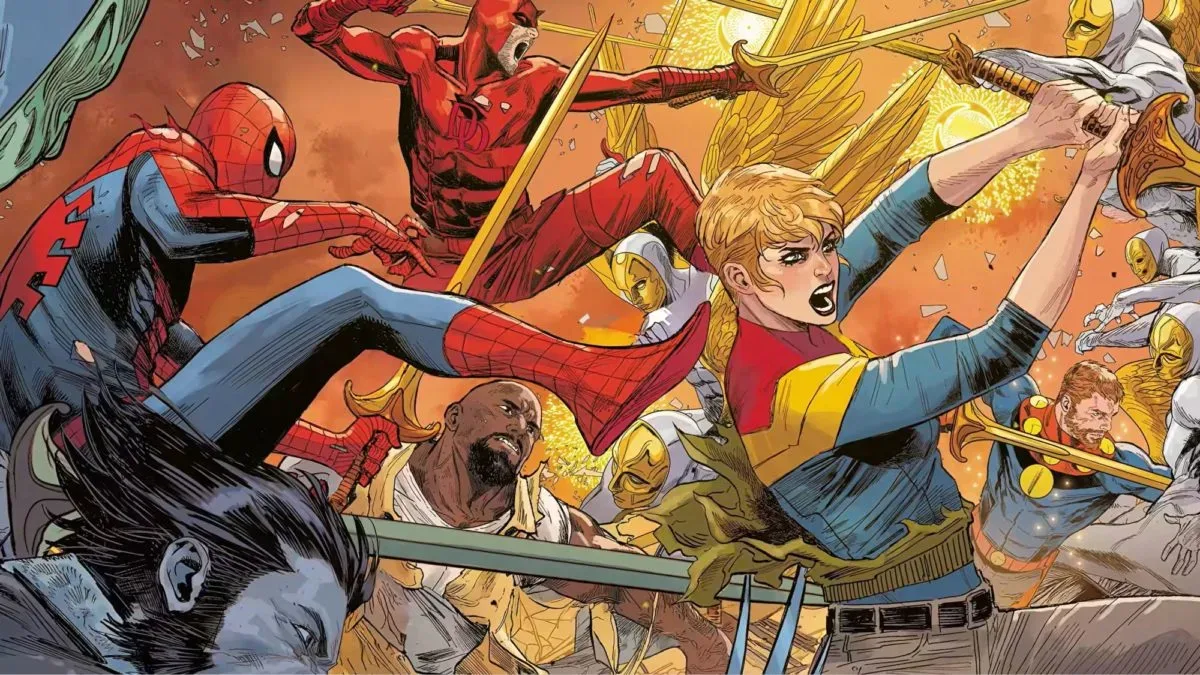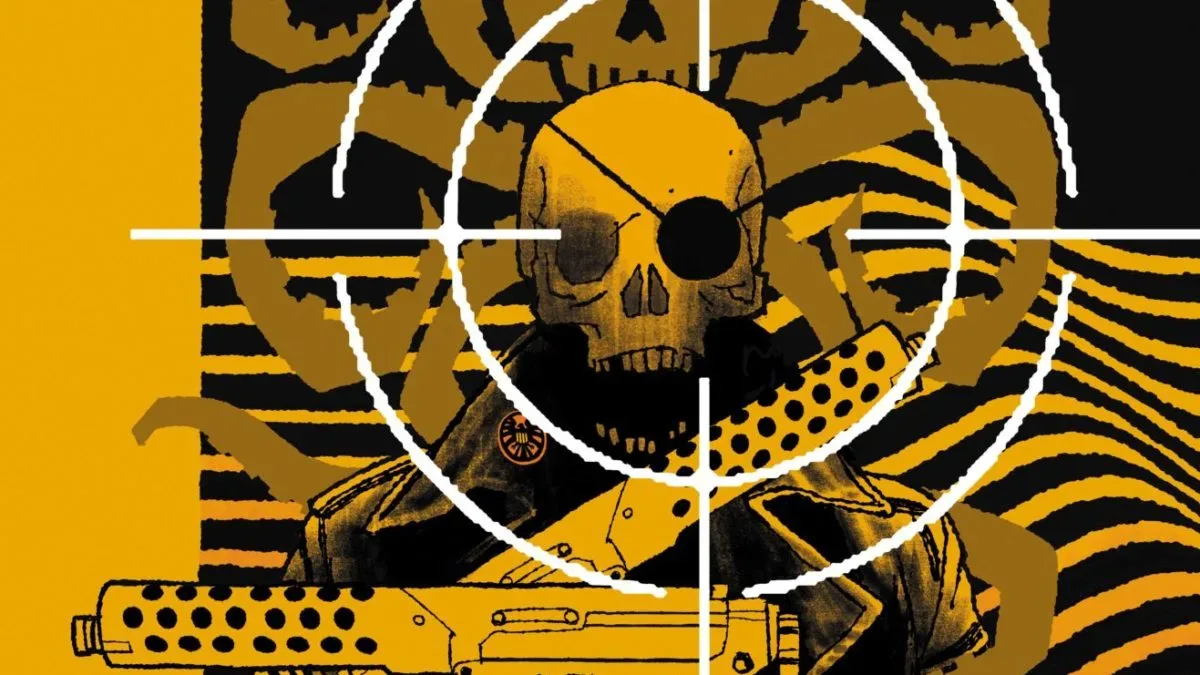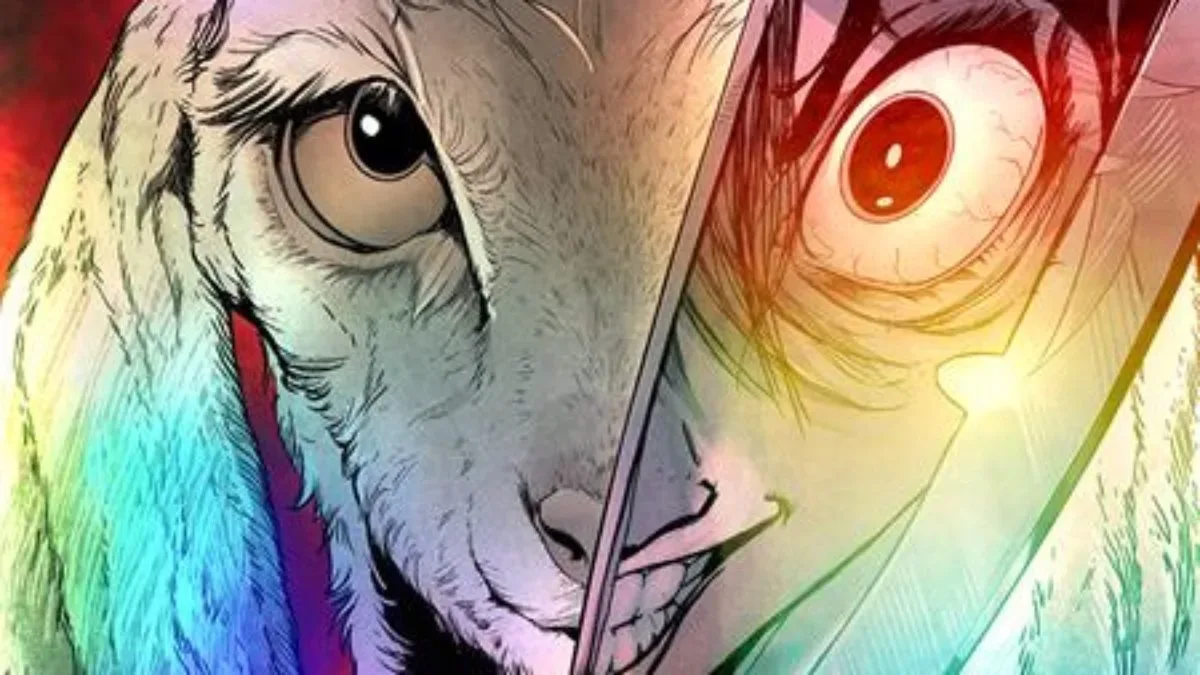
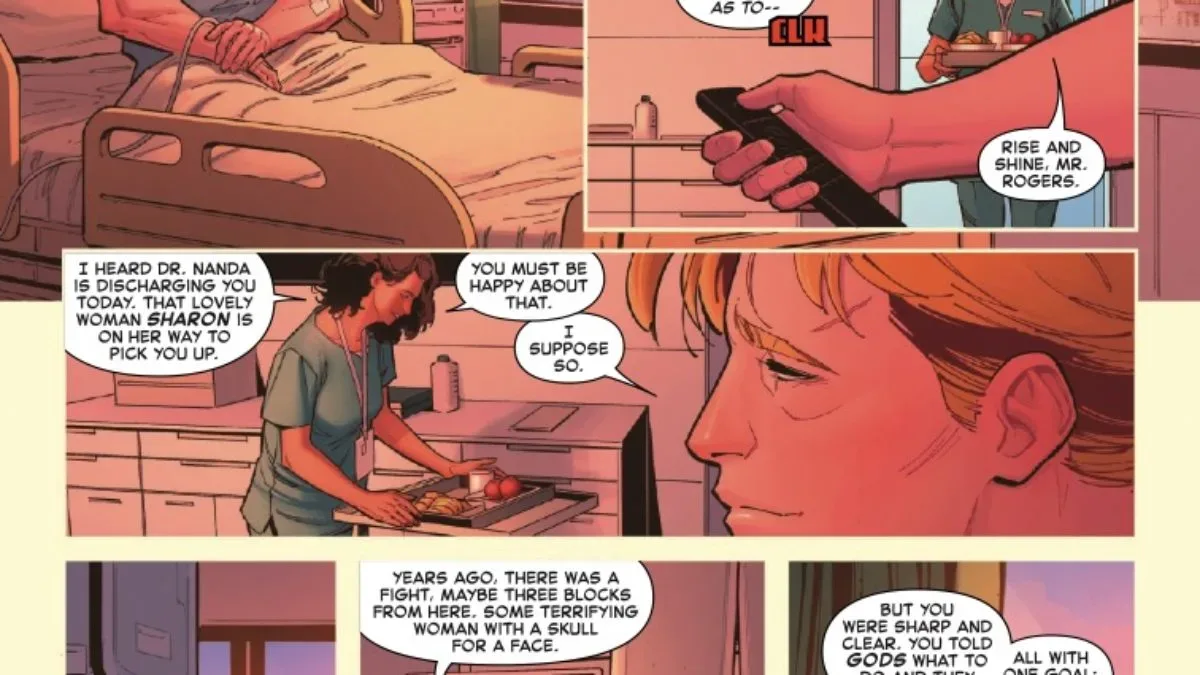
Steve Rogers has protected plenty of people who come with complicated baggage. In Captain America #17, the baggage is a child clone of Doctor Doom, an international custody demand and the distinct possibility that someone from Cap’s past is about to make everybody’s day considerably worse.
Marvel’s next issue places Captain America on the run with Vic, described in the official setup as the child clone of Doctor Doom. The story follows the events of ARMAGEDDON, while a U.N.-backed S.H.I.E.L.D. insists Vic must be surrendered. That order sets Steve against Nick Fury, turning a super-hero pursuit into a conflict over authority, safety and whether a person engineered from another person’s DNA should have their own say in where they belong.
Captain America #17 is written by Chip Zdarsky, with art by Ton Lima and a cover by Valerio Schiti. It is scheduled to go on sale November 11, 2026. The 32-page, Rated T+ issue carries a $4.99 U.S. cover price.
What Captain America #17 establishes
In the aftermath of ARMAGEDDON, Captain America goes on the run with Vic, the child clone of Doctor Doom. The U.N.-backed S.H.I.E.L.D. has demanded Vic be turned over, pitting Cap against Nick Fury. Meanwhile, one of Cap’s oldest enemies returns.
For more context, explore R36S Handheld Explained: The Appeal and Limits of a Budget Emulator.
That is a notably packed premise for a single issue. It gives the book three immediate sources of pressure: the wider fallout from ARMAGEDDON, a direct disagreement between Steve and Fury, and an unnamed returning adversary with a long-standing connection to Captain America.
The solicitation does not identify the old enemy, explain why S.H.I.E.L.D. wants Vic, or specify what Vic wants. Those omissions matter. They are not clues to be filled in with fan theory masquerading as reporting; they are the elements the issue is currently holding back. Still, the available setup is clear about the central shape of the problem: Steve has chosen to protect Vic rather than comply with the agency’s demand.
“On the run” can mean many things in superhero comics, but here it specifically signals that Captain America is operating against a formal, internationally supported order. That makes the chase more complicated than a routine misunderstanding with an agency that will shake hands by page 12. Nick Fury’s position puts a familiar ally on the other side of the dispute, and the U.N. support gives S.H.I.E.L.D.’s request political weight beyond one director’s judgment call.
Why Vic changes the stakes
A clone is not simply a younger version of an established character. In this case, Marvel’s wording is especially important: Vic is a child clone of Doctor Doom. That description connects the character to one of Marvel’s most formidable figures while also making Vic an individual who is, by definition, not Doctor Doom.
Cloning stories tend to create a tension between origin and identity. Origin asks where a character came from and what traits or plans may have been imposed on them. Identity asks who that character is now, what choices they can make and whether other people will allow those choices to count. Captain America’s decision to run with Vic puts him on the side of treating the child as someone to protect, not merely an object to transfer between institutions.
That does not automatically prove S.H.I.E.L.D. is wrong. The solicitation says only that the organization demands custody, not its rationale. If Vic was created through dangerous means, has valuable knowledge, or is being pursued by forces connected to Doom, an agency might argue that it has legitimate security concerns. But the story’s dramatic hook depends on the possibility that security language and personal freedom can collide. A character can be vulnerable and potentially dangerous at once; comics have never been shy about making the smallest person in the room carry the largest plot device.
There is also an unavoidable emotional charge in pairing Steve Rogers with a child connected to Doom. Captain America represents ideals of duty, self-determination and protection of the vulnerable. Doctor Doom’s name carries an entirely different kind of gravitational pull. Putting Vic between those symbolic poles gives the series a premise that can ask whether a person is destined to repeat an origin they did not choose.
Captain America versus Nick Fury is not a standard team-up wrinkle
The confirmed Steve-versus-Fury angle is more interesting than a generic “hero evades agents” sequence because both characters are usually associated with protecting people in dangerous situations. Their difference is likely to be less about whether danger exists than about who gets to decide the acceptable response.
Captain America’s role in the premise is personal and immediate: he is physically taking Vic away from the people who want custody. Fury, by contrast, represents S.H.I.E.L.D.’s institutional response. An institution is designed to evaluate risks at scale, establish containment and answer to chains of command. Steve’s approach, at least in this setup, is rooted in the person directly in front of him.
Neither frame is inherently simple. Institutional authority can offer resources, protection and accountability, but it can also reduce a person to a file, a threat assessment or an asset. Individual moral judgment can recognize humanity that bureaucracy misses, but it can also leave a hero making enormous decisions without oversight. Captain America comics are at their strongest when Steve’s certainty is tested rather than merely applauded, and this issue’s premise gives him a particularly sharp test.
The U.N.-backed detail makes the political dimension explicit. It suggests the dispute will not be confined to a secret base or a private argument among costumed regulars. Even so, the available information does not say that the United Nations itself appears in the story, nor does it define the exact nature of its relationship with S.H.I.E.L.D. Readers should view it as a statement of the organization’s backing and reach, rather than assume any additional procedural specifics.
ARMAGEDDON is the stated launching point, not the whole answer
The issue takes place in the aftermath of ARMAGEDDON. That tells readers the status quo has been disrupted before this story begins, but the supplied information does not outline the event’s causes, outcome or the precise way it leads to Vic’s predicament. The useful takeaway is modest: #17 is not presenting its crisis as an isolated incident. It is building on an earlier upheaval.
For readers returning to the series, that wording is a signal that recent continuity may matter. For readers arriving because “Captain America protects a Doom clone while Nick Fury chases him” is an incredibly efficient elevator pitch, the issue also appears structured around an easy-to-understand current conflict. Vic is in Steve’s care; S.H.I.E.L.D. wants Vic handed over; an old enemy returns. You do not need a wall-sized corkboard to recognize the immediate stakes, though superhero comics reserve the right to make a corkboard feel emotionally necessary later.
The returning enemy remains the issue’s intentional mystery
Marvel says one of Captain America’s oldest enemies will return, but offers no name. That restraint makes the antagonist’s identity a genuine question rather than a detail to casually spoil in promotional copy.
“One of Cap’s oldest enemies” may refer to a foe with deep historical roots in Steve Rogers’ publishing history, a villain connected to his earliest adventures, or simply a long-running adversary. The solicitation does not narrow the term further. It also does not say whether the returning figure is connected to Vic, Doctor Doom, S.H.I.E.L.D. or ARMAGEDDON. Each possibility would create a different sort of pressure on the plot, which is precisely why the omission has value.
What can be said is that the character’s return threatens to turn an already difficult custody-and-escape story into something more personal for Steve. A pursuit by S.H.I.E.L.D. has procedural stakes. A confrontation with an old enemy brings history, resentment and unfinished business. Combining both can force Captain America to manage danger coming from the system and danger coming from someone who knows how to exploit him.
Creative team and edition details
Zdarsky and Lima are credited as the issue’s creative team, while Schiti supplies the main cover. The standard edition is joined by several variant covers, offering different art options without changing the announced 32-page story inside.
- Main cover: Valerio Schiti
- Design variant: Valerio Schiti
- 1:25 variant: Reese Hannigan
- Variant: C.F. Villa
- Variant: Ryan Meinerding
- Momo-Tone variant: Peach Momoko
- Workout variant: Simone Di Meo
For collectors, the key practical distinction is the 1:25 label on the Reese Hannigan edition. A ratio variant is an incentive cover tied to a retailer’s qualifying order quantity; “1:25” identifies that ratio. It is not a promise of universal store availability, and it does not indicate a different story. The other listed variants are identified by artist or theme in the available details, without an announced ratio attached to them here.
Choosing an edition can therefore be straightforward. Readers primarily interested in the issue’s plot can seek the standard Schiti cover. Those drawn to a particular artist’s work have a clear list of alternates to ask their comic shop about. Availability can differ by retailer, especially for ratio editions, so the best move is to check with a preferred shop before release rather than assume every cover will be stocked in equal numbers.
Release information at a glance
- Title: Captain America #17
- On sale: November 11, 2026
- Publisher: Marvel
- Writer: Chip Zdarsky
- Artist: Ton Lima
- Main cover artist: Valerio Schiti
- Format: 32 pages
- Rating: T+
- U.S. price: $4.99
Captain America #17 has a cleanly defined immediate conflict and enough unanswered questions to give the pursuit some bite. Steve’s choice to protect Vic places him against Nick Fury and a U.N.-backed S.H.I.E.L.D.; the shadow of Doctor Doom makes every decision around the child feel loaded; and the teased return of a long-time enemy ensures the escape will not stay a simple matter of outrunning official vehicles. Captain America may have a shield, but this time the harder question is whether it can protect someone from the story their creation seems determined to write for them.