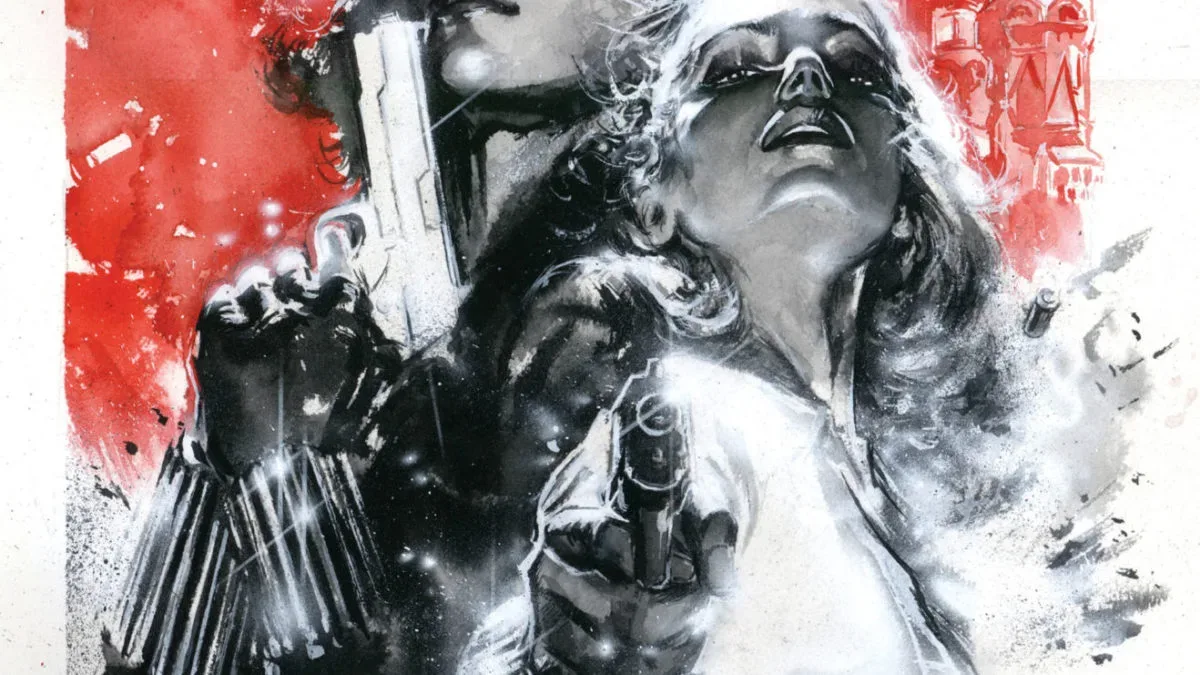
Black Widow is returning to Marvel’s limited-palette anthology format in Black Widow: Black, White & Red Room, a four-issue series beginning with issue #1 on December 16. The book puts Natasha Romanoff, Yelena Belova and the broader legacy of the Red Room at the center of three separate stories in every issue.
The premise gives the series a wider remit than a single Black Widow mission. Natasha, the original Black Widow, anchors one track; Yelena, also known as White Widow, receives another; and a third story investigates people and experiences connected to the Red Room. That structure means the title can pair spy-thriller action with character material about an institution that has shaped several Marvel heroes.
What Black, White & Red Room #1 contains
Issue #1 has three writer-and-artist pairings, each handling a different lead and premise:
- Natasha Romanoff: Stephanie Phillips and Giuseppe Camuncoli tell a high-stakes heist story starring Black Widow.
- Yelena Belova: Devin Grayson and JG Jones reunite for a White Widow story that teams Yelena with Daredevil.
- Nadia Van Dyne: Jeremy Whitley and Bradley Clayton explore the Unstoppable Wasp’s escape from the Red Room.
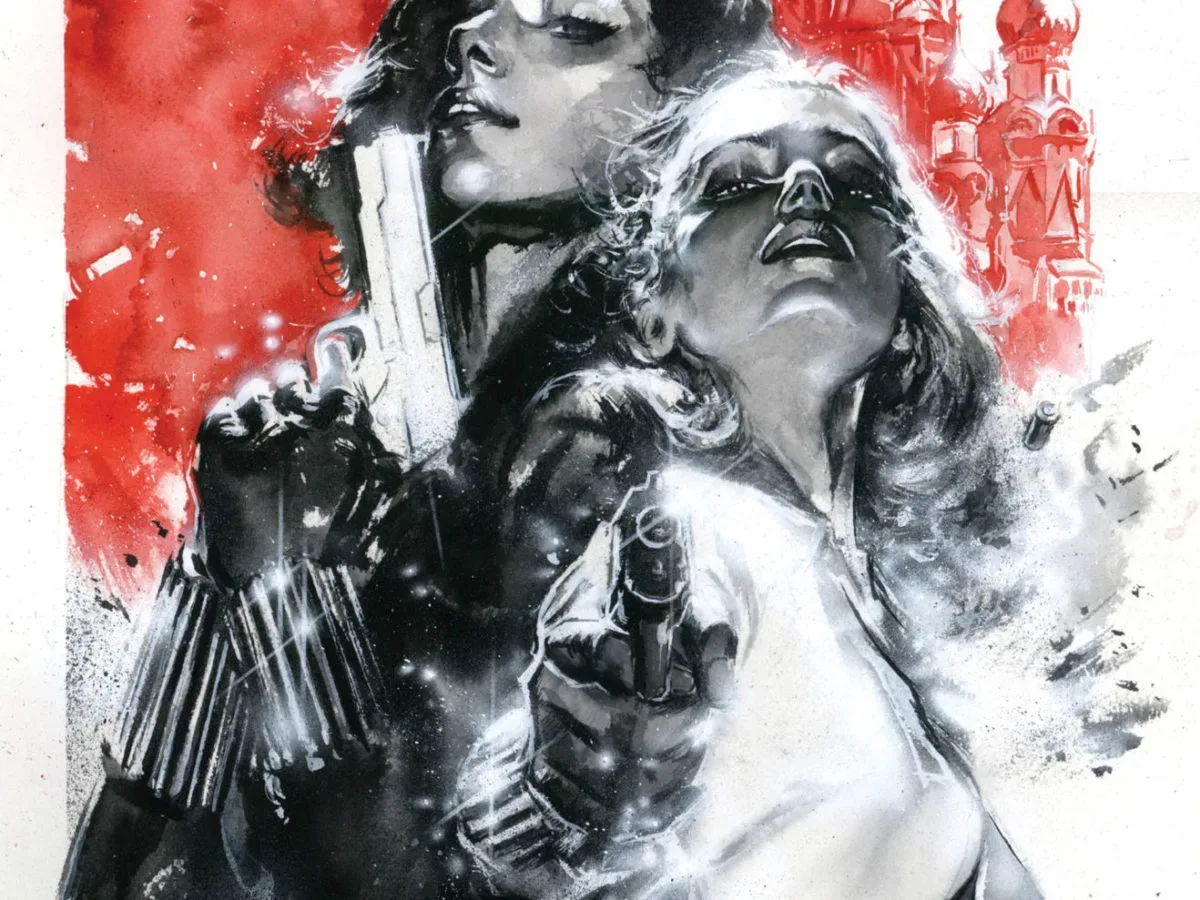
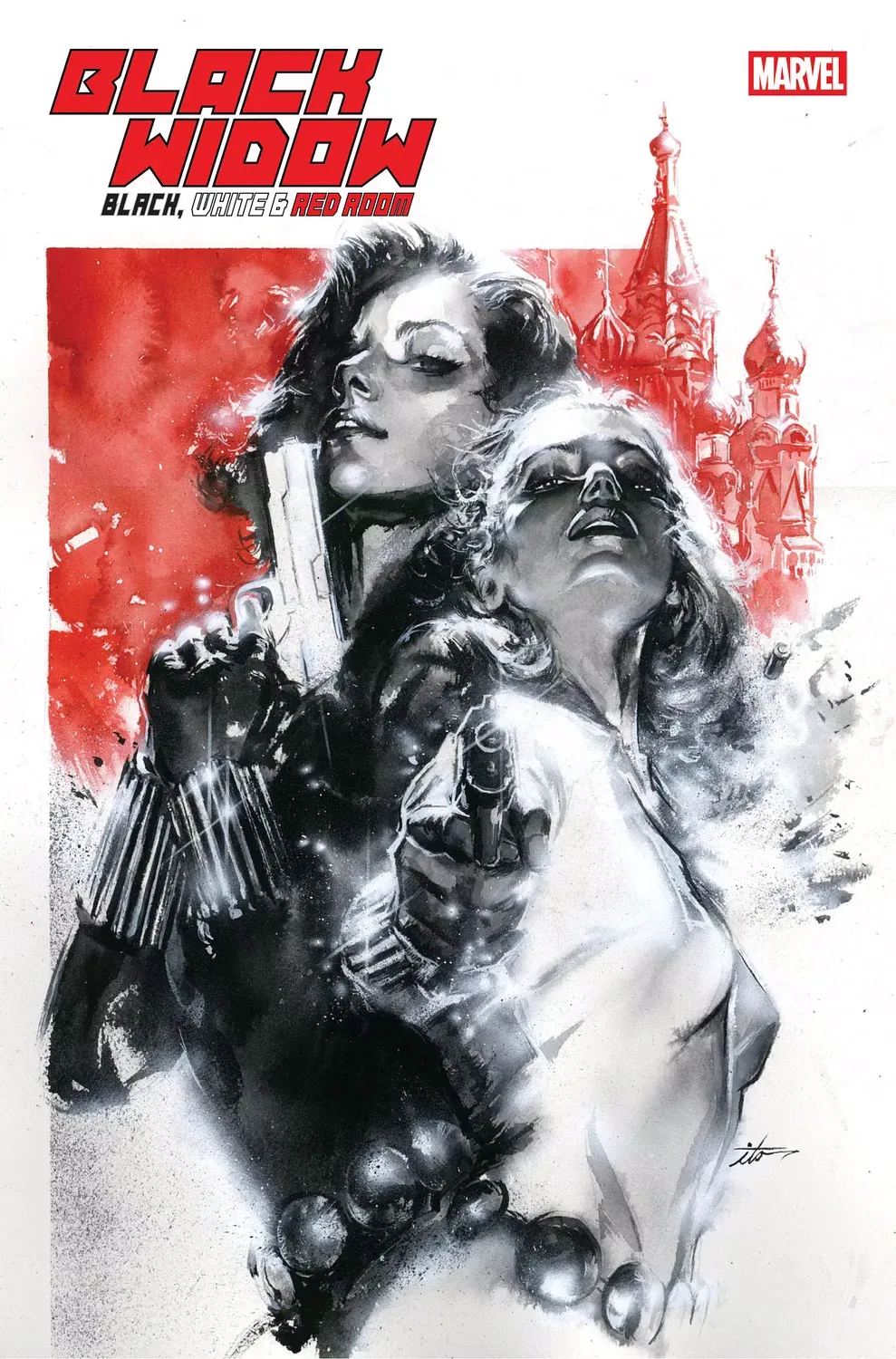
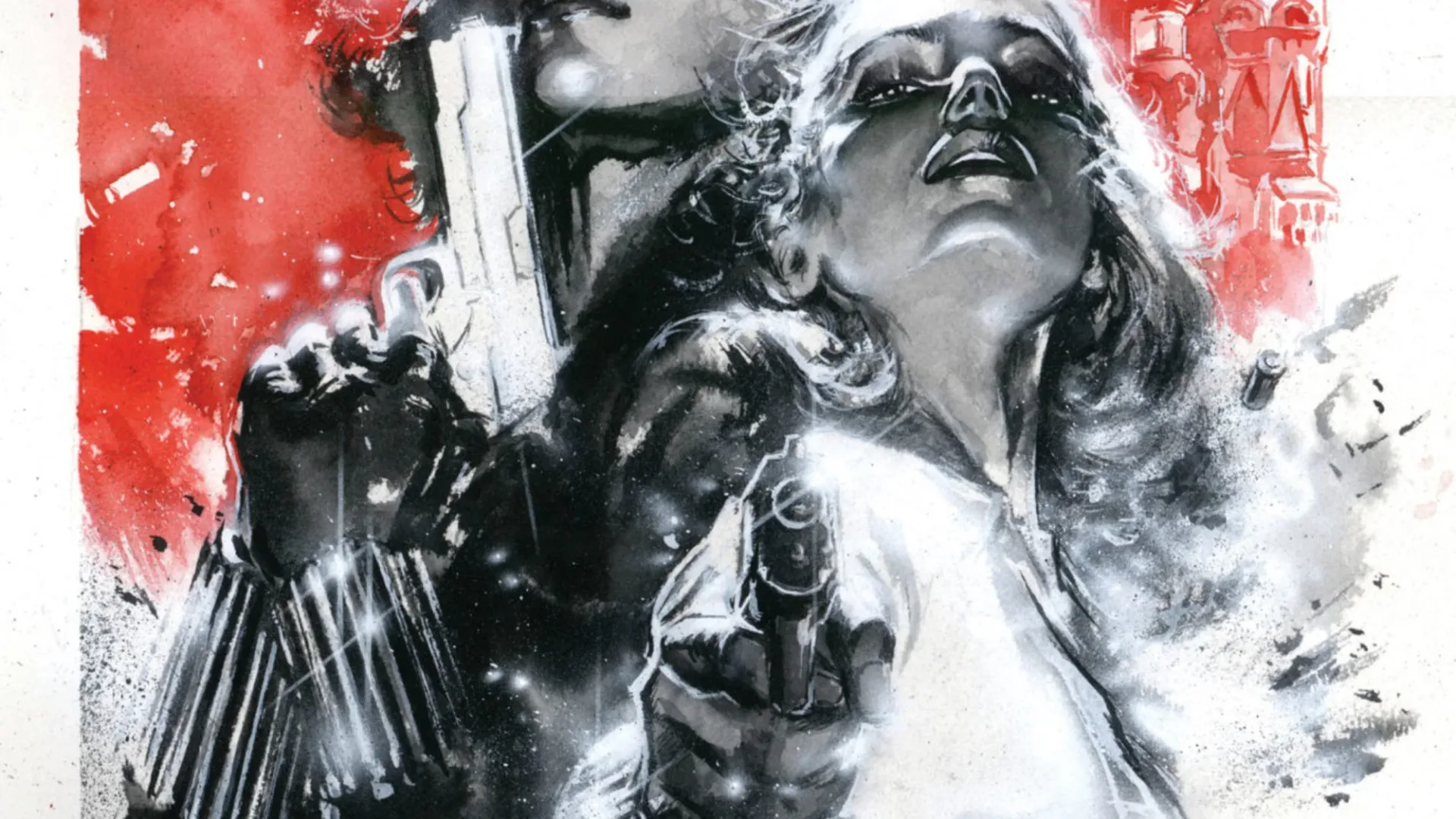
ITO provides the main cover for the debut issue. Future installments are set to include work from Peach Momoko and Sam Humphries, though the specific stories and issue assignments for those creators have not been detailed here.
For more context, explore lily’s world XD Brings Early-Web Psychological Horror to Steam on PC.
An anthology built around three perspectives
In comics, an anthology is a book containing multiple distinct stories rather than one uninterrupted installment. For this series, that is more than a packaging decision: it gives each issue a deliberate three-part framework. Readers should expect Natasha, Yelena and the Red Room-focused feature to share a theme and visual identity, while potentially differing in mood, pacing and genre.
The Natasha story’s heist setup promises the most direct fit for a Black Widow adventure. A heist narrative generally turns on planning, infiltration, deception and the complications that emerge once a target is in reach. That aligns naturally with a character identified with espionage and precision, while keeping the exact objective and stakes undisclosed before the issue arrives.
Yelena’s pairing with Daredevil is the issue’s clearest crossover. Daredevil brings a street-level vigilante angle into contact with White Widow’s spy-oriented world. Devin Grayson, who co-created Yelena with JG Jones more than two decades ago, described the pairing as overdue and noted that the black, white and red approach immediately made Daredevil feel like a fitting partner for her.
“Creating superhero comics is intensely collaborative,” Grayson said of returning to Yelena. She described the process as joining a “dynamic round-robin” of contributions from fellow comics creators and the character’s screen adaptations, adding that the limited color treatment was a strong visual prompt for the Daredevil team-up.
The third segment is especially notable because it shifts the spotlight away from Natasha and Yelena without leaving the central theme. Nadia Van Dyne, the Unstoppable Wasp, gets a story framed around her escape from the Red Room. The setup gives the series room to examine the organization through a character whose relationship to it differs from the two Widows headlining the title.
Why the Red Room is the connective tissue
The Red Room is not simply a backdrop in the series title. It is positioned as the force that links the book’s leads and as the subject of an ongoing third strand. Marvel describes the series as focusing on the “many characters shaped by” it, which opens the door to stories about its reach rather than treating it as a one-note villainous headquarters.
That makes Black Widow: Black, White & Red Room an anthology with a character-based organizing principle. Natasha’s heist, Yelena’s team-up and Nadia’s escape are separate entry points, but all return to the same source of conflict and history. For a four-issue limited series, that can offer a useful balance: the individual stories can be concise, while the repeated focus on the Red Room provides continuity from one issue to the next.
The approach may also make the book approachable for readers who are more familiar with one of the characters than the others. Someone arriving for Natasha receives a self-contained Black Widow feature; someone following Yelena gets a story from her co-creators; and readers interested in Nadia get an origin-adjacent escape narrative. The shared setting is what prevents those pieces from feeling like unrelated backups.
The meaning of the black, white and red format
The “black, white and red” label refers to the comic’s restricted color scheme. Rather than using a full range of color, the artwork is built around black, white and red. That constraint can make red an immediate point of emphasis: it may draw attention to a costume detail, a burst of action, an object or an emotional beat. It also gives multiple art teams a common visual foundation despite their different styles.
Grayson called the format a “creative gift,” stressing that comic storytelling must be considered visually as well as narratively. Her comments point to a central strength of these format-driven anthologies: the color limitation is not merely decorative branding. It establishes a stylistic rule that creators can use differently from story to story.
For Black Widow material, the palette is an obvious tonal match. High contrast can suit shadows, surveillance, disguises and night operations, while red connects directly to the characters and the Red Room. Still, readers should not assume every sequence will use the same visual language. With Camuncoli, Jones and Clayton contributing to issue #1, the book is designed to offer three interpretations inside a single overall aesthetic.
Yelena’s return carries added weight
The timing places a particular focus on Yelena Belova. The series arrives ahead of her planned appearance in Avengers: Doomsday, and the first issue brings Grayson and Jones back to the character they introduced. That combination makes the White Widow feature more than a routine guest appearance: it joins a current screen-facing moment for Yelena with creators who helped establish her in comics.
Grayson’s comments also underline how superhero characters evolve through many hands. Her return is not presented as an attempt to ignore that evolution; instead, she speaks of honoring contributions from later comics creators and filmmakers. It is a useful reminder that shared-universe characters gain layers across years of stories, adaptations and creative teams.
There is no indication that the comic functions as required preparation for Avengers: Doomsday, nor are plot connections between the two specified. The substantiated connection is Yelena’s prominence across both projects and the calendar timing. Readers should treat the new limited series as a comics story in its own right, not as a confirmed screen tie-in.
Creative team and release details
Black Widow: Black, White & Red Room #1 is written by Stephanie Phillips, Devin Grayson and Jeremy Whitley, with art by Giuseppe Camuncoli, JG Jones and Bradley Clayton. It is the first of four issues and goes on sale December 16.
Phillips and Camuncoli’s contribution leads with Natasha’s heist. Grayson and Jones reunite on Yelena and Daredevil. Whitley and Clayton take on Nadia’s Red Room escape. Peach Momoko and Sam Humphries are among the creators confirmed for later issues.
For readers who enjoy Black Widow stories but want more than one version of the character’s world in a single release, the three-story format is the key detail. The debut does not ask Natasha to carry every page alone. It uses her, Yelena and Nadia to examine the Red Room’s consequences from different directions—one mission, one crossover and one escape at a time.