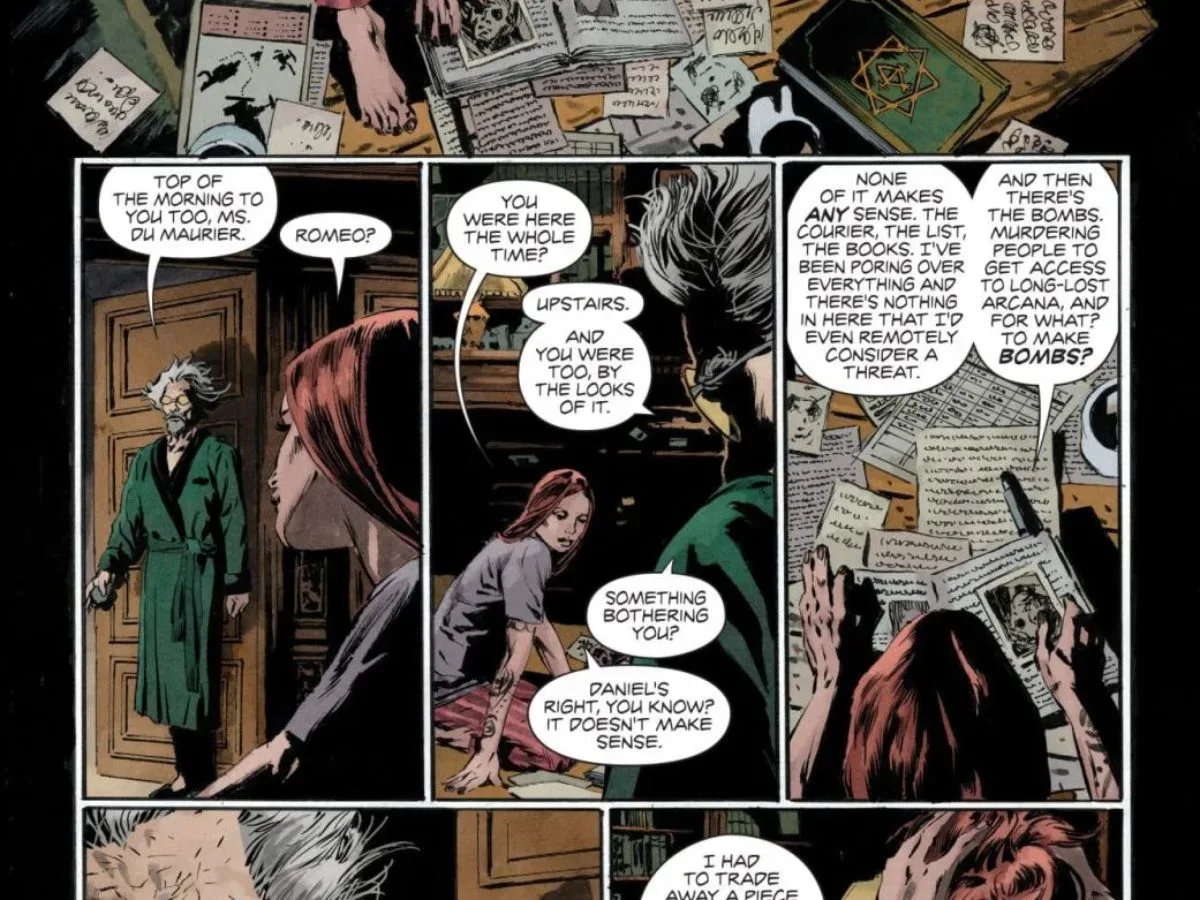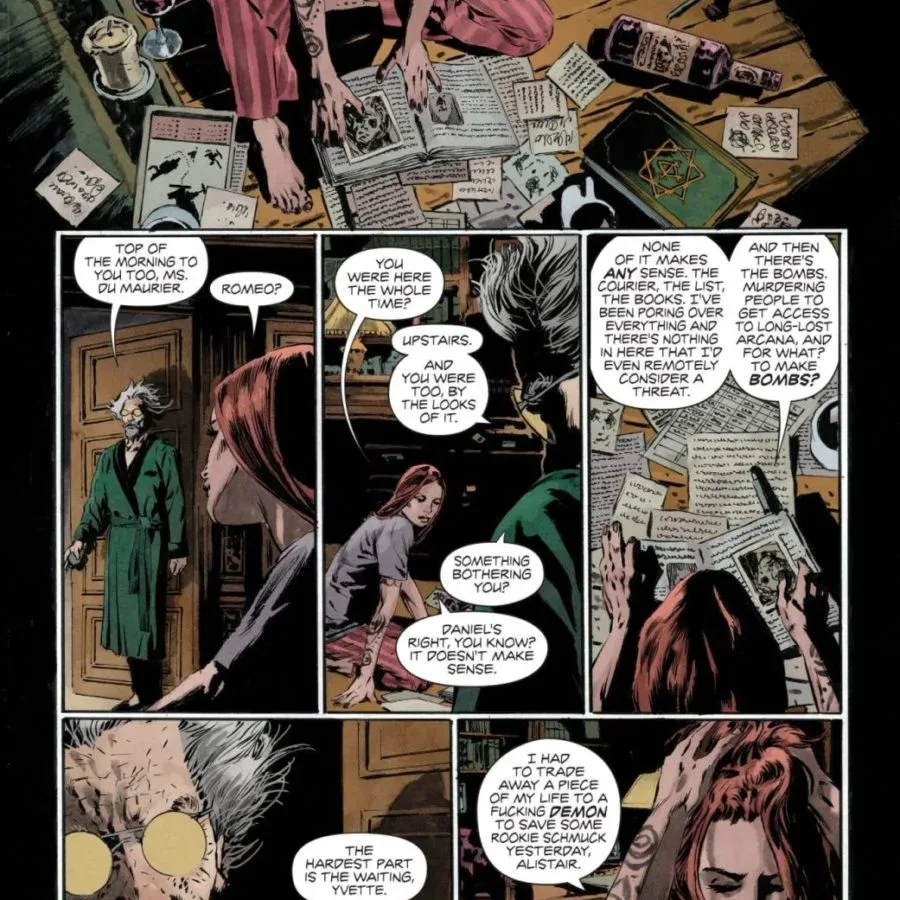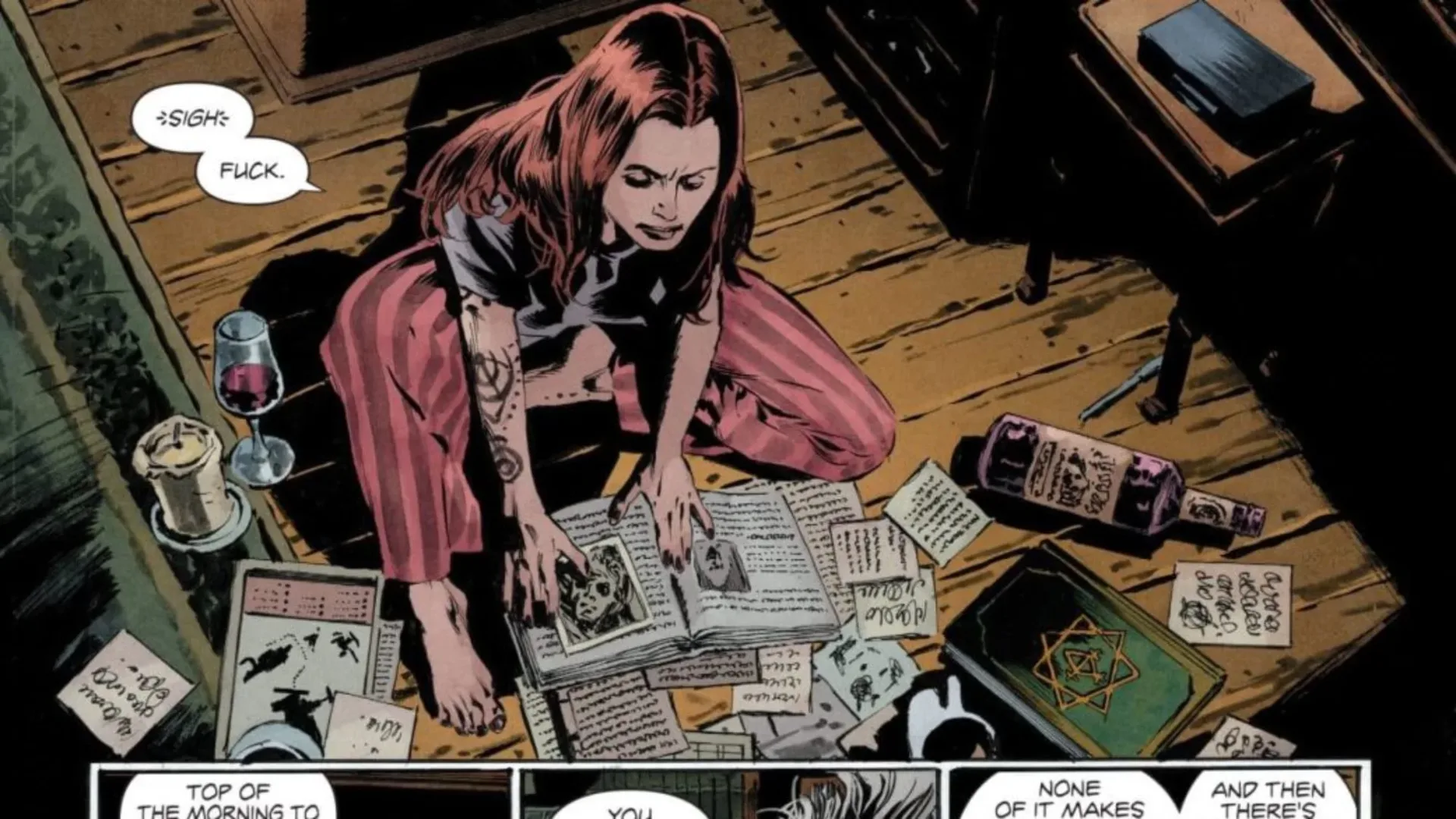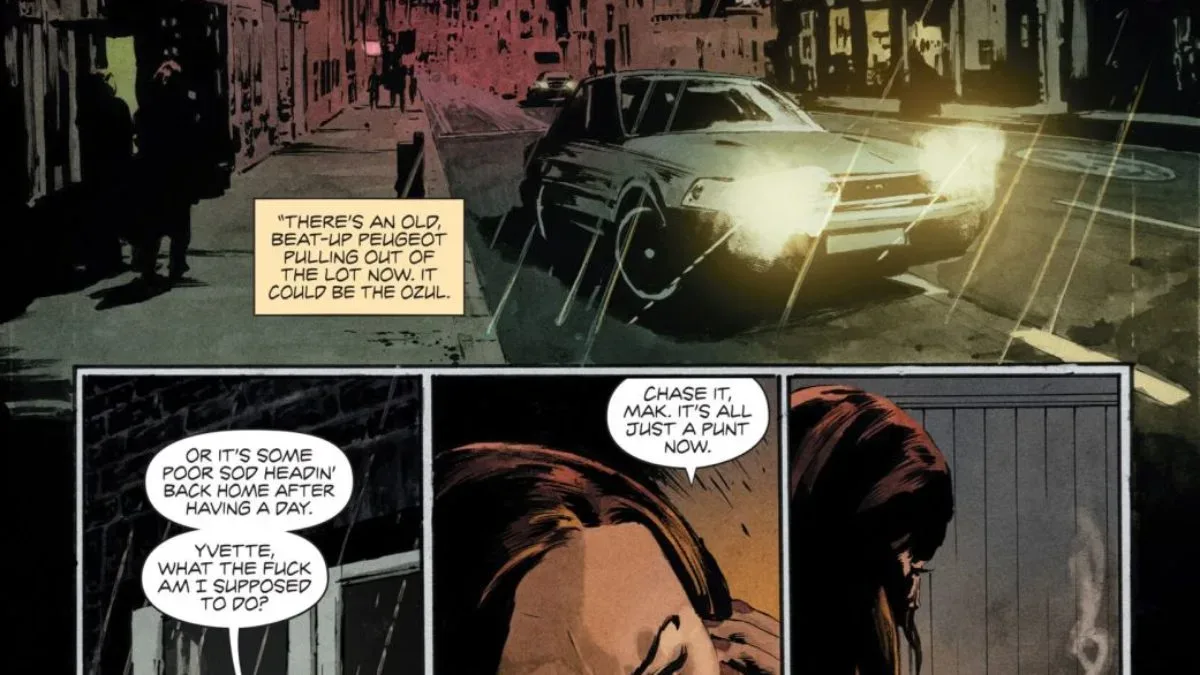
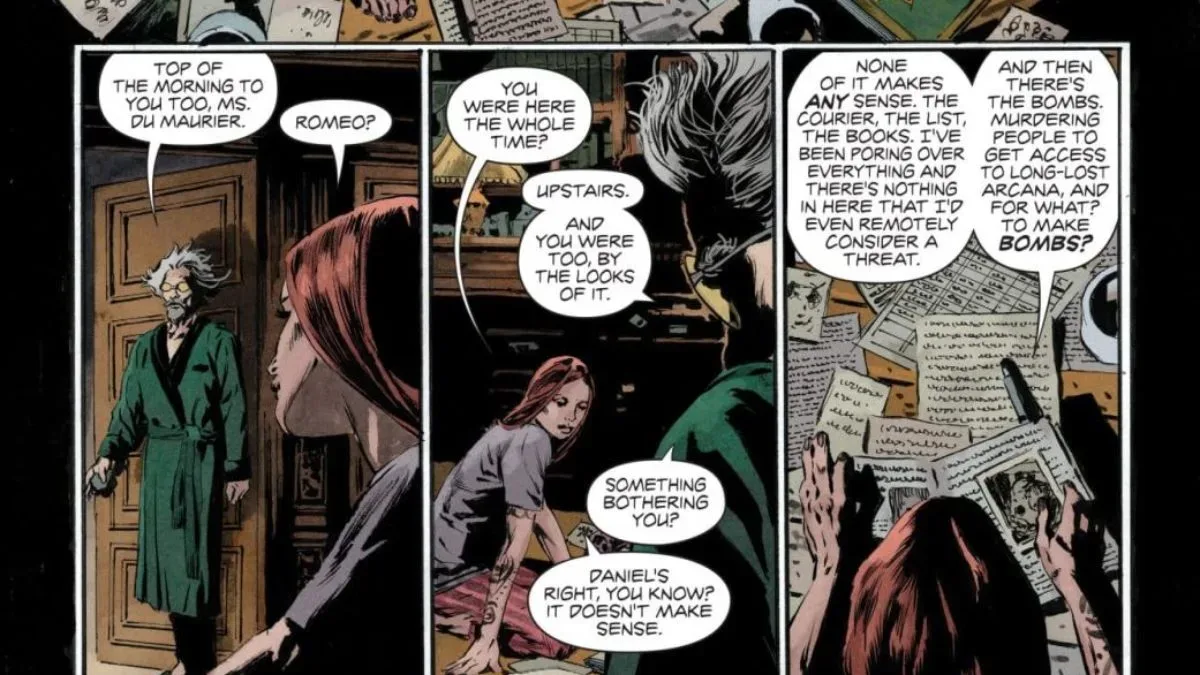
Black Tower: The Raven Conspiracy #4 is scheduled to arrive in comic shops on November 25, 2026, with Ram V writing and Mike Perkins providing interior art and the main cover. The fourth issue’s premise is pointedly compact: Black Tower’s new recruit is developing extra-sensory abilities faster than the team expected, and that acceleration comes with an ominous warning about getting exactly what one wished for.
That is enough to establish the central pressure point for the issue. A newly discovered power can be a useful asset in a covert, conspiracy-minded story, but a power that develops before its owner or their allies understand it can be just as disruptive as an enemy. The solicitation specifically frames the ability around mind reading, putting privacy, trust, and the reliability of knowledge squarely in play.
A power that may outpace the team’s plans
The key detail is not merely that the recruit has extra-sensory perception, often shortened to ESP. It is that the ability is growing faster than Black Tower hoped. In genre fiction, ESP is a broad term for perception beyond ordinary senses; mind reading is a more specific expression of it, generally suggesting direct access to another person’s thoughts. The distinction matters here because the available description identifies a very personal, potentially invasive form of power rather than a vague intuition or a distant warning signal.
For a team dealing with a conspiracy, knowing what people think could look like a perfect solution. It might expose deception, uncover concealed motives, or help identify a threat before it acts. But that apparent shortcut creates immediate complications. What does the recruit actually hear or perceive? Can they control it? Can they separate a passing thought from a meaningful intention? And, perhaps most importantly, what happens to a group dynamic when no one can be completely certain their private thoughts remain private?
The issue description does not answer those questions, and it should not be read as confirmation of any particular plot development. Still, the wording makes clear that the story is interested in the cost of the power as much as its usefulness. “Be careful what you wish for” is a familiar warning, but it suits a premise where the desired edge against a hidden threat could become a destabilizing force inside the team itself.
Why mind reading is especially volatile in a conspiracy story
Conspiracy narratives are built on incomplete information. Characters make decisions while uncertain who is honest, what evidence can be trusted, and whether apparent coincidences are connected. A mind reader changes that equation—but not necessarily in a simple way. The ability promises access to truth, yet it can introduce a new question: whether the interpretation of that access is itself dependable.
A thought is not automatically a fact. People can be frightened, mistaken, conflicted, distracted, or withholding. Even if a recruit can perceive another character’s inner life, the significance of what they find would still need to be judged. That makes fast-developing ESP a natural source of tension rather than a guaranteed story-breaking solution. The recruit may obtain more information than they are ready to process, while Black Tower may receive intelligence that is useful but ethically fraught.
There is also a practical interpersonal cost. Teams function through boundaries as well as loyalty. A recruit who can unexpectedly access thoughts could alter conversations before anyone has agreed on rules, consent, or safeguards. The solicitation’s phrasing suggests Black Tower may have wanted the ability to emerge, but not so quickly—and perhaps not with all the consequences attached.
That makes issue #4 sound positioned around management as much as discovery: managing a new member, managing an escalating gift, and managing the fallout from knowledge that may be impossible to put back once it is known.
Ram V and Mike Perkins lead the issue
DC credits Ram V as writer and Mike Perkins as artist and cover artist for Black Tower: The Raven Conspiracy #4. With the official premise focused tightly on perception and a recruit’s accelerating power, the creative pairing is attached to an installment that appears designed to push a character-level complication into the wider Black Tower narrative.
The available material does not establish the recruit’s identity, the exact source of their abilities, or the full makeup of the Black Tower team. It also does not confirm whether the mind reading will be voluntary, continuous, selective, or otherwise limited. Readers should treat those details as open questions rather than fill in the gaps with assumptions from the issue’s evocative setup.
What is established is the issue’s dramatic direction: this is not a simple origin of a useful new skill. The stated concern is speed. Rapid growth suggests a gap between power and control, which can place both the new recruit and those around them under strain. For a series carrying “The Raven Conspiracy” in its title, that strain is likely to matter beyond a single awkward revelation.
Release and cover details
Black Tower: The Raven Conspiracy #4 is listed for November 25, 2026. The solicitation identifies an SRP of $3.99 for the issue. It also lists a Liam Sharp cover at $4.99, alongside catalog identifiers 0926DC0195 and 0926DC0196. Those separate price points indicate that readers checking with a local comic shop should confirm which cover edition they are ordering or buying.
- Title: Black Tower: The Raven Conspiracy #4
- Publisher: DC
- Release date: November 25, 2026
- Writer: Ram V
- Interior art and main cover: Mike Perkins
- Additional listed cover: Liam Sharp
- Listed SRP: $3.99
- Liam Sharp cover listing: $4.99
What the solicitation does—and does not—promise
The immediate draw is the potential for an information advantage to become a liability. Mind reading is inherently dramatic because it challenges the difference between what a person says, what they believe, and what they would rather keep to themselves. By making the ability emerge faster than anticipated, the issue sets up an imbalance: a recruit may suddenly possess access they have not learned to use responsibly, while Black Tower may have to react before it has a plan.
That focus also leaves substantial room for surprises. The material confirms a new recruit, extra-sensory powers, a faster-than-expected development, and the danger implied by that development. It does not establish a specific villain, mission outcome, betrayal, or long-term status quo. Readers looking for a spoiler-light entry point can take this as a story centered on the consequences of an escalating psychic ability rather than a definitive map of the issue.
Comic readers tracking other character-driven genre stories can also see how different franchises approach the visual and tonal challenge of adapting unusual characters in this look at the debate around Beast’s appearance in Avengers: Doomsday. In Black Tower’s case, however, the confirmed hook is not appearance or adaptation; it is the uneasy prospect of a character gaining access to minds before anyone knows what that will cost.
With issue #4, Black Tower’s apparent advantage is already beginning to resemble a complication. Whether the recruit’s perception uncovers the truth the team needs or fractures the trust needed to act on it is the question hanging over the November release.