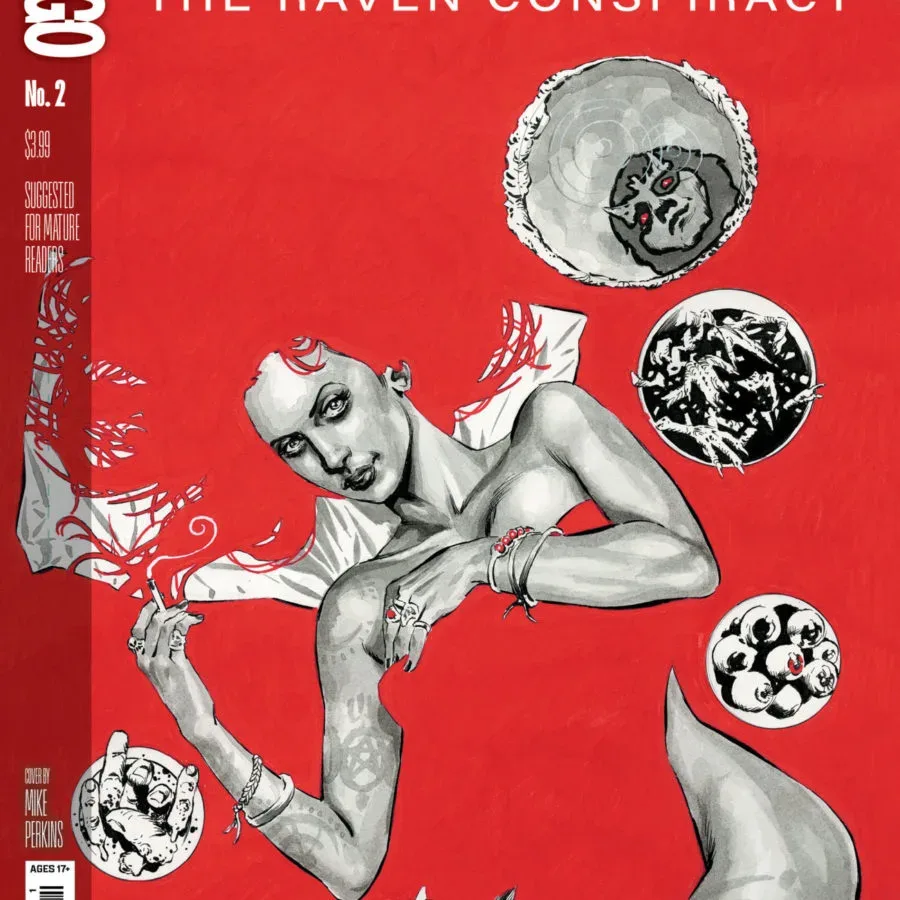
Black Tower: The Raven Conspiracy #2 is set to put its new CIA trainee in an exceptionally unfriendly version of London office life. The second issue, written by Ram V with art and cover art by Mike Perkins, is listed for comic shops on September 23, 2026. Its central threat is an assassin with the ability to enter targets’ dreams, pursuing an organization that already appears to be juggling espionage, occult practices, demons, and uneasy international connections.
That is a deliberately crowded premise, but its parts point in the same direction: Black Tower is positioning espionage as something far stranger than code words, surveillance, and sealed dossiers. Daniel Burroughs is a young American CIA trainee trying to acclimate to a new life in London and the people around him at Black Tower. The trouble is that this is not a conventional intelligence office. His boss is becoming close with Russians, his colleague Ms. Du Maurier is a witch in a concealed relationship with a demon, and an assassin is circling the group from a place where normal security procedures may not reach.
A spy thriller where sleep is not safe
The solicitation’s most important idea is its “dream-slipping” assassin. In simple terms, the killer can move in and out of targets’ dreams. That turns sleep into a potential access point rather than refuge, and it changes the type of danger Daniel and Black Tower face. An ordinary spy story can build tension around who has physical access to a room, a file, a telephone call, or a meeting. A dream-invading antagonist suggests that private mental space is vulnerable as well.
The supplied preview description does not establish the precise mechanics, limitations, or consequences of the assassin’s power. It does, however, make clear that the ability is linked to a stalking threat against the sorcerous spy agency. That uncertainty is useful dramatically. If characters cannot be sure whether a frightening image is a dream, a warning, a manipulation, or an imminent attack, then information itself becomes unstable. For a story involving intelligence work, that is a natural pressure point.
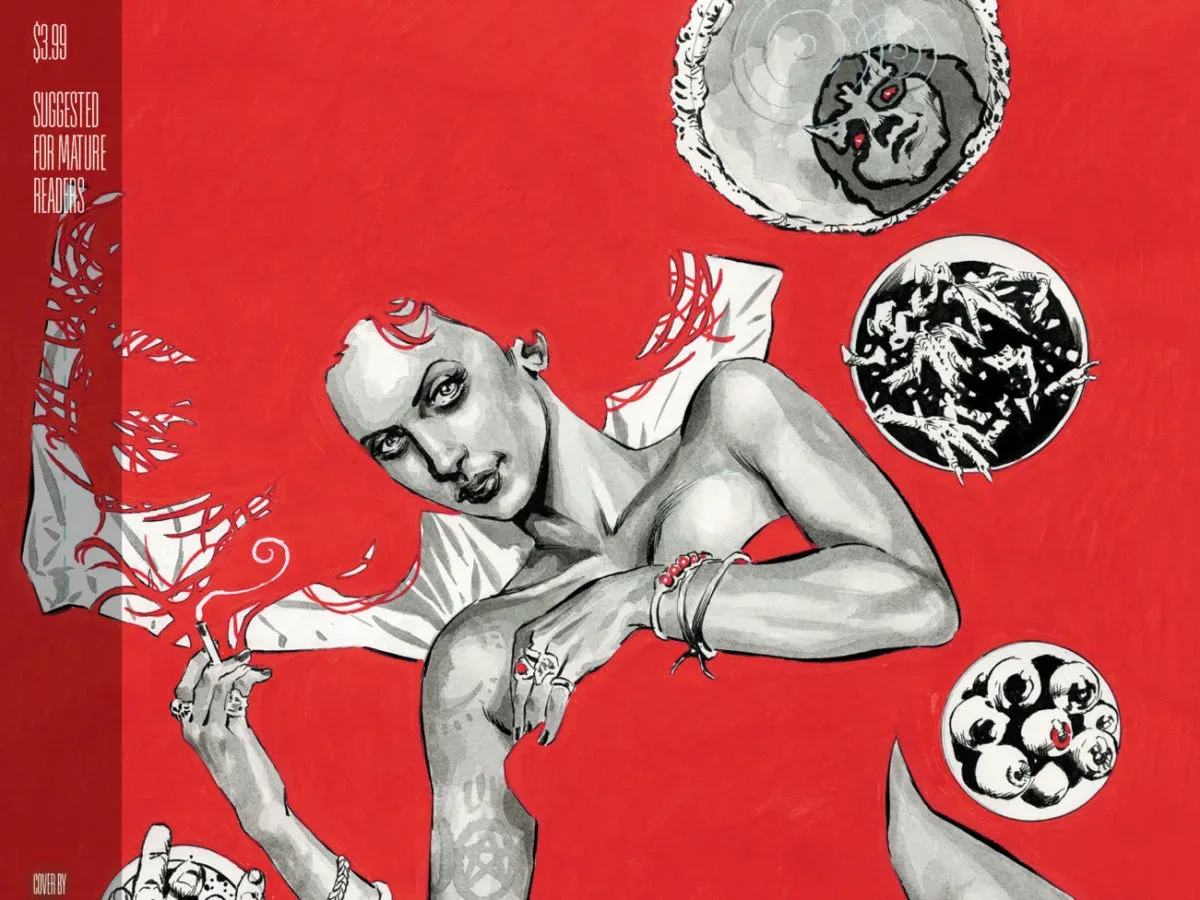
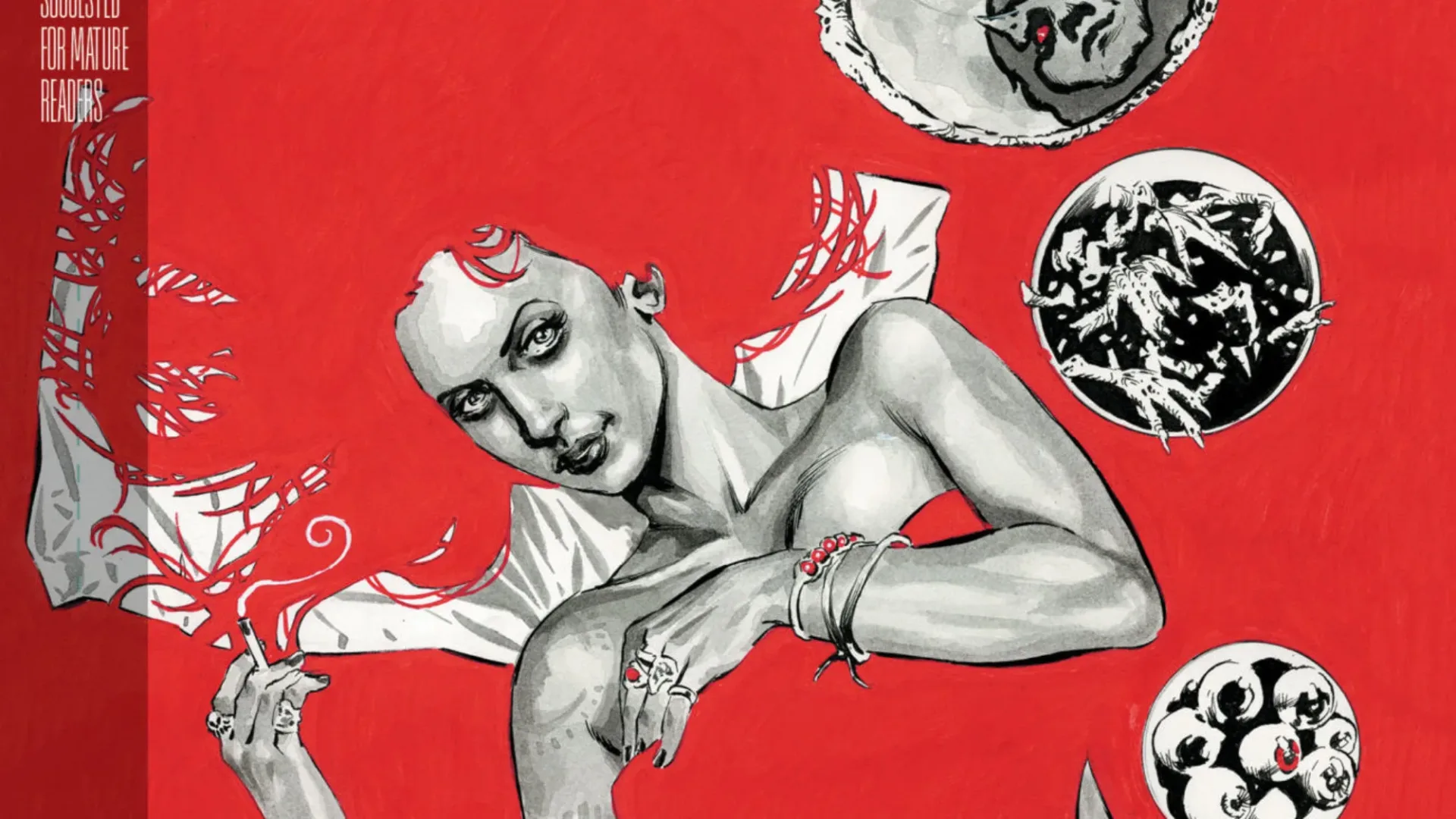
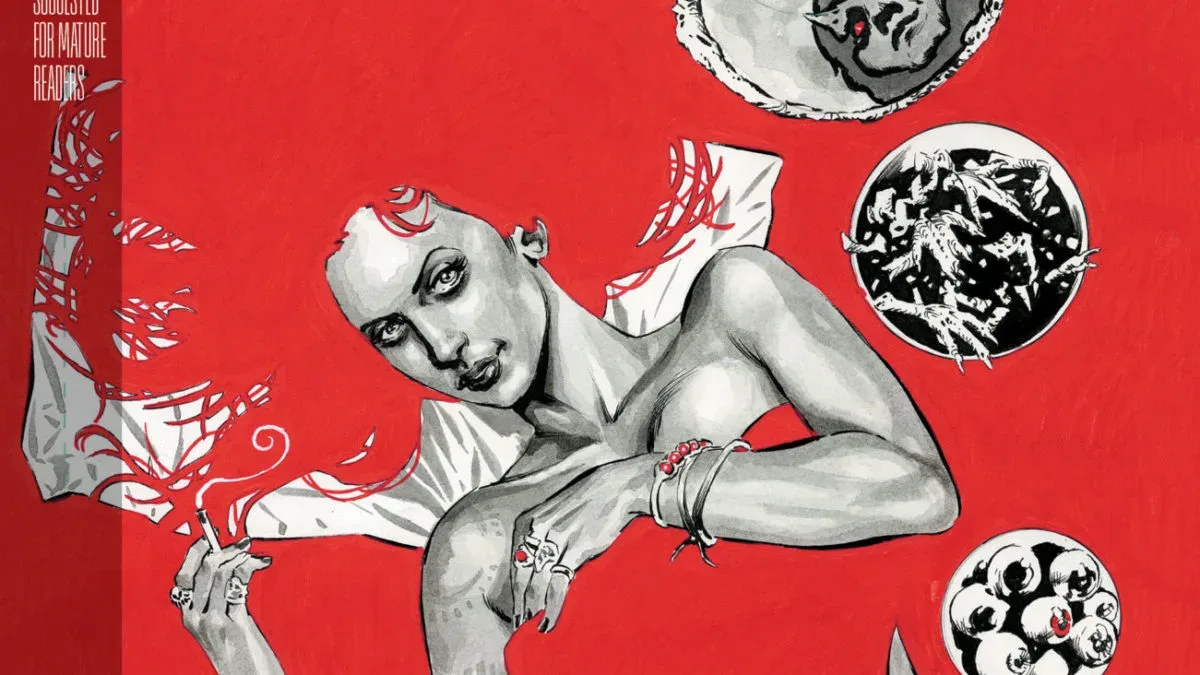
The phrase “death comes in dreams” frames issue #2 less as a detached supernatural detour and more as a direct escalation. Dream imagery can make a comic’s page design feel fractured or subjective: the preview material is described as using ominous circular panels featuring severed hands, staring eyes, and sharp teeth. Those images indicate horror-inflected visual language without confirming their narrative meaning. They may foreshadow the assassin, reflect a victim’s nightmare, or do both.
Daniel Burroughs is still learning the rules
Daniel’s status as a trainee matters. He is not presented as a settled veteran who already understands Black Tower’s culture and risks. He is acclimating to London while encountering coworkers whose supernatural lives seem inseparable from their professional duties. That creates an effective viewpoint for readers entering the series: Daniel has reason to ask what Black Tower is, whom it serves, and which threats are internal versus external.
There is also an obvious contrast between Daniel’s CIA background and the supernatural environment around him. Intelligence agencies are commonly associated with compartmentalization: information is restricted, identities may be obscured, and trust is provisional. Black Tower appears to add magical secrecy to that structure. A witch and a demon relationship can carry emotional stakes, but in a spy agency it can also become a vulnerability, a hidden source of leverage, or an alliance others do not understand.
Issue #2’s setup therefore gives Daniel more than one unfamiliar system to navigate. London is new; Black Tower’s workplace is new; the supernatural dimension is evidently dangerous; and the boss’s growing closeness to Russian figures introduces a political question inside the organization. None of those elements alone confirms betrayal. Together, they make suspicion a reasonable response. The issue’s tension should come not only from the assassin but from deciding who can safely be believed while that threat closes in.
Ms. Du Maurier and the danger of divided loyalties
Ms. Du Maurier is described as a witch secretly romantically involved with a demon. Preview-page details identify the demon as a figure with glowing yellow eyes and a pronounced grin, and indicate that it reprimands her for “communing with devils.” The irony is clear: the relationship itself puts two different definitions of allegiance into collision.
“Secretly” is doing considerable work in this setup. Secrecy is expected in an intelligence setting, yet private concealment among coworkers may be especially consequential when magic and demons are involved. The available material does not say whether the demon is connected to the dream assassin, whether it is an enemy of Black Tower, or whether Ms. Du Maurier’s relationship will be exposed in this issue. Readers should not assume any of those things. What the premise does establish is a potentially volatile personal bond embedded in a larger operation.
That makes the demon relationship more than an eccentric detail. In a supernatural espionage story, a romance can become a channel for information, a source of mistrust, or a complication that forces someone to choose between affection and duty. The inclusion of a demon also broadens the book’s threat vocabulary beyond human espionage. Black Tower seemingly operates in a world where political maneuvering and occult danger overlap rather than occur in separate genres.
The Russian connection adds another layer of uncertainty
Daniel’s boss is said to be getting “buddy-buddy” with Russians, a detail that reads as intentionally troubling from Daniel’s perspective. The available information does not name the boss, identify the Russians, explain the reason for the relationship, or declare that anyone has committed treason. It does tell readers that an apparent foreign connection will be part of Daniel’s uneasy introduction to Black Tower.
That restraint is worth noting. A preview solicitation is designed to present hooks, not resolve them. Calling attention to the Russian relationship invites readers to wonder whether it represents a diplomatic contact, a covert arrangement, a double-cross, or a misleading first impression. When an assassin can invade dreams, apparent evidence may prove unreliable anyway. Black Tower’s conflicts look set to operate on two levels: what characters do in the visible world and what may be happening in a more ambiguous mental or magical one.
Who is making Black Tower: The Raven Conspiracy #2?
Ram V is credited as writer, while Mike Perkins is credited for both interior art and the main cover. A separate Jeff Dekal cover is also listed. The comic is identified in its listing as a DC Comics release, while promotional material describes it as coming through DC’s Vertigo imprint.
The writer-artist pairing is particularly relevant to a premise built around dream intrusion. A story can explain an assassin’s powers in dialogue, but the visual storytelling has to communicate the unnerving shift between a character’s normal environment and a compromised dream state. The preview’s focus on disquieting close-up imagery suggests that the book is interested in making the threat felt on the page, not merely treating it as backstory.
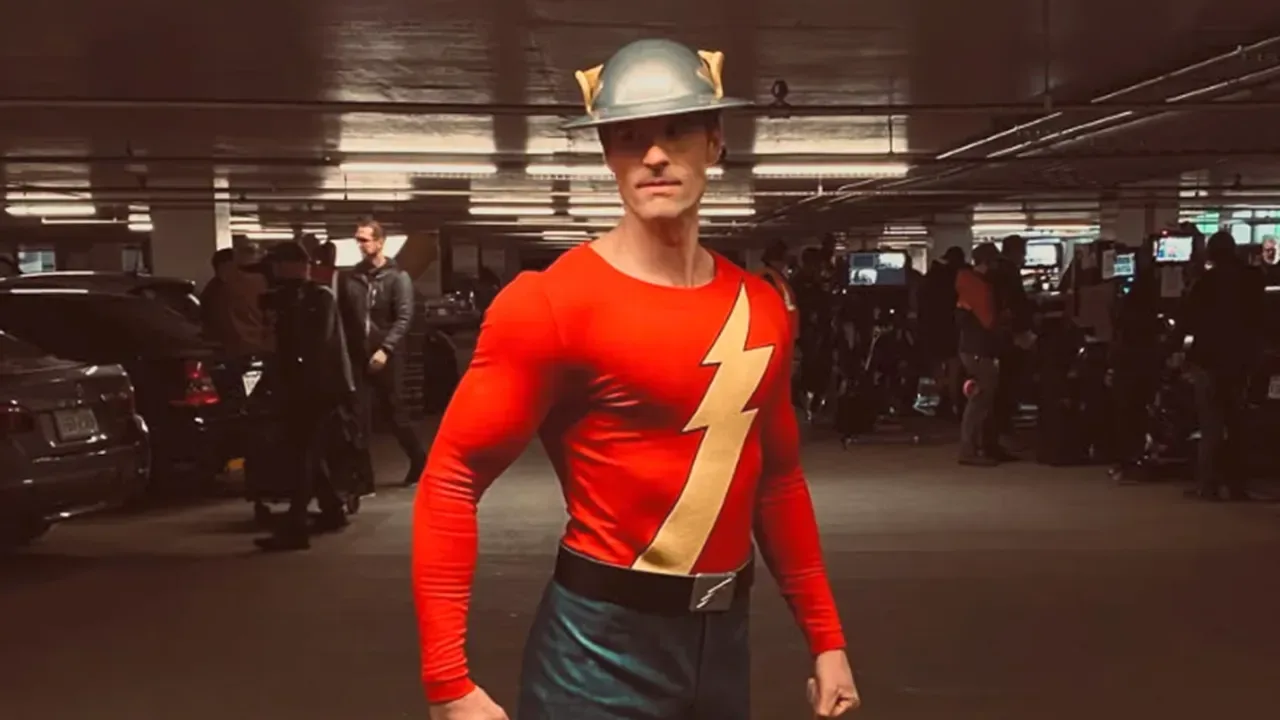
For readers following DC material more broadly, this is a separate supernatural-spy proposition rather than the kind of superhero collision suggested by a recent live-action DC detour involving Jay Garrick’s Flash and Mr. Freeze. Black Tower is being sold on paranoia, occult relationships, and a threat that can arrive after its characters close their eyes.
Release and cover details
- Title: Black Tower: The Raven Conspiracy #2
- In shops: September 23, 2026
- Writer: Ram V
- Artist and main cover artist: Mike Perkins
- Additional listed cover: Jeff Dekal
- Publisher listing: DC Comics
Pricing information in the supplied listing is not entirely consistent. The Jeff Dekal cover is listed at $4.99, while the same catalog block gives an SRP of $3.99 for the issue. Readers looking for a particular edition should confirm the cover and price with their comic shop before purchase.
As a second issue, Black Tower: The Raven Conspiracy #2 has a clear immediate hook: Daniel’s attempt to learn a bizarre workplace is interrupted by a predator who may be able to reach characters when they are most defenseless. Add a concealed witch-and-demon relationship and a supervisor’s questionable connections, and the series is setting up a spy story in which every boundary—professional, political, magical, and psychological—looks permeable.