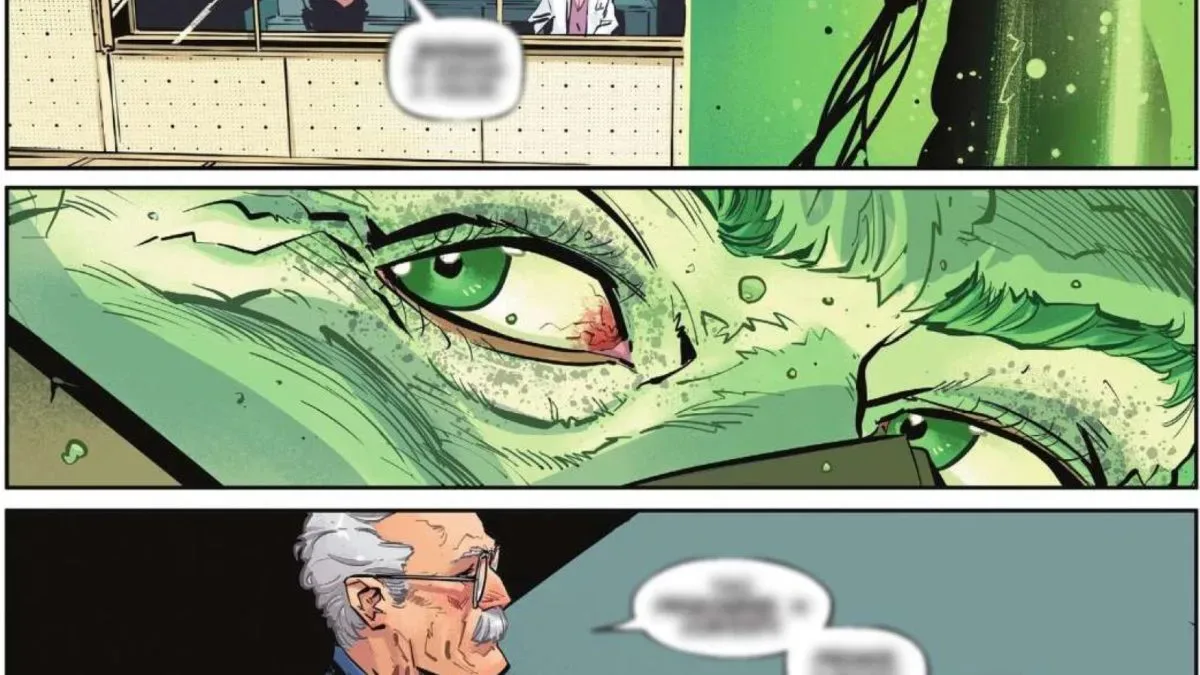
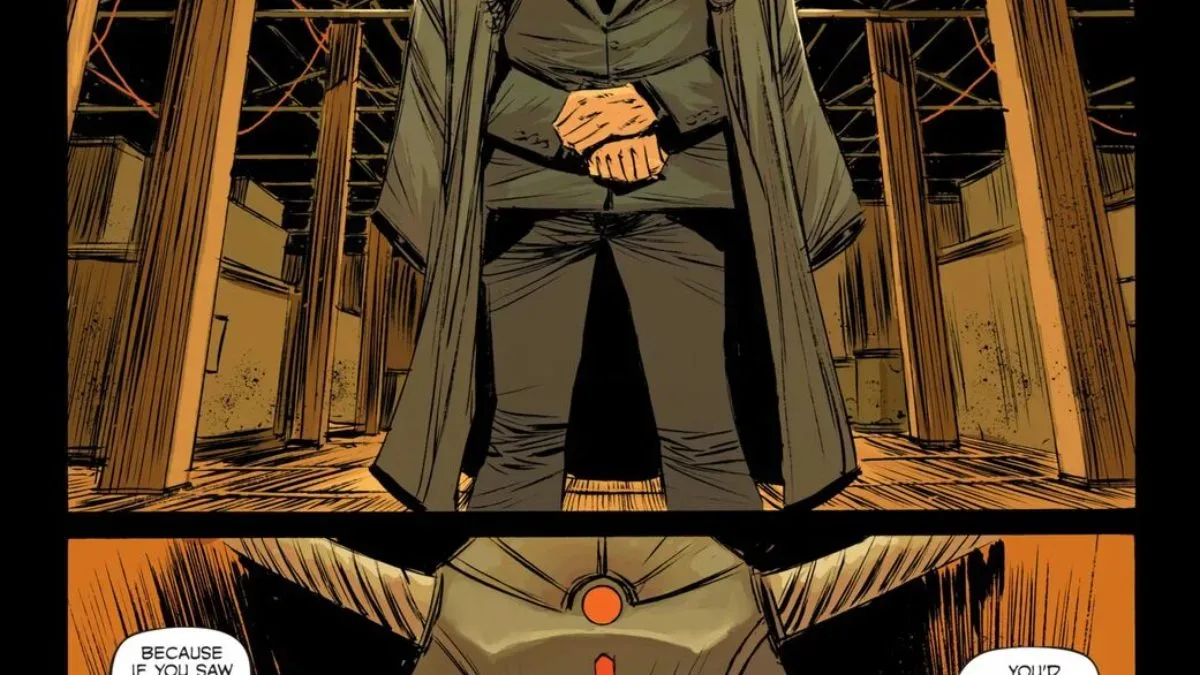
Batman 2026 Annual #1 is set to put Gotham’s newest criminal structure under a very bright Bat-signal. Due in comic shops on November 25, 2026, the annual brings writer Matt Fraction together with artists Brian Ching and Jesse Lonergan for a story focused on the Torus, the Minotaur at its center, and the unsettling notion that Gotham’s crime can be made predictable.
The key promise is a direct confrontation rather than another distant clue. The Torus has reportedly spent months running Gotham’s underworld, with the Minotaur described as the figure who transformed its usual chaos into a calculated system. The issue is positioned to answer three central questions: who the Minotaur is, how he consolidated that power, and what his next move will be.
That makes the annual less about a random one-off detour and more about an escalation point for a conspiracy that has been building since Batman #1. There is a lot of room between Batman discovering an organized criminal operation and actually reaching the person organizing it. Batman 2026 Annual #1 appears designed to close some of that distance.
At the center of Gotham’s maze
The title and setup lean hard into maze imagery. The Minotaur is not merely another Gotham operator with a theatrical name; the character is framed as the person at the middle of an organized network, a central force whose influence reaches outward through the city’s criminal underworld.
That distinction matters. A criminal conspiracy usually creates two threats for Batman at once. There is the immediate danger posed by the people carrying out crimes, but there is also the architecture behind those crimes: the communication, planning and command structure that lets separate operations function as a system. The Torus is presented as that latter kind of danger.
“Calculated order” is the most revealing phrase in the premise. Gotham is a city where criminals often thrive on disruption, surprise and spectacle. A villain who imposes order on that disorder changes the investigative problem. Batman cannot simply respond to isolated incidents; he has to identify the logic joining them. If every apparent loose end belongs to a single design, then pulling one thread may expose the whole network—or trigger the next stage of its plan.
The Minotaur’s mythology-adjacent name also fits the premise cleanly. In the familiar image, a maze protects or confines a monster at its center. Here, the maze appears to be organizational: layers of underworld activity surrounding the person who made it all cohere. The annual’s solicitation suggests Batman is finally getting close enough to confront that center head-on.
What the Calculator thread adds
The issue is not limited to the Minotaur’s conspiracy. Fraction and Jesse Lonergan are also set to explore the Calculator’s “algorithm of crime.” An algorithm, in basic terms, is a defined set of steps used to process information or arrive at an outcome. Applied to crime fiction, it implies more than a villain with a plan. It suggests a method for recognizing patterns, forecasting decisions, or turning a city’s behavior into something that can be modeled and exploited.
That concept pairs naturally with the Torus material. The Minotaur is described as bringing order to the underworld, while the Calculator’s thread explicitly invokes a system for understanding criminal activity. One storyline appears concerned with the person commanding a network; the other points toward the data, logic or pattern recognition that could make such a network more effective.
It is worth keeping the distinction clear, however: the material establishes that the Calculator’s algorithm will be explored, but it does not explain precisely how that algorithm works, what technology it uses, or how closely it connects to the Minotaur. Those are questions the comic itself will need to answer. For now, the shared language of calculation gives the annual a coherent thematic focus without confirming every mechanical detail of the plot.
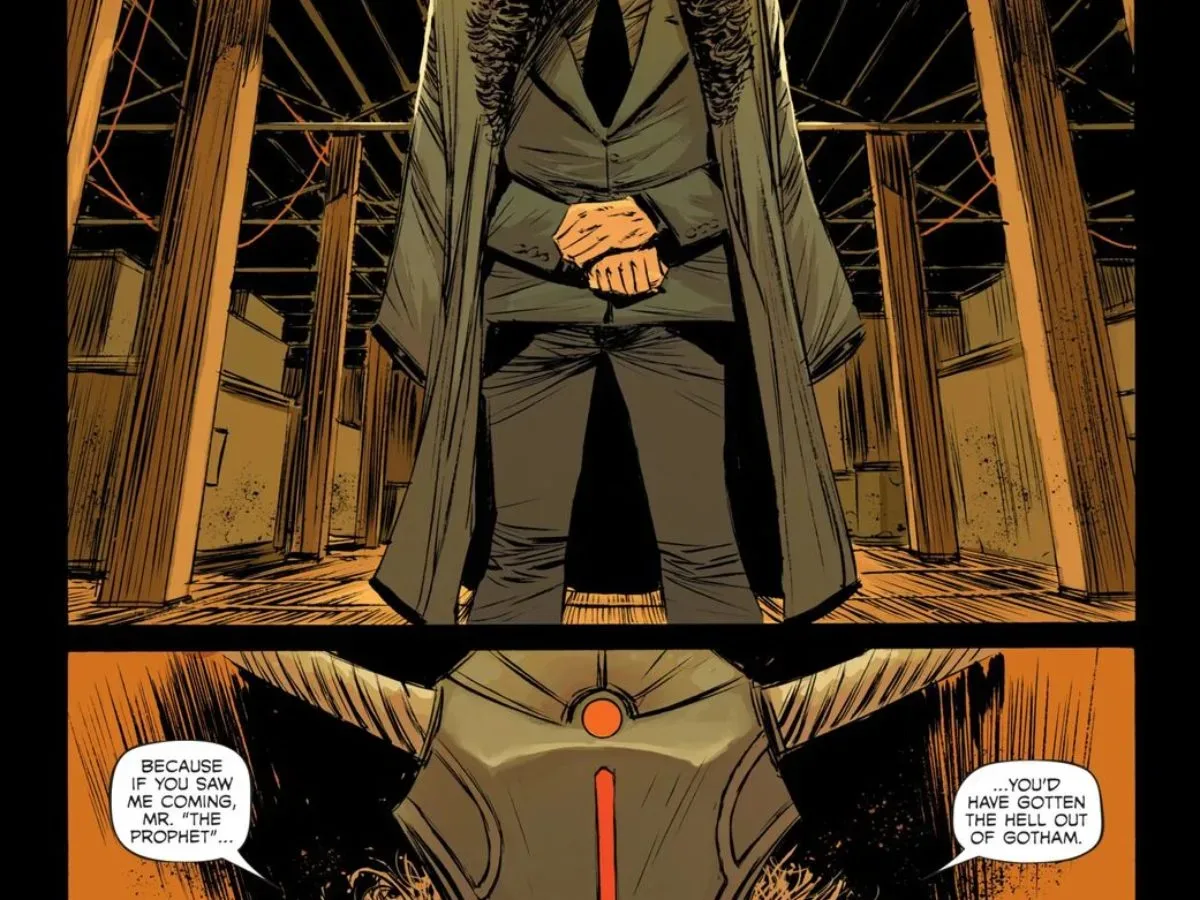
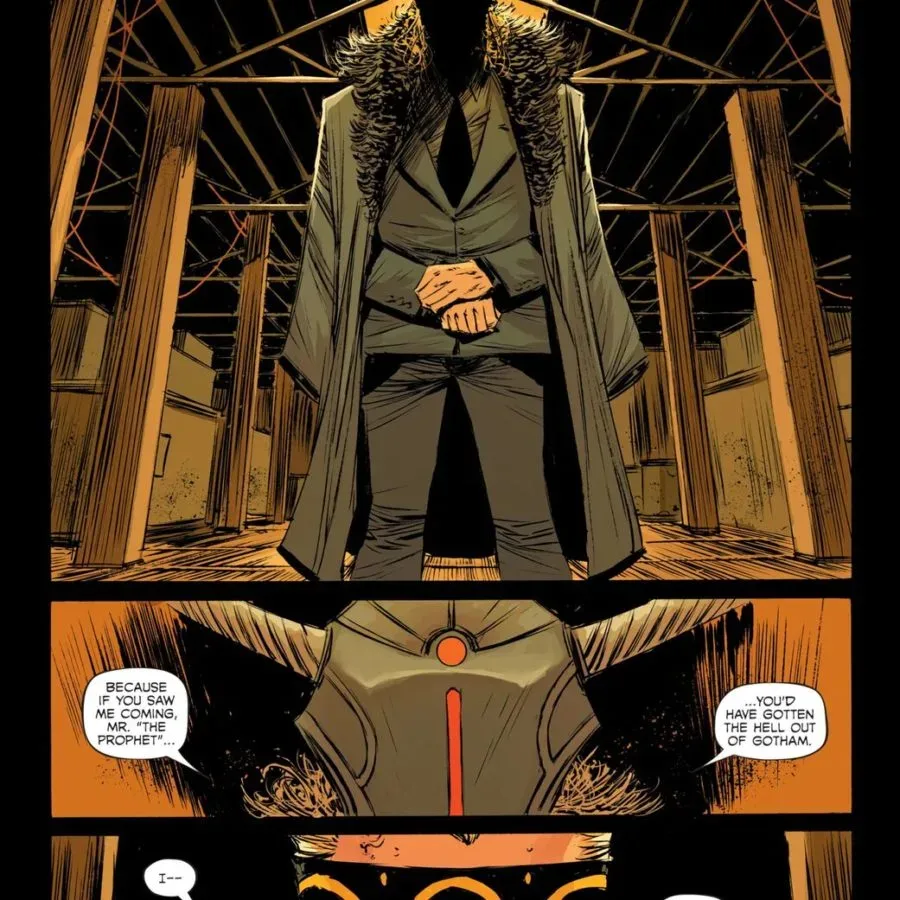
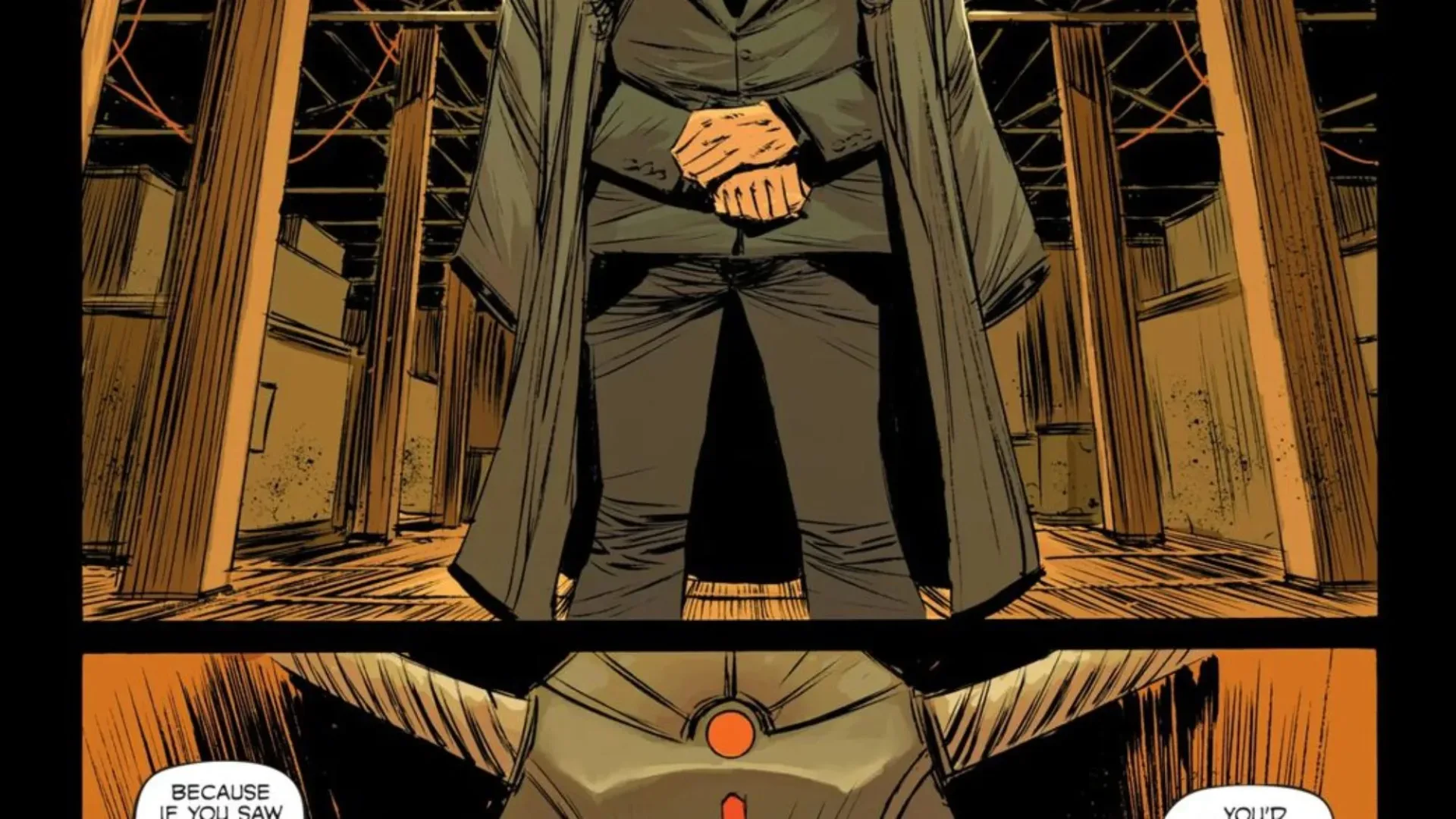
The preview material adds another layer through a blindfolded figure who claims prophecy while followers ask to be seen. A bull-masked visitor challenges whether the figure truly anticipated their meeting. That scene reinforces the issue’s interest in prediction and knowledge: what it means to claim you know what is coming, and how such a claim holds up when confronted directly.
In a Batman story, prediction is never purely academic. Knowing where crime will happen next can be power. Knowing how an opponent will react can be power. But a forecast can also be a trap—especially if the person making it has helped arrange the outcome. The annual’s premise has enough uncertainty to make that tension compelling without revealing which figure, if any, has the strongest claim to seeing Gotham’s future.
Why an annual is a useful place for this confrontation
Annuals can serve different purposes in superhero publishing: an oversized standalone, a character-focused side story, a new-reader entry point, or a chapter that advances an ongoing plot on a larger canvas. This issue looks closest to the last two categories. The Minotaur confrontation is explicitly tied to a conspiracy building in the regular series, while the Calculator material gives the creative team a second angle on the broader theme of organized crime.
For regular readers, that makes this a potentially important issue to watch rather than an automatically disposable extra. The phrase “reach the center” implies progress on a mystery that has been deliberately withheld. For readers checking in specifically for the annual, the core hook is straightforward: Batman is facing a criminal order that has been hiding behind the apparent disorder of Gotham.
The split artistic credit is also notable. Brian Ching and Jesse Lonergan are both credited for art, with Ching providing the main cover. The supplied information does not specify how pages or sequences are divided, so readers should not assume a particular structure in advance. Still, the two named story components make it reasonable to expect the annual to move between the Minotaur/Torus conflict and the Calculator-focused material.
Creative team and cover information
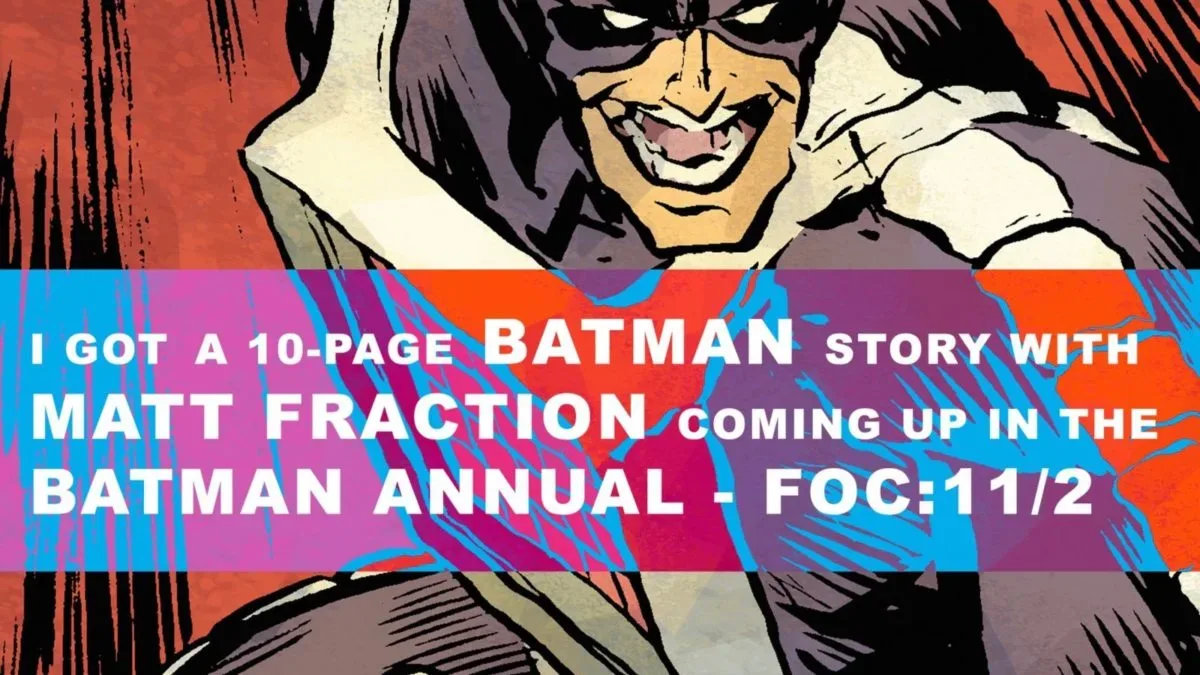
Matt Fraction is credited as writer, with Brian Ching and Jesse Lonergan on art. Ching is also credited as the main cover artist. The issue is described as featuring Eisner Award-winning creators, though the most useful immediate takeaway is the division of responsibilities: Fraction guides the story, while Ching and Lonergan provide the interior artwork.
DC Comics has listed the standard edition with an SRP of $5.99. Three additional listed covers carry a $6.99 price:
- Francis Manapul cover
- Mattia De Iulis cover
- Ben Oliver cover
Collectors and readers who favor a specific cover should note the distinction between the standard issue price and the listed prices for those alternate-cover editions. The available details identify the cover artists but do not establish print quantities, incentives, or other scarcity information. A higher cover price by itself should not be treated as evidence of rarity.
The issue’s release date is Wednesday, November 25, 2026. As always with single issues, availability can differ by local shop and format, so the most practical step for readers who want a particular cover is to ask their comic retailer about ordering options before release.
What remains unknown
The solicitation asks who the Minotaur is and how he achieved his control over Gotham’s underworld, but it does not supply those answers. It also does not state what the Torus’s ultimate plan is. Those omissions are the engine of the story, not gaps to be filled with guesswork.
Likewise, the Calculator’s algorithm is a premise, not yet a technical explanation. Readers know it will be explored; they do not yet know whether it is intended as a literal predictive system, a criminal strategy, a thematic contrast with Batman’s detective work, or some combination of those ideas.
What is clear is that Batman 2026 Annual #1 is framing Gotham’s latest threat as a battle over structure: who can make sense of the city, who can direct its chaos, and whether Batman can reach the person controlling the design before that design reaches its intended outcome.
For a different corner of current pop-culture reporting, see this look at an unexpected film-set crossover recalled by Seth Rogen.