A comic-book crowdfunding campaign can promise much more than a comic. It can offer readers a chance to help revive a dormant property, receive special editions and artwork, and take part in a project before it reaches stores. But when fulfilment stalls, the physical book becomes only one part of the story. The unanswered messages, changing plans and unshipped rewards can become just as memorable.
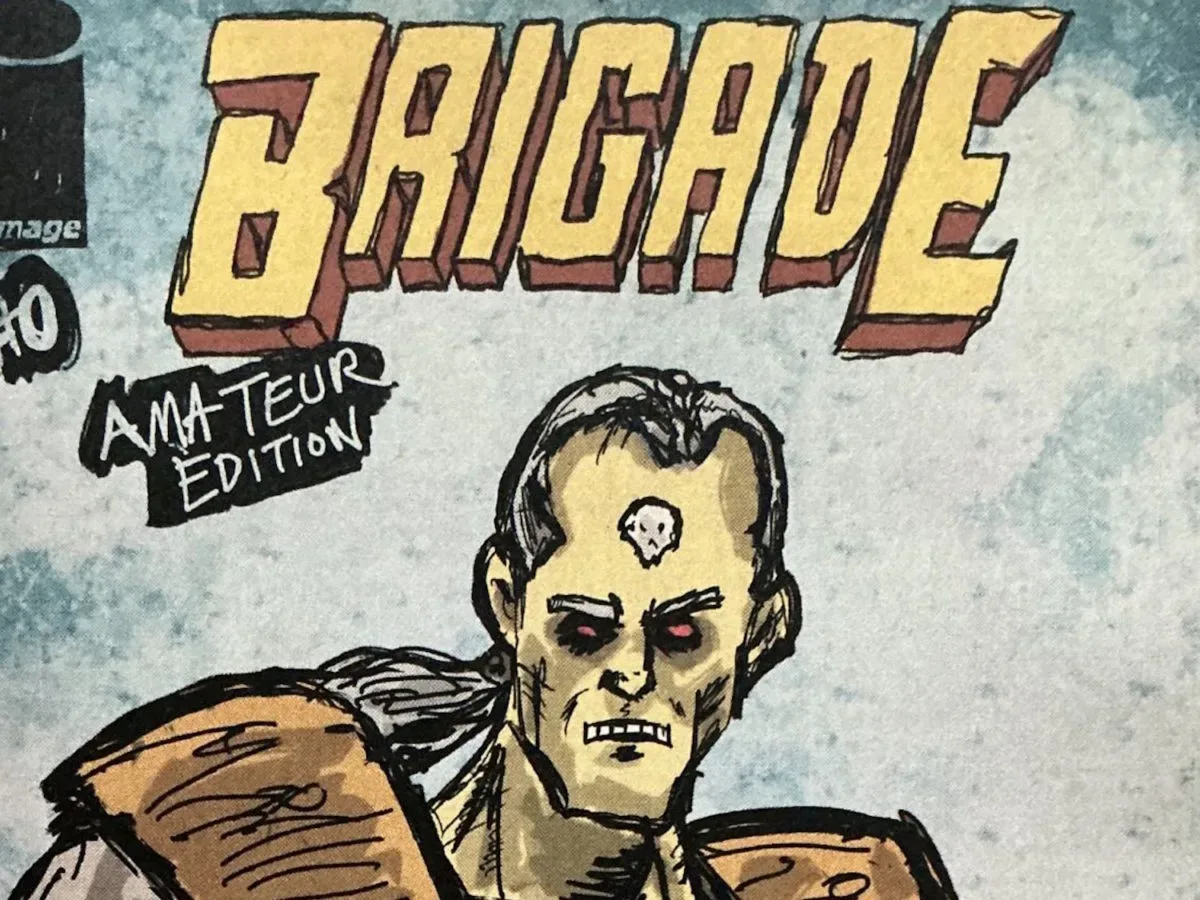
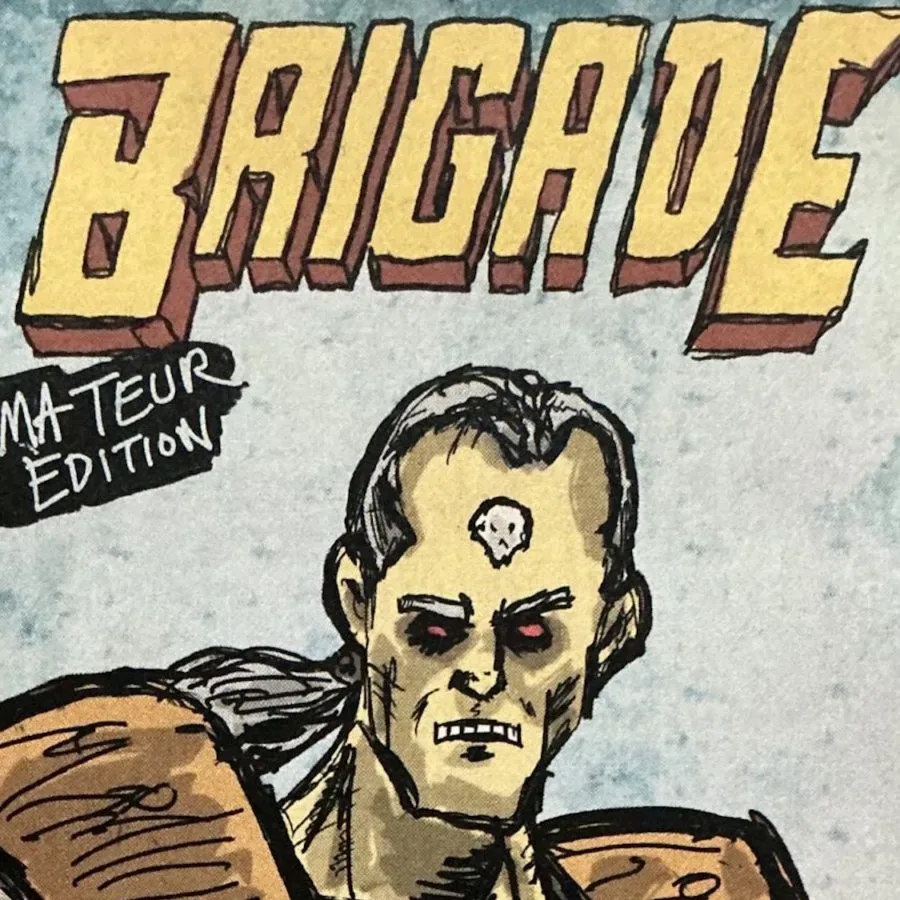
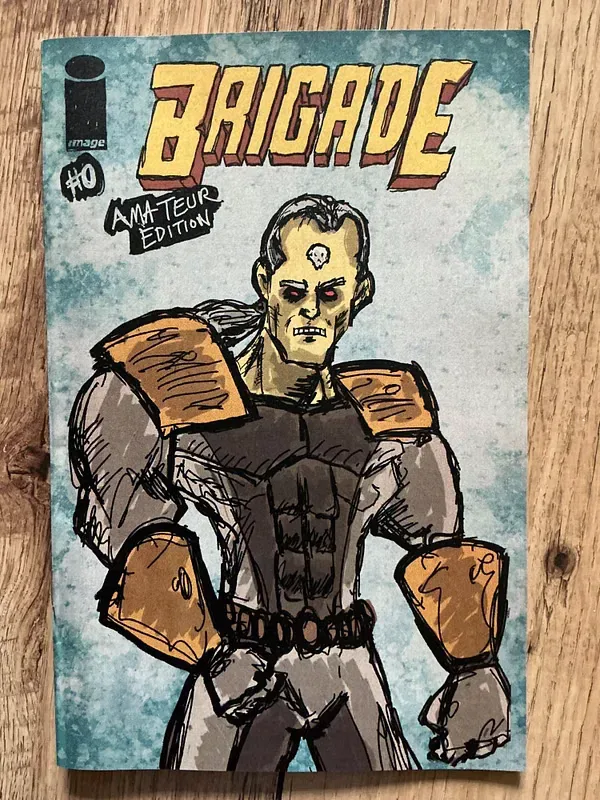
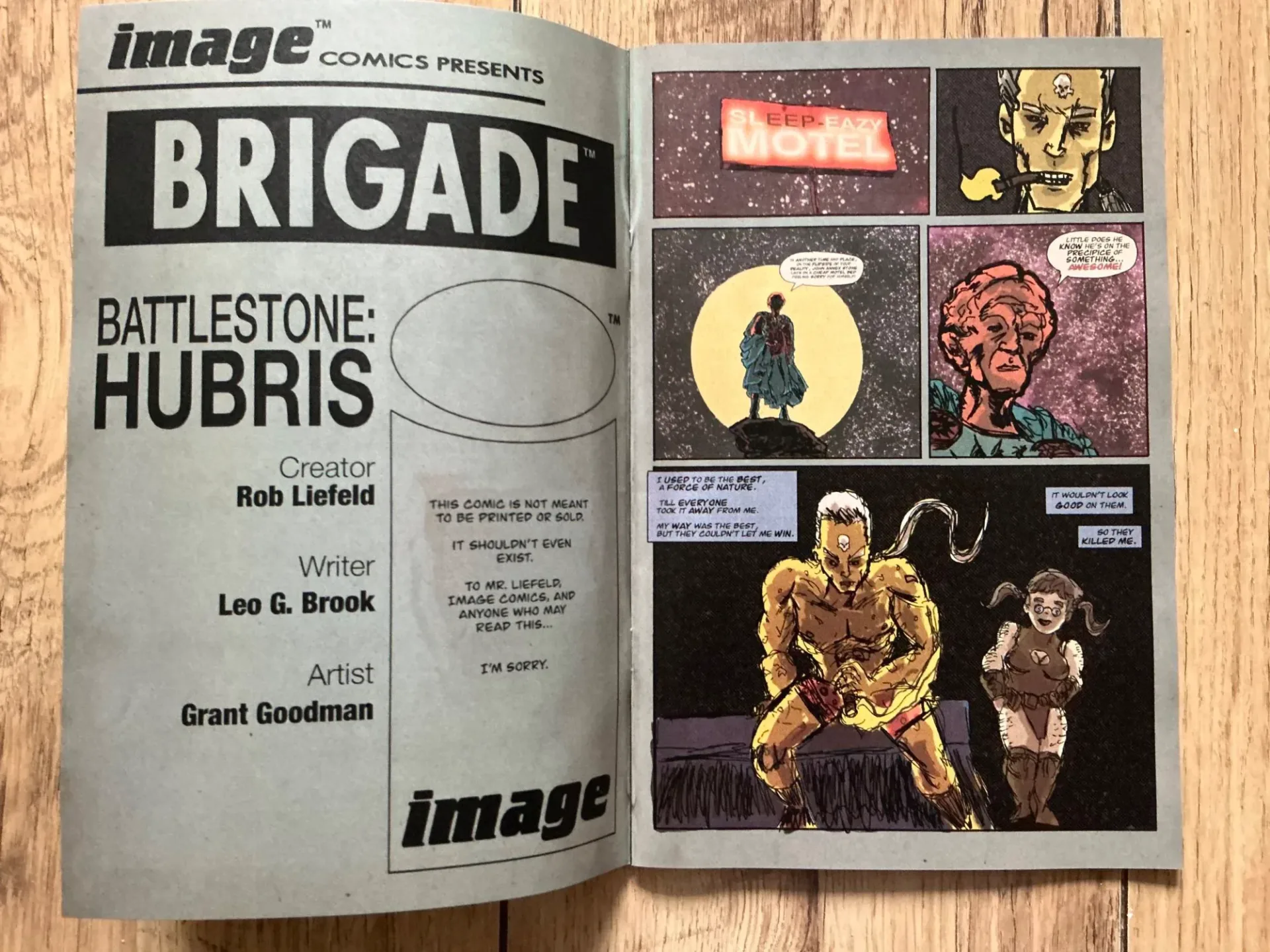
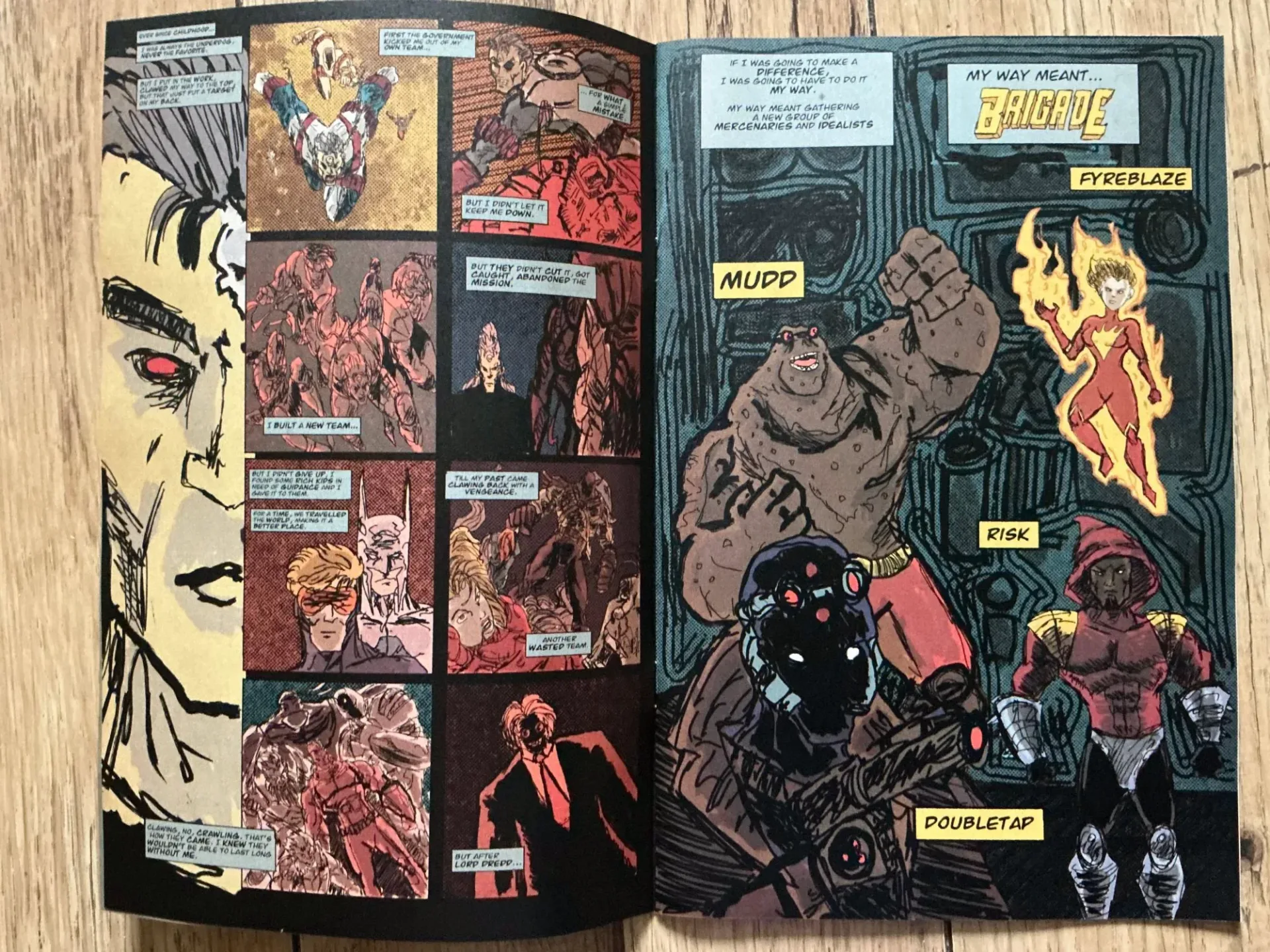
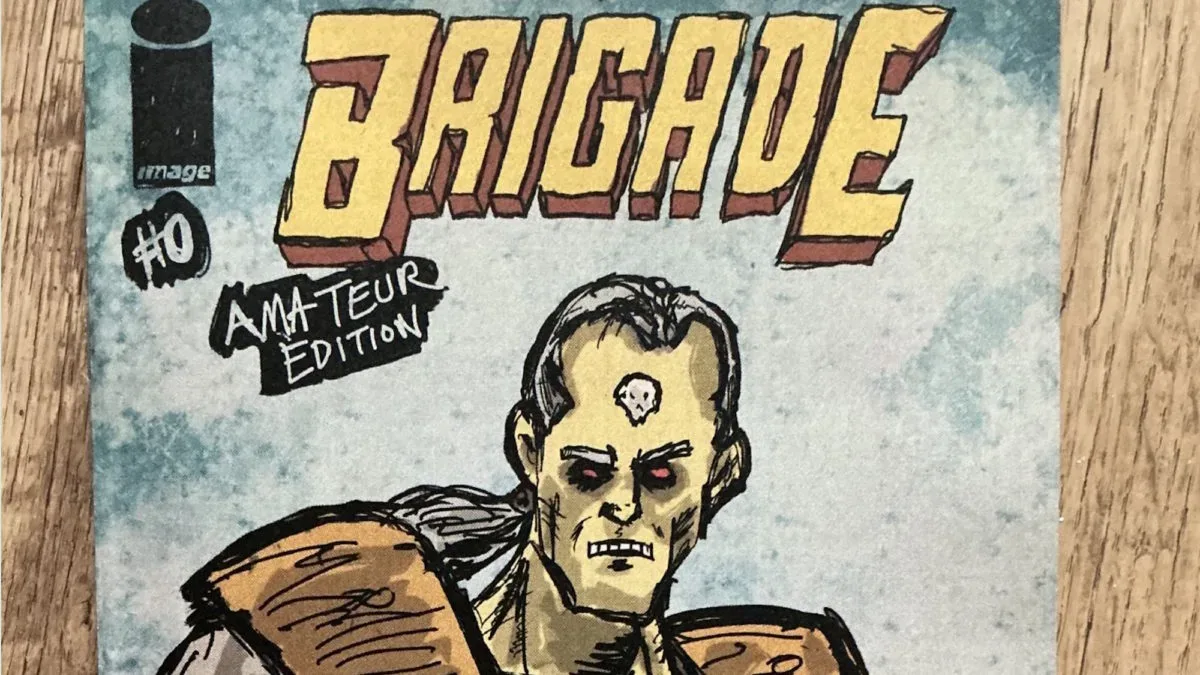
That tension sits behind Brigade (Amateur Edition) #0, a small-press comic created by writer Leo G. Brook and artist Grant Goodman. Titled Battlestone: Hubris, the professionally printed project is a fan-made answer to the protracted saga of Rob Liefeld’s Brigade crowdfunding campaign. It is not a replacement reward, an officially announced revival, or a broadly available retail release. Instead, it is an extremely limited comic that turns a long-running disappointment for many supporters into a tangible piece of fan expression.
For the moment, that scarcity is deliberate. Brook has said the comic is not being sold or mass-produced. Copies have been handed to friends around a northern English comic convention, making this less of a conventional release than a quietly circulating tribute. That unusual distribution method is part of the joke and part of the point: a Brigade comic exists, but locating one may be as difficult as getting the original promised rewards.
The campaign that was meant to put Brigade in readers’ hands
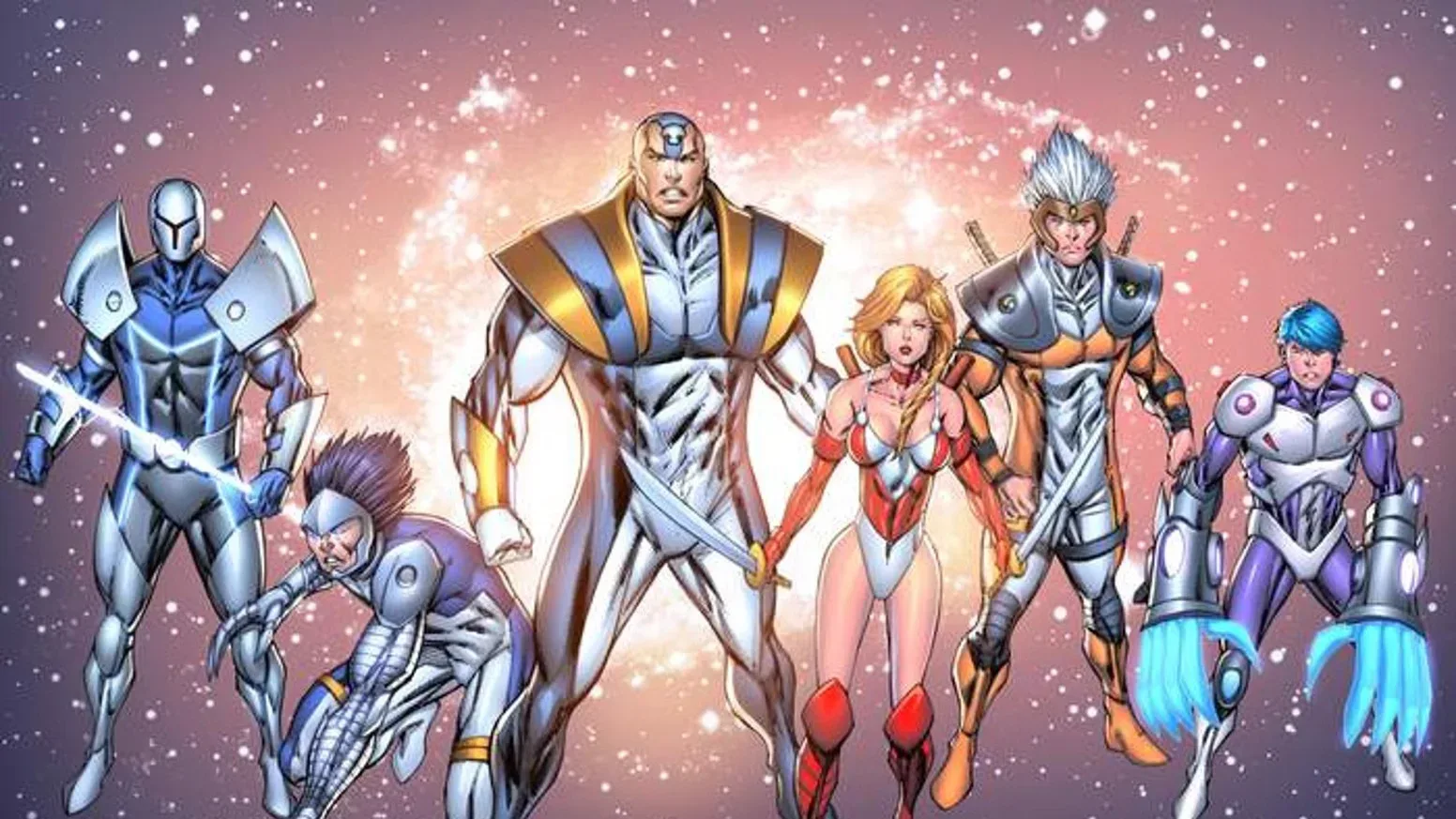
The original campaign launched in 2013 with a $17,500 goal. Its pitch was unusually reader-facing: fund a reimagined Brigade comic and distribute free copies to comic shops, aiming to introduce the property to a wider audience. The proposed story was larger in scale than a straightforward team reboot, centring on threats to the timestream. Battlestone would lead a varied group of operatives against a villain called the Imperator.
The idea drew inspiration from an earlier free-comic initiative involving Cyber Force. It also arrived with a broad reward structure. The 562 backers who pledged helped the campaign reach $35,343, more than double its initial target, and reward tiers included signed variants, exclusive covers, swag bags, hardcovers, screenplays, original art and personal interactions with Liefeld. Delivery was anticipated around October 2013.
In crowdfunding language, fulfilment means the process of producing and delivering every promised reward. It is broader than printing a comic. A campaign with different editions, signatures, original art and merchandise has to coordinate production, packaging, addresses, postage and communication across multiple reward tiers. A project can therefore produce some books and still remain unfulfilled for a substantial number of backers.
That distinction is essential here. Copies of later Brigade material were produced and some supporters did receive books. Yet many people who backed the 2013 campaign have continued to say they received no reward at all. The initial vision of wide free distribution to shops also did not materialise in the originally described form.
Rewrites, rights issues and a different Brigade
The project’s path changed repeatedly. Updates over the years referred to creative revisions, production difficulties, colourist changes and rights issues. Liefeld later said he no longer held publishing rights for certain Youngblood-related characters. He said he was redrawing elements to avoid infringement, a process that helped shift the project into Brigade: Extreme Forces.
That detail explains why a comic campaign can become more complicated after money is raised without settling the central question for a backer: when will the reward arrive? Publishing rights are the permissions needed to use particular characters or material in a new work. If planned characters cannot be used, a story may need to be revised, pages may need to be redrawn, and a book’s identity can change. Those are real creative and logistical obstacles. They do not, however, erase the expectations created by a campaign’s original reward descriptions and projected timeline.
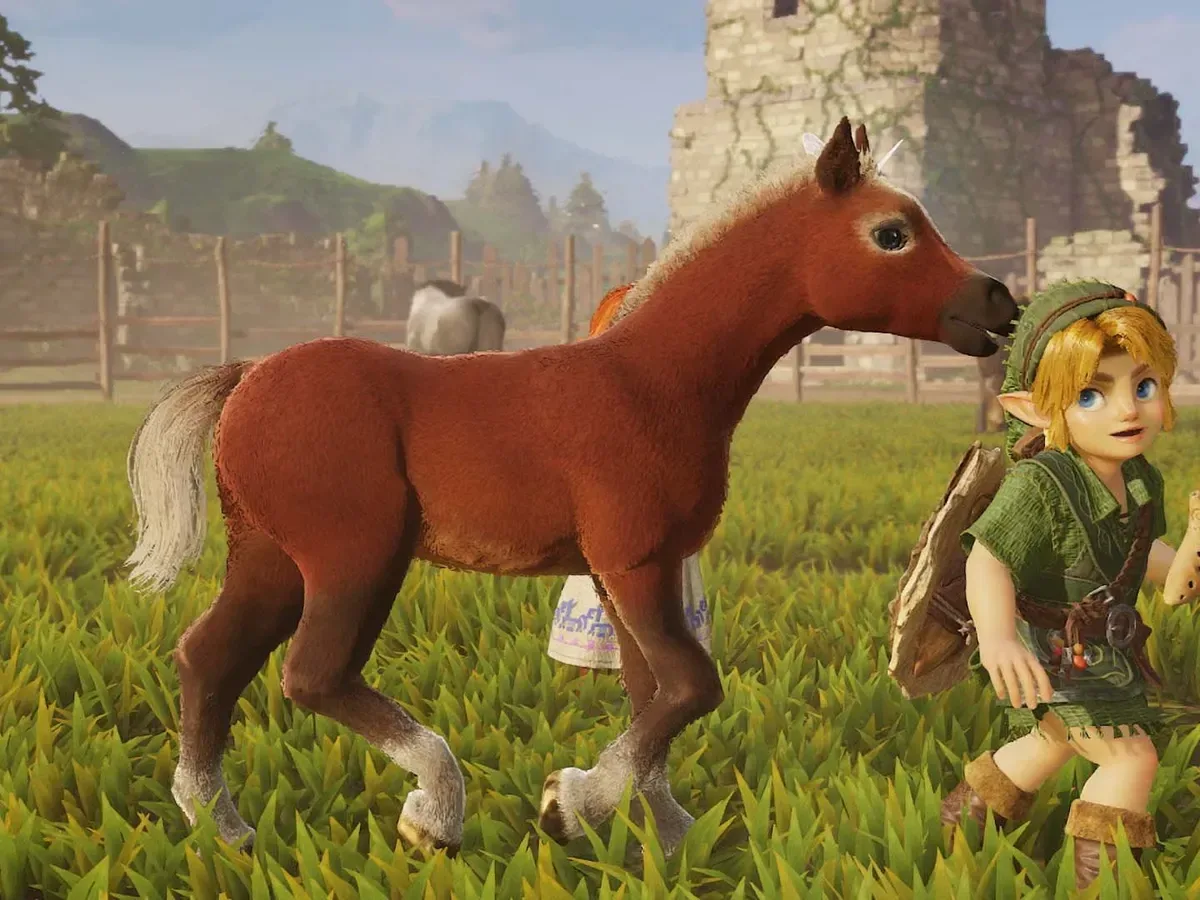
There is a broader legal and creative context to that friction. Projects built around established fictional worlds often depend on precisely defined ownership and licensing arrangements. Fan projects face their own limits as well, especially when they use recognizable characters and branding. The fast-moving arguments around tools connected to a classic Nintendo game show how quickly questions of intellectual-property control can overtake a creative community’s plans; Nintendo’s dispute involving an Ocarina of Time PC tool is another reminder that the technical or artistic act of making something does not by itself determine what can be officially distributed.
Brook and Goodman’s comic should therefore be understood as a limited fan work, not evidence of an official Brigade publishing arrangement. Its title, Amateur Edition, is especially pointed in that context. It signals a knowingly unofficial, small-scale response rather than an attempt to present the book as the long-delayed campaign product.
A second crowdfunding push and partial delivery
In 2018, a related Indiegogo campaign was launched to allow additional people to participate in the newer Brigade material. It raised approximately $11,043 from 200 backers. Its rewards concentrated on signed copies and variant editions.
A limited edition of Brigade: Extreme Forces then appeared as a New York Comic Con exclusive in October 2019, with variants sold at the event. At the time, the stated intention was that backer copies would ship first. This establishes an important factual point: physical books were made, and some supporters received copies through the Indiegogo campaign or later shipments.
But printing a book is not the same thing as closing the ledger on a crowdfunded project. Public comments attached to the Kickstarter still contain a large number of complaints from people saying they did not receive their promised items. Later updates continued into 2024, including notice that a 170-page Brigade hardcover had arrived and would start shipping. Even after that update, commenters continued to report missing rewards.
The available record describes a mixed outcome rather than a simple all-or-nothing one. Some books reached some people; many other supporters say they were left without comics, higher-tier items, refunds or meaningful communication. Liefeld has offered refunds and, in some cases, provided them to people who complained. Others say they have received neither a refund nor their rewards. The issue is best framed as one of crowdfunding accountability and incomplete fulfilment, rather than making a claim of criminal conduct unsupported by the known facts.
Why the Amateur Edition lands differently
Brook was 11 when the first campaign began and is now 24. That generational detail helps explain why this situation has lingered in comic fandom. The crowdfunding pitch was not merely a transaction for existing collectors; it was a highly visible attempt to bring an early Image Comics superhero team to new readers. For a young fan, it could represent a promised doorway into a favourite creator’s universe. More than a decade later, the project has become an example of how a campaign’s reputation can outlast its original marketing.
Battlestone: Hubris approaches that history through participation rather than a lengthy argument. Brook wrote the book and Goodman drew it. The comic has been described as professionally designed and printed, a notable contrast with its self-effacing “Amateur Edition” label. The title also carries a sharp implication: hubris conventionally means excessive pride or overconfidence, making it an apt word for a fan project responding to an ambitious campaign that grew far beyond its intended schedule.
There is no confirmed plan for a commercial release, digital edition or larger print run. There is also no basis to promise that former 2013 backers will be able to obtain copies. In practical terms, interested readers should not treat the comic as an obtainable substitute for an unfulfilled crowdfunding reward. Its known distribution is so limited that it is closer to a convention-and-community artifact than a product with a normal release channel.
A collectible, but not a solution
The book’s limited circulation gives it an obvious appeal for comics collectors, particularly people interested in fan publishing, convention culture or the history around Brigade. Yet rarity alone should not obscure the more meaningful distinction. A collectible is something that can be sought, traded or preserved; an owed campaign reward is an obligation created by a pledge. One does not settle the other.
That is why the Amateur Edition works best as commentary. It takes an old promise—more Brigade in readers’ hands—and fulfils it on a human scale for a handful of people. It cannot resolve the outstanding questions surrounding the 2013 campaign, compensate every backer who remains empty-handed, or recreate the intended free shop distribution. What it can do is demonstrate that fans have not forgotten the project.
For creators considering crowdfunding, the story also underlines several practical lessons. A campaign’s goal amount is not automatically a complete production budget, particularly when it includes many physical reward types. Major creative revisions should be explained clearly and tied to an updated plan. Rights uncertainties are best resolved before committing to specific characters or editions. And, above all, regular communication matters: even where a project faces genuine complications, silence can turn delay into a lasting breach of trust.
For backers, this is a reminder to separate a campaign’s appealing concept from its delivery risk. Crowdfunding is support for a proposed project, not the same retail arrangement as buying a finished comic from a shop. That does not excuse prolonged non-delivery, but it does explain why production setbacks and rights changes can have consequences far beyond a release date. Campaign pages, updates and comments are worth preserving, particularly when rewards are complex or timelines begin to slip.
As for Brigade (Amateur Edition) #0, its current status is appropriately strange: a polished fan comic, inspired by a delayed official project, distributed in such small numbers that it is almost a rumour. That makes it a fitting artifact of a crowdfunding saga defined by promises, revisions, partial shipments and the stubborn determination of fans to keep making comics anyway.