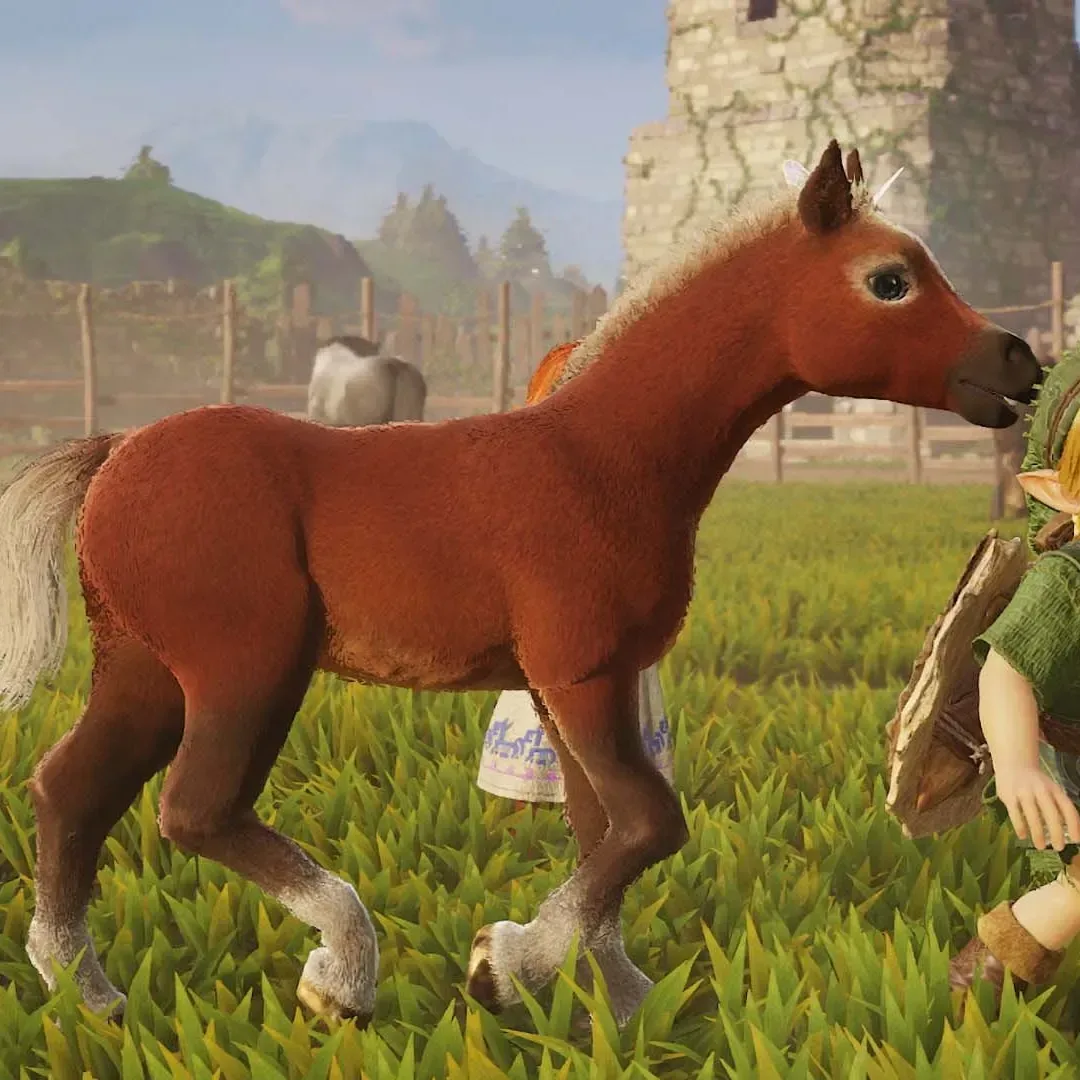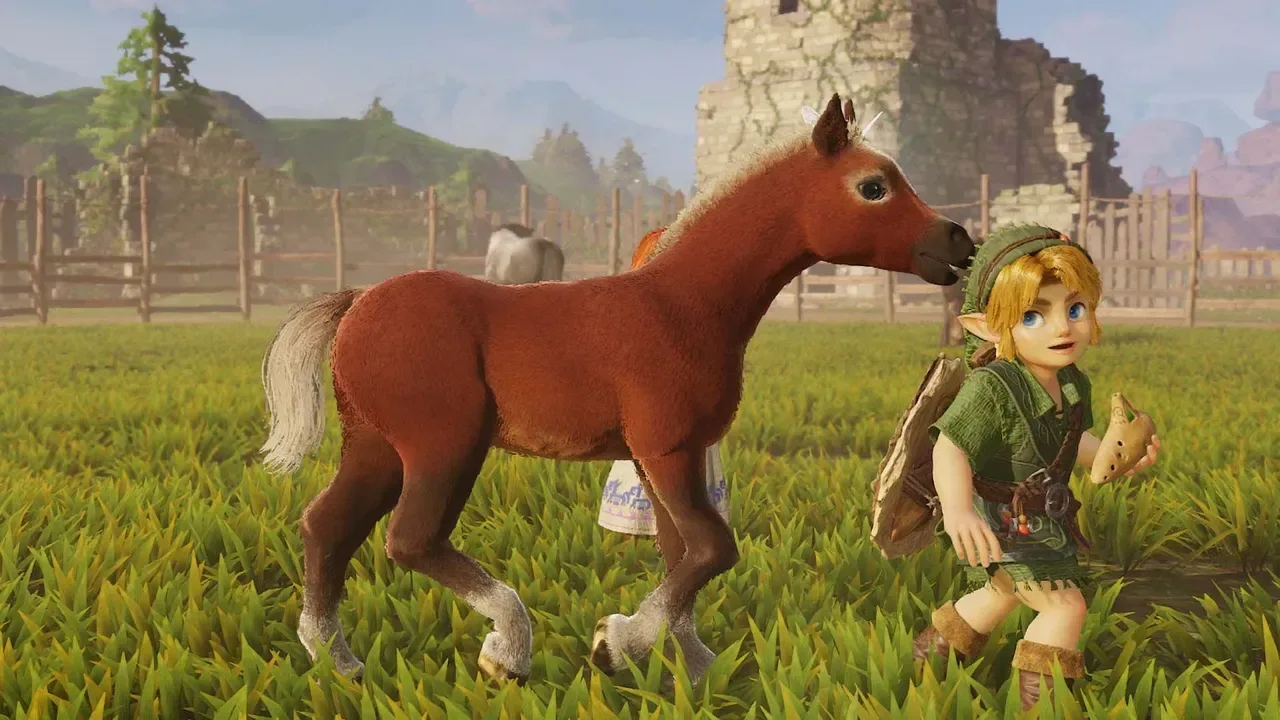
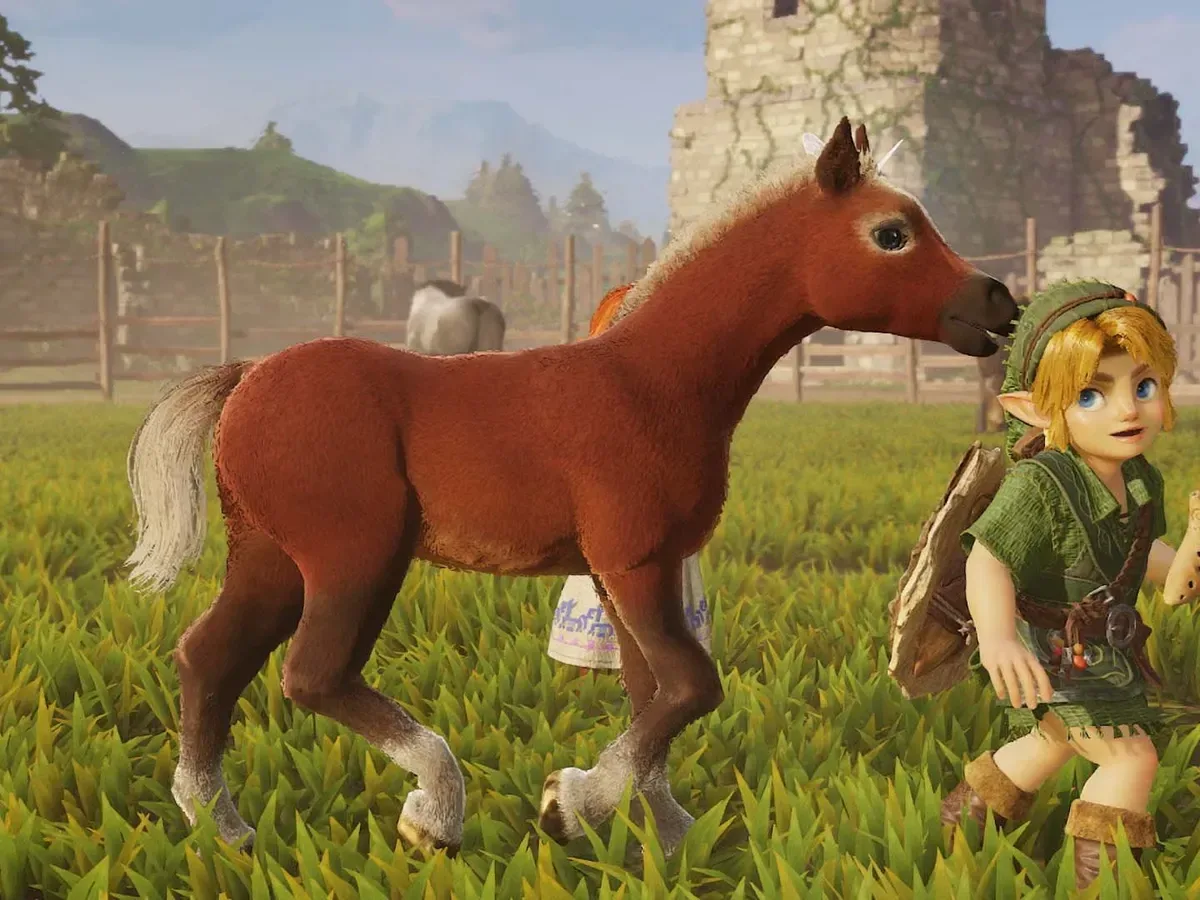
PC tools built around The Legend of Zelda: Ocarina of Time Remake have reportedly emerged with startling speed after the game’s release, including emulator-based options, recompilation projects described as running the game natively, and even an unofficial multiplayer effort. The pace is attention-grabbing, but the more consequential story is the legal one: Nintendo may have several possible routes to challenge these projects, yet the existence of an emulator by itself is not necessarily the decisive issue.
That distinction matters. The available legal analysis points toward a much narrower question than “is emulation legal?” A tool’s development process, whether it contains protected Nintendo material, whether it handles encryption or other technical protections, and how users obtain their game files can all affect the outcome. Buying a game may be relevant, but it does not automatically resolve every copyright, contract, or anti-circumvention question.
For players watching the situation, that means there is no simple all-clear and no automatic prediction that every PC project will disappear. Nintendo has a clear history of enforcement, including its successful action against Yuzu’s developer. But that matter was settled rather than decided at trial, so it did not create a broad ruling that game emulators as a category are unlawful.
Why the labels matter: emulator, recompilation, and “native” PC play
An emulator is software intended to reproduce the behavior of one computing system on another. In this case, it is described as allowing a PC to run software made for Nintendo hardware. A recompilation project, by contrast, is presented as a way to make software run on PC without emulating the console itself. These descriptions can sound like radically different legal categories, but neither label is a legal shield on its own.
Projects associated with the Ocarina of Time remake reportedly tell users to provide their own game files. In practical terms, the software is said not to include the game and therefore cannot operate alone. That setup is central to the argument in favor of emulator developers: a general-purpose program that can run separately supplied material is different from directly distributing Nintendo’s game, art, music, or code.
Legal commentary cited in connection with the dispute emphasizes that long-standing precedent can be favorable to emulators in principle. A 2000 case involving Sony’s unsuccessful challenge to an original PlayStation emulator has been raised as support for the position that console emulation and certain reverse-engineering work can be lawful. Reverse engineering is the process of studying how a system functions in order to create compatible software. It is not synonymous with copying a company’s code or accessing its confidential material.
That favorable starting point has limits. A project can still become vulnerable if it incorporates copyrighted assets, uses a logo inappropriately, relies on stolen trade secrets, or includes functionality that bypasses access controls. In short, an emulator might be a legitimate standalone program in theory while a particular emulator project still presents serious legal problems because of how it was built or used.
The DMCA may be Nintendo’s sharper argument
The biggest legal pressure point described here is the Digital Millennium Copyright Act, usually shortened to the DMCA. Alongside rules governing copyright copying and distribution, the DMCA includes anti-circumvention provisions. Put plainly, it can restrict bypassing technological measures used to control access to copyrighted works, as well as distributing certain tools designed for that bypassing.
Related coverage includes Ocarina of Time Remake PC Tools Draw Nintendo Into a New Emulator Fight.
This is why the debate cannot be settled solely by asking whether a person owns a physical cartridge or digital copy. Ownership of a lawful copy may matter in a factual and legal dispute, but it does not necessarily authorize a user to defeat the console’s technical protections to extract or access game data. It also does not erase questions surrounding reproduction, distribution, or the terms under which software was licensed.
The Yuzu case is the obvious comparison. Nintendo sued Tropic Haze LLC, the Yuzu developer, and the dispute ended in a settlement that included a $2.4 million payment in Nintendo’s favor. The core allegation discussed in the supplied legal analysis concerned decryption of game files at or immediately before runtime with Nintendo Switch-derived cryptographic keys. Cryptographic keys are pieces of security information used in encryption systems; using or obtaining them can be central to whether a process is characterized as circumventing protection.
That history gives Nintendo an enforcement playbook, but it does not automatically answer the question for tools now associated with the Ocarina of Time remake. One legal view is that the current situation may turn on whether a tool itself circumvents a protection, rather than merely plays a file that has already been decrypted elsewhere. That is a potentially important factual distinction, but it is not a finding that such files or workflows are lawful. The legality of acquiring, preparing, sharing, and using game files can involve separate questions.
Another complication is the reported relationship between the new emulator Lichii and Yuzu-derived work. Reusing code from Yuzu is not, on its face, enough to make a successor tool unlawful. Still, if the new project retains functions Nintendo previously challenged, that connection could give Nintendo a basis to make familiar claims. The Yuzu settlement also creates uncertainty rather than a clean precedent, because no trial judgment settled the broader legal status of emulators.
AI assistance adds speed, not a legal exemption
The unusually fast arrival of these PC projects has been linked to AI-assisted development. Large language models, or LLMs, can be used to help generate, explain, or revise code. That could reduce the time required to assemble software, which helps explain why projects framed as native PC ports or emulation tools can circulate so quickly.
But AI assistance does not decide the legal question. The relevant concerns remain recognizable: Did developers copy protected material? Did they use confidential information? Did the software include Nintendo assets? Did its functionality circumvent technological protection measures? A tool made with AI could be developed independently and still invite a dispute over the way it accesses a protected game. Equally, a claim of AI involvement does not demonstrate unlawful copying by itself.
There are also practical reasons for caution that sit outside the copyright debate. The reported rush of AI-assisted ports has brought mixed results and concerns over safety. Players should not treat a high-profile game name or a claim that software is “native” as a security review. Unofficial downloads can introduce ordinary PC risks, including unverified files and unclear provenance. The legal status and technical safety of a project are different questions, and a favorable argument on one does not establish the other.
That wider AI-development tension has been visible elsewhere in games, including the debate around AI-free LSD:FIH’s place in Epic’s AI MegaJam vote. Here, though, the immediate issue is less about whether coding assistance is artistically desirable and more about the origins and technical behavior of the resulting software.
What users should understand about licences and EULAs
The player side of the dispute is less settled than a slogan such as “I bought it, so I can do what I want with it” suggests. Nintendo Switch 2 users are described as agreeing to an end-user licence agreement, or EULA. A EULA is a contract setting terms for use of software or hardware. Terms of service can perform a related role for services and accounts.
One view offered in the legal discussion is that a EULA remains “words on a page” until Nintendo actually seeks to enforce it through court or arbitration, where it may encounter substantial hurdles. That analysis also notes a practical possibility: someone might obtain hardware for reverse-engineering purposes without having agreed to a particular EULA.
Other legal views point the other way. They stress that bypassing DRM protections may be infringement-related regardless of a user’s intent to play a game they purchased. DRM, or digital rights management, refers to technical systems used to regulate access to digital content. These commentators also argue that decompiling code for this purpose may breach Nintendo’s EULA or terms, potentially permitting Nintendo to cancel the licence it granted.
The key practical lesson is uncertainty. A physical purchase and a digital purchase may be different experiences for consumers, but neither purchase necessarily gives blanket permission to bypass technical protections. The method used to access the game data, the tool’s features, and whether material is ever copied or shared are all relevant.
Videos, tutorials, and takedowns are their own battleground
The situation extends beyond software repositories. Videos showing the remake operating on PC have reportedly begun to receive YouTube copyright removals. Such takedowns do not, by themselves, establish a final court ruling on any emulator’s legality. They do show that Nintendo can apply pressure through platform enforcement while wider questions remain unresolved.
Instructions can also be more complicated than basic commentary. Explaining how software works, examining its design, or discussing an emulator in general is not automatically unlawful. However, distributing a tool or highly specific instructions intended to defeat technological protections can raise additional DMCA concerns. The boundary is fact-dependent, so a tutorial’s details matter far more than its title.
This makes public visibility a risk factor for projects and creators. Nintendo may investigate not only an emulator’s core code but surrounding conduct: included assets, alleged trade-secret use, branding, hosted downloads, instructional material, and uploaded gameplay. A project that avoids one alleged problem is not necessarily insulated from every other form of enforcement.
What comes next is a facts-first fight
Nintendo is likely to object aggressively to rapid PC access to a newly released remake, particularly where unofficial multiplayer has reportedly followed within days. From a commercial perspective, the company has every incentive to protect its platform controls and sales plans. Yet legal experts’ differing views underline the central point: success would depend on evidence about the specific software and workflow, not merely the word “emulator” on a download page.
The major questions are straightforward to state, even if they may be difficult to prove: Was Nintendo material embedded in a tool? Were trade secrets used? Does the software decrypt files or otherwise circumvent protections? Does it rely on functionality already at issue in the Yuzu dispute? Are creators distributing protected game material or tools tailored to bypass access controls?
Until those facts are established in a specific dispute, sweeping claims from either side should be treated carefully. The reported takedowns demonstrate that Nintendo can act quickly on platforms. The older Sony litigation and the absence of a Yuzu trial verdict mean that broad claims that emulators are inherently illegal are also too simple. For developers, creators, and players, the immediate reality is a technical and legal gray area where the details of each tool can matter more than the headline label attached to it.