Nintendo has launched a new round of DMCA takedown action on GitHub, targeting repositories connected to Nintendo Switch emulators Yuzu and Citron Neo as well as firmware used with Switch mod chips. Four notices were issued in total, and the most extensive apparent result concerns firmware linked to hardware modification: 144 repositories for that firmware were removed and replaced with GitHub’s DMCA takedown notice.
The enforcement action matters because it spans more than one familiar emulation repository. Nintendo’s complaint reaches both software that can emulate Switch hardware and code intended to operate alongside physical console modifications. Those are related parts of the broader circumvention ecosystem, but they are not interchangeable technologies—and Nintendo’s public explanation emphasizes the copy-protection issue at the center of its complaint.
What Nintendo says the notices address
A DMCA notice dated November 6 and published by GitHub describes Nintendo Switch consoles and games as using technological protection measures, often shortened to TPMs. In this context, those are systems intended to ensure that the console interacts with legitimate Nintendo game files.
“The Nintendo Switch console and video games contain technological protection measures (‘TPMs’) that permit the Nintendo Switch console to interact only with legitimate Nintendo video game files.”
Nintendo’s notice argues that these measures protect its copyrighted games by preventing pirated copies from being played on Switch hardware and by preventing unlawful copying and play on unauthorized devices. That framing is significant: the claim is not presented simply as a dispute over an individual game file or a single upload. It is an argument that the targeted tools and firmware can be used to defeat protections surrounding the platform and its software.
DMCA, short for the Digital Millennium Copyright Act, is a United States copyright law whose takedown process allows rightsholders to ask online hosts to remove allegedly infringing material. GitHub’s replacement of the affected pages with a DMCA notice indicates that the host acted on the complaint. It does not, by itself, settle every wider legal or technical question surrounding emulation, hardware modification, or the possible uses of a given project.
The mod-chip firmware appears to be the largest part of the sweep
The most concrete reported number from this action is 144 repositories removed in connection with a particular mod-chip firmware project. A repository is a project space on GitHub that can contain code, documentation, version history, and related development materials. Removing a repository can therefore take down not just a single file but a visible distribution point and its surrounding record of changes.
Mod chips such as Picofly are physical devices that can be soldered to a Nintendo Switch mainboard. Firmware is the low-level software flashed onto such hardware so that it can perform its intended functions. Nintendo’s complaint treats this combination as a route around the Switch’s copy protection.
Related coverage includes Nintendo Targets Switch Emulator Forks and Mod Chip Firmware in New GitHub DMCA Action.
That distinction is useful for readers trying to understand the scope of the action. An emulator is software designed to reproduce the behavior of another system on different hardware. Mod-chip firmware, by contrast, is code for a hardware modification installed inside the original console. Both can be connected to arguments over unauthorized copies or protection circumvention, but their technical roles differ substantially.
The removal of 144 repositories also illustrates why enforcement frequently becomes a question of copies and forks. On a code-hosting platform, developers can duplicate a project into a separate repository, commonly called a fork. A project can consequently exist in numerous locations even after a prominent original listing is removed. The scale of this particular firmware removal suggests Nintendo sought to address a broad cluster of repositories rather than a lone page.
Yuzu and Citron Neo are also named
Nintendo’s notices also target Yuzu and Citron Neo, two names associated with Switch emulation. The move is another example of Nintendo pursuing emulator-related material on GitHub, an approach the company has taken before.
In 2024, a prior action aimed at 12 mirrors of Yuzu was reported to have led to the removal of roughly 8,500 copies of the emulator. A mirror is another hosted copy of the same project or its files. That earlier episode offers context for the new sweep: removing a central repository may not remove every instance of code that has already been copied, so enforcement can expand to forks, mirrors, or associated projects.
The new notices may therefore prove to be one stage of a larger effort rather than a clean endpoint. Some of the mod-chip firmware reportedly remained available elsewhere on GitHub even after the 144 associated repositories were removed. That does not establish whether those remaining listings will receive notices, but it does show the practical limitation of repository-by-repository takedowns when software has been replicated.
Why the timing has drawn attention
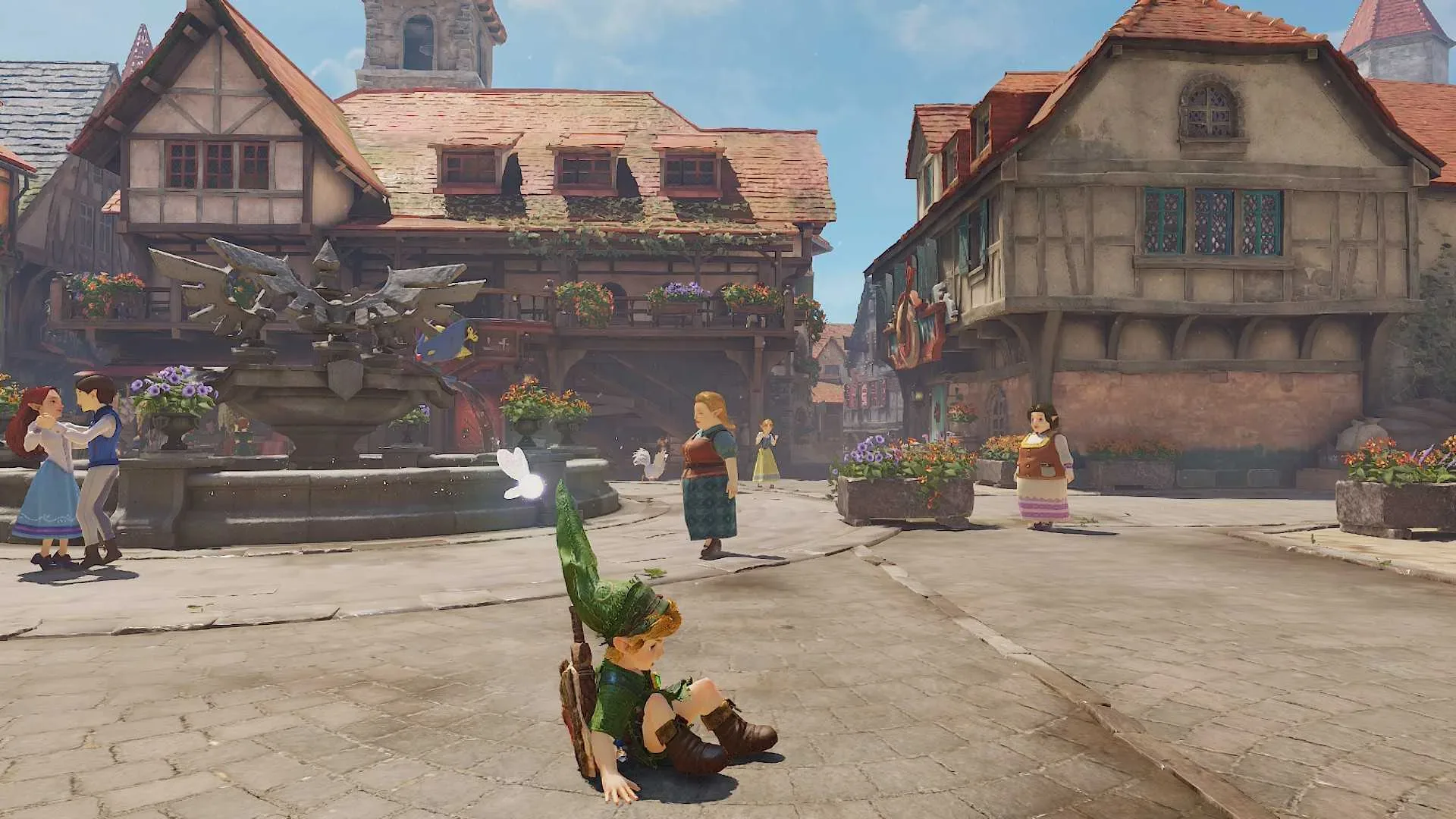
The action arrives shortly after emulators were able to run a remake of The Legend of Zelda: Ocarina of Time on PC. For additional context on that project’s performance observations, see this report on the Ocarina of Time remake’s movement testing.
It is not possible from the available information to state that this game’s PC emulation directly caused Nintendo’s notices. The documented notices encompass emulator projects and mod-chip firmware, while Nintendo’s stated rationale centers on technological protections and unauthorized copies. Still, the proximity of the events highlights a continuing tension: higher-profile examples of unreleased or newly released Nintendo software running outside intended hardware can bring renewed attention to the tools that enable it.
For players, the immediate practical takeaway is simple. GitHub pages once used to locate certain emulator forks or firmware may now display a takedown message instead, and links can become unreliable as repositories are removed, duplicated, or relocated. A removed GitHub listing does not necessarily mean a project has ceased to exist; it means that particular hosted repository has been disabled following the platform’s copyright process.
Emulation, circumvention and AI are overlapping more often
The story also lands during a period in which game-rights disputes are extending beyond conventional emulators and mods. AI-generated game mashups have recently circulated widely, and developers have pursued removals involving AI-made projects and unauthorized browser-based versions of commercial games. Anthropic also introduced a restriction intended to stop Claude from directly copying games.
These developments should not be collapsed into one category. A traditional emulator, a hardware mod chip, an AI-generated port, and a browser-hosted game can have different code, distribution methods, ownership questions, and alleged legal issues. What connects them is the increasing ability to reproduce, modify, translate, or run game experiences outside the formats authorized by the original rights holder.
That overlap has practical consequences for platform operators as well as players and developers. Code hosts must assess takedown requests for repositories. AI companies must decide what guardrails to place around software-generation tools. Rights holders must choose whether to focus on a specific file, a project’s mirrors, supporting firmware, or a more expansive collection of related repositories. Nintendo’s current GitHub action appears notable precisely because it reaches across several of those technical layers at once.
What the GitHub removals do—and do not—show
The removals demonstrate that Nintendo is actively using copyright enforcement mechanisms against Switch-related code and firmware hosted on GitHub. They also show that its present focus includes hardware-modification firmware in addition to emulator names that have drawn prior scrutiny.
They do not, on their own, establish that every possible use of emulation software is the same, that all surviving repositories are safe from future action, or that a takedown has permanently erased a project from the internet. GitHub repository removals can reduce discoverability and eliminate a major development hub, but copied code can persist in other places. The earlier removal of thousands of Yuzu copies shows why mirror networks remain central to enforcement efforts.
For now, the clearest picture is a broad Nintendo effort directed at Switch emulation-related repositories and a substantial mod-chip firmware footprint. With 144 firmware repositories removed, Yuzu and Citron Neo named, and Nintendo explicitly citing the Switch’s technological protection measures, this is more than a routine single-link complaint. It is a pointed reminder that the company continues to pursue the infrastructure it says enables the bypassing of its console protections.