Nintendo has scheduled a new Indie World showcase for October 28, promising a compact look at independent games planned for its handheld platforms. The presentation is set to begin at 7 a.m. Pacific / 10 a.m. Eastern and is expected to run for roughly 15 minutes.
That is a small slot on the calendar, but it is also a useful one. Nintendo’s Indie World presentations are dedicated to games made outside the publisher’s first-party studios, rather than the Mario, Zelda, Pokémon, or other major Nintendo series that normally dominate the company’s biggest broadcasts. A short show means expectations should be calibrated accordingly: this is not necessarily a venue for a giant platform-wide roadmap, but it can provide release updates, new platform confirmations, and a concentrated run of projects that might otherwise be easy to miss.
When the Indie World showcase airs
- Date: October 28
- Start time: 7 a.m. Pacific / 10 a.m. Eastern
- Length: Approximately 15 minutes
- Focus: Independent games coming to Nintendo’s handheld consoles
For viewers outside those U.S. time zones, the important practical point is that the event is an early-morning stream in North America and brief enough to catch later without setting aside a large block of time. Nintendo has promoted the presentation through its Nintendo Today app.
What “Indie World” means in Nintendo’s presentation lineup
Indie World is Nintendo’s label for a presentation centered on independent developers and publishers. “Indie” is a broad term rather than a statement about a game’s budget, genre, visual style, or team size. In this context, it identifies the programming focus: games outside Nintendo’s internally developed first-party output.
That distinction matters because a Nintendo presentation can mean very different things depending on its format. A general Nintendo Direct can cover games from Nintendo and outside partners across a wide range of systems and genres. An Indie World is narrower by design. It gives projects from smaller or independent teams a dedicated stage, often bundling trailers and availability information into one fast-moving package.
The stated focus on handheld consoles also leaves room for several kinds of news without guaranteeing any particular one. A game could be newly revealed for Nintendo hardware, receive a release window, get a confirmed launch date, or simply return with a new trailer. The announcement does not identify participating developers or titles, so any specific game prediction would be speculation.
A short runtime changes the viewing strategy
Fifteen minutes is enough time for a dense presentation, not a deep dive. That generally favors quick trailers, short updates, and a succession of individual game announcements over extended gameplay demonstrations. It also means the most useful way to approach the showcase is to watch for concrete details: platform naming, release timing, whether a title is arriving on one or more Nintendo handhelds, and whether a trailer establishes what type of game it is.
For players who follow independent releases closely, the value is not solely in the largest surprise. A brief showcase can make a crowded upcoming-games list easier to navigate by putting several projects in one place. It can also clarify which games are actually confirmed for Nintendo hardware, a meaningful distinction when trailers and social posts often circulate without clear platform context.
Related coverage includes Nintendo Schedules 15-Minute Indie World Showcase for October 28.
There is a collector-minded angle, too, although it should remain separate from the software news itself. A digital-game announcement does not automatically imply a physical edition, special packaging, or any other collectible release. Anyone interested in boxed copies or limited runs should wait for explicit publisher details rather than assume a showcase appearance settles that question.
The March presentation offers the clearest recent reference point
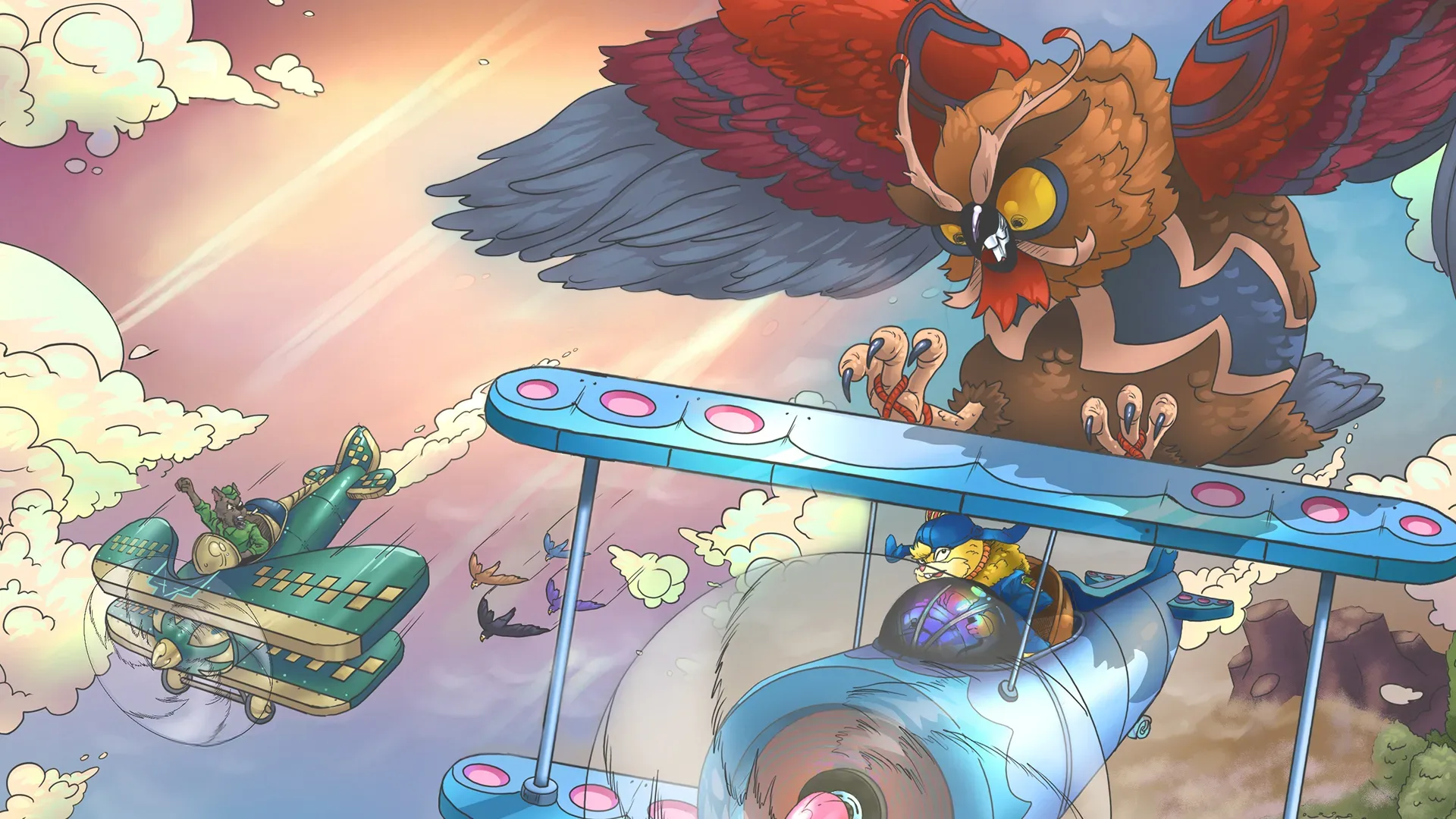
Nintendo’s previous Indie World showcase took place in March. Despite also being short, it included appearances from Denshattack! and Mixtape. Those examples are a sensible reminder of what this format can accomplish: spotlight games that may have very different ideas and audiences, while leaving the broadcast enough room to move quickly from one announcement to the next.
They are not evidence that either game will return on October 28, nor do they establish what this new presentation will contain. Instead, they provide the most grounded indication of the programming style viewers can expect: a selective assortment rather than a single-theme event, presented at a brisk pace.
What has and has not been confirmed
Confirmed details are straightforward. Nintendo has an Indie World presentation planned for October 28; it begins at 7 a.m. Pacific and 10 a.m. Eastern; it is expected to last about 15 minutes; and it will concern independent games for Nintendo’s handheld ecosystem.
What remains unconfirmed is just as important. There is no supplied title list, no confirmed release dates, no stated count of games, and no indication of whether the show will emphasize near-term launches or projects further down the line. There is also no basis yet to claim exclusivity, surprise drops, ports, demos, price information, or physical releases for any particular game.
That uncertainty is normal ahead of a presentation like this. It is also why a measured watchlist is more useful than a prediction sheet. Keep an eye on the names, platforms, and timing disclosed during the stream, then judge each announcement on the specifics attached to it.
Why these showcases still matter
Indie showcases serve a practical discovery role. Big-budget games often arrive with long marketing cycles and repeated appearances, while smaller projects can have fewer opportunities to reach players beyond dedicated genre communities. A focused Nintendo event can introduce several games to an audience already interested in portable play, even when the individual titles differ sharply in tone and mechanics.
For Nintendo players, that portability context is part of the appeal. The announcement describes games headed to the company’s handheld consoles, placing the emphasis on where players will be able to take them rather than on a broader industry release schedule. Whether any individual game uses that hardware especially well is something that will need to be assessed after Nintendo shares more than the event’s basic outline.
The October 28 broadcast should therefore be treated as a concise information drop, not a promise of a particular blockbuster. Fifteen minutes can still produce a healthy list of games worth tracking, especially if Nintendo uses the format to pair reveals with dates and clear platform details. Until the stream airs, the only reliable expectation is the format itself: a short Nintendo spotlight for independent games, arriving early in the morning and moving quickly.
For more Nintendo-related game news with confirmed dates and service information, see our coverage of Pokémon Unite’s planned end-of-service timeline and offline library.