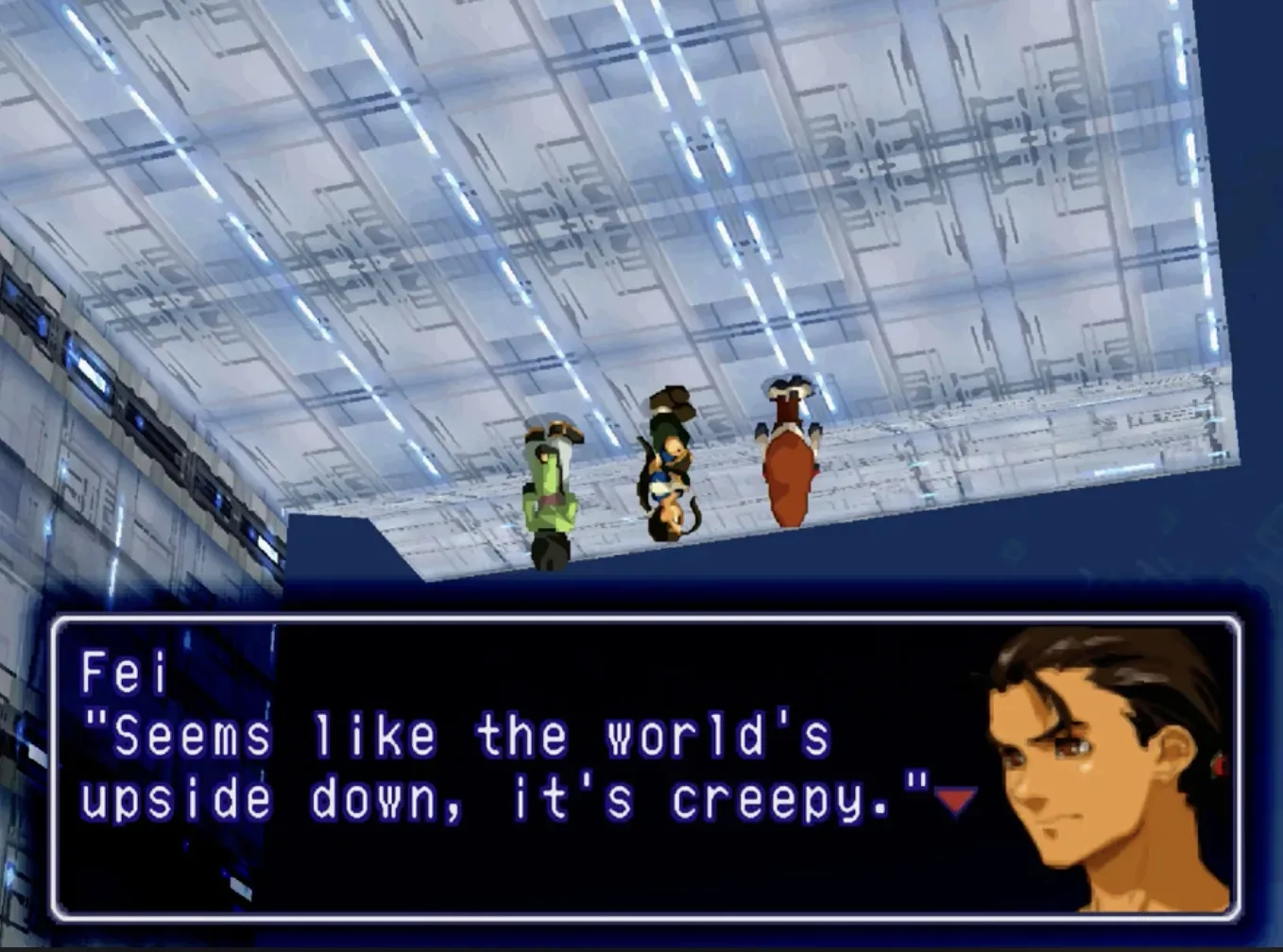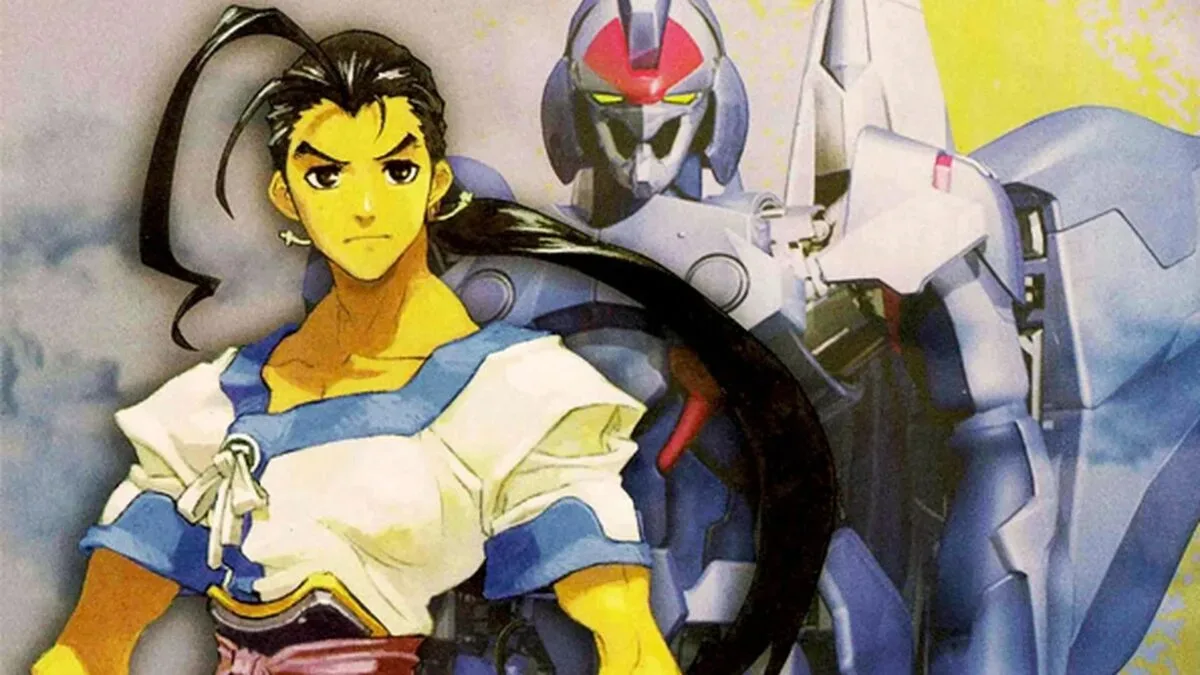
Xenogears remains an awkwardly important absence from modern game libraries. The PlayStation RPG has not received a current-platform release, and its existing digital availability is tied to older PlayStation storefronts scheduled to close in 2027. That puts a long-running fan question into sharper focus: is there a realistic route back for Xenogears, whether as a remake, remaster, or straightforward port?
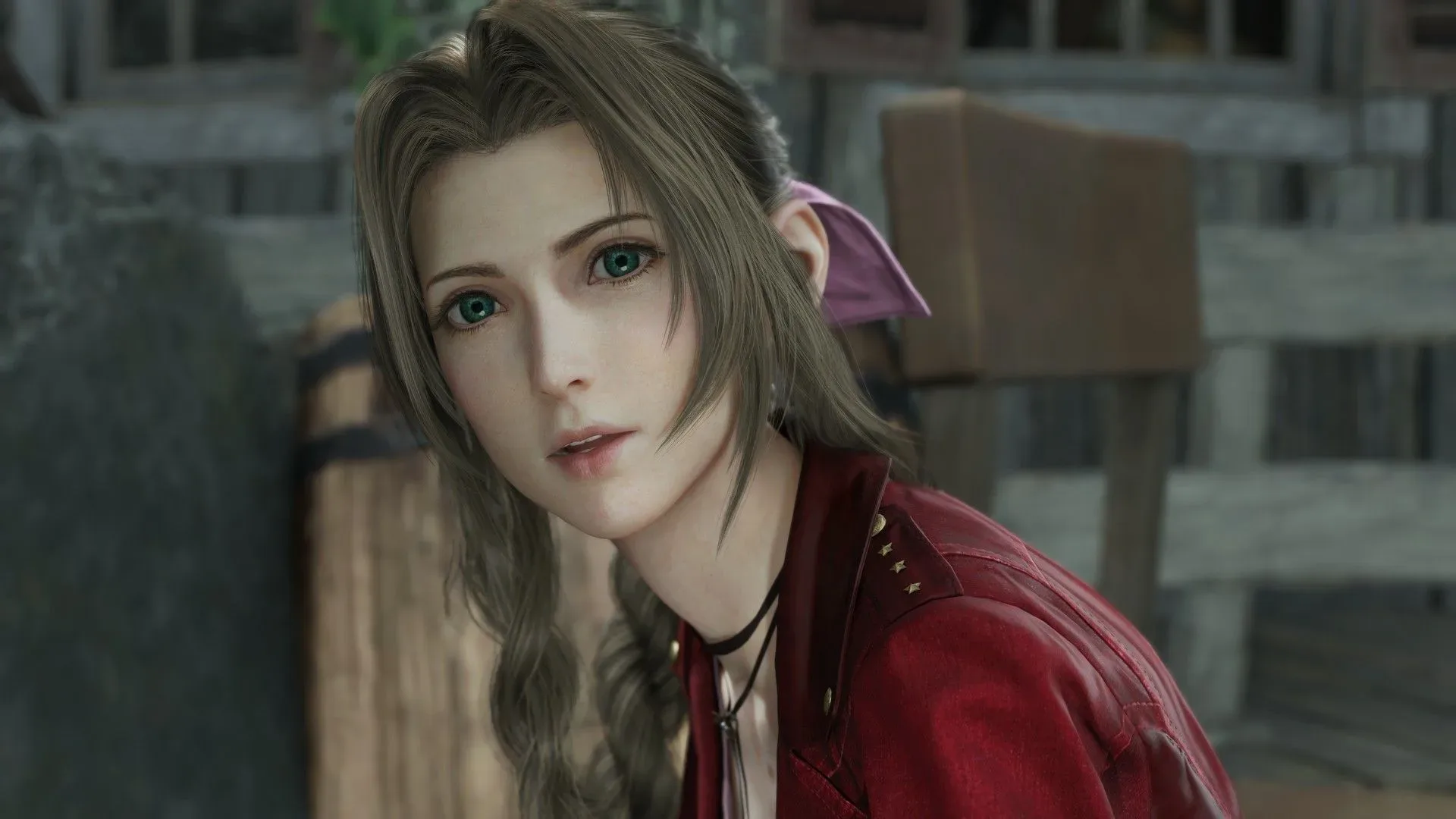
Recent comments from Naoki Hamaguchi, director of Final Fantasy VII Revelation, do not amount to an announcement or even a hint that a project is in development. If anything, they offer a sober reminder of why a lavish reinvention of a game from this period could be difficult. Asked about the prospect, Hamaguchi said he remembered playing Xenogears when it originally launched, but had not revisited it since. Drawing on his experience with the Final Fantasy VII Remake project, he described remaking a game of that era as a tough undertaking.
That is a sensible assessment, and one that should not be mistaken for a definitive “no.” Hamaguchi did not say Square Enix has ruled out Xenogears, nor did he outline any internal plans. His answer instead highlights the gap between fan desire for a definitive revival and the scale of work often implied by the word remake.
A small reference, not a revival signal
Xenogears has a historic connection to Final Fantasy VII: it emerged from a proposal connected to the earlier game, and an allusion to Xenogears appeared there. A Xenogears reference is also present in Final Fantasy VII Revelation. Hamaguchi said he had not known it was included and suggested it was likely added as a playful touch by Kazushige Nojima or Motomu Toriyama, both of whom were involved with the original Final Fantasy VII.
It is easy for fans to treat recurring references as tea leaves. In practice, an Easter egg is most safely read as an affectionate nod from creators with history, not as a corporate roadmap. The distinction matters. A reference can keep a legacy visible; it does not resolve rights, staffing, budget, platform strategy, or the formidable task of deciding what a newly rebuilt Xenogears should actually be.
That lack of a concrete signal is frustrating precisely because Xenogears has endured as more than a footnote. Its reputation is complicated, but durable: a game praised for ambitious storytelling and memorable systems while also criticized for unevenness—especially its second disc, which is widely remembered for presenting much of its material in a visual-novel-like format, punctuated by boss battles.
Why “remake” is a much bigger request than it sounds
In game preservation conversations, “remaster,” “port,” and “remake” are frequently used interchangeably. They describe very different levels of intervention.
- A port brings the existing game to new hardware, ideally with modern controller support, display options, stability improvements, and sensible accessibility features.
- A remaster generally retains the original game’s structure while improving presentation or compatibility. The exact scope varies widely, from modest cleanup to extensive asset work and interface changes.
- A remake rebuilds a game more fundamentally. It can mean new art, systems, voice work, environments, scene direction, combat design, and sometimes expanded or restructured narrative content.
For Xenogears, the last option is especially loaded. The game’s celebrated ideas and its famously compressed later stretch mean a full-scale remake would immediately confront a creative choice: preserve the original shape, including its rough edges, or substantially reconstruct it. Neither direction is simple. A faithful approach could retain the pacing problem audiences debate most. A more expansive approach could invite questions about authorial intent, story changes, and how much of the original identity survives.
Related coverage includes Xenogears Remake Prospects Look Complicated as Square Enix Director Reflects on the PS1 Classic.
That is before considering the broader production burden suggested by Hamaguchi’s comments. The modern Final Fantasy VII project illustrates that revisiting a landmark PlayStation-era RPG at blockbuster scale is not a quick graphics upgrade. It is a sustained, resource-heavy reinterpretation. Reports that a similarly comprehensive treatment of Final Fantasy VI could take more than a decade reinforce the basic point: the highest-profile remake model is not automatically practical for every beloved game in a publisher’s catalog.
Xenogears also lacks the mainstream recognition enjoyed by Final Fantasy VII, even though it holds a passionate cult following. That does not diminish its artistic standing; it changes the commercial calculation for a project that could demand years of development.
Tetsuya Takahashi and the complicated Xeno lineage
The series context adds another complication. Xenogears director Tetsuya Takahashi now leads Monolith Soft, the Nintendo-associated studio behind the later Xeno lineage. He has continued to develop science-fiction RPG stories across multiple hardware generations and narrative arcs.
For many fans, his involvement would feel essential to any major Xenogears return. That feeling is understandable: a remake that meaningfully revisits a game with such an unusual narrative ambition would benefit from a clear connection to the creative perspective that shaped it. But wanting that connection is not the same as proving it can happen.
A major collaboration would need to align Square Enix, Monolith Soft, and Nintendo’s interests, while also accounting for the scope and likely platform expectations of the project. It is possible to imagine such an arrangement in the abstract. There is simply no evidence here that one exists. The same caution applies to speculation around a rumored Nintendo acquisition of Xenosaga rights from Bandai Namco. The rumor may inspire wish lists for a wider Xeno collection, but it remains unconfirmed and should not be treated as a sign that Xenogears itself is moving.
The dream scenario voiced by many enthusiasts is broad: Xenogears and the Xenosaga trilogy gathered for current systems, perhaps alongside a future Xenoblade release. It is an appealing preservation idea, but it combines separate games, corporate relationships, and ownership questions into one very large hypothetical package.
The practical case for a modern Xenogears port
If a full remake is an intimidating proposition, a well-handled HD port or remaster may be the more attainable ask. Such a release could make the original available on current consoles and PC without pretending every issue requires a ground-up reimagining. Its value would be direct: players could legally access the game before the old digital route disappears.
A preservation-minded release should not be dismissed as a consolation prize. For a work with an unusual structure and a committed audience, access is the first requirement for renewed discussion. A port lets newcomers encounter the game as it was made while offering returning players an official, convenient option. It also avoids making a modern reinterpretation the only version people can readily buy and play.
Quality still matters. The uneven record of older-game remasters has made audiences alert to poor typography, careless interface revisions, performance problems, and visual filters that can undermine the original art. The joking plea for a “smoothmaster” reflects a real concern: a technically available release is not automatically a respectful one. Still, an imperfect but competent official version would address the looming access problem more effectively than continued silence.
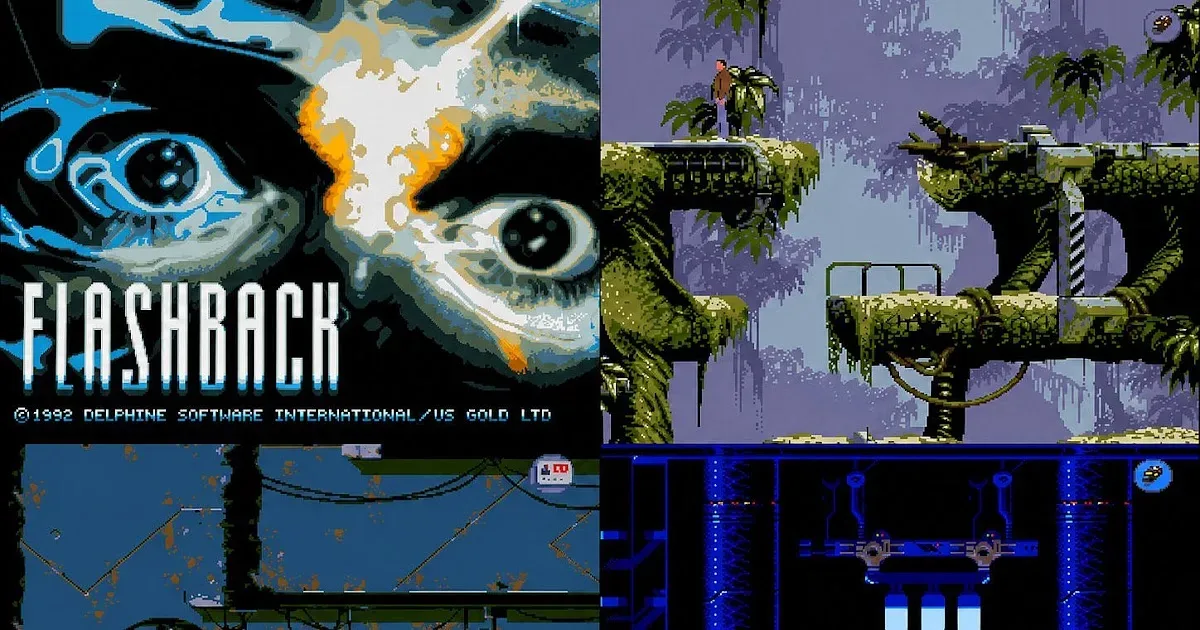
There is precedent for publishers choosing a more targeted route. SaGa Frontier 2 Remastered arrived before any Xenogears update, demonstrating that lesser-profile catalog projects can be revisited, though it offers no guarantee for this particular game. Other preservation efforts show why even a work-in-progress revival of an older title can matter; the ongoing Atari ST port of Flashback is another reminder that compatibility and access remain meaningful news for classic-game communities.
What fans should—and should not—take from the remarks
The clearest reading of Hamaguchi’s answer is modest. A director with experience on an enormous modern remake recognizes that Xenogears would be hard to remake. That observation is credible, but it is not confirmation of a rejected pitch, a rights dead end, or an impending project.
Fans can reasonably distinguish between three hopes. A blockbuster remake is the most ambitious and the least straightforward. An official remaster or port is a narrower, preservation-focused possibility that would solve the immediate access concern. A cross-series Xeno collection is the most expansive fantasy, but also rests on the most assumptions.
Meanwhile, an unofficial PC port effort is underway, reflecting the community’s determination to keep Xenogears playable. It also underscores the central problem: unofficial work may sustain interest, but it cannot replace a properly supported official release for players who want a legal, accessible path onto contemporary hardware.
For now, Xenogears is caught between its continuing influence and its uncertain availability. Its references in new games show that people involved in its broader creative orbit have not forgotten it. Yet a nod is not a product plan, and a difficult remake does not have to be the only option. The most urgent, realistic victory may simply be ensuring that one of the PlayStation era’s most debated RPGs is not left behind when its last official digital storefront route closes.