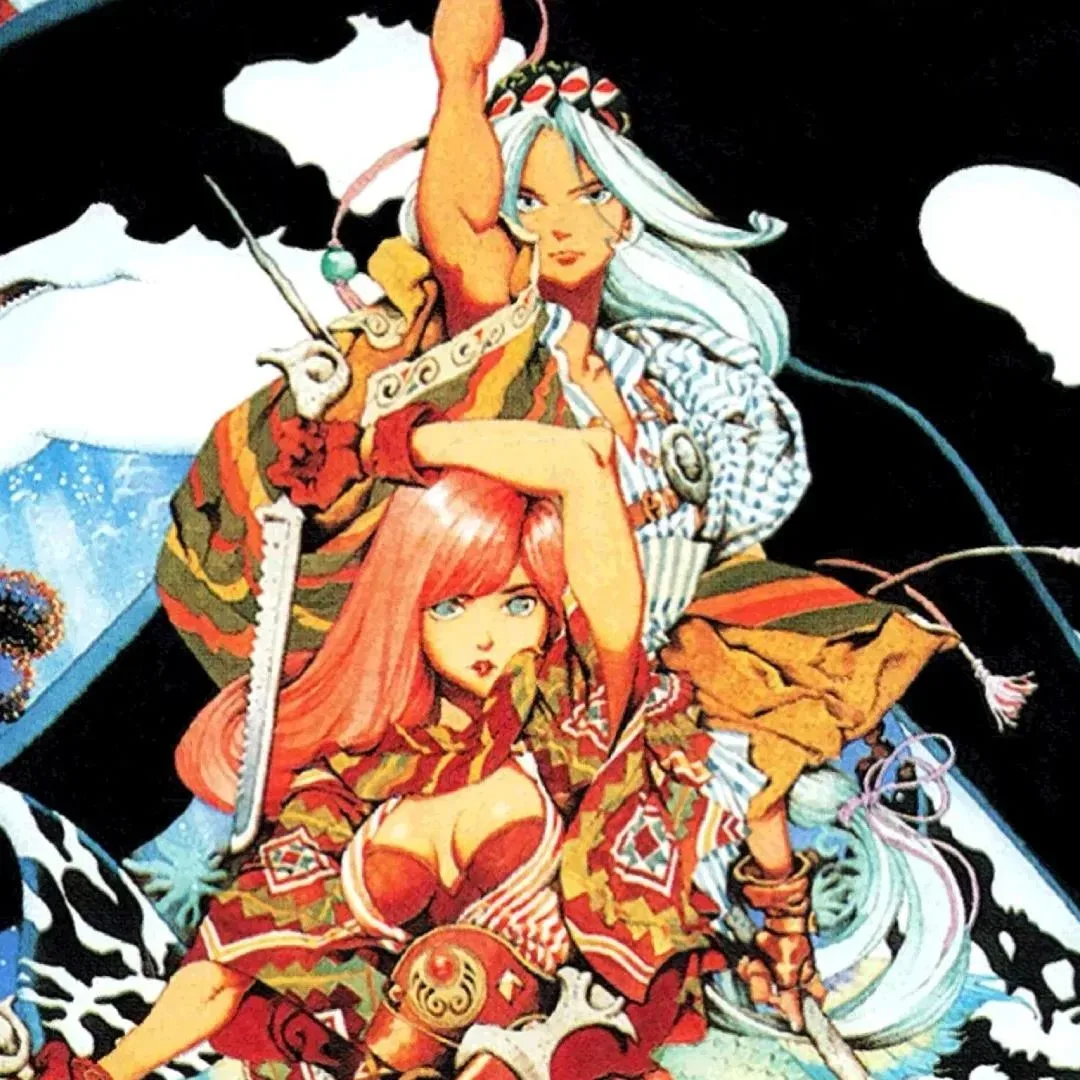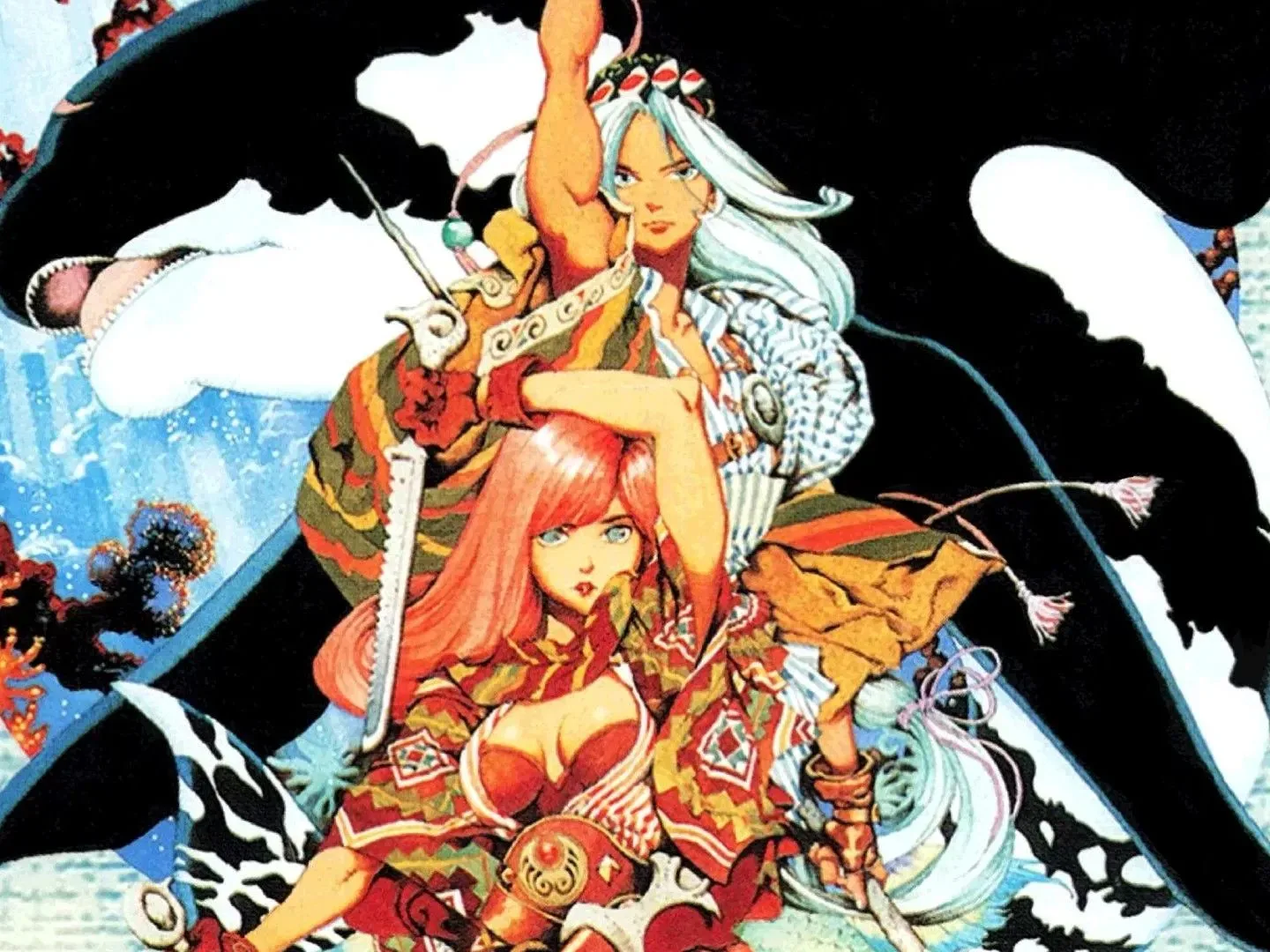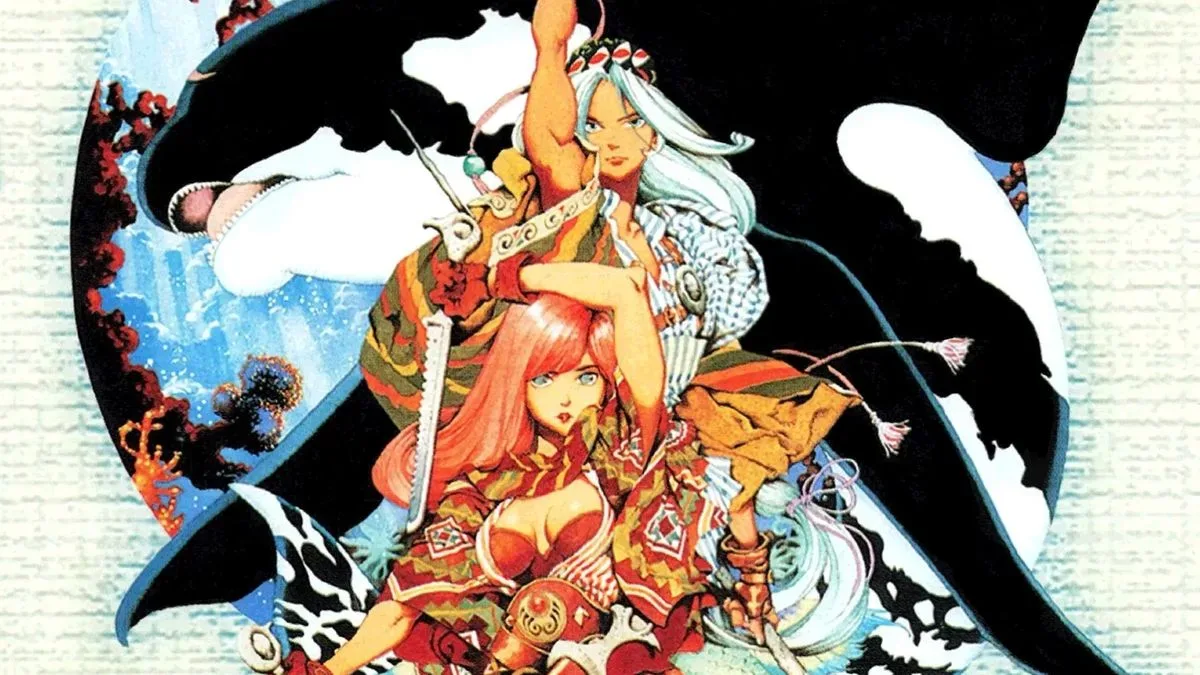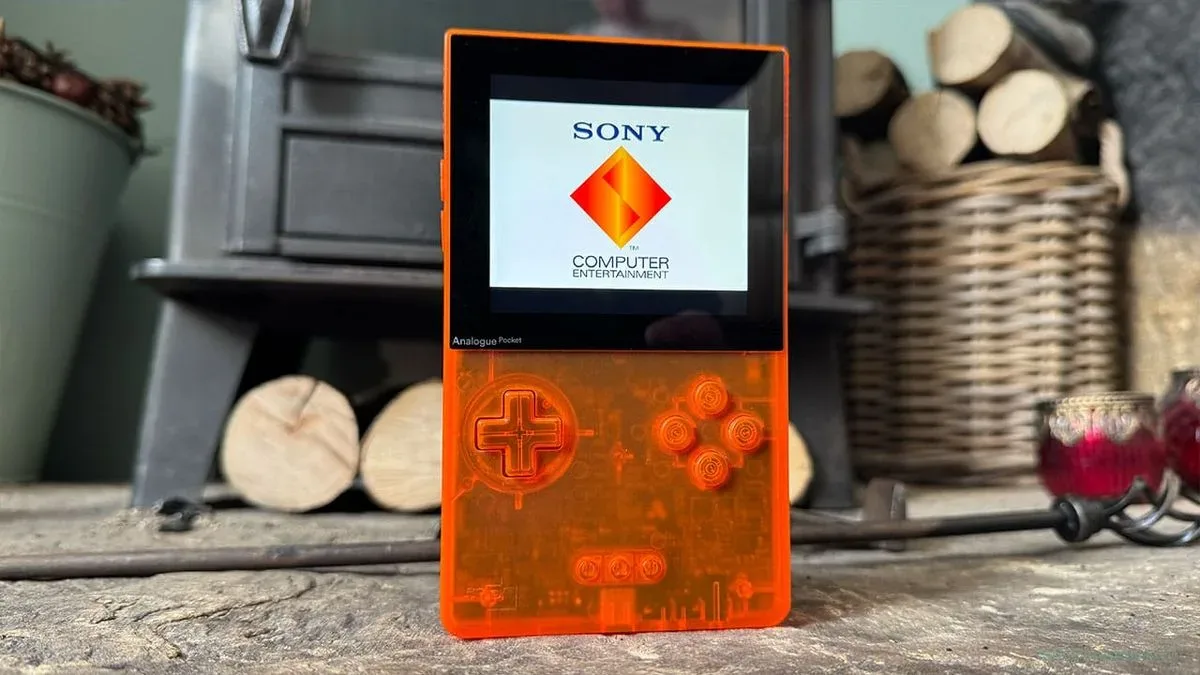
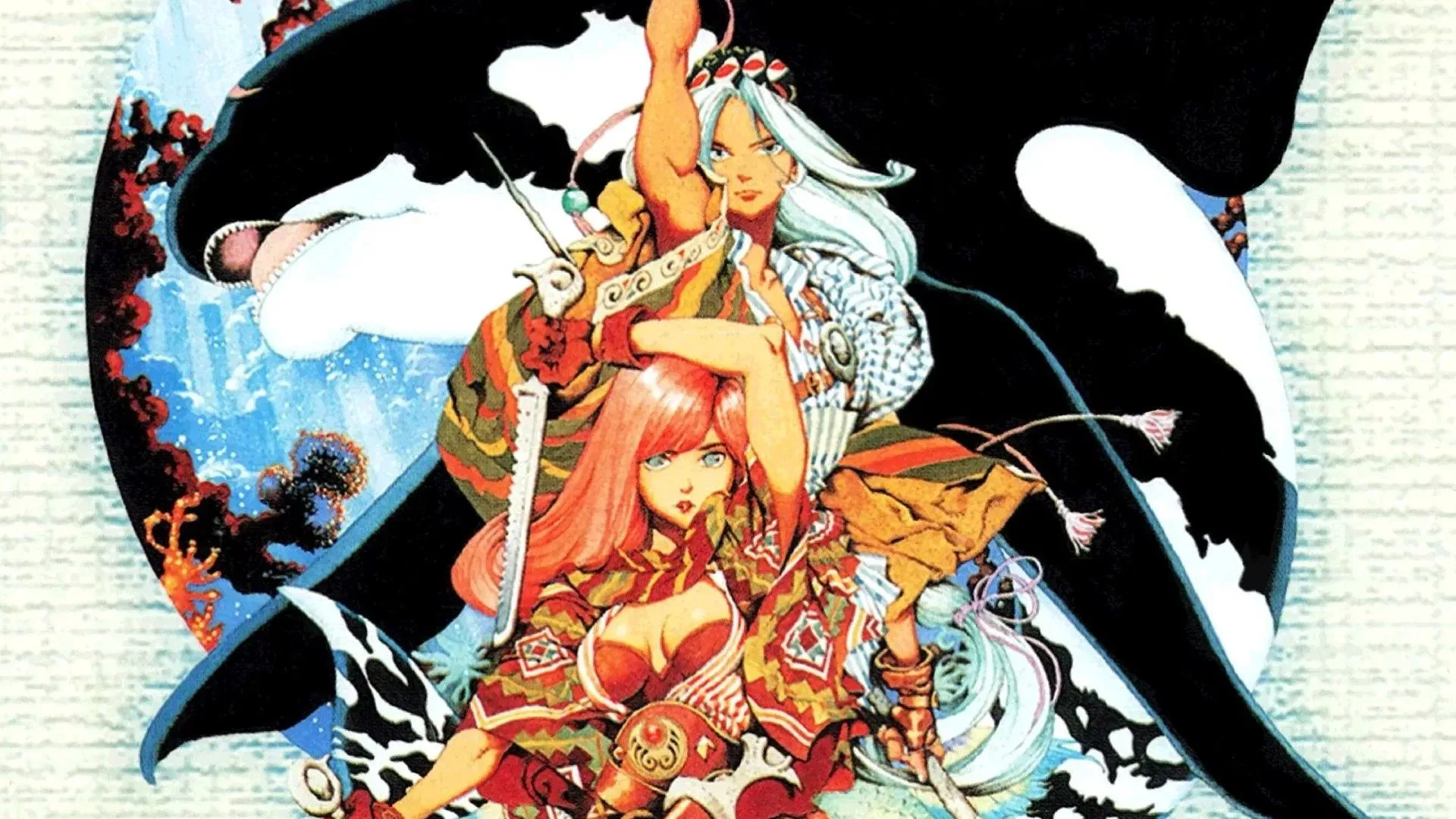
One more deep-cut PlayStation role-playing game has surfaced from the language barrier. Meremanoid, a turn-based RPG released in Japan in 1999, now has an English fan-translation patch, giving English-speaking players a route into an unusually themed corner of the PS1 catalogue 27 years later.
The game is based on an anime series that had ended the year before its release, and its setting is entirely underwater, populated by mermaids. That premise alone makes it stand apart from the better-known RPGs of the era. Meremanoid is not being presented as a newly rediscovered blockbuster; its appeal is the opportunity to explore a strange, localized-never, story-led game that many players outside Japan could not previously read in full.
The patch’s creators have also made a specific point of how it was produced. The team says there was zero use of AI across the project, including its translation, graphic work and coding. In a period when generative tools are frequently part of the conversation around fan projects, that is a clear statement about the group’s workflow and authorship.
What the patch changes
A fan translation is a community-made modification that replaces or adds readable text in another language to a game that did not receive an official localization. For a narrative-heavy RPG, it can be the difference between recognizing menus and actually following character motivations, story turns, item descriptions and other text-dependent systems.
Meremanoid is described as a turn-based RPG, a format in which combatants act in a determined order rather than fighting in real time. That structure can be approachable even when a player does not understand every line of dialogue, but the story is still central to the experience. This distinction helps explain why translation teams often prioritize RPGs and other text-rich games over genres where language may be less essential to basic play.
Chapu, credited with hacking the game for the project, framed the motivation in similarly practical terms: games with a language barrier are worth translating, especially when their stories are integral. A racing game or fighting game may remain broadly playable without fluency, while an RPG’s narrative and written systems are much more difficult to access without a shared language.
The English patch is available through Romhack Plaza. As with any fan-made patch, players should read the project page carefully for the team’s instructions, compatibility notes and any stated requirements. The patch is the work being distributed; the announcement does not establish an official re-release, new platform version or commercial English edition of Meremanoid.
Why PS1 obscurities still matter
The original PlayStation era has a large and varied RPG library, but a game’s absence from overseas shelves can make it effectively invisible to audiences who did not read Japanese. That is especially true for titles connected to anime properties, lower-budget releases and games that did not have the profile of the era’s biggest franchises.
Related coverage includes Meremanoid Gets Its First English Fan Translation 27 Years After Its PS1 Debut.
Meremanoid’s underwater world and mermaid-focused setting supply a distinct identity before its mechanics even enter the picture. It has been compared in broad structural terms to the kind of turn-based RPG associated with Final Fantasy VII, while also being characterized as a far lower-budget production. That combination is useful context, not a quality verdict: a smaller production can still preserve an unusual creative perspective, and its limitations can be part of what makes it interesting as a historical game artifact.
That is the more meaningful question surrounding projects like this one. A decades-old, Japan-only game does not need to be elevated into a lost masterpiece to justify translation work. Access itself has value. A readable version lets players judge the game’s writing, setting and ideas on their own terms rather than treating it as a name on an import list or a collection of screenshots.
It also gives preservation-minded players a clearer view of what the PS1 library contained beyond its most famous exports. “Preservation” in this context does not simply mean keeping an original disc from physical deterioration. It can also mean preserving practical cultural access: making dialogue, story context and visual text understandable for people who otherwise cannot engage with the game as designed.
A hand-made translation claim in an AI-heavy moment
The team’s no-AI declaration is notable because translation quality involves more than swapping one word for another. A translator has to interpret tone, character voice, idioms, game-specific terminology and context. Graphic editing may be needed when text is embedded in images or when an interface was designed around Japanese characters. Technical work, often called hacking in the fan-translation scene, can involve locating the game’s text, inserting new text, accounting for different text lengths and making sure the altered game still functions correctly.
Those disciplines overlap, but they are not interchangeable. A script can be translated without automatically fitting in a dialogue box. An edited graphic can look right without being properly tied to the game’s text system. And code changes may be necessary to accommodate English text at all. The group’s statement covers each of these areas: translation, graphics and coding.
The announcement does not provide a detailed production diary or a line-by-line account of the team’s process, so it would be wrong to infer more than it says. What is clear is that the people credited with the project wanted players to know the work was done without generative AI. For an audience deciding what kind of fan work it wants to support, that disclosure is concrete and easy to understand.
The question of AI use has increasingly reached hobbyist technical projects as well as major game development. Readers interested in how concerns around AI permissions and safeguards are appearing elsewhere in technology can see how macOS is tightening warnings and controls for AI apps seeking broad Mac access. Meremanoid’s patch is a different kind of project, but its authors are likewise foregrounding a boundary around AI involvement.
What players can reasonably expect
Meremanoid’s new patch means an English-language audience can now approach the game’s narrative directly. It does not, by itself, settle every question a prospective player might have. The available information identifies the game as a 1999, underwater, turn-based PlayStation RPG based on an anime, but it does not offer a modern critical reassessment, performance analysis or exhaustive breakdown of its systems.
That uncertainty is appropriate to acknowledge. Obscure games can be rewarding because they are unusual, not because they satisfy every expectation created by more lavishly produced contemporaries. Players approaching Meremanoid may find a distinctive setting and a long-inaccessible story; they should not assume that a translation announcement is a guarantee of universal appeal.
Still, this is a meaningful release for anyone who enjoys exploring the edges of console history. A game previously limited by language is now available to engage with in English, and the people behind that access have attached their names and a transparent no-AI claim to the result. For a Japan-only PS1 RPG that spent nearly three decades out of reach for much of the world, that is a substantial change.