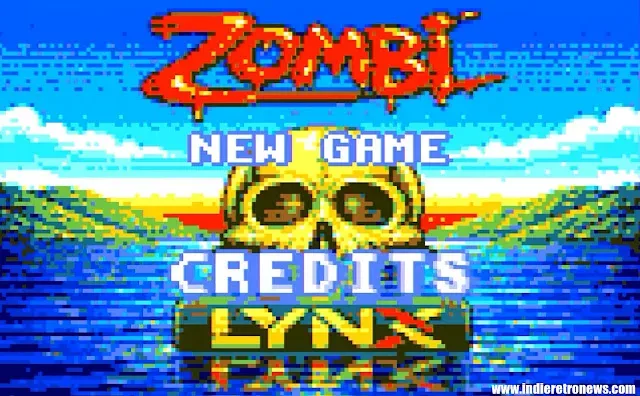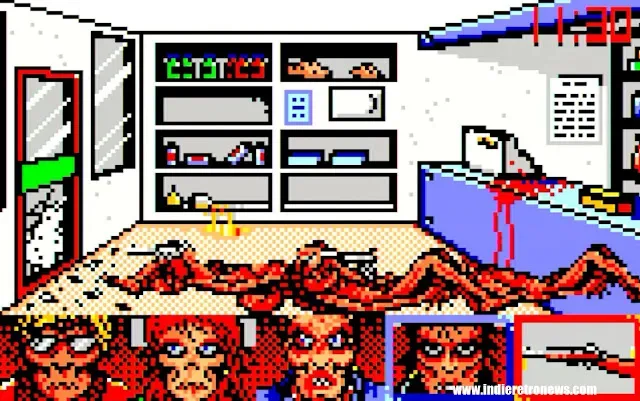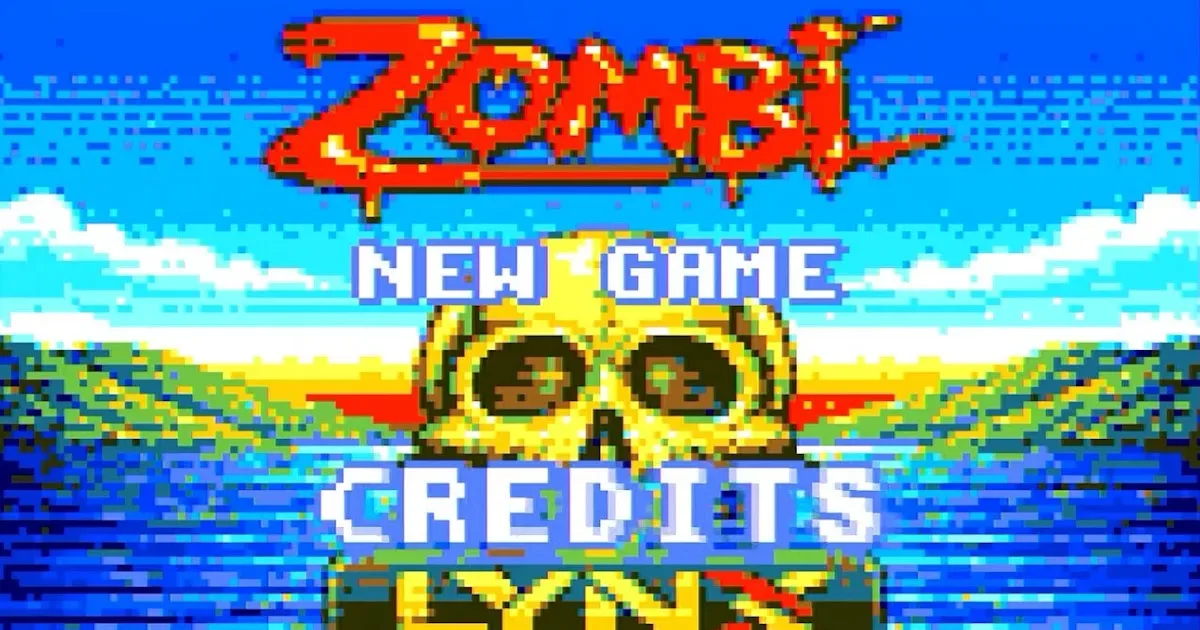
A decades-old horror adventure is getting a new, distinctly handheld incarnation. Developer kikems has created an Atari Lynx demo based on Zombi, Ubisoft’s first action-adventure game, for the Silly Venture competition. The project arrives in 2026, the 40th anniversary of the original 1986 release.
The premise is compelling on its own: translate an early, visually detailed zombie game to an Atari portable system. The more interesting story, though, is the technical one. This is not simply a matter of moving old game logic from one machine to another. The demo has to accommodate large graphics, a double-buffered display, and the central program within just 64KB of RAM.
That constraint puts the new Lynx version in the tradition of retro development where every image, screen update, and part of the code competes for a very small pool of working memory. The result is a fittingly ambitious use of a color handheld whose hardware was capable, but whose memory limit gives a project like this very little room to waste.
A return to Ubisoft’s earliest action-adventure work
Released in 1986, Zombi was Ubisoft’s first action-adventure game. It drew inspiration from George A. Romero’s cult-classic film Dawn of the Dead, placing it in a strand of zombie fiction shaped by survival horror imagery long before that label became a standard videogame genre descriptor.
That origin matters because the Lynx demo is not merely using zombies as a broad retro theme. It is revisiting an early Ubisoft game with a specific horror identity and attempting to re-create its detailed, color-rich setting on hardware with strict resource limits.
The timing also gives the project extra resonance. A 40th-anniversary demo is an opportunity to look at a game from Ubisoft’s formative years through a platform that was not its original home. Rather than treating older software as fixed to the systems of its era, ports and demos like this keep it active as material for new technical interpretation.
Why the Atari Lynx version is a demanding project
The Atari Lynx hardware is presented here as something of a split personality. Its Suzy chip and central processor could handle the game’s speed well, meaning raw performance was not described as the core obstacle. The larger challenge was memory: fitting the required visual assets, display approach, and CC65-based program inside the system’s 64KB RAM allowance.
RAM, or random-access memory, is the temporary workspace a machine uses while software is running. For a game, that space may need to hold active code and the visual information currently required by the display. A 64KB limit is especially restrictive when a developer is working with graphics intended to feel detailed and rich in color.
Related coverage includes Zombi Demo Brings Ubisoft’s 1986 Horror Adventure to Atari Lynx.
The project also uses a double-buffered display. In simple terms, double buffering involves preparing one frame while another is shown. The approach is associated with smoother screen updates because the viewer sees completed frames rather than an image being assembled in place. It is useful, but it places further demands on already scarce memory because display data must be managed carefully.
None of this means the demo’s technical achievement can be reduced to one component. Speed, graphics, screen presentation, and program code all have to coexist. The significance of the work is that kikems has found a way to make those demands fit together within the stated limit, while targeting a handheld system rather than a more spacious modern environment.
CC65 in this context
The core program is identified as a CC65 program. In practical terms for this project, that is another element that has to occupy part of the available RAM alongside the graphics and display resources. It underlines the balancing act involved in a constrained port: the developer cannot focus solely on how the game looks, because the game’s operating code needs a place to live as well.
For players interested in retro software, the important takeaway is not that one technical ingredient carries the project, but that development choices have consequences. More graphic detail consumes space. A display technique intended to make updates look better consumes space. The code running the experience consumes space. On a machine with 64KB of RAM, those trade-offs are central to the design rather than an afterthought.
What a demo means for this release
The Lynx project is described as a demo, which sets appropriate expectations. It demonstrates the remake and the successful adaptation of its world and systems to the platform, but the available information does not establish it as a full release or define its scope beyond that. It should therefore be viewed as a competition-built showcase rather than assumed to be a complete replacement for the 1986 game.
That does not make it a lesser curiosity. A focused demo can be the clearest proof that a difficult idea works. In this case, its value is in showing Zombi operating within the Lynx’s particular technical boundaries, and in demonstrating that the visual ambition of the original can be approached despite a sharply limited memory budget.
Retro handheld projects also invite a different kind of appreciation than modern remasters. The appeal is not based on promises of expanded features or unlimited fidelity. It is in observing how developers select, compress, organize, and prioritize the elements that matter most when the platform imposes hard restrictions. The Lynx adaptation makes its limitations part of the story.
A notable moment for Lynx-focused retro development
Atari Lynx projects occupy a distinctive place in retro gaming because the machine’s color capabilities can encourage visually bold ambitions, while its available RAM forces developers to be exacting about implementation. The Zombi demo brings those qualities into direct contact: a horror setting described as detailed and color-rich, paired with a 64KB ceiling that demands careful technical choices.
It is also a reminder that retro releases do not have to be limited to rediscovering obscure originals. They can take recognizable games and ask a different question: what would this have looked like on another period machine, and what must change behind the scenes to make it possible?
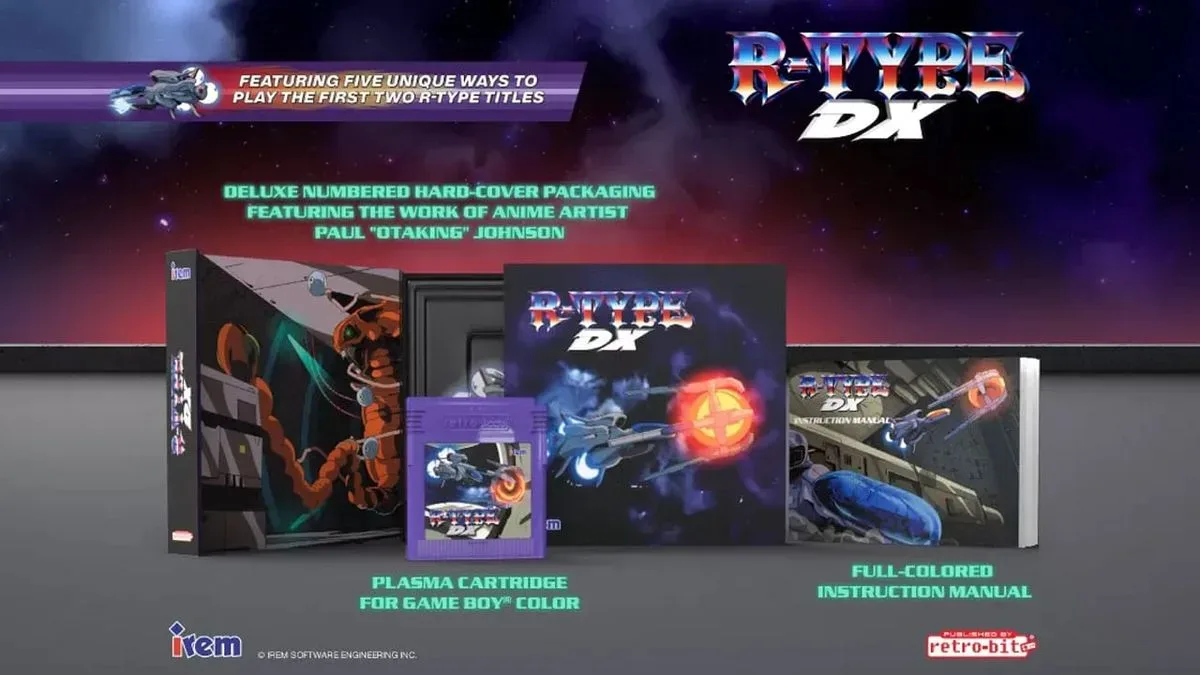
For another example of contemporary attention being paid to vintage portable game hardware, see the recent R-Type DX Game Boy cartridge release. The two projects concern different games and platforms, but both reflect continuing interest in giving older hardware a fresh role rather than leaving it as a display-only artifact.
The practical significance of the memory challenge
It can be tempting to hear “64KB” as a nostalgic specification rather than a meaningful production condition. In this case, it is the central fact of the port. The stated obstacle was not simply writing a version of Zombi for Lynx hardware; it was placing massive graphics, a double-buffered display, and CC65 program code in memory at the same time.
That makes the demo an illustration of technical discipline. A project with no memory pressure can retain assets freely and solve problems through larger budgets. A project constrained to 64KB has to make every allocation count. The task becomes an ongoing negotiation between image quality, display handling, and the program’s core needs.
The available details do not specify every method used to solve that problem, and it would be wrong to fill in those blanks with assumptions about compression, asset changes, or performance techniques. What is clear is the outcome described: the developer overcame the fit problem sufficiently to produce a Lynx demo for the competition.
Forty years on, a horror game finds a new machine
Zombi reaching the Atari Lynx as a 2026 demo is a small but meaningful anniversary event for an early Ubisoft action-adventure. It connects a 1986 game inspired by Romero’s Dawn of the Dead with a later portable platform and a modern competition setting.
The project’s real hook is the tension between the game’s rich visual character and the tight 64KB RAM budget. With the Suzy chip and processor handling speed effectively, kikems’ work turns attention to the less glamorous but decisive part of retro programming: finding enough room for the art, the display system, and the game code without sacrificing the project’s basic identity.
For Lynx enthusiasts and retro-horror fans, that is reason enough to pay attention. The demo is a fresh technical reading of an early zombie adventure, built around the question that still drives the best homebrew and porting efforts: not merely whether a game can run on old hardware, but how convincingly its essential atmosphere can survive there.