The Atari Homebrew Awards have been suspended for this year after organiser James, known as ZeroPage Homebrew, concluded that the rapid rise of AI-assisted game development had made the competition’s eligibility rules too difficult to define and enforce.
The decision affects what would have been the event’s ninth annual edition. Rather than attempt a rulebook that could be inconsistent or impossible to verify, James has paused the awards while the homebrew community works through what he described as a major change in how retro games are being made.
At the centre of the problem is not simply whether artificial intelligence has a place in development. It is the much thornier question of how an awards programme can distinguish among tools, workflows and degrees of authorship when there is no shared way to measure or disclose AI use.
A competition built to celebrate creators faces a new qualification problem
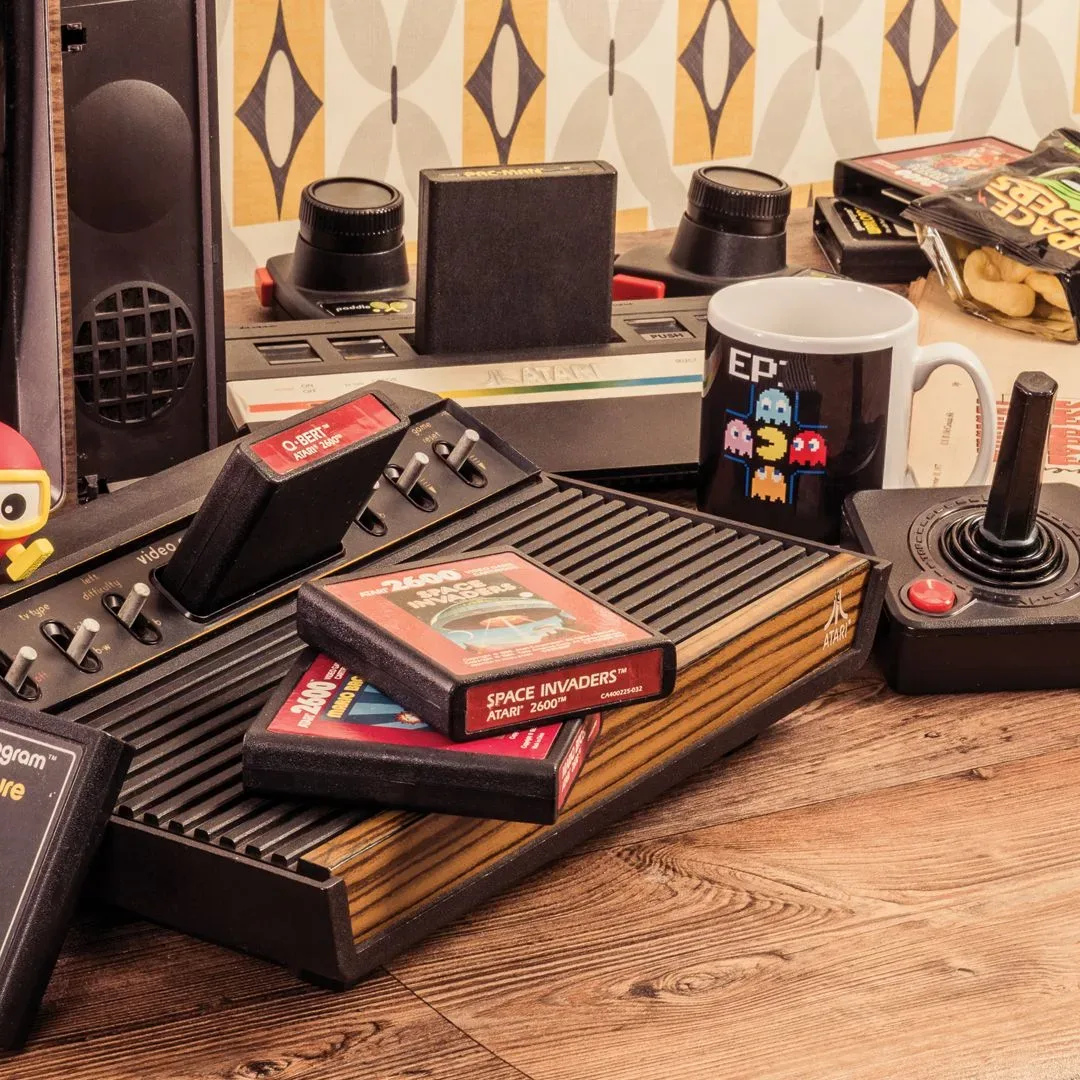
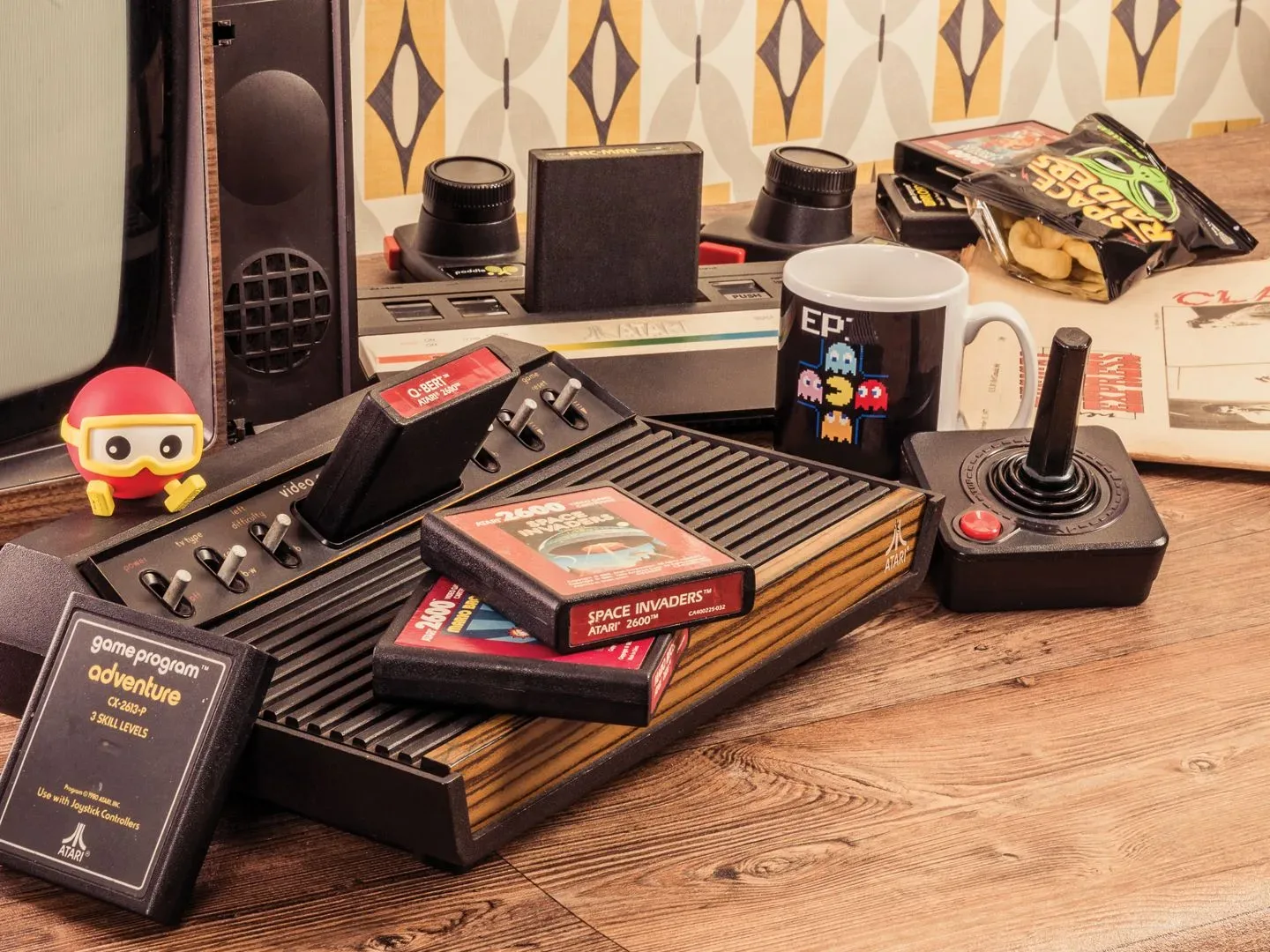
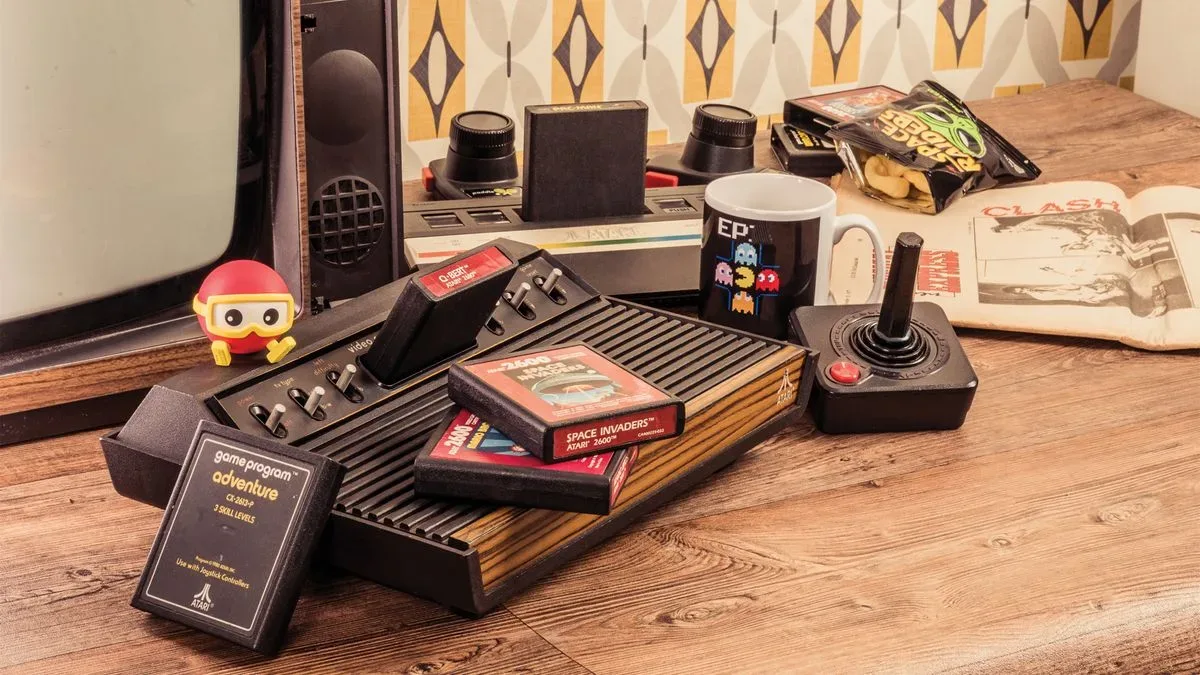
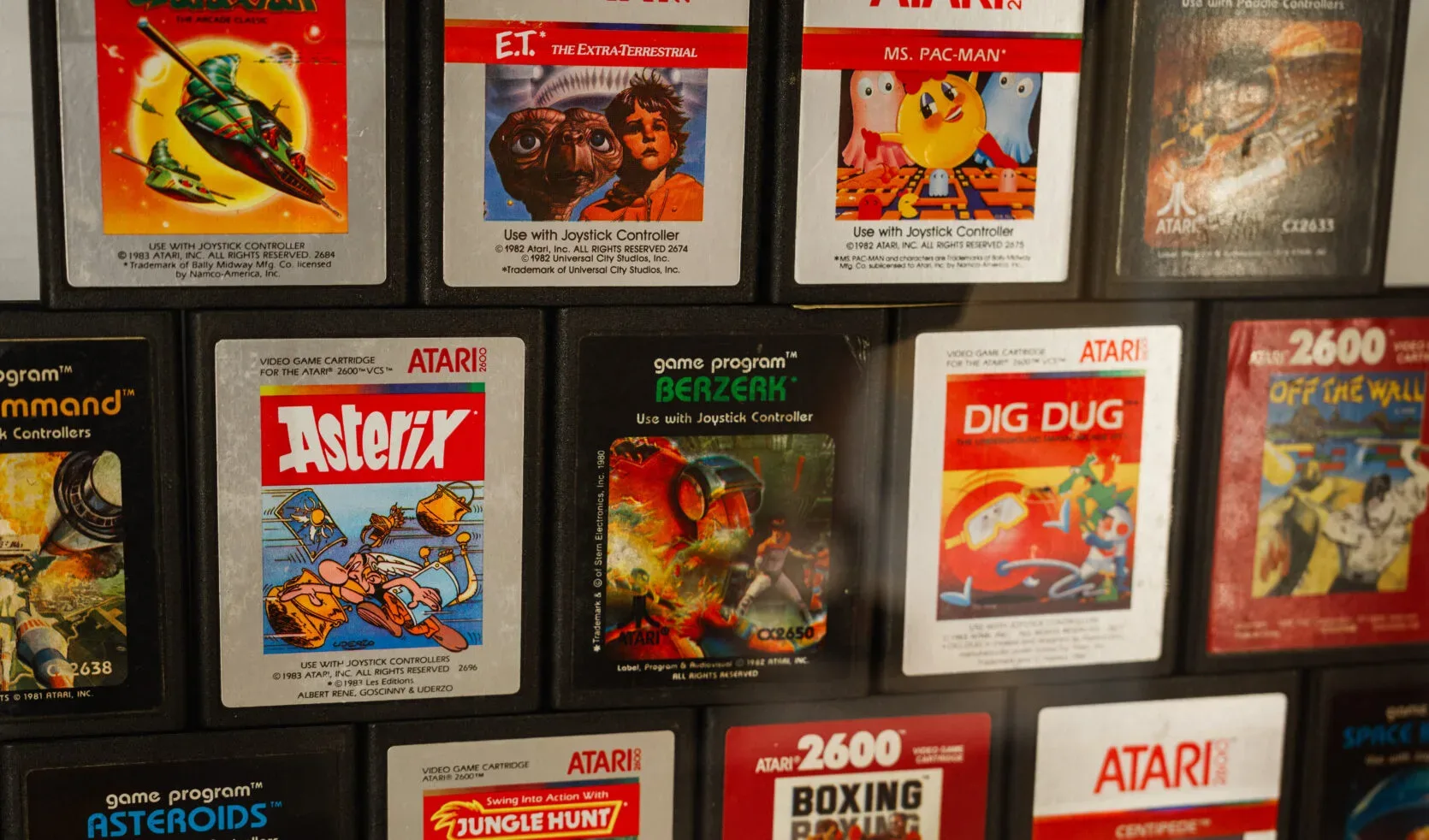
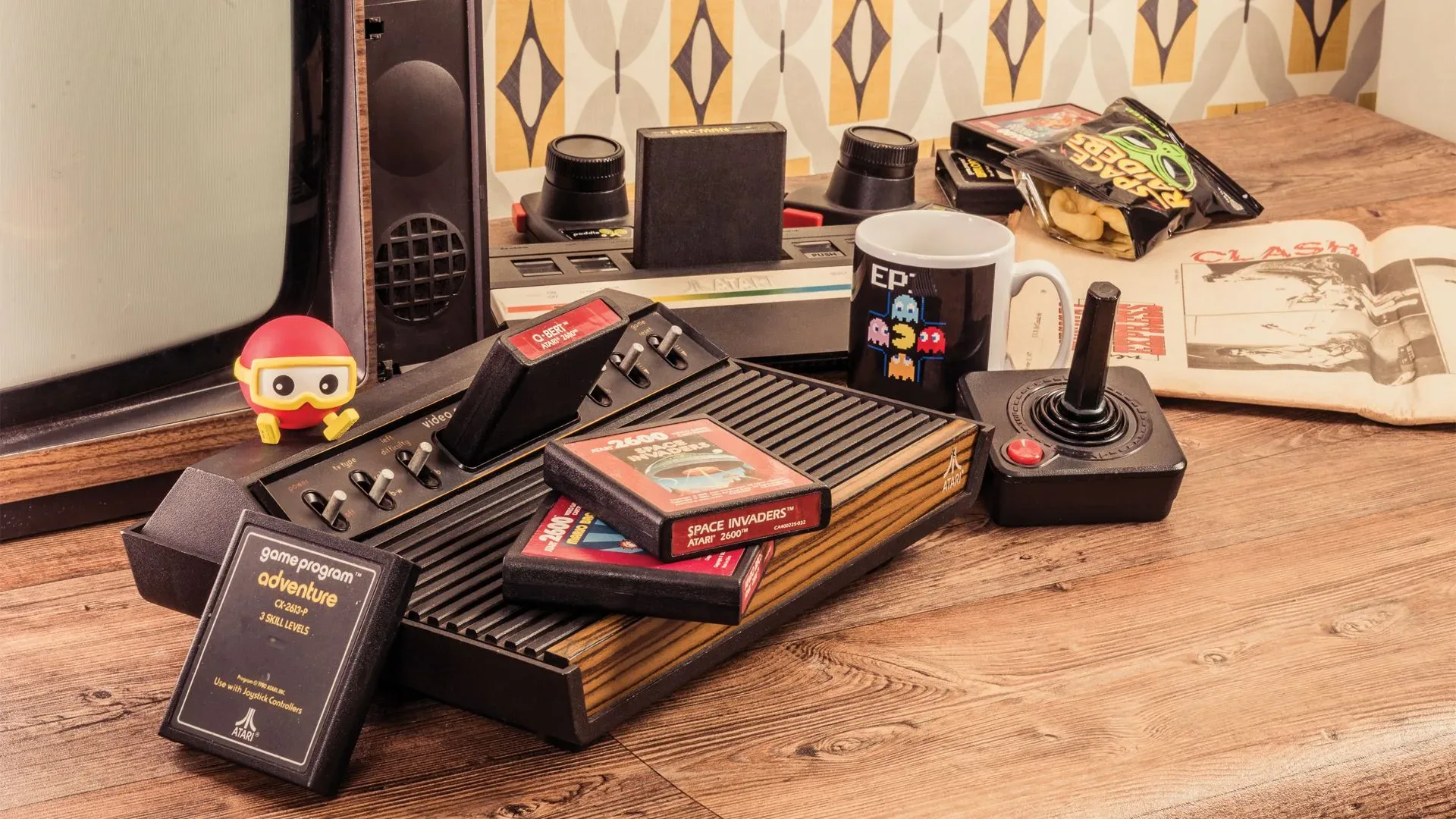
Homebrew is the term generally used for new software made for older hardware or platforms after their mainstream commercial lives. In the Atari scene, that can mean original games designed for systems such as the Atari 2600, created by enthusiasts who learn the technical constraints of ageing machines and produce new work because they want to keep those platforms active.
An awards programme for that kind of work is not merely handing out trophies for a finished cartridge or downloadable build. It is recognising creative design, programming, persistence and the craft involved in making software run within a platform’s limitations. That makes authorship unusually central to the awards’ purpose.
James said the number of AI-assisted projects had become increasingly hard to keep up with during the year, including instances where developers released multiple games in a week with AI’s help. The volume prompted a reassessment of how games would qualify and be judged.
“This flood of new AI games forced me [to] reevaluate the way games were qualified and judged,” James wrote.
His stated preference was to honour people who coded their games themselves rather than award output generated by large language models. But drawing a usable line between those categories proved far more complicated than a simple ban on “AI games.”
Related coverage includes Atari Homebrew Awards Suspended as AI Use Creates Judging Crisis.
Why an AI cutoff is harder than it sounds
AI-assisted development can describe a wide range of activities. A developer might ask a model to produce code, revise a small routine, suggest a fix for an error, draft text, generate art or assist with testing. Those uses are not automatically equivalent, and they can affect different parts of a game to very different extents.
A large language model, or LLM, is a system that generates text from prompts. In a programming context, that text may include source code, explanations, suggested changes or test ideas. The output still needs to be evaluated and integrated into a project, but its availability can substantially change both the pace of creation and the amount of technical work performed directly by the developer.
That creates several questions an awards organiser would need to answer before judging could begin:
- Would entirely AI-generated code be ineligible while a single AI-suggested snippet is permitted?
- Does AI-assisted debugging count differently from AI-generated gameplay systems?
- Would AI used only for testing be acceptable?
- What evidence would establish how much of a project was made with AI?
- Could judges apply the same standard across every submitted game?
James highlighted the core obstacle: there is no standardised reporting or calculation for the amount of AI used in an individual game. Even a voluntary disclosure rule would still leave the awards needing to decide what each type of assistance means for eligibility. A percentage-based threshold may sound clean, but it would be difficult to calculate and could obscure the qualitative difference between, for example, a generated line of utility code and a game’s central mechanics being produced through prompts.
In other words, the issue is not only detection. It is policy. A competition can only enforce a rule after it has decided what the rule is trying to protect.
Suspension avoids a contest with uncertain standards
James said that smaller issues in prior years had always yielded to a solution, but AI represented a seismic shift. He ultimately found no clear path forward for this year’s awards and called the outcome “extremely upsetting,” particularly because celebrating the work of the community has been a highlight of the event.
Suspending the programme is different from permanently ending it. The decision leaves open the possibility that the awards can return once there is a better understood “new normal.” It also avoids asking entrants and judges to participate under rules that might change midstream, rely on unverifiable claims or reward developers inconsistently.
That restraint matters in a small community. A disputed eligibility decision can have an outsized effect when the same people are makers, players, technical advisers, preservation-minded fans and future entrants. Trust in the process is part of the prize’s value. If participants cannot tell why one form of assistance is permitted while another is not, the award risks becoming a referendum on policy rather than a celebration of games.
What the pause says about retro development
Retro homebrew has long been driven by challenges that are specific to old machines: limited memory, specialised hardware behaviour and programming environments far removed from modern mainstream game production. Those constraints are part of the appeal. For many creators, the achievement lies not just in having an idea for a game but in turning it into something that genuinely works on the intended platform.
AI code generation changes the equation because it can lower the effort required to produce some kinds of software. That does not settle whether all AI assistance is inherently unacceptable, nor does it establish that every AI-assisted game lacks human creativity. What it does establish is a mismatch between an awards format built around individual maker effort and a toolset that complicates any claim about how that effort was distributed.
The concern is compounded by release volume. When more projects arrive more quickly, a volunteer-run or community-focused awards process faces a practical workload problem alongside its philosophical one. More games can be good for a platform’s active library, but a larger field requires more time for qualification, play, comparison and deliberation. If the pathway by which games were made is also uncertain, that workload becomes harder to manage fairly.
The broader games industry is wrestling with similar questions around AI, but retro homebrew has a particularly direct stake because its culture often values technical learning and personal experimentation as much as the final product. The question is not merely whether a game is enjoyable. It is whether an award intended to recognise human homebrew creation should evaluate the finished result alone, the development process, or both.
Possible paths forward remain unsettled
No replacement policy has been announced, and James did not present a ready-made rule that would allow the awards to resume immediately. That uncertainty is honest: a hastily chosen definition could create more disagreement than it resolves.
Any eventual framework would need to balance clarity, fairness and practicality. Clear standards tell entrants what is expected; fair standards apply consistently to comparable work; practical standards can be administered without demanding impossible proof from creators or endless investigation from organisers. Achieving all three will be difficult while AI use is varied and disclosure practices remain inconsistent.
One possible focus for future discussion is transparency. Developers could describe the tools and roles involved in their process, allowing an organiser to create categories or eligibility terms around disclosed use. But disclosure by itself would not answer the value judgement at stake: the community would still need to agree whether particular uses belong in a given award category. Nor would it remove the challenge of verification.
Another possibility is for awards to recognise separate kinds of achievement, although that too would require carefully written criteria. The important point is that no model will be neutral by default. A policy that welcomes all tools, a policy that excludes generative assistance and a policy that separates entries by method each express a different view of what the awards exist to celebrate.
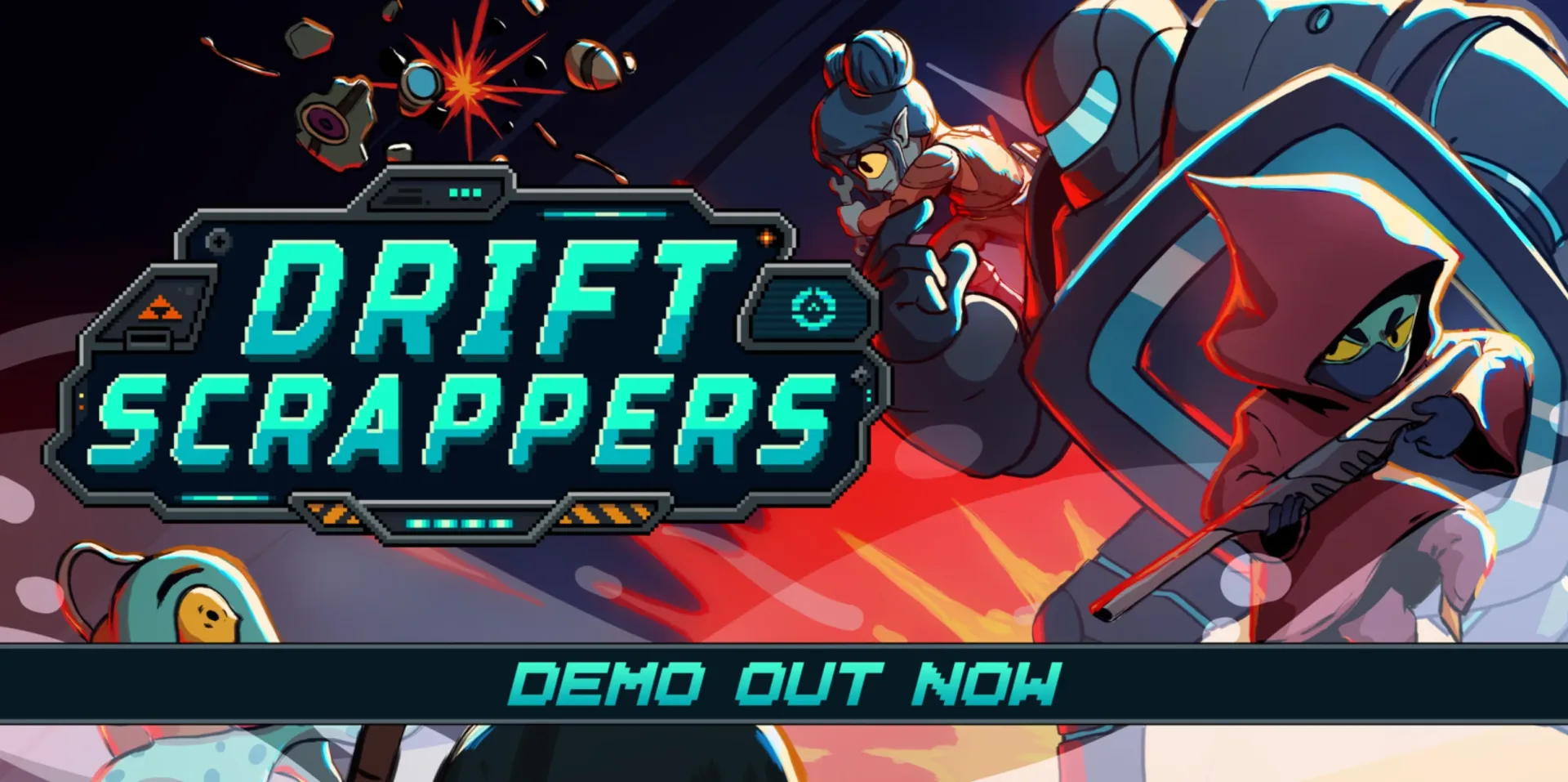
For now, the immediate result is a pause rather than a rushed compromise. The Atari homebrew scene still has its developers and its games; what is on hold is the annual mechanism for formally honouring them. Readers looking for more on newly surfaced independent projects can also follow recent coverage of an indie game demo opening to players.
The suspension makes one thing plain: AI is no longer an abstract debate for small game-making communities. It has become an organisational problem with immediate effects on how work is entered, evaluated and credited. Whether the Atari Homebrew Awards return with new rules, new categories or another solution will depend on finding standards that entrants and judges can understand and trust.