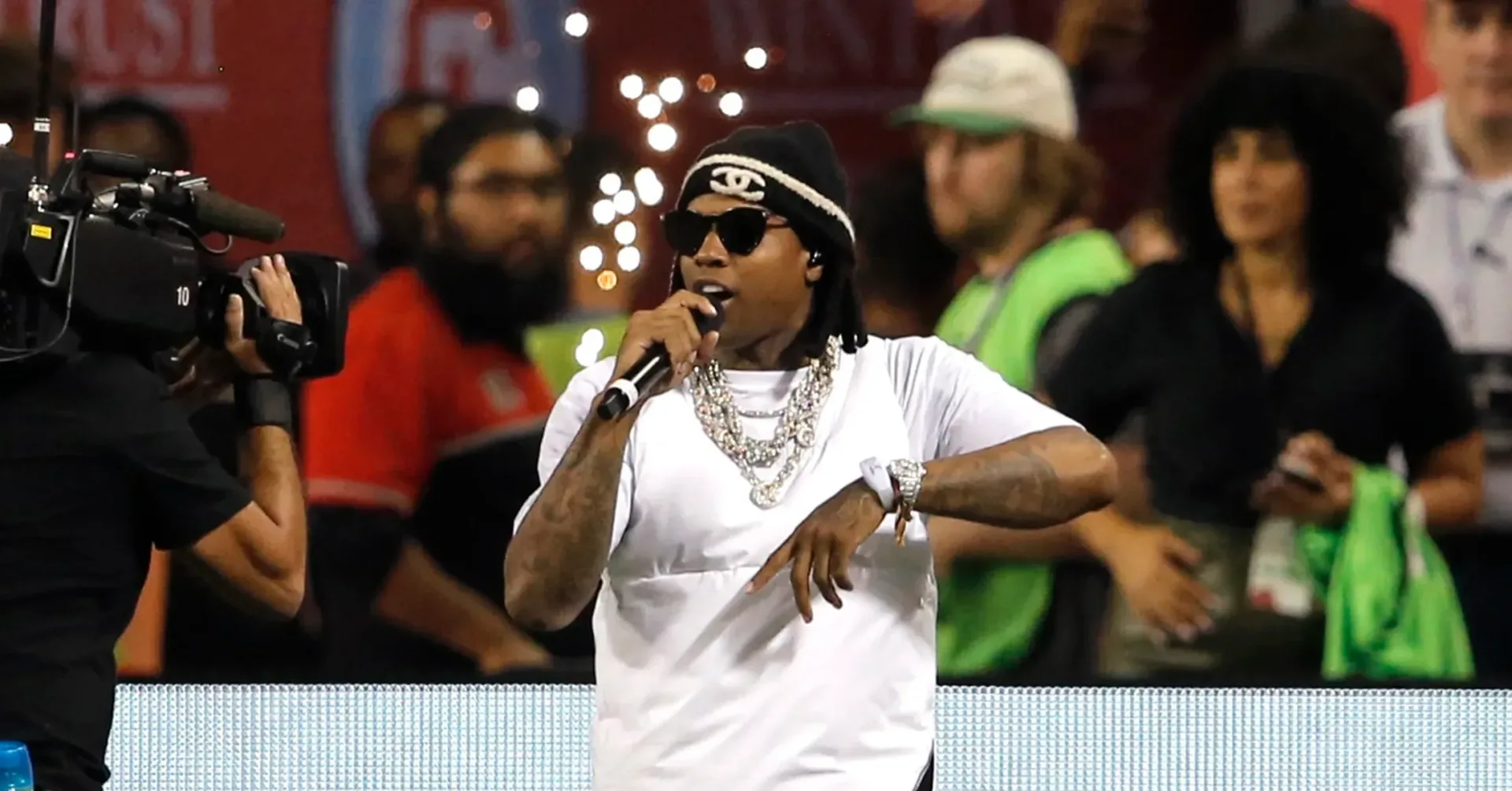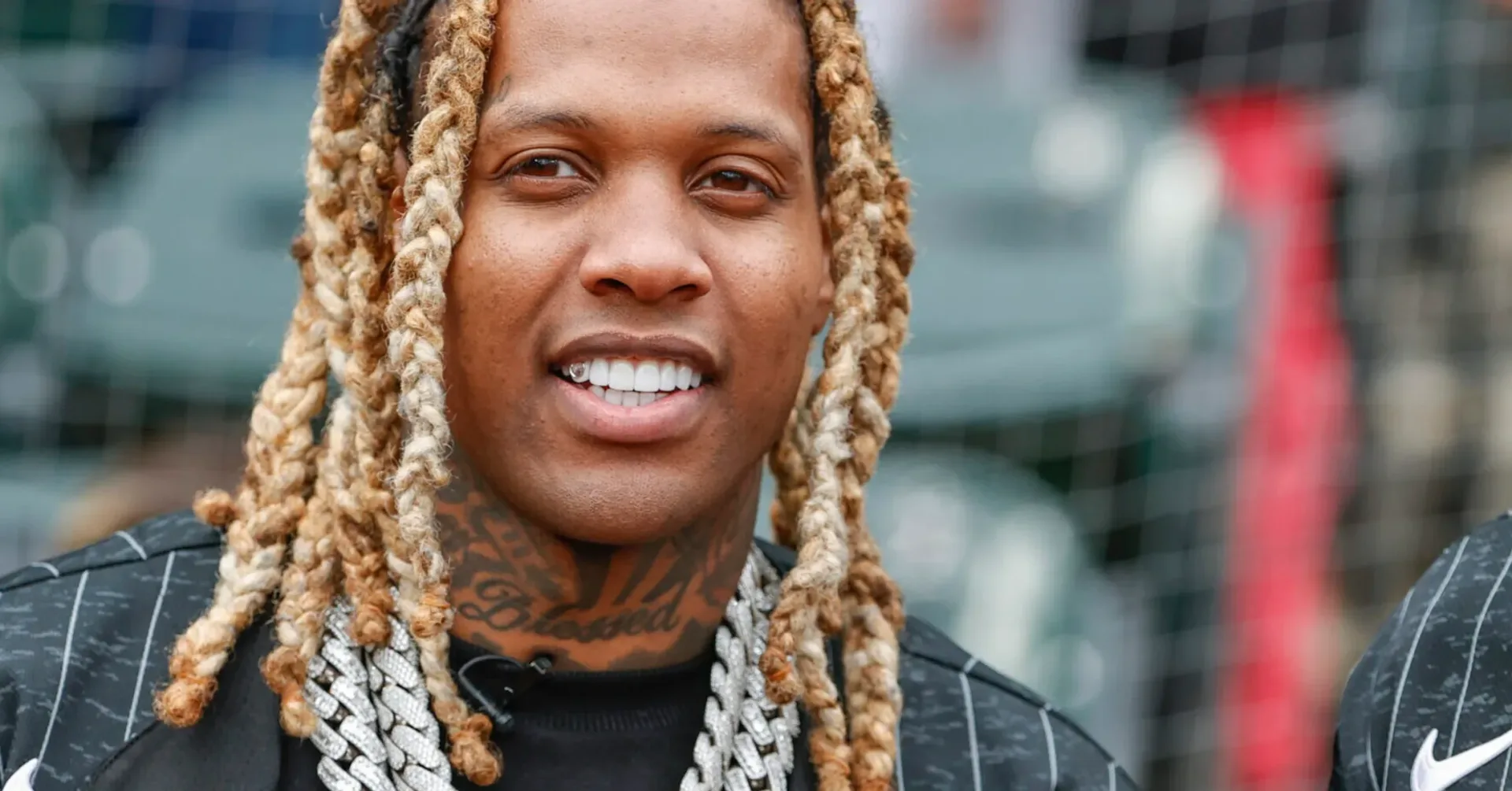

Chicago drill rapper YFG Fatso, whose legal name is Christopher C. Mosley, remains in custody while authorities await his transfer to Georgia over an active out-of-state warrant. The available court-record information establishes the procedural reason for his detention, but it does not explain the allegations behind the Georgia warrant.
Mosley, 19, appeared in Cook County court on November 2, following an October 29 arrest. Docket information listed the matter as “Fugitive from Justice,” a designation generally used when one jurisdiction holds a person sought by another state. In this instance, the requesting state is Georgia.
The key development is that Mosley and his legal team reportedly waived a challenge to extradition. Cook County then dropped its local fugitive charge, while he remained held pending pickup and transport by Georgia authorities. A separate report on the pending transfer likewise describes his custody status as unresolved until Georgia agents take him into their care.
What the court status does—and does not—establish
There is an important distinction between the facts that have been made public and the claims circulating around them. Court-docket information points to a Georgia warrant as the basis for the arrest. It does not publicly state what conduct that warrant alleges, what charge or charges may be involved, or where in Georgia any underlying case would proceed.
For more context, explore Other Worlds: A Stranger Things Adventure Teaser Sets Netflix Prequel for 2028.
That absence matters. An arrest on an out-of-state warrant is a procedural event: it means a state has asked another jurisdiction to detain someone sought under its legal process. It is not, by itself, a public explanation of the evidence, the full accusation, or an outcome in a criminal case.
Likewise, waiving an extradition challenge should not be interpreted as a public admission of allegations that have not been disclosed. In practical terms, a waiver means the person will not contest being sent to the requesting state through that particular process. It can reduce the time spent litigating the transfer in the holding jurisdiction, but it does not answer the still-unpublished question of what the Georgia warrant concerns.
Why Cook County’s fugitive charge was dropped
The local “Fugitive from Justice” matter reportedly being dropped can sound counterintuitive next to continued custody, but the two actions are not necessarily in conflict. Once the extradition issue is waived, the local court’s role in deciding whether a transfer can be contested is substantially narrower. Authorities can keep the person in custody while the requesting state arranges transport.
In other words, the local case status does not mean the overall matter has ended. It means the Cook County portion related to the interstate hold has moved beyond the extradition challenge stage. The next significant procedural step is the transfer itself, followed by whatever proceedings Georgia’s warrant requires.
Rumors about a Chicago shooting are not supported by the public record
The arrest drew heightened attention because online discussion connected it to the death of fellow Chicago drill artist BloodHound Q50, who was killed in a gas-station shooting earlier this year. Social-media speculation also focused on an alleged online response by YFG Fatso and on reports of rivalry between the artists.
But the information currently available does not establish any connection between Mosley’s arrest and that Chicago homicide. No law-enforcement agency or other authority has publicly indicated that the Georgia warrant is related to BloodHound Q50’s death. Treating the two matters as connected would go beyond the disclosed facts.
That distinction is especially important in fast-moving entertainment news, where public attention, artist rivalries and incomplete legal information can quickly turn rumor into a narrative that looks more settled than it is. Here, the documented explanation is narrower: Mosley was detained on a Georgia warrant, waived extradition proceedings, and is awaiting transfer.
What “extradition” means in this case
Extradition is the process by which one state transfers a person to another state that seeks them under a warrant or pending legal case. It is an interstate legal mechanism, not the same thing as a finding of guilt.
A person held on an out-of-state warrant may seek to challenge the extradition process. Such a challenge is about whether the transfer should occur under the relevant procedures; it is not ordinarily the venue for resolving every factual question tied to the requesting state’s accusations. A waiver, as reported here, allows the transfer to proceed without that challenge.
The timing of an actual transfer can still depend on logistics and action by the requesting state. Until Georgia agents take custody, the person can remain detained in the holding jurisdiction. That is why the reported dismissal of Cook County’s fugitive count did not result in Mosley’s release.
What remains to be learned
The most consequential unanswered question is the content of the Georgia warrant. Authorities had not publicly released details about the alleged conduct, the precise charges, or Mosley’s destination in Georgia at the time of the reported court developments. No newer public information described his location after the court appearance or changed the account of the pending transfer.
Future records or statements could clarify whether Georgia files charges, releases a warrant description, sets an initial hearing, or takes some other procedural action after the transfer. Until then, it is more accurate to describe the case as a pending interstate transfer than to attach unverified claims to the arrest.
For readers following the story, the clearest checkpoints are straightforward: confirmation that the transfer occurred, public identification of the Georgia case or allegations, and any court filings that set out formal charges. None of those details should be assumed from the fact of the Illinois detention alone.
A careful reading of an incomplete legal story
The public record provides a limited but meaningful timeline: an October 29 arrest, a November 2 Cook County court appearance, an active Georgia warrant, a waived extradition challenge, and continued custody pending Georgia’s pickup. It also provides a boundary. There is no disclosed basis to link the arrest to the Chicago killing that fueled much of the online speculation.
For now, the transfer process—not the rumor cycle—is the central development. More definitive information will depend on what Georgia authorities and subsequent court records make public.