Major spoilers for the Stranger Things Season 5 finale follow.
The next live-action chapter of Stranger Things is heading well beyond Hawkins — geographically and chronologically. Netflix has released a first teaser for Other Worlds: A Stranger Things Adventure, a prequel series planned for a 2028 release window. The footage establishes a new setting, Marion, Nevada, and pins its opening mystery to April 19, 1955.
That makes the series an earlier entry in the franchise timeline than both the original show and Stranger Things: The First Shadow, the canonical stage prequel set around Henry Creel’s past in Hawkins in 1959. The teaser’s slogan, “Before Hawkins, there was Marion,” is therefore more than an atmospheric line: it frames Marion as a potentially foundational location for the wider mythology rather than another detour through the familiar Indiana town.
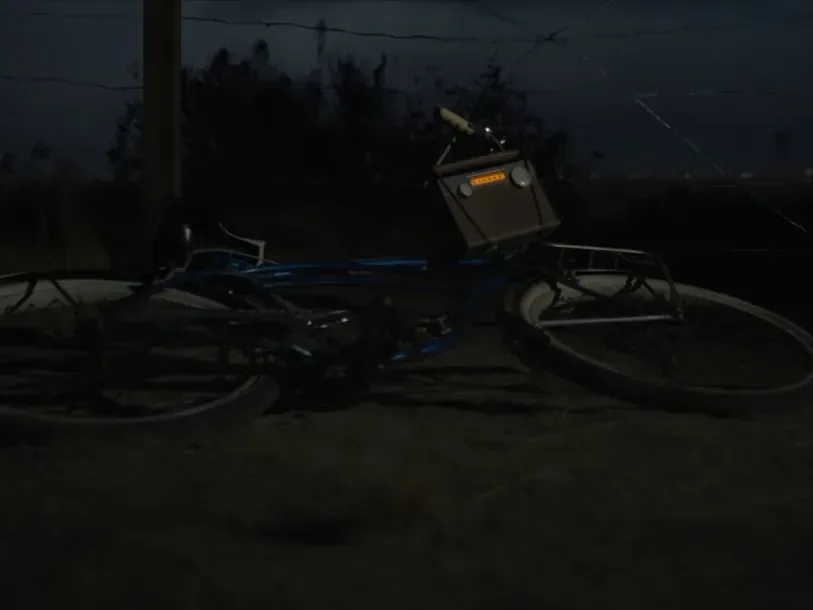
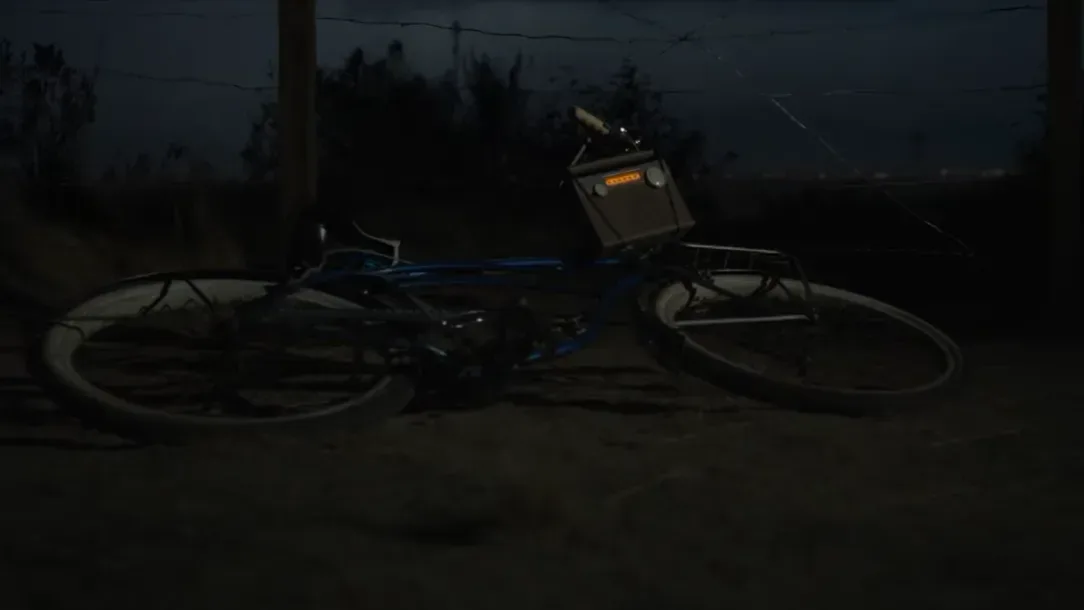
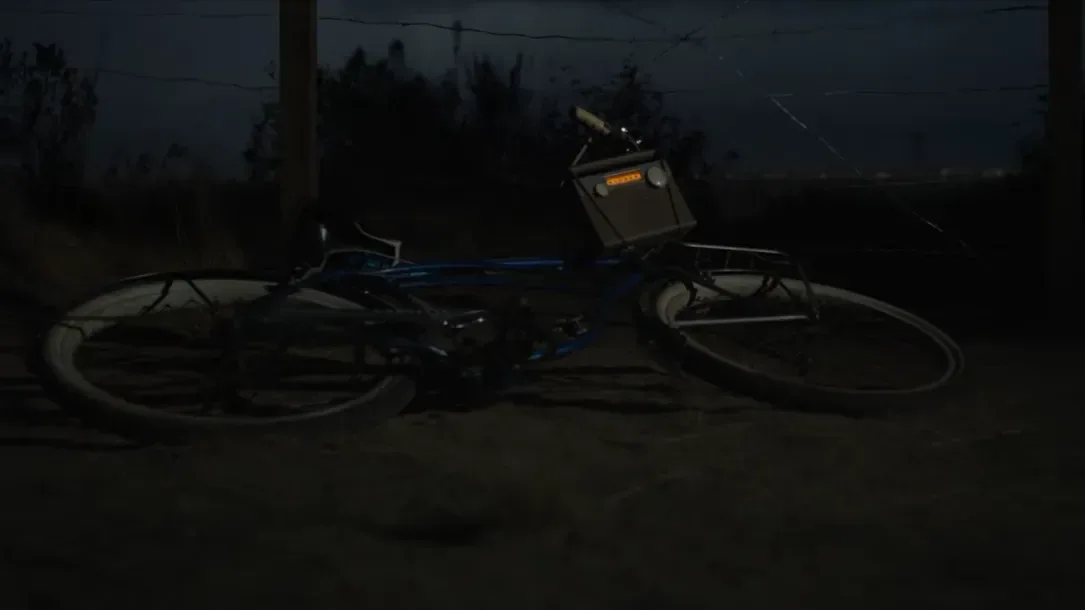
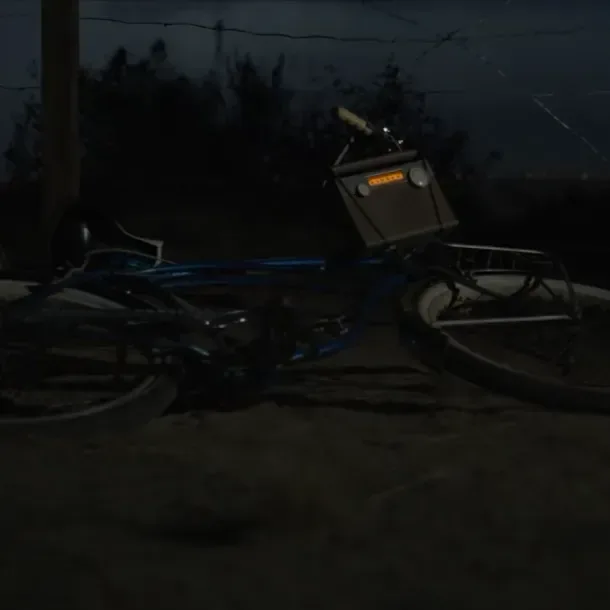
Very little is shown, but the images are deliberate. A discarded bicycle sits near a fenced restricted zone. A sign warns that deadly force is authorized. The camera then moves toward a brightly illuminated facility at night before turning its attention upward to the sky. It is an economical batch of clues, though one that brings government secrecy, dangerous scientific boundaries and an unknown presence into the same frame.
The safest read is that the teaser is establishing questions rather than answering them. Who operates the facility, why is the area guarded so aggressively, and what is in the sky are all unresolved. But the show’s confirmed position in the 1950s gives those questions a different texture from the original series’ Hawkins stories. This is a new place at a much earlier point in the franchise’s internal history, with its own characters and problems.
A clean slate, but not a disconnected one
Matt and Ross Duffer are behind Other Worlds alongside Kate Trefry, who will serve as showrunner. Trefry has worked on Stranger Things since its second season and wrote The First Shadow, tying the new series to a creator with experience expanding the story beyond television.
The creative team has described the project as a clean slate: a new town, world, mythology and cast rather than a continuation built around returning familiar faces. The Duffers have also said there will be no common characters. That distinction matters because “prequel” can mean many things. It does not necessarily mean an origin story for a known protagonist, nor does it guarantee a parade of younger versions of established characters.
Instead, the early picture of Other Worlds is a franchise story designed to work from fresh dramatic stakes. New heroes and villains have been promised, as have new themes. The show can still clarify aspects of the larger universe, but it appears intended to do that by widening its map rather than by repeatedly revisiting Hawkins.
Related coverage includes Stranger Things Prequel Other Worlds Set for Netflix in 2028.
Joe Wright will direct the first three episodes. Production is planned for New Mexico. Casting has not yet been announced, so viewers should be wary of treating the teaser’s short visual sequence as confirmation of particular characters or connections beyond what has been stated. The facility, bicycle and sky are clues; they are not a full plot outline.
The big mythology question it may address
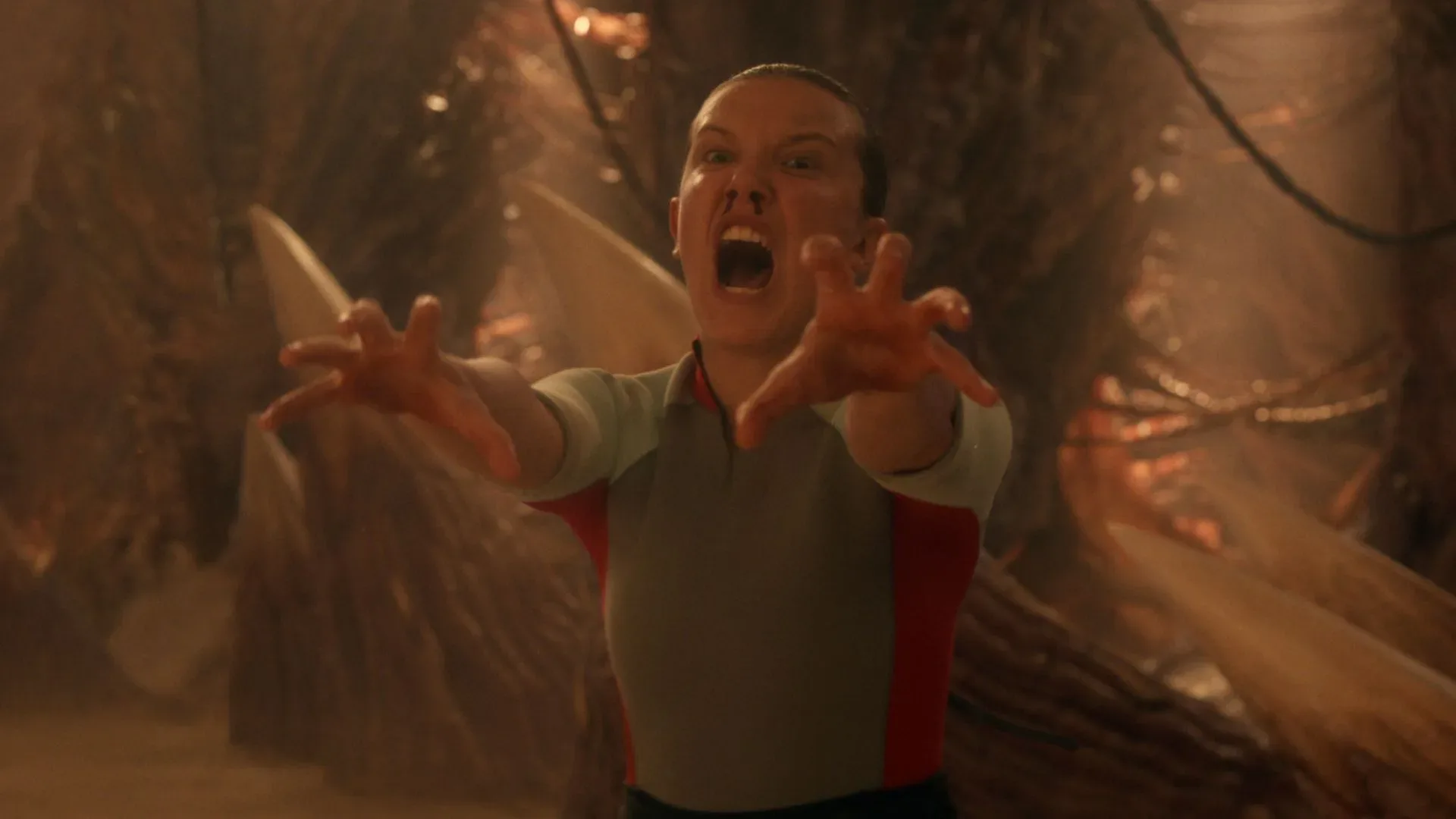
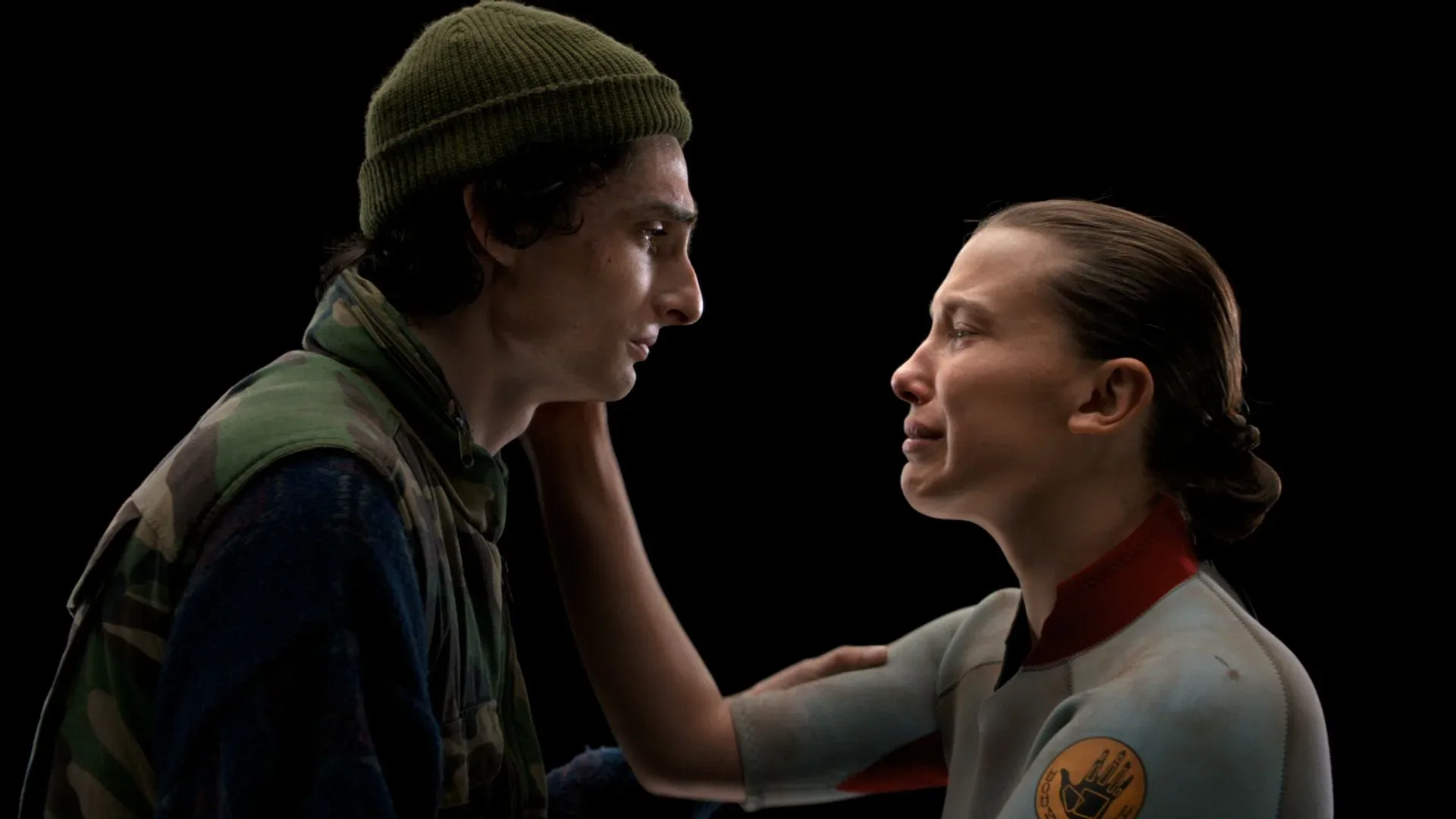
Although the series is being positioned as a fresh start, it has a clear potential connection to one of the most important unresolved details from the end of Stranger Things. The Season 5 finale returns to a traumatic memory for Henry Creel, later known as Vecna. In that memory, child Henry kills an unnamed scientist and opens the scientist’s briefcase.
Inside is a strange rock carrying an unknown energy. It glows and fuses with Henry, beginning the process by which he becomes connected to the Mind Flayer. The finale establishes the event as pivotal to the chain of events that later defines the series, but it leaves the object’s origin and route into the human world unclear.
Additional official material identifies the rock as containing Mind Flayer particles that possess Henry. That settles one element of the mystery: the object is not simply an unexplained source of power. It is directly linked to the entity at the center of the franchise’s threat. It does not, however, explain how the material arrived, who understood its significance, or what the unnamed scientist was doing with it.
The Duffers have indicated that Other Worlds will provide an explanation for the rock and other loose threads. At the same time, they have drawn an important boundary around that promise. The new show is not being framed as an exhaustive study of the Mind Flayer. Its mythology is described as different and new.
That wording suggests the eventual answer may be one component of a broader Marion story, not an excuse to turn every episode into a lore lecture. In practical terms, viewers should expect the prequel to offer context that changes how an older mystery is understood, while retaining a separate central conflict and identity of its own.
What “mythology” means here
In franchise storytelling, mythology generally means the underlying rules, origins, places, entities and historical events that link separate stories together. It is not the same thing as plot. A plot might concern the immediate danger facing Marion and its residents; mythology concerns the larger system of ideas that explains why that danger exists and how it relates to other corners of the universe.
The teaser’s restricted facility is a useful example. The footage confirms that a guarded site exists in Marion in 1955. Any claim that it is tied to a particular program, organization or dimension would currently be inference. The series’ mythology may eventually give that facility a defined role, but the trailer has not done so yet.
How The First Shadow fits into the timeline
The First Shadow already provides some relevant background, albeit in deliberately incomplete terms. The stage play confirms that Henry and the scientist are transported to what was then called Dimension X. When Henry returns, he is substantially changed, and Dr. Brenner later uses him in experiments at Hawkins National Laboratory.
The play also reaches further back to a 1943 United States experiment intended to make submarines invisible during World War II. That experiment leads to travel to Dimension X. It raises a plausible question about whether the rock connected to Henry might have originated there and crossed into the human world through those events. But that remains a possibility, not a confirmed chain of custody for the object.
This is precisely where Other Worlds has room to operate. Its April 1955 date falls after the 1943 event referenced in the play but before Henry’s 1959 Hawkins story. Marion could reveal another stage in the franchise’s history of contact with unexplained realms or materials. Yet the current information does not establish that the Nevada facility is connected to the 1943 experiment, Dimension X, Henry, or Dr. Brenner. The chronology makes questions possible; it does not supply answers on its own.
That caution is useful for fans trying to assemble a timeline from the teaser. A prequel does not automatically make every visual detail an Easter egg. The bicycle might become meaningful, but it may also simply create an immediate sense that something has gone wrong near the restricted area. The skyward ending can evoke a larger threat without identifying it. The trailer earns its tension by withholding those specifics.
Why the 1950s setting could change the show’s feel
Moving to 1955 does more than place the action before the original series. It gives the creative team an opportunity to build a period-specific setting while maintaining the supernatural mystery and spectacle associated with the franchise. The stated plan for a new era and characters means the show’s emotional center will need to be established on its own terms rather than borrowed from Hawkins’ established friendships and families.
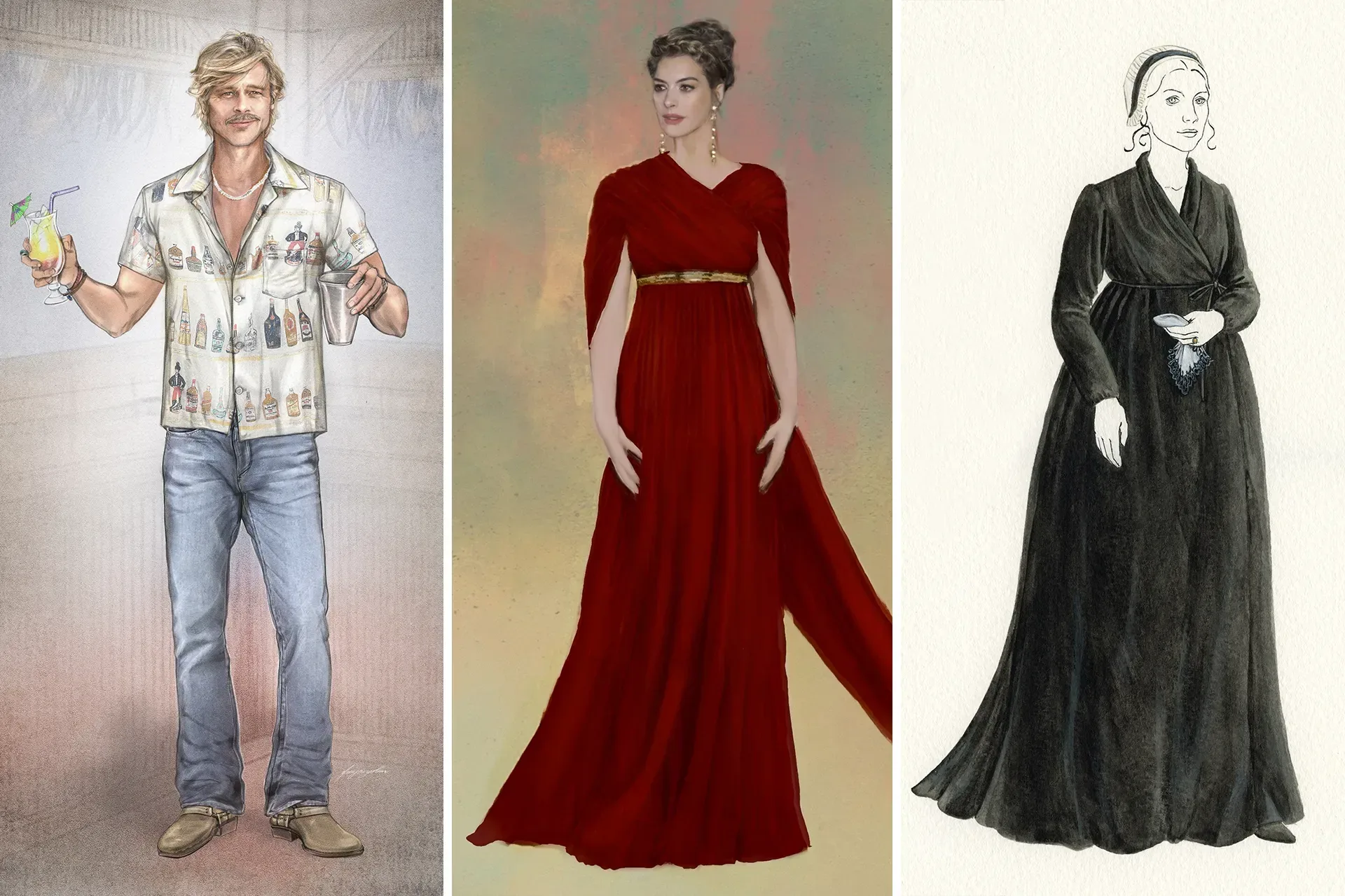
Visual period details will naturally be part of that work. Costumes, props and locations often establish social roles, setting and character before a story spells them out; Joking Joystick has explored how costume departments can communicate a character arc before dialogue. For Other Worlds, the challenge is especially clear: the production needs to make mid-century Marion feel like a lived-in world while allowing the facility and the strange sky to disrupt that apparent normality.
The title itself also signals an expansion in perspective. Other Worlds: A Stranger Things Adventure is explicitly connected to the parent series, but “Other Worlds” points away from one town as the sole center of the story. Whether that refers to physical locations, alternate dimensions, a new group of people, or several of those ideas at once is not yet specified.
What is confirmed, and what remains unknown
At this stage, the firm details are straightforward:
- Other Worlds: A Stranger Things Adventure is a live-action Stranger Things prequel series.
- It has a 2028 Netflix release window.
- Its teaser identifies Marion, Nevada, on April 19, 1955.
- The series is set before the original show and before the 1959 events explored in The First Shadow.
- Kate Trefry is showrunner, with Matt and Ross Duffer involved.
- Joe Wright is directing the first three episodes.
- Production is expected to take place in New Mexico.
- The series will introduce new characters, themes and mythology, with no shared characters promised.
- The creators have said it will address the mystery around the rock that carried Mind Flayer particles and affected Henry Creel.
Much remains unannounced: the cast, a precise premiere date, the identity of the facility’s occupants, the nature of the threat in Marion and the exact manner in which the new mythology intersects with established events. That is a substantial amount of empty space, but it is intentional empty space. The teaser gives the audience a place, a date, an image of institutional danger and a reason to look upward. For now, that is the adventure’s opening move.