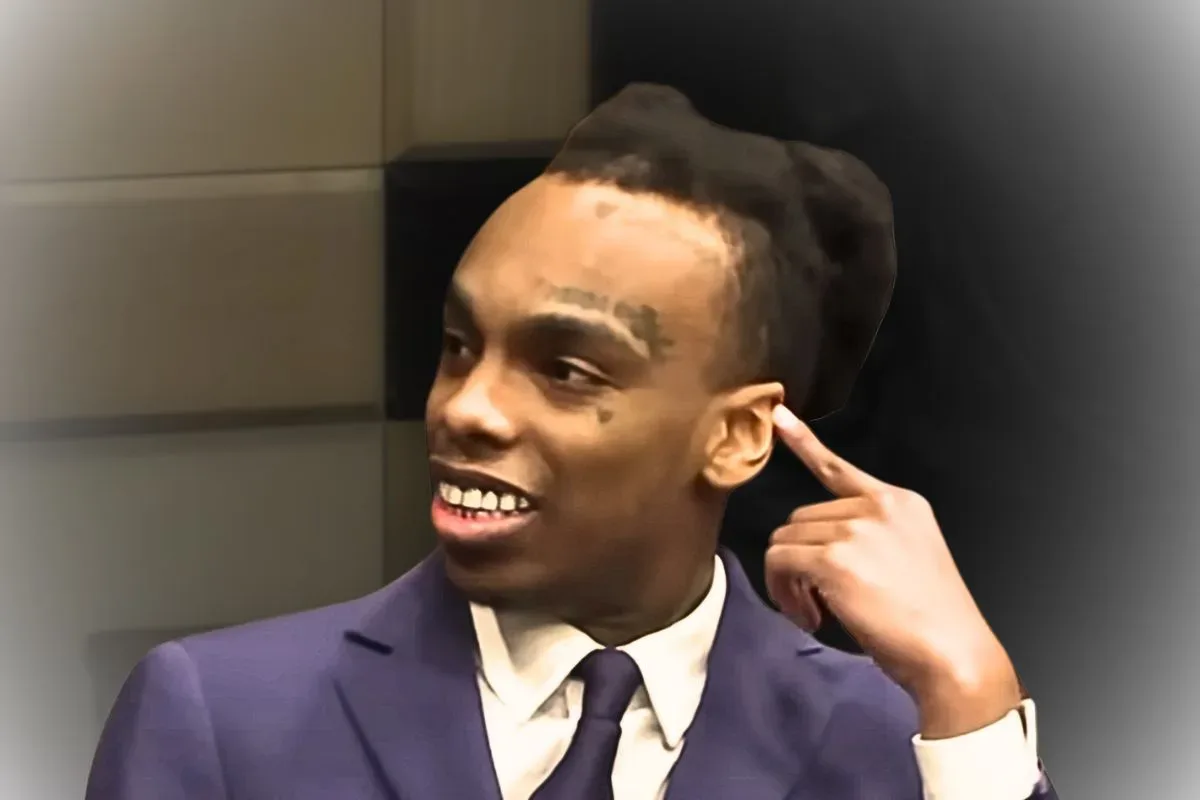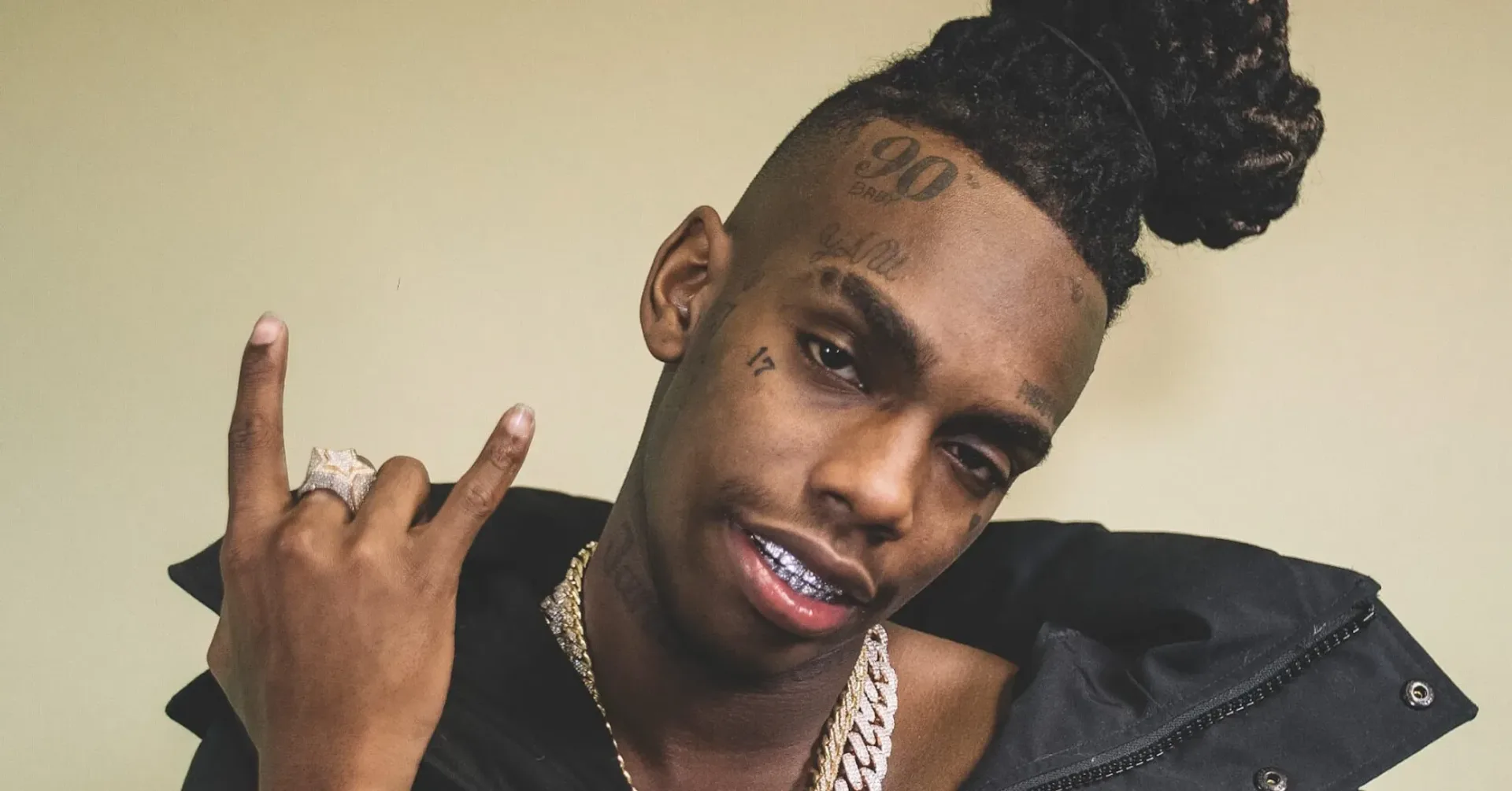
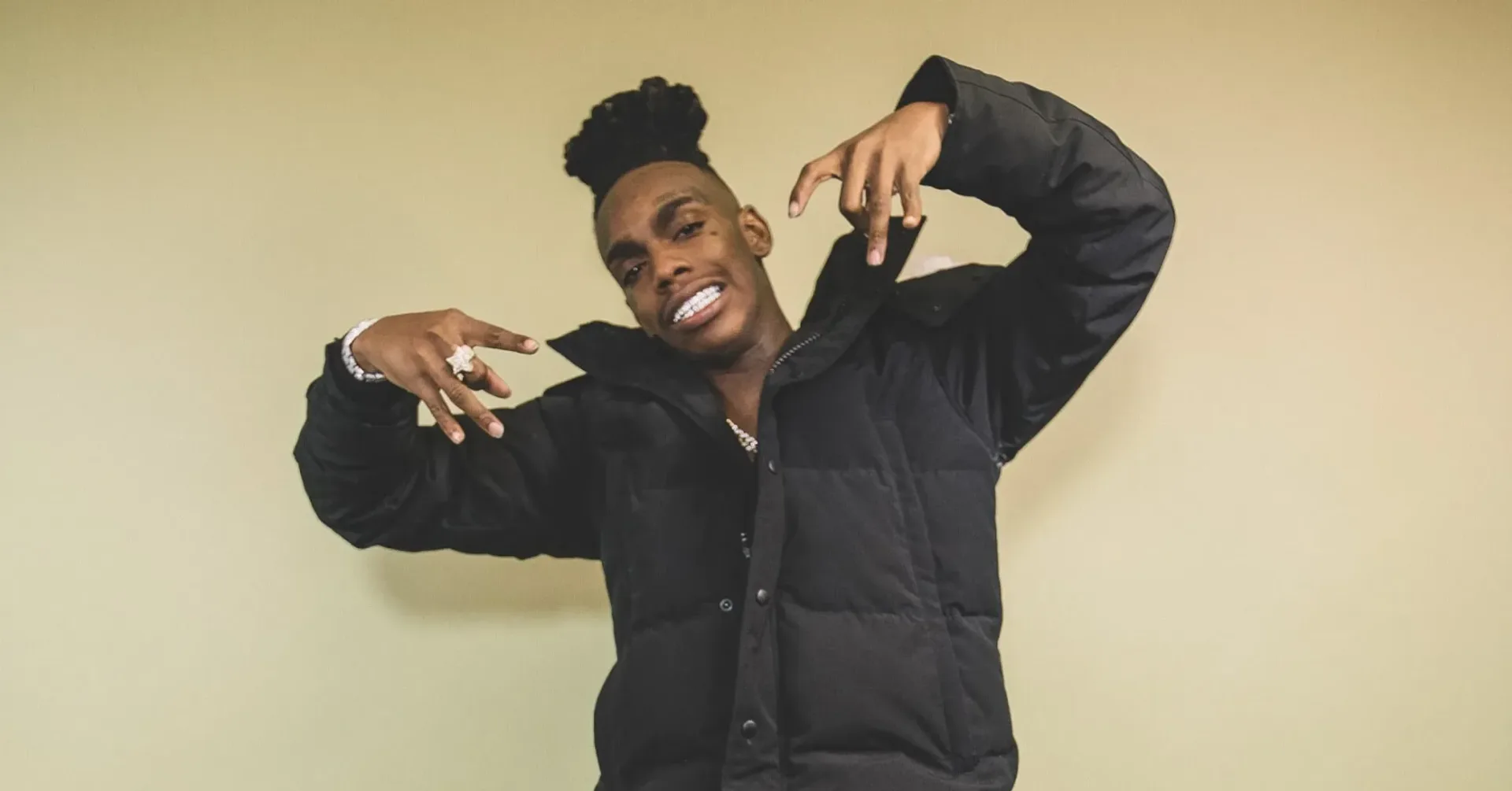
Casey Anthony is reportedly assisting work connected to YNW Melly’s defense as the rapper awaits a Florida double-murder retrial currently scheduled to begin January 6, 2027. The reported role is not as a lawyer or courtroom representative. Instead, Anthony is said to be working as a research assistant for private investigator Pat McKenna, who was hired by a law firm representing Melly.
The reported arrangement has drawn attention because it links two cases that have each held an unusually prominent place in American crime-media culture. But the practical point is narrower than the headline: if the report is accurate, Anthony would be aiding investigative and case-preparation work, while Melly’s attorneys remain responsible for legal strategy and advocacy in court.
What has been reported
Anthony reportedly is helping the defense with matters tied to preparation for the upcoming proceedings. Specific duties, research materials, and any resulting work product have not been detailed publicly in the information available here. That limitation matters. A research-assistant role can encompass many activities, and the report does not establish what Anthony has reviewed, what conclusions she may have reached, or whether any work will be used in court.
Pat McKenna is described as a private investigator retained by a law firm representing Melly. A private investigator is typically brought in to support a legal matter through fact development rather than to argue the case before a judge or jury. Depending on the assignment, that can include reviewing records, organizing timelines, locating or interviewing potential witnesses, examining claims, or helping counsel identify questions that require further investigation.
Research assistance is therefore not itself evidence and should not be treated as proof of a defense claim. Its value, if any, depends on the underlying facts, the work of the legal team, the applicable rules of evidence, and the decisions of the court.
The case is heading toward a retrial
YNW Melly remains in custody while awaiting the retrial. He is accused of killing YNW Juvy and YNW Sakchaser in 2018, with prosecutors alleging that the crime scene was staged to resemble a drive-by shooting alongside YNW Bortlen. These are allegations, not findings of guilt.
The earlier trial ended in a mistrial in 2023. A mistrial means that a trial concluded without a verdict that resolves the charges. It does not amount to an acquittal or conviction. In this case, it has left the state able to pursue another trial under the current schedule.
The planned start date is January 6, 2027, provided the schedule does not change. Court calendars can shift for many reasons, including pretrial motions, evidence disputes, witness issues, scheduling needs, and jury-selection logistics. For now, the date gives the parties a reference point for preparation rather than a guarantee that the case will be completed on that timetable.
Jury selection is an especially consequential stage in a highly visible criminal matter. The process aims to identify jurors who can assess the admitted evidence and follow the court’s instructions despite publicity, prior awareness, or strong opinions about the people involved. That task may be particularly demanding in a case with years of public attention and an additional report involving Anthony.
Why the Anthony connection is attracting attention
Anthony was the defendant in a widely watched Florida criminal case involving the death of her daughter. She was accused of murder, while the court convicted her on four counts of lying to police; two of those counts were later overturned. Her history of national attention is the principal reason this reported research role has become a story in itself.
Still, public notoriety is not a legal qualification, legal argument, or indicator of what a jury should decide. The relevant question for the retrial will be whether the parties can present admissible evidence and arguments that meet the required standards, and whether jurors are persuaded by that material. The reported work relationship does not alter the presumption that Melly must be treated as not guilty unless the prosecution proves its case beyond a reasonable doubt.
It also does not establish that Anthony will testify, attend proceedings, or have any visible role once the trial begins. Those are separate possibilities, and none is confirmed by the reported research-assistant arrangement. Readers should be wary of treating the unusual association as a substitute for developments in the actual court record.
What an investigator can and cannot do for a defense
In a criminal defense, investigators may help lawyers test the reliability and completeness of a case. That work can matter because criminal trials turn not just on broad narratives but on details: the sequence of events, the consistency of accounts, the availability of records, and whether a proposed witness or item can properly be presented to the jury.
But investigators do not decide whether evidence is admissible. Judges make rulings on legal disputes, and juries weigh the evidence they are allowed to hear. A defense team can investigate a lead extensively, yet still be unable to introduce certain information if it does not satisfy courtroom rules. Conversely, investigative preparation can help counsel recognize weaknesses or gaps before trial even when it never becomes a public-facing part of the defense.
This is why the reported arrangement should be understood as preparatory rather than determinative. It may be meaningful to the defense’s internal work, or it may have little impact on the arguments eventually heard in court. The available report does not provide enough detail to responsibly predict either outcome.
Where the related case stands
YNW Bortlen pleaded no contest to accessory after the fact and received a 10-year jail sentence. That outcome is separate from Melly’s pending prosecution. A plea or sentence involving one person does not resolve another defendant’s charges, and it should not be read as a verdict in Melly’s case.
Melly’s continued detention ahead of the retrial has also been a point of criticism from his legal team and supporters, particularly following the 2023 mistrial. The supplied information says he remains behind bars and that his team has challenged the lack of bond. No further detail about the court’s reasoning on custody or bond is available here, so the issue should not be reduced to speculation.
While the criminal case remains unresolved, Melly has also released music from prison. That continuing public profile helps explain why developments around the retrial draw scrutiny. In music coverage, cases involving performers can quickly generate theories and personality-driven discussion; the useful distinction is between cultural attention and procedural facts. The latter will determine what happens in court.
For a separate look at how a lyric can prompt intense speculation without confirming a target or intended meaning, see the discussion around Drake’s “Ya Hit” verse.
What to watch as January approaches
- Pretrial rulings: Decisions about what evidence, testimony, and arguments may be presented can shape the boundaries of the trial.
- Jury selection: The court will need to assemble jurors capable of deciding the case on the evidence rather than its surrounding publicity.
- Schedule changes: January 6, 2027, is the current planned start date, but pretrial developments can affect timing.
- Verified court developments: Claims about participants’ roles should be separated from what is established in filings, rulings, or proceedings.
For now, the notable development is the reported investigative connection between Anthony and a member of Melly’s defense team. It is an attention-grabbing detail in a case already familiar to much of the public, but it does not answer the central question of the retrial. That answer will depend on the evidence presented under court supervision and the jury’s eventual verdict.