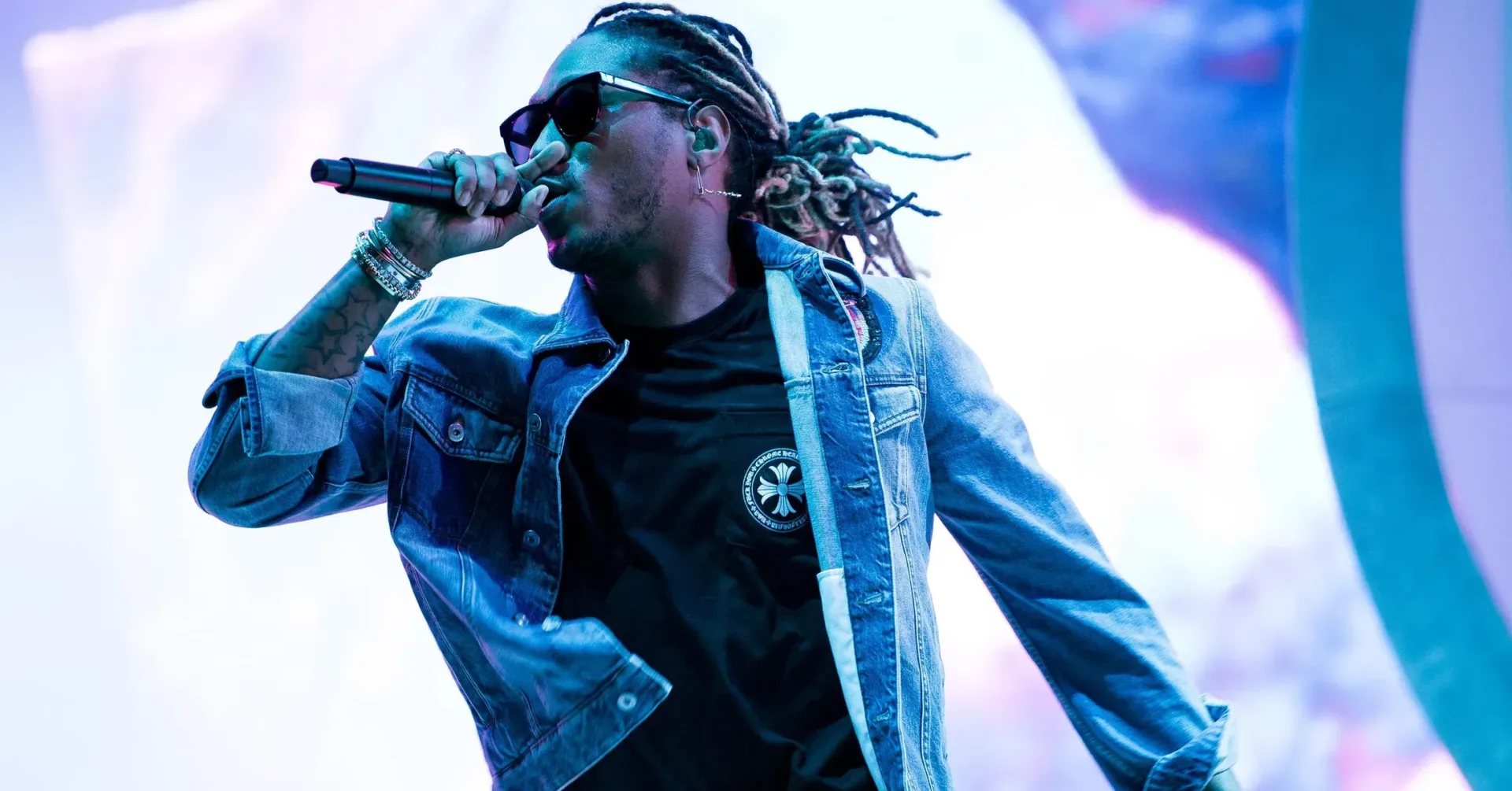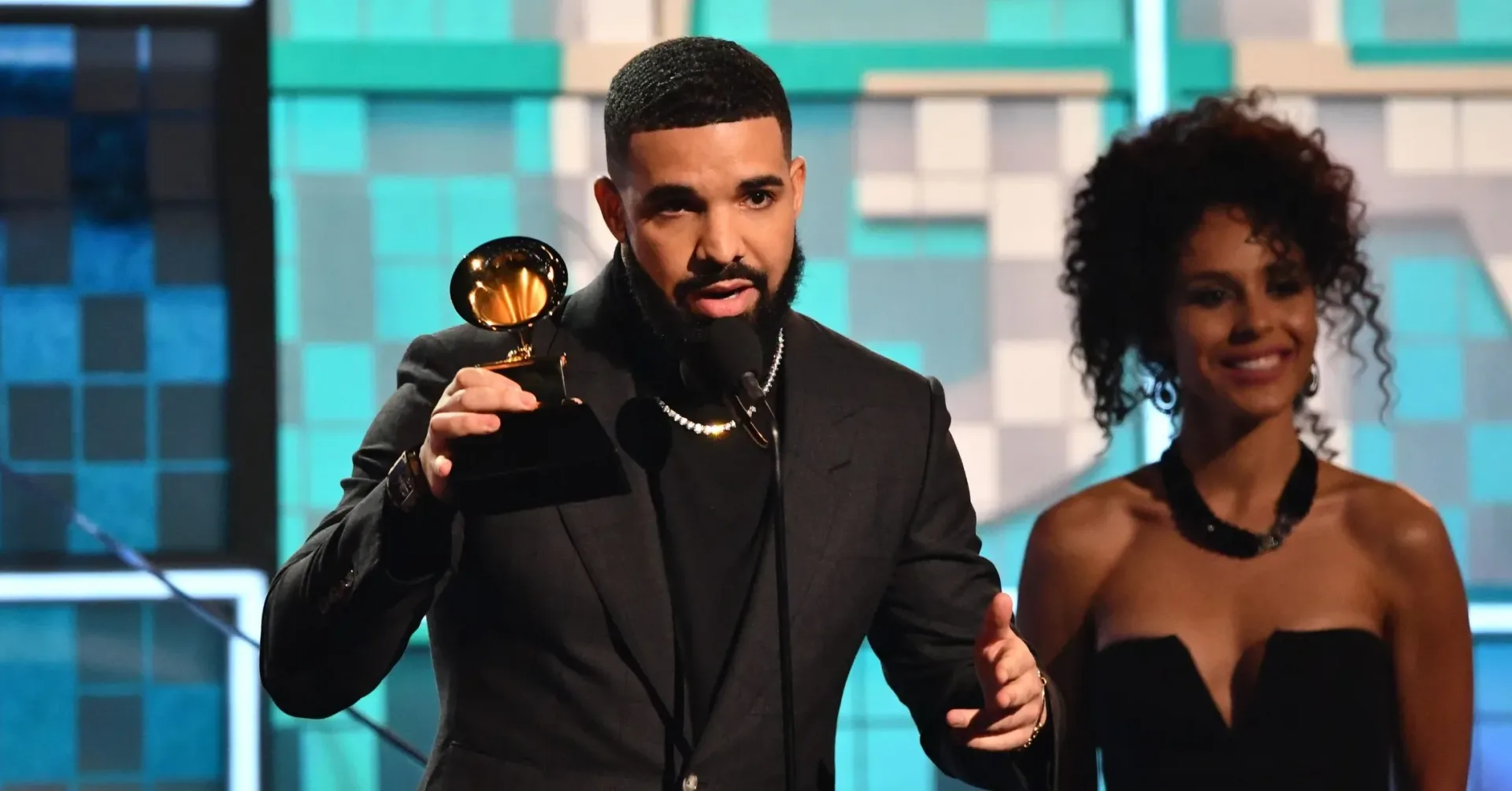
Drake has joined Future, Travis Scott and Loe Shimmy on “Ya Hit,” a collaboration being described as the lead single for Future’s next album. The multi-artist record has quickly generated a second conversation beyond its lineup: a pointed Drake lyric that listeners are treating as a possible subliminal.
The line is direct without being specific: “Your album ain't gettin' no better, it's done, so submit it.” It criticizes an unnamed artist for continually revising a project rather than releasing it. No person is named in the lyric, and there is no confirmation of who, if anyone, Drake means. That absence is exactly why the bar has become an open-ended debate rather than a settled answer.
What a “subliminal” means in this context
In rap discussion, a subliminal is an indirect diss: a line understood by some listeners as a shot at a particular person even though the person is not explicitly identified. The approach differs from a direct diss record, where names, unmistakable references or an explicit conflict make the intended target much clearer.
That distinction matters for “Ya Hit.” The lyric contains a recognizable criticism—an album that is supposedly finished but still unreleased—but it does not include a title, date, collaborator, label, personal detail or other concrete marker that would tie it decisively to one artist. A bar can be confrontational and still be intentionally broad. It may refer to a private exchange, a general industry observation, several people at once, or no particular artist at all.
For listeners, that ambiguity creates the familiar puzzle-like appeal of a subliminal. Fans compare the wording with rumored albums, shifting rollout plans and well-known rivalries. But inference is not evidence. Until Drake clarifies the line, the responsible reading is that the verse has prompted theories—not that it has conclusively targeted anybody.
Why several names have entered the conversation
A$AP Rocky is among the artists listeners have connected to the lyric because Don’t Be Dumb (Disc 2) is being prepared for release. JAŸ-Z has also been mentioned amid rumors of a new album, alongside his identification as the 2027 Super Bowl Halftime Show headliner. Both associations depend on the broad idea of an anticipated project, rather than on anything in the verse that names either artist.
Kendrick Lamar is another frequent suggestion, largely because Drake and Lamar have a public history following the major rap feud of 2024. That history makes any combative Drake lyric likely to invite a Kendrick interpretation. Yet a prior rivalry does not turn an unnamed line into a confirmed reference. It explains the audience’s suspicion, not the author’s intent.
DJ Khaled has been raised as a further possibility because Aalam of God did not arrive on its expected July release date and no replacement date has been provided. Again, that is a plausible frame for fan discussion, not an established identification. The phrase “submit it” can be read as pressure to stop revising and send a finished project out into the world, but it is too general to function as proof.
Related coverage includes Drake’s “Ya Hit” Verse Fuels Debate Over a Possible Subliminal.
The practical lesson: separate lyric reading from confirmation
Online music conversation often moves rapidly from “this could be about” to “this is about.” “Ya Hit” is a useful example of why those are different claims. The supported facts are that Drake appears on the song, that he delivers the quoted lyric, and that listeners have proposed several possible targets. The targets themselves remain speculative.
That does not make the debate pointless. Interpreting references, tone and timing is part of how rap audiences engage with records. It does mean that a strong reading should state its limits. A fair description is that the bar may be a subliminal and has fueled debate; saying it definitively attacks a named artist would go beyond what the lyric establishes.
From preview to new collaboration
“Ya Hit” was initially previewed at Drake’s 40th birthday party the previous month, but that preview presented it as a record involving Future, Travis Scott and Loe Shimmy. At the time, many listeners assumed it was Loe Shimmy’s song. Drake’s eventual presence changes the perceived shape of the release: what first looked like one configuration of artists now includes one of rap’s most closely scrutinized voices.
Akademiks said Drake was especially enthusiastic about the track and joined it within the last few weeks. That account supplies a possible explanation for why Drake was absent from the early preview while appearing on the released version. It should still be understood as a reported account of the recording process, rather than a full official breakdown of how the song came together.
The song also continues Drake and Future’s run of working together. They recently appeared with Molly Santana on “Run To Atlanta,” a track from Drake’s ICEMAN era. That pairing was described as their first collaboration since the 2024 rap feud, making “Ya Hit” another notable installment in their renewed creative overlap.
Collaborations can carry their own narrative weight in a genre where guest verses are routinely examined for alliances, tensions and strategic messaging. Still, the presence of Future, Travis Scott and Loe Shimmy does not itself explain Drake’s lyric. The record’s group format gives the line a wider audience; it does not supply an answer to its target.
Why album-rollout language hits differently
The wording of Drake’s verse lands because unfinished or repeatedly delayed albums are unusually visible in modern music culture. Artists and teams can preview songs, post snippets, discuss titles, signal release windows and build anticipation long before a final project appears. When that schedule shifts, every later reference to a delayed album can sound personal—even if it was written to be broadly applicable.
“Submit it” is particularly effective phrasing because it evokes the final administrative step after the creative work: turning in the material. In ordinary use, that language implies a completed task that is being held back unnecessarily. As a rap bar, it turns delay into a competitive weakness. Rather than arguing that the opponent cannot make good music, it suggests the opponent cannot decide when the music is ready.
That is why the line can support multiple theories. It is narrow enough to sound like an informed jab and broad enough to fit several artists who have projects in circulation, in rumor or without a firm date. The ambiguity may be frustrating for anyone seeking a definitive answer, but it is also what keeps the verse in conversation.
What to watch without overstating the case
- Further lyrics: A later verse with names or distinctive details could make the intended reference clearer.
- Artist responses: A reply, whether on social media or in music, could add context—but would still need to be read carefully.
- Release news: Confirmed updates involving the albums listeners have connected to the line may alter the surrounding conversation, though they would not retroactively prove Drake’s intent.
- The song’s own credits and positioning: Because “Ya Hit” has been framed as part of Future’s next-album rollout, official release information could clarify the track’s role without resolving its lyrical mystery.
For now, “Ya Hit” works on two levels. It is another gathering of Drake, Future, Travis Scott and Loe Shimmy, and it is a reminder of how efficiently one nonspecific line can set off rap’s interpretation machine. The strongest conclusion is also the simplest: Drake has delivered a provocative album-focused verse, but the identity of its target remains unconfirmed.
For a separate music-and-games-adjacent look at one of the medium’s biggest upcoming releases, see our guide to GTA VI family controls on PS5 and Xbox.