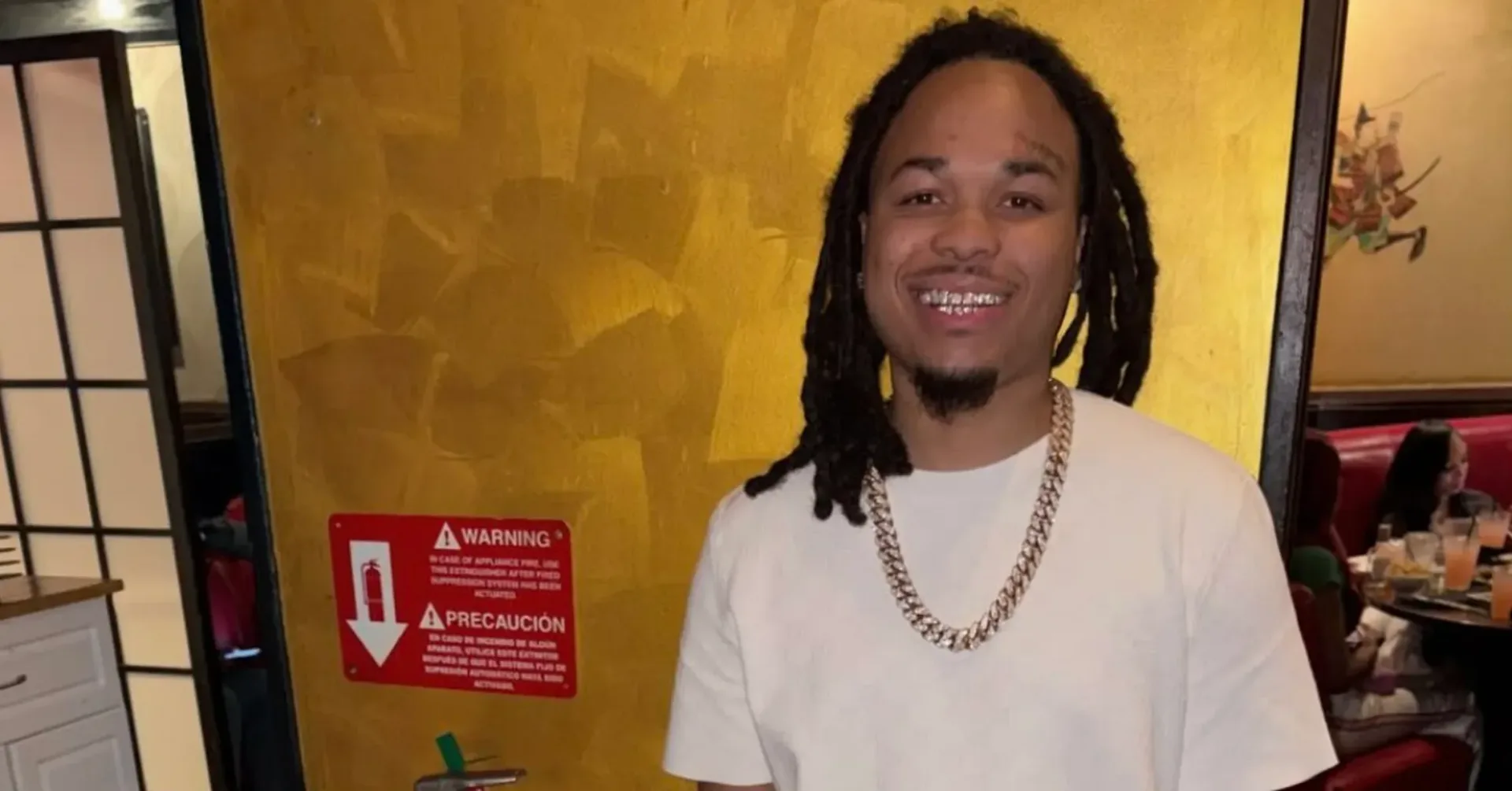
YNW Melly, whose legal name is Jamell Demons, has added defense attorney Drew Findling to his legal team as he awaits a Florida retrial on two first-degree murder charges. The next major court date is scheduled for Jan. 6, 2027, extending a case that has kept the rapper in custody since February 2019.
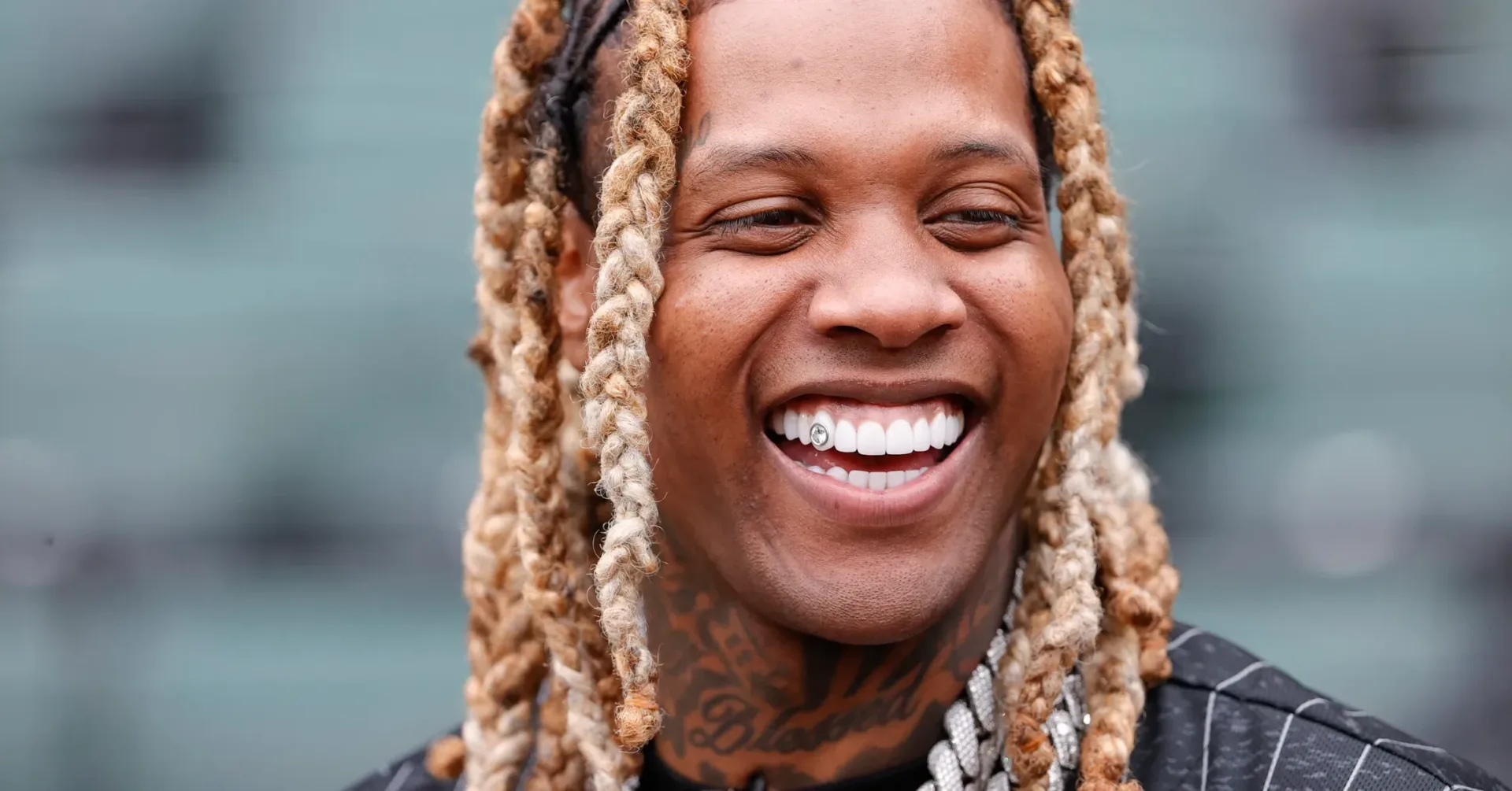
Findling arrives after serving on the legal team for Lil Durk in a separate federal murder-for-hire case in Los Angeles. A federal jury acquitted Durk of all charges on Sept. 11 after three days of deliberations. That outcome does not determine what will happen in Demons’ case, which involves different allegations, evidence and a different court process. But it gives the defense a prominent new lawyer entering a case with exceptionally high stakes.
Demons is charged in connection with the deaths of Anthony Williams, known as YNW Sakchaser, and Christopher Thomas Jr., known as YNW Juvy. Both men were reportedly friends of Demons. Prosecutors are still seeking the death penalty if he is convicted.
The central legal reality remains straightforward: charges are accusations, and Demons has not been convicted. His first trial ended in July 2023 without a verdict because the jury could not reach a unanimous decision. Prosecutors then elected to pursue another trial, but the retrial has encountered delays and disputes concerning evidence.
Findling criticizes the length and conditions of detention
In a Sept. 24 interview with attorney Moe Gangat, Findling sharply criticized both the time Demons has spent in custody and the conditions he said the rapper has faced while awaiting trial. Findling described the situation as an injustice and said Demons had been held in solitary confinement for three and a half years.
“There’s no way that this young man of color should be seven and a half years, sitting in jail, waiting for his time to prove his innocence,” Findling said, also questioning the reported period of solitary confinement.
Those comments are the defense attorney’s assessment of the case and detention conditions, rather than a ruling by a court. Still, they put the coming legal fight in focus: this is not simply a retrial after a hung jury, but a retrial following years of pretrial custody and continuing litigation over evidence.
Pretrial detention means a defendant is held before a case has been resolved at trial. It is legally distinct from a prison sentence imposed after conviction. A defendant may remain in custody while a case proceeds, but the passage of time can become a major issue in public discussion and legal strategy, especially when a retrial follows a jury deadlock.
Related coverage includes Drew Findling Joins YNW Melly Defense Ahead of January 2027 Retrial.
Solitary confinement is also a serious and separate issue from the underlying criminal charges. Findling’s assertion that Demons has spent three and a half years in solitary concerns the reported conditions of confinement, not whether the prosecution can prove its case at a future trial.
What the 2023 hung jury means—and what it does not
The July 2023 trial ended after jurors failed to reach a unanimous decision. That result is commonly called a hung jury or a mistrial resulting from jury deadlock. It is not an acquittal, but it is not a conviction either.
In practical terms, the absence of a unanimous verdict left prosecutors able to seek a new trial. It also meant that the initial proceeding did not produce a final answer to the allegations. The case therefore moved into the retrial phase, where scheduling, motions and evidence disputes have continued to shape the timing of the next courtroom confrontation.
For observers, it is important not to read too much into a hung jury without information about the jury’s deliberations and the evidence presented. A deadlock establishes only that the original jury did not reach the unanimous verdict required to resolve the charges. It does not by itself reveal how jurors split, why they disagreed or how a new jury will assess the case.
The retrial will be a new opportunity for prosecutors to seek a conviction and for the defense to contest the allegations. The parties may revisit arguments about what evidence should be presented, which helps explain why litigation over evidence matters so much before a case returns to jurors.
A death-penalty case raises the stakes further
Prosecutors are continuing to seek the death penalty if Demons is convicted. That makes the January 2027 proceeding more consequential than an ordinary criminal trial and places enormous importance on the preparation undertaken by both sides.
The supplied case details do not establish what specific evidence will be permitted at retrial or how the court will resolve the outstanding disputes. Those are questions for the legal process ahead. What is clear is that the potential punishment heightens the significance of every major decision: trial scheduling, evidentiary challenges, jury selection and the defense’s presentation of its case.
Findling’s involvement also creates an obvious point of attention because of his recent work on Lil Durk’s successful defense. Yet courtroom outcomes are case-specific. The fact that Durk was acquitted in a federal case in Los Angeles does not function as evidence in Demons’ Florida proceedings, nor does it forecast a particular verdict. It does, however, explain why Findling’s entry into the defense team is drawing notice.
Why the January date matters
Jan. 6, 2027 is identified as the next major showdown in the case. After years of custody, a first trial ending without a verdict and repeated retrial delays, the date is significant because it is the next scheduled moment at which the case could advance toward a final jury determination.
Scheduled dates can be consequential without being guarantees. The case has already seen delays and disputes over evidence, so the path to trial remains subject to further court action. Readers should distinguish between a scheduled proceeding and a completed trial: the January date signals the current plan, not a verdict or a certain endpoint.
For Demons, the period leading up to that date will likely center on the defense’s preparation for a capital case and the litigation still surrounding the retrial. For prosecutors, it is another attempt to present the murder charges to a jury after the 2023 deadlock. For the public, it is a reminder that the long-running case remains unresolved.
Separating the claims from the unresolved case
Several facts can be stated without prejudging the result. Demons has been in custody since February 2019. He faces two first-degree murder charges connected to the deaths of Williams and Thomas. His 2023 trial ended without a unanimous verdict. Prosecutors intend to seek the death penalty in the retrial. Findling has joined the defense and has publicly condemned the duration of detention and reported solitary-confinement conditions.
Other matters remain unresolved. A future jury has not decided guilt or innocence. The supplied information does not settle the evidence disputes that have delayed the retrial, and it does not establish the outcome of pending proceedings. Those distinctions are essential in any case, particularly one that involves both a retrial and a possible death sentence.
The broader discussion around prominent artists and criminal cases can easily blur separate investigations and separate defendants. For more coverage in that wider space, see this report on the BloodHound Q50 funeral and the continuing Chicago murder investigation; it concerns a different matter and should not be conflated with the charges against Demons.
As the Jan. 6, 2027 date approaches, the most meaningful developments will be formal court actions: decisions on disputed evidence, any changes to scheduling, and ultimately the presentation of the case before a new jury. Until then, Findling’s arrival adds a notable defense voice to a proceeding that has already spanned much of Demons’ adult life.