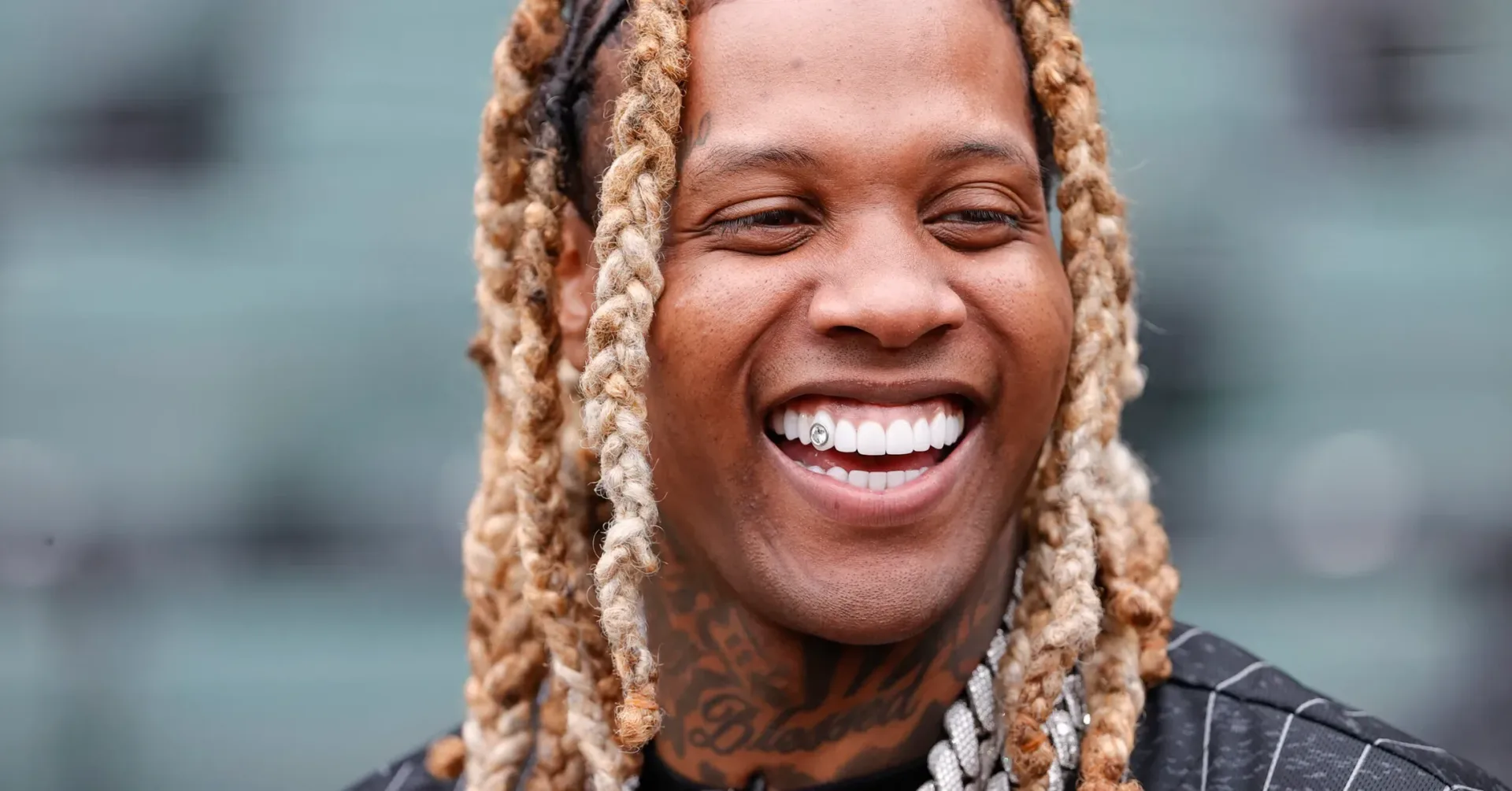
Brian Steel has described scheduling—not reluctance about the substance of the work—as the main obstacle that initially kept him from joining Lil Durk’s legal team.
Speaking in the second part of an appearance on T.I.’s expediTIously podcast, Steel said he was already carrying other professional obligations and expected to decline the request. A phone call from Young Thug, whom Steel referred to as Jeffery, caused him to reconsider and agree to a meeting.
“Then Jeffery called me and said, ‘I love Durk. Durk is my brother. I understand they’ve been calling you. Can you just make a meeting with them and work it out,’” Steel said. “I was already eager to do it. It was just my schedule.”
The account offers a narrow but useful look at how a high-profile defense team can take shape: personal trust may open the door, but availability still matters. Steel’s description does not frame the decision as a dramatic change of heart about Durk’s case. Instead, it presents a practical conflict that was resolved after a personal appeal from someone Steel had previously represented.
A scheduling issue, not a rejection of the case
The distinction in Steel’s explanation is important. Saying he was busy is very different from saying he did not want to represent Durk or lacked confidence in the defense. Steel said he was “already eager” to get involved, while emphasizing that his calendar was the issue.
That is a familiar constraint in any major legal matter. A defense lawyer’s role is not limited to appearing at trial. It can involve reviewing the prosecution’s materials, working with co-counsel, building a theory of the case, preparing witnesses, evaluating legal motions and making rapid strategic decisions as proceedings unfold. Steel did not detail which responsibilities were at issue before he joined, so it would be wrong to fill in the blanks about his exact work. Still, his comments make clear that the question was whether he could commit the time, not whether he saw value in meeting Durk’s team.
Young Thug’s intervention evidently supplied the final push. The call was also notable because Steel’s career has been closely associated with representing Young Thug. In the podcast conversation, Steel had discussed his origins in law, what he views as injustices in the legal system, and his view that rap lyrics should receive free-speech protection.
Those subjects place Steel’s Durk story in a broader conversation about the legal scrutiny facing rap artists. They do not, by themselves, establish what evidence was used or excluded in Durk’s case, nor do they determine the outcome of any future proceeding. But they help explain why Steel’s comments drew interest beyond a simple personnel story.
Steel and Drew Findling on the defense
Steel said Drew Findling had already begun the work on Durk’s defense before Steel came aboard. The two lawyers ultimately worked together in the murder-for-hire trial that ended without a guilty verdict for Durk.
A defense team with multiple attorneys is not automatically a sign of a particular strategy, and the available account does not describe how responsibilities were divided. What it does establish is that Findling got the process moving and that Steel’s later participation became part of a defense effort viewed as successful.
The result was characterized as an upset because there had been public expectations of a conviction before trial. The jury, however, found that the prosecution had not cleared the burden required for a guilty verdict.
What “reasonable doubt” means here
Reasonable doubt is the high standard a criminal prosecution must meet for a jury to convict. It does not mean jurors must regard every imaginable uncertainty as decisive, nor does it require a defendant to prove innocence. It means that, after considering the evidence, jurors must be firmly convinced of guilt before returning a guilty verdict.
In this instance, the available account says the jury concluded there was too much reasonable doubt to convict Durk in the murder-for-hire case. That finding explains the outcome, but it should not be turned into a broader claim about every allegation or every legal matter involving him. A verdict is tied to the charges and proof in the specific proceeding before the jury.
That distinction matters especially in coverage of celebrity legal cases. A courtroom outcome can quickly become compressed into a headline-sized declaration of “winning” or “losing,” even when the actual legal picture is more limited. Here, the significant takeaway is precise: the prosecution did not obtain a guilty verdict in the murder-for-hire trial because the jury found reasonable doubt.
A remaining case means the legal picture is not finished
Steel’s account arrives while Durk still has a separate matter ahead. He is expected to return to trial next summer in what has been described as a VICAR case.
The supplied information does not explain the specific allegations, evidence, procedural posture or likely schedule for that case beyond the expectation of a trial next summer. It is therefore too early to treat the earlier outcome as a prediction for the later one. Each criminal case depends on its own charges, evidence, legal arguments and jury deliberations.
“VICAR” is the label used for the remaining case in the account, but no further detail about that matter has been provided here. That uncertainty is worth keeping front and center. Legal shorthand can make a complicated situation sound settled or easily comparable when the underlying records and claims may be distinct.
For Durk’s supporters, the earlier verdict may create confidence in a team that includes Steel and Findling. For anyone following the case, though, the responsible approach is to separate confidence from certainty. The next trial has not happened, and a past verdict does not determine a future one.
Why Steel’s account resonates
The central detail in Steel’s retelling is surprisingly ordinary: time. High-profile cases can invite narratives of grand strategy, celebrity alliances and courtroom mythology. Steel’s version begins with an attorney balancing existing commitments, receiving repeated outreach and then deciding to make room for a meeting.
Young Thug’s call gave that mundane scheduling conflict emotional weight. Steel recalled being told that Durk was like a brother to Young Thug, a statement that turned an open professional request into a personal one. From there, the story moved from a possible pass to an active defense role.
It is also a reminder that legal teams are built by people, not headlines. Established professional relationships can matter. So can workload, timing and a willingness to sit down before making a final decision. Steel’s remarks do not reveal confidential strategy or offer a play-by-play of the courtroom. They do provide an explanation for how he came to be there.
The broader music-business backdrop remains relevant as artists and their representatives navigate public narratives as well as legal ones. That pressure is visible across the industry, including in recent changes at Universal Music Group, though business restructuring is separate from Durk’s legal proceedings.
For now, Steel’s story is best understood as a behind-the-scenes account of recruitment and timing. He says he was prepared to turn the work down because of his schedule, Young Thug asked him to meet with Durk’s team, and that meeting led to Steel joining Findling on a defense that secured a favorable result in the murder-for-hire trial. The remaining case ensures that the larger legal story is still developing.