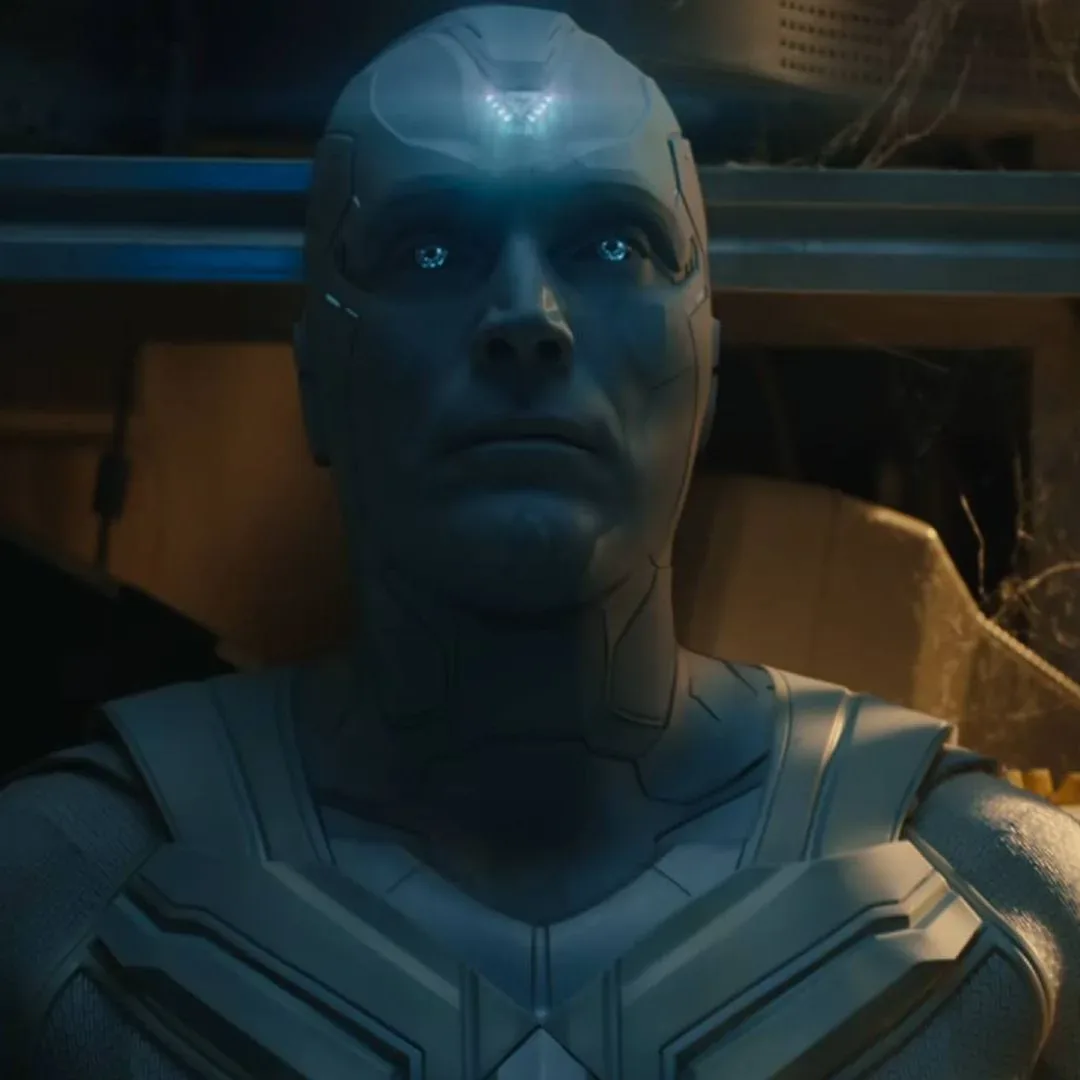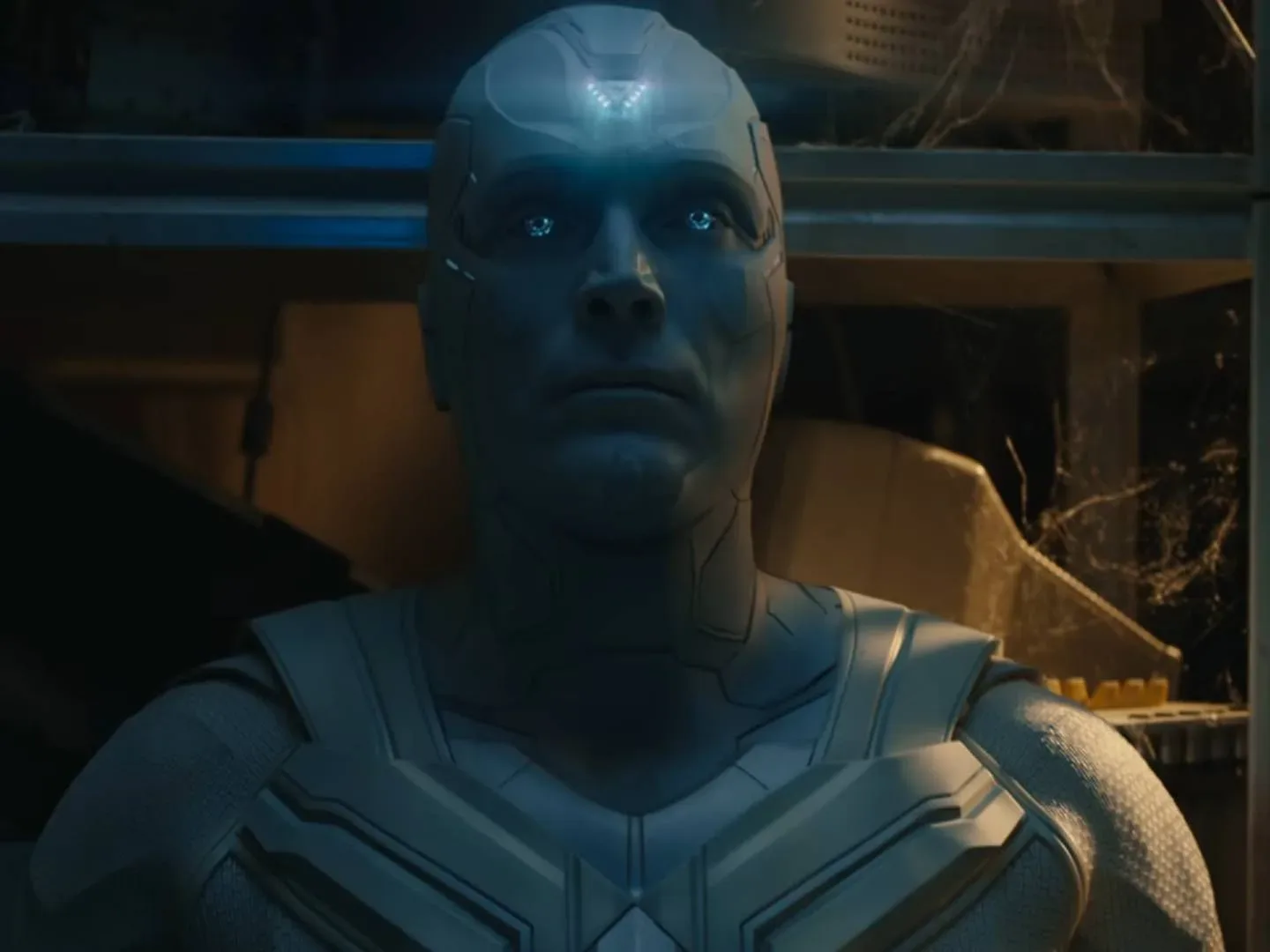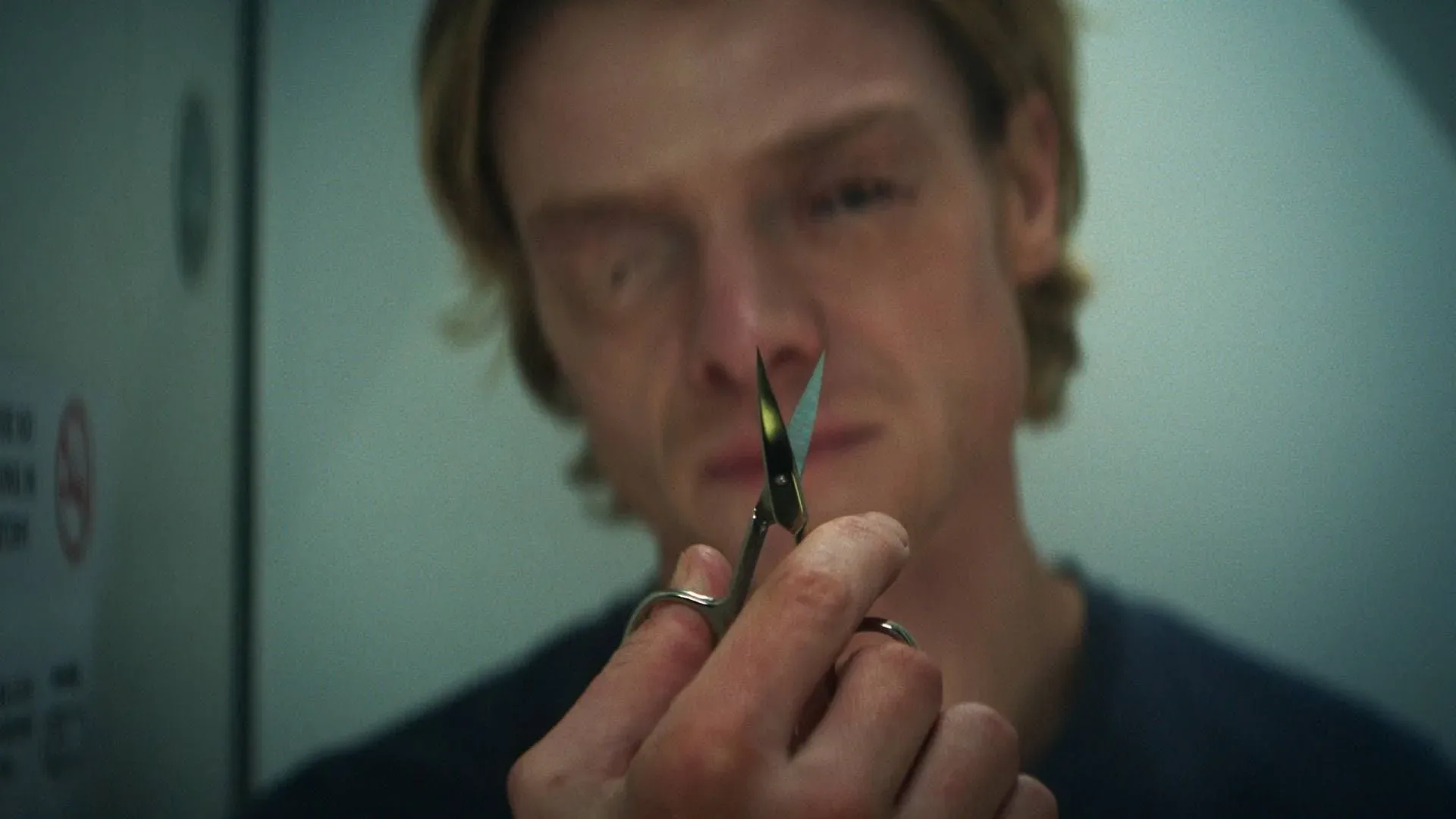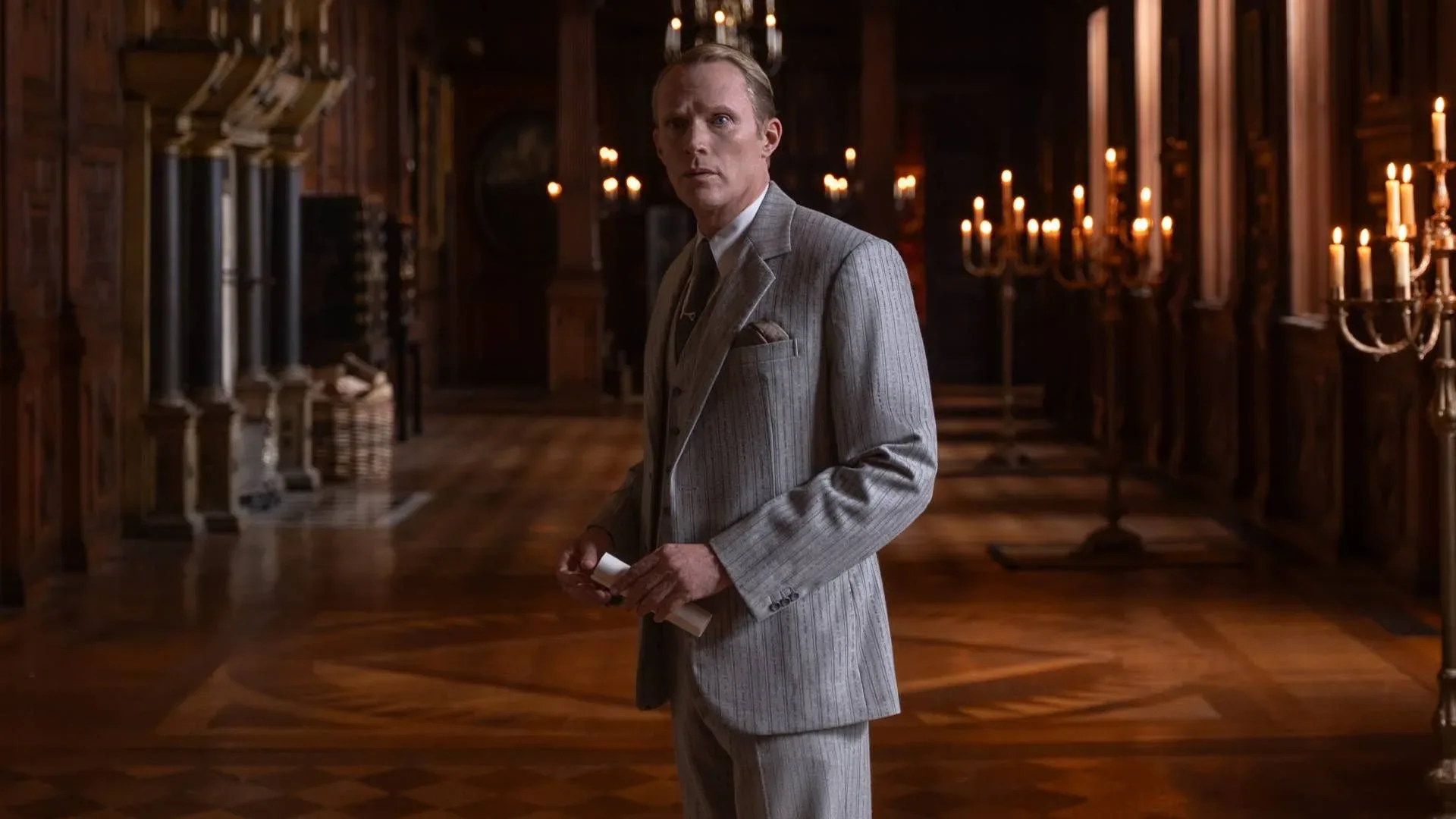
VisionQuest is keeping one major piece of its android drama under wraps. Showrunner Terry Matalas has confirmed that T’Nia Miller is playing Jocasta, while explaining that the character has intentionally been absent from much of the promotional campaign for the upcoming Disney Plus series.
The reason, in Matalas’ view, is Miller’s work. He described her performance as “revelatory,” as well as chilling, nuanced and at times heartbreaking. That language establishes an unusually emotional framing for a character whose comic-book origins are bound up in one of Marvel’s most disturbing artificial-intelligence stories.
“We have purposely kept her character out of a lot of the promotion of the show because T’Nia’s performance is revelatory,” Matalas said of Miller.
For viewers who know Jocasta chiefly as a deep-cut Avengers character, the confirmation is significant on its own: this will be her first live-action appearance. For viewers coming in through Vision, the more immediate question is what her presence means for a series already positioned around a fraught reunion involving Vision and Ultron.
Who is Jocasta in Marvel comics?
Jocasta debuted in The Avengers #162 in 1977. Her earliest story is inseparable from Ultron’s attempt to create a wife for himself. Ultron created Jocasta and sought to give her life by taking the life force of Janet van Dyne, the Wasp.
That premise matters because it makes Jocasta more than another robot connected to Ultron. She enters the story as the product of coercion and exploitation. But the crucial turning point is her response: when she learns that Janet must die for her to live, Jocasta alerts the Avengers. They defeat Ultron, and Jocasta’s intended role in his plan is overturned.
Her comic history continues that contradiction. She is programmed for loyalty to Ultron, but ultimately betrays him and becomes an unofficial Avengers member. In simple terms, Jocasta is a character built around agency: whether someone created for a specific purpose can choose a moral path of her own.
That theme naturally sits close to Vision. Both are artificial beings whose identities cannot be reduced to their creators’ intentions. The series does not need to duplicate every detail of Jocasta’s comic continuity for that parallel to be useful. Her established background supplies a clear emotional vocabulary: creation, manipulation, self-determination and the damage left by Ultron’s attempts to manufacture family.
What is actually confirmed for VisionQuest?
The confirmed points are relatively focused. Miller plays Jocasta. Matalas says the character has been deliberately held back from a substantial part of the show’s marketing. He also praises Miller’s performance in strongly dramatic terms. VisionQuest arrives October 14 on Disney Plus.
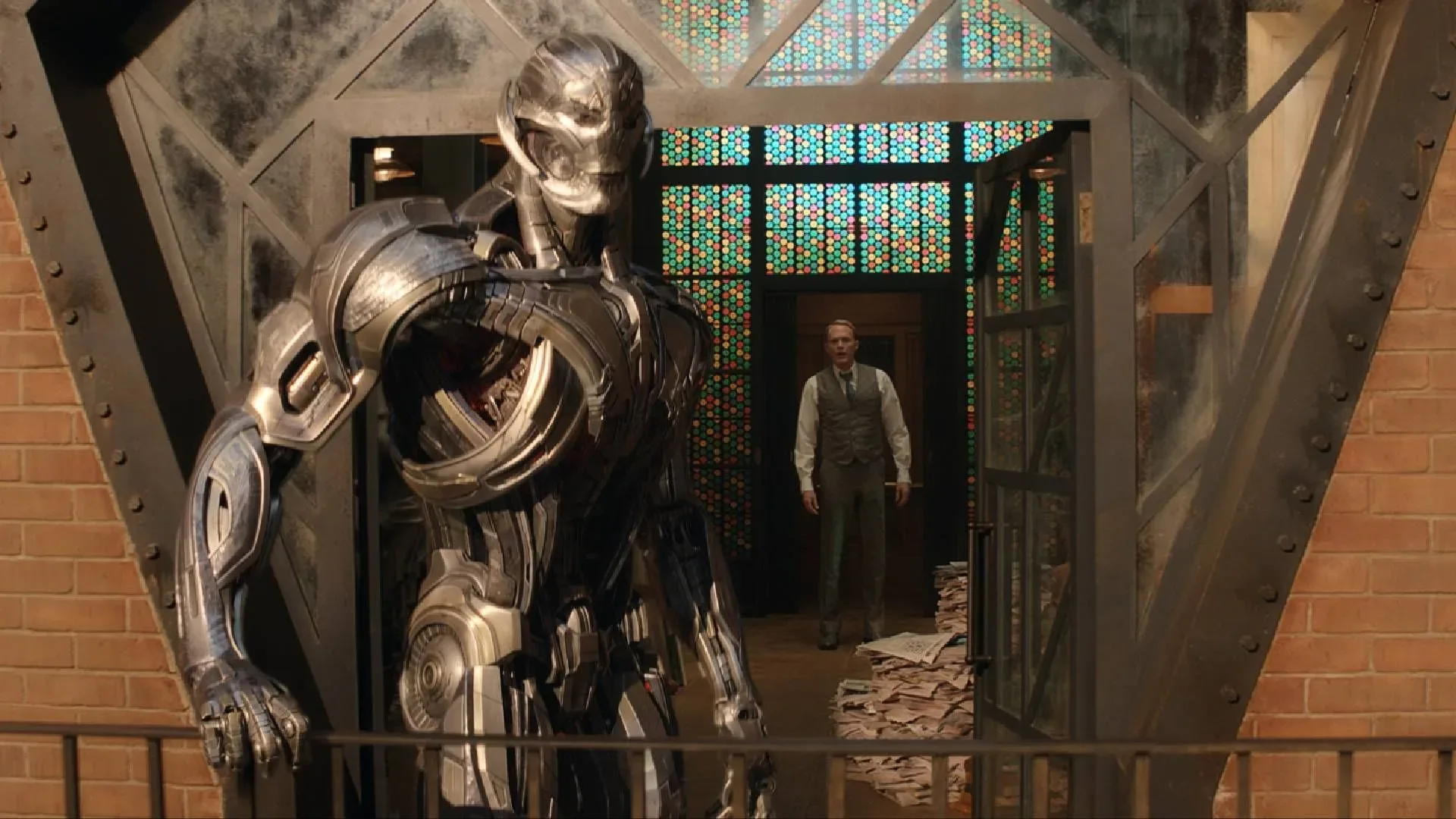
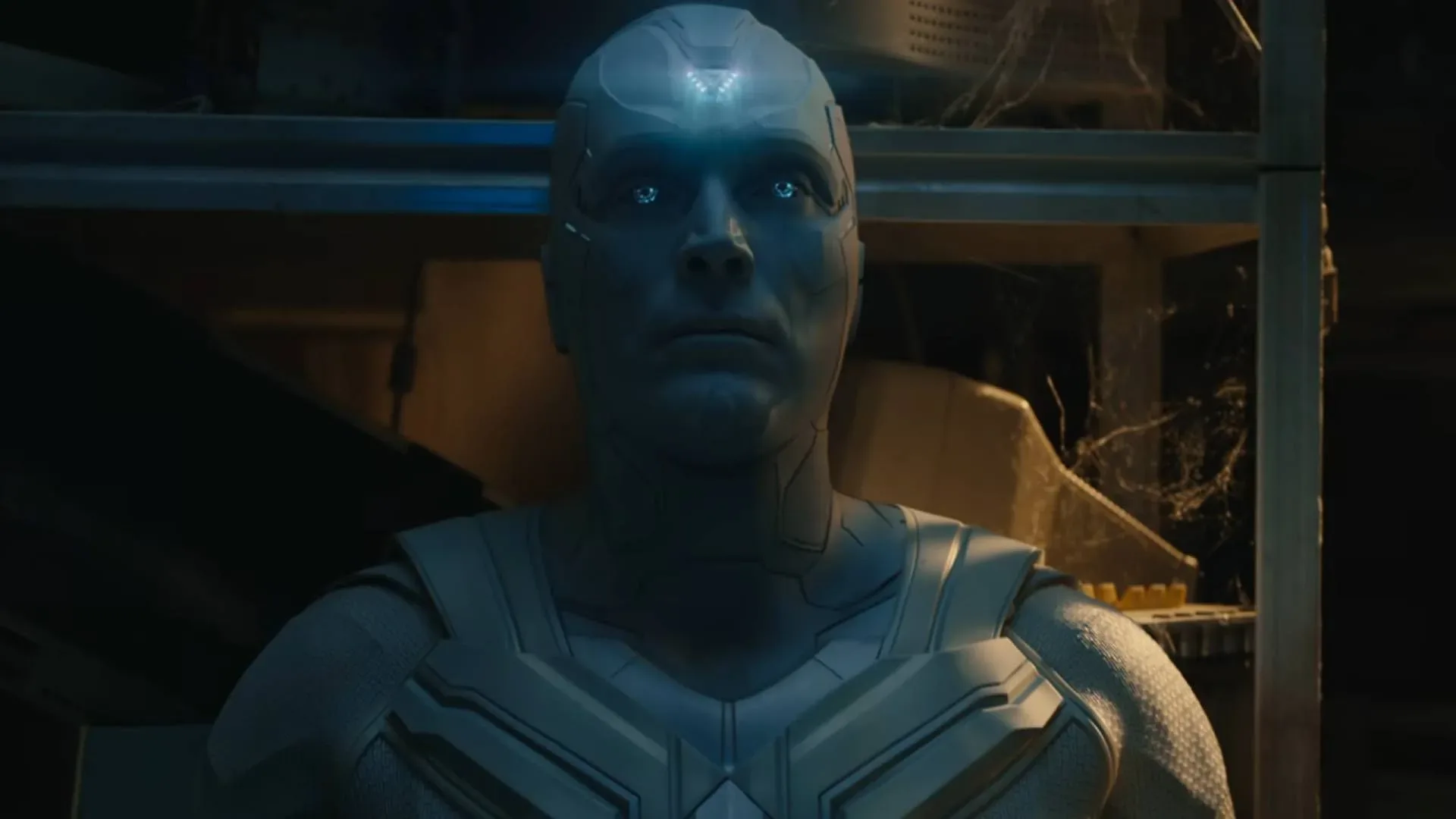
The supplied details also place Vision and Ultron in the same house during the series. That is an inherently uncomfortable setup, particularly because this version of Vision does not necessarily remember Ultron as the genocidal figure audiences associate with the character.
It is important not to leap beyond that information. The available details do not explain Jocasta’s precise origin in this continuity, her allegiance, how much of her comic-book history will be adapted, or the extent of her role across the season. They also do not confirm that any particular comic storyline will be recreated. The decision to conceal her in promotion, however, suggests that the show regards the specifics of Jocasta’s introduction as worth preserving for the audience.
Why keeping Jocasta out of the marketing could work
Modern franchise promotion frequently introduces a recognizable comic character early, turning the casting itself into a major selling point. VisionQuest is taking the opposite route with Jocasta. That can be a practical storytelling choice rather than mere secrecy for secrecy’s sake.
First, Jocasta’s connection to Ultron is potentially more effective when discovered within the drama. If a promotional campaign foregrounded her comic backstory, it could encourage viewers to approach her only as “Ultron’s intended wife.” Holding details back gives Miller’s interpretation room to establish who Jocasta is before the character becomes a bundle of lore expectations.
Second, Matalas’ description emphasizes feeling rather than spectacle. “Chilling” points to unease; “heartbreaking” points to vulnerability or loss; “nuanced” suggests that the character may not fit easily into hero-or-villain shorthand. Those are not plot confirmations, but they indicate that the series wants Jocasta’s emotional effect to land on screen rather than be fully explained in advance.
Finally, her concealment may help preserve the scale of the show’s family metaphor. Vision and Ultron already form a dysfunctional creator-and-creation relationship. Jocasta’s comics history adds another layer to that structure, one shaped by a being resisting the purpose assigned to her. If the series explores that connection, it has the potential to make an apparent superhero reunion feel less like a cameo exercise and more like a story about inherited trauma and personhood.
The technical idea at the center: artificial intelligence and agency
In superhero fiction, “android” often functions as a shortcut for a character with a synthetic body. But the dramatic issue in Jocasta’s history is not simply that she is mechanical. It is agency: the capacity to make meaningful choices, including choices that reject a creator’s commands or interests.
Jocasta’s decision to warn the Avengers is therefore the central fact of her comics premise. She was made as part of Ultron’s plan, yet she acts against that plan when confronted with the cost to Janet van Dyne. Her character is not defined only by who made her; it is defined by what she does with the ability to choose.
That distinction is especially relevant to VisionQuest because Vision’s own relationship to memory is identified as uncertain. Memory, identity and responsibility can become complicated when a character is artificial or reconstructed. A Vision who does not fully remember Ultron’s past may face Ultron without the same emotional or moral context held by the audience. Jocasta, depending on how she is written, could complicate that dynamic further rather than simply reinforce it.
None of that guarantees a specific narrative role for her. It does explain why a performer’s emotional range could be essential to the part. A character caught between imposed purpose and personal conscience needs to register more than menace or mystery. Matalas’ emphasis on a performance that is both unsettling and heartbreaking points toward precisely that kind of tension.
What Jocasta’s live-action debut means for fans
Jocasta has long been a plausible live-action candidate because she connects directly to some of Marvel’s biggest AI-linked characters while retaining a distinct personal story. Her arrival is not merely a continuity footnote. It opens a part of Avengers history that has often been discussed by comic readers but has not previously had a live-action interpretation.
The adaptation also has an opportunity to introduce her without requiring viewers to have read a 1977 issue. The core of her setup is readily understandable: a sentient being made for someone else’s selfish design discovers the human cost of that design and refuses it. The surrounding comic continuity may be expansive, but the moral conflict is direct.
For longtime fans, the meaningful unknown is what will remain recognizable beyond the name and Ultron connection. Adaptations routinely reshape character histories, and no details currently establish where VisionQuest will draw its boundaries. The safest expectation is not a panel-by-panel translation, but a new live-action take that can use the emotional architecture of Jocasta’s comics history.
VisionQuest is arriving amid a broader slate of Marvel screen projects, and its focus on an android family conflict gives it a particular identity. Readers tracking the larger comic-book movie landscape can also see how another Gotham-set project is approaching its own unavoidable franchise connection in this look at Clayface and Batman’s shadow over Gotham.
A character worth meeting before she is explained
There is a sensible restraint in not over-selling Jocasta before VisionQuest begins. Her most important comic-book trait is not a costume detail or an encyclopedic continuity reference. It is the fact that she rejects the role Ultron made for her. Revealing too much too soon risks flattening that journey into pre-release trivia.
Miller’s casting and Matalas’ comments set a clear expectation: Jocasta is intended to be felt, not merely spotted. Whether she emerges as an ally, a threat, a tragic figure or something more complicated remains unconfirmed. But with Vision, Ultron and a character born from Ultron’s warped idea of companionship in the same narrative orbit, VisionQuest has the ingredients for an unusually intimate Marvel conflict when it premieres October 14.