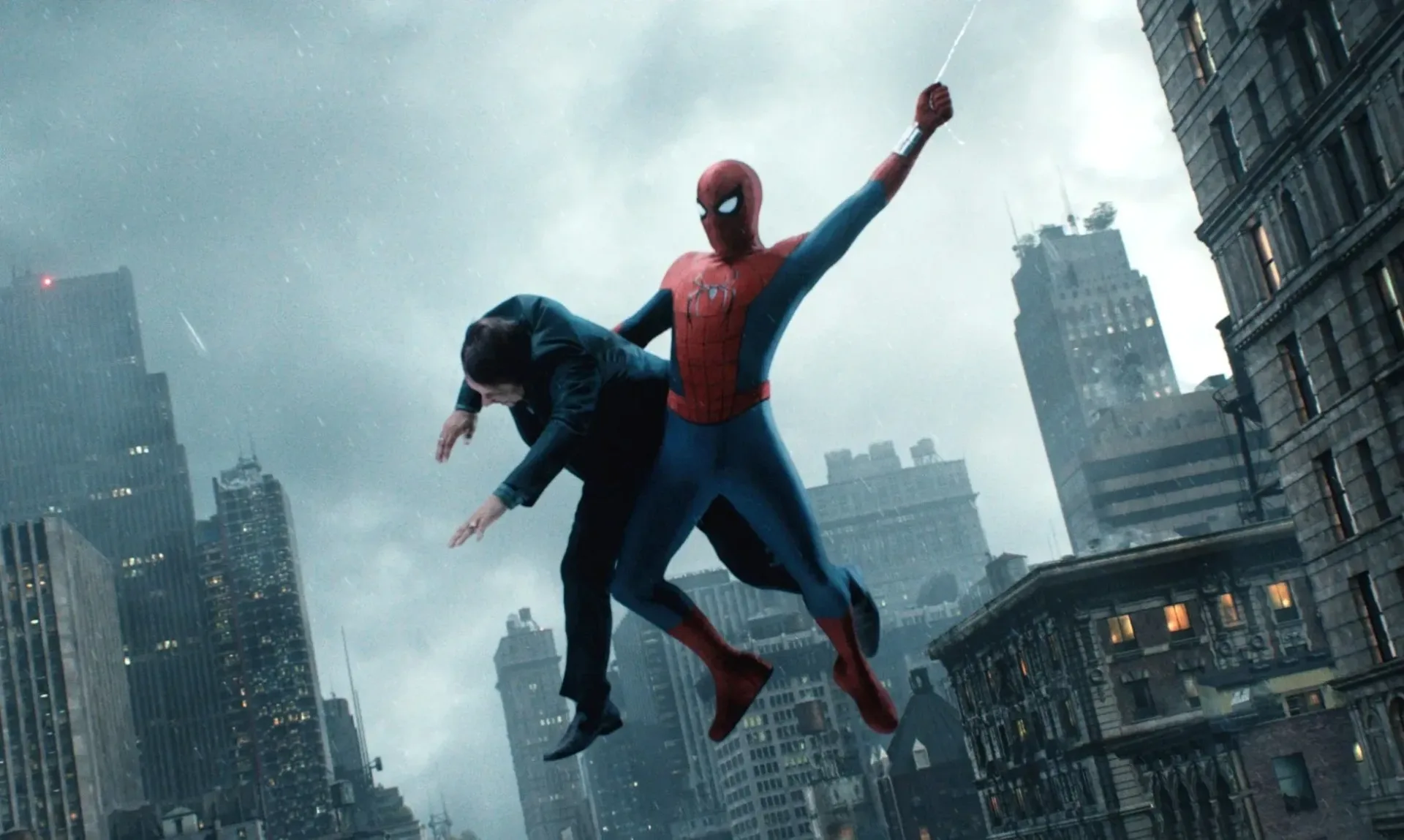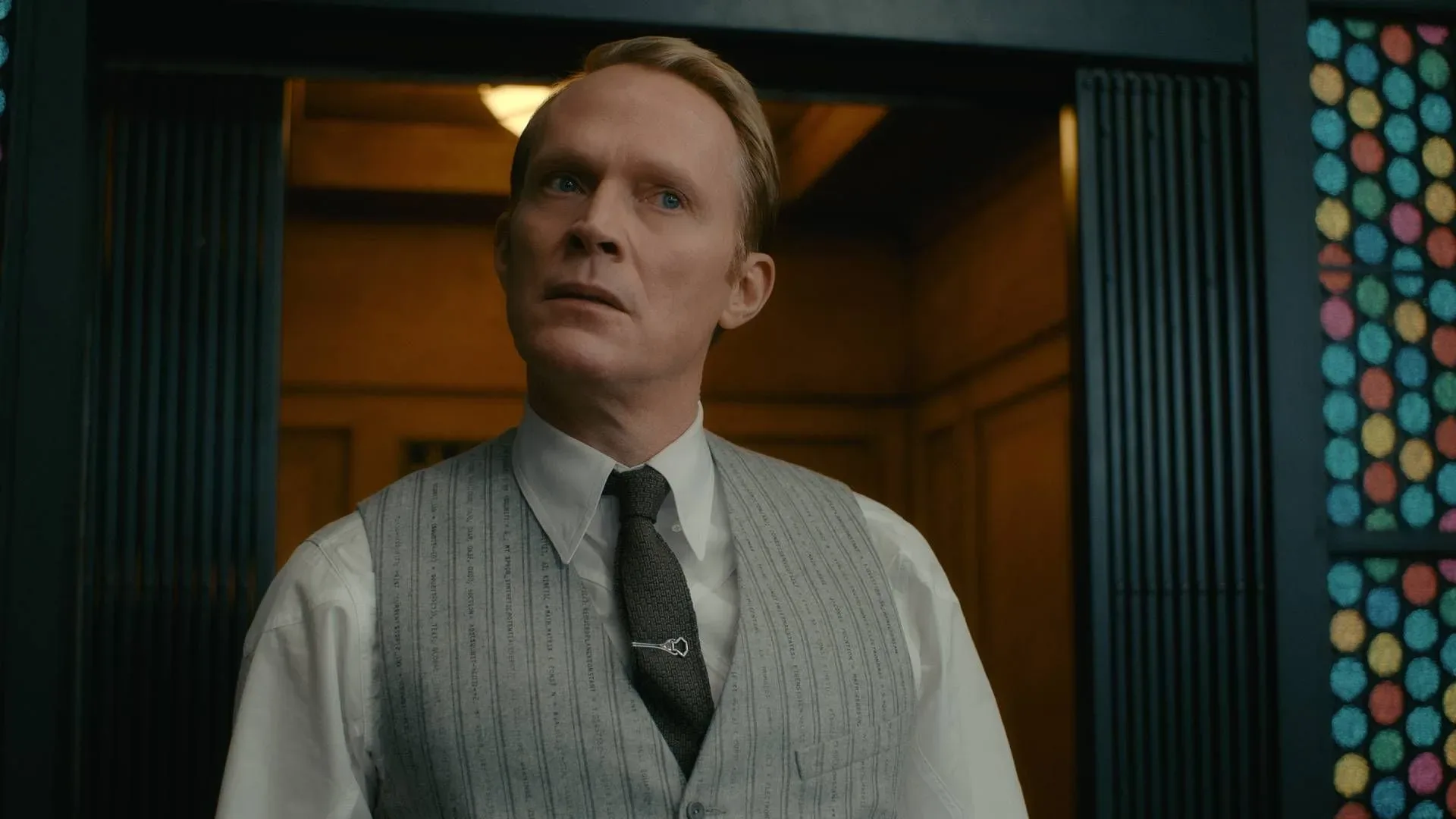
VisionQuest may arrive carrying the heavy label of “the end of the WandaVision trilogy,” but its creative lead sees the forthcoming Disney Plus series through a narrower, more character-driven lens. Showrunner Terry Matalas has described the project primarily as a sequel to WandaVision, while also stressing that it is built to stand independently as the next major chapter for Vision.
That distinction matters. A trilogy finale usually suggests a story designed chiefly to tie off every thread from its preceding entries. Matalas instead frames VisionQuest as a show focused on what comes after for a character whose identity has become one of Marvel’s most complicated puzzles: White Vision, the synthezoid who possesses Vision’s memories but must determine what those memories mean to him.
The series is scheduled to debut on Disney Plus on October 14. It follows WandaVision and Agatha All Along in a connected run of stories, but Matalas has made clear that the new show’s center of gravity is Vision rather than an all-purpose curtain call for every character and mystery associated with Westview.
A sequel with its own mission
Matalas said the mandate was not simply to manufacture a final installment that would “complete” a predefined trilogy. In his view, VisionQuest has obvious links to WandaVision, but it is also an entity with its own purpose: investigating Vision in more detail than the films or the earlier streaming series could manage.
That premise follows naturally from the conclusion of WandaVision. The original Vision created within Wanda Maximoff’s Hex disappeared when that reality ended. White Vision, rebuilt from the original synthezoid’s body and given his memories, left after receiving those memories from his counterpart. The encounter answered one question—White Vision now carries the knowledge of the man Vision had been—while opening a more existential one. Is memory enough to establish personhood? Does carrying another being’s experiences make him that being?
VisionQuest is positioned to live inside that uncertainty rather than skip over it. Matalas has indicated that the show will explore deeper reaches of Vision’s origin, potentially including material that predates assumptions viewers have made about the character’s history. That makes the title feel especially apt: this is not merely an action mission, but an inward search for an answer to the most difficult question an artificial person can ask—who am I?
For Marvel viewers, that approach could also make the series accessible to people who remember the broad events of WandaVision without treating homework completion as the main event. Connections to the prior stories are part of the package, but the stated intention is a Vision story first.
White Vision’s mind becomes a key setting
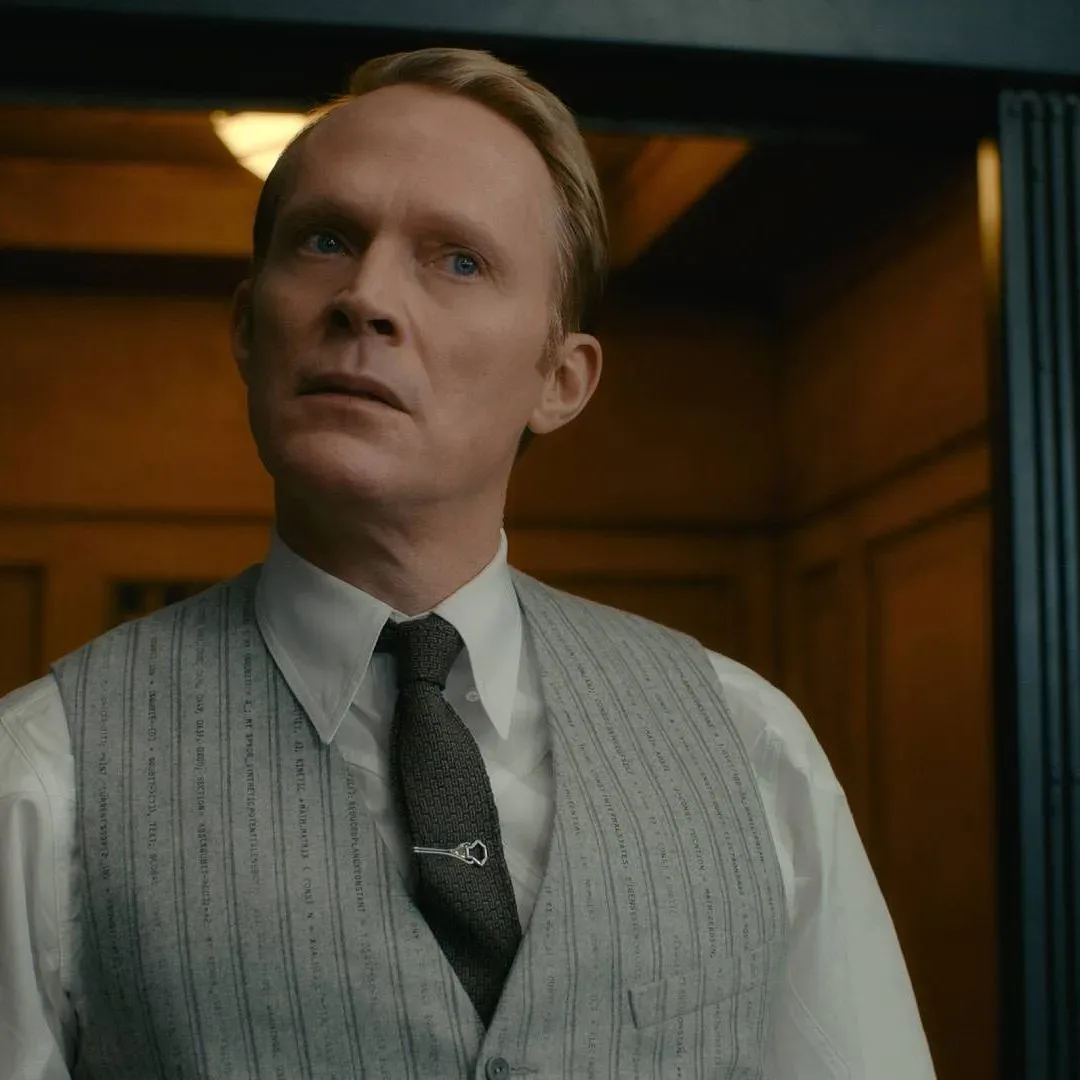
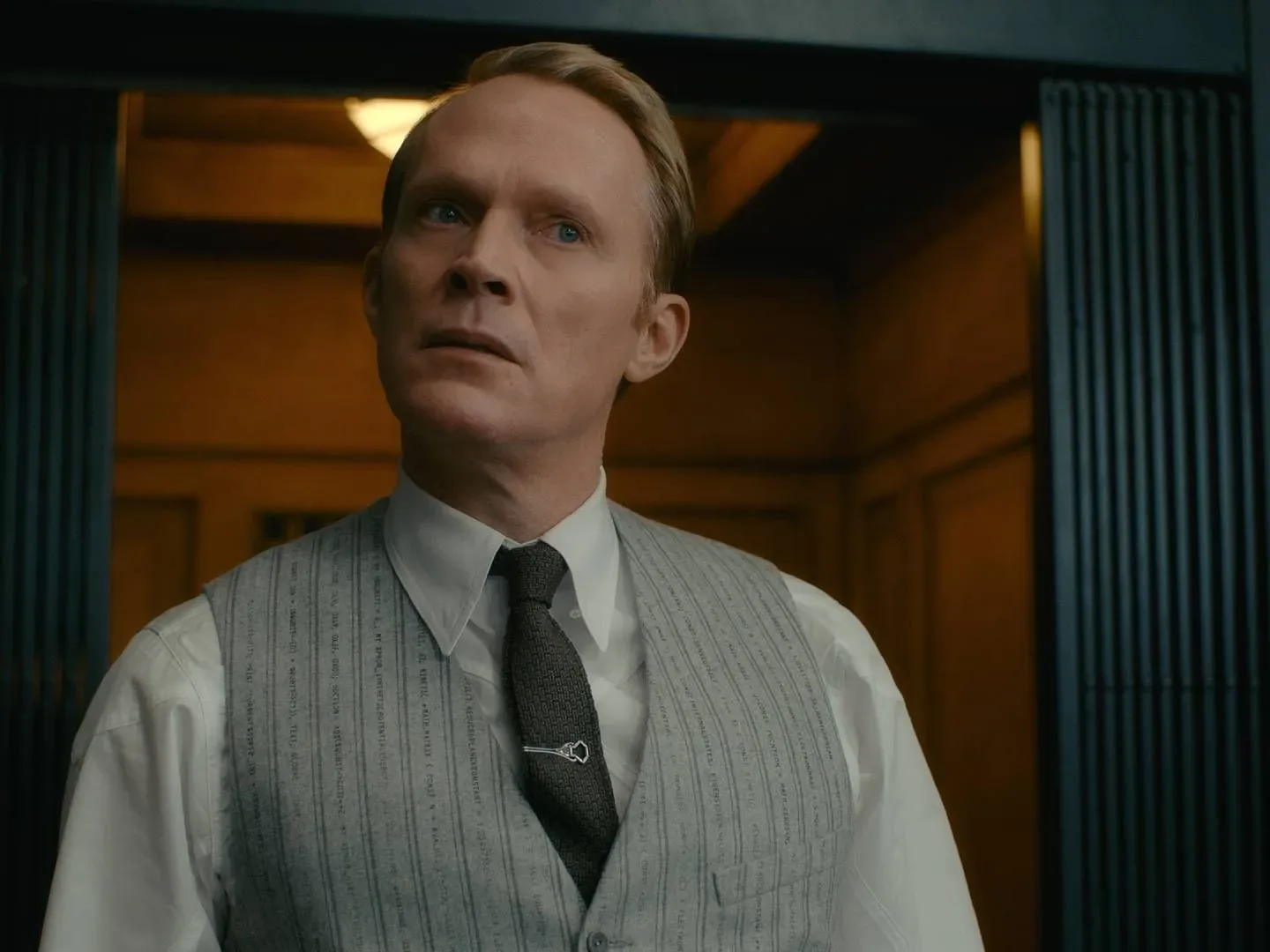
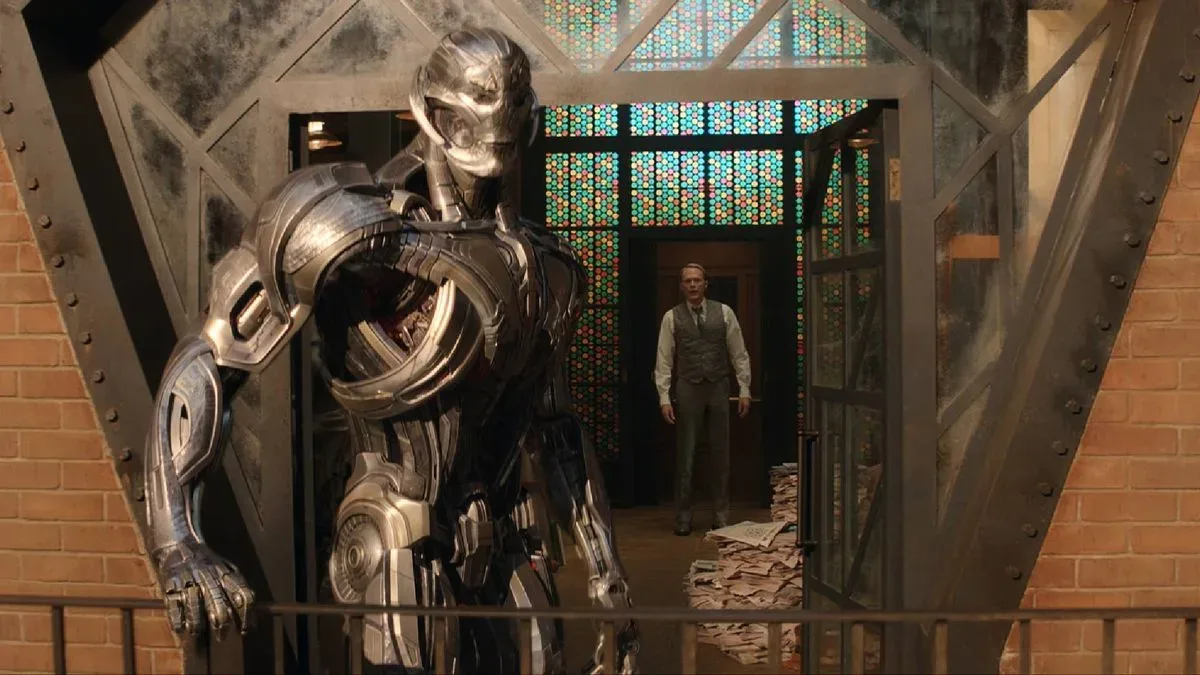
The known setup promises both a physical pursuit and a psychological journey. White Vision has Vision’s memories loaded into him, and the story follows his attempt to process that inheritance and understand himself. Part of that process takes place in a mind palace, an internal environment where he encounters other Marvel artificial intelligences as well as Ultron, his creator.
That is an intriguing fit for a character whose life has always been shaped by overlapping inputs: the work of Tony Stark and Bruce Banner, the Mind Stone, JARVIS, Ultron’s design, and the moral lessons Vision chose to make his own. The character was never simple hardware with a single creator or a single self. A mind-palace structure gives the series a way to turn that tangled history into drama rather than exposition.
It also creates an opening to revisit the larger AI legacy of the Marvel Cinematic Universe from Vision’s personal viewpoint. Readers looking for one related thread can find more on FRIDAY’s AI perspective on Tony Stark’s death in VisionQuest. The show’s internal conversations may be as important as its external conflict, especially when the individual sorting through them is someone assembled from multiple histories and consciousnesses.
Ultron’s presence is particularly loaded. Vision was created in the shadow of Ultron’s plans but made choices that directly opposed them. Revisiting that relationship offers more than a familiar villain connection: it gives the series a chance to examine whether a creation can truly become separate from the intentions of its maker. With White Vision still working out the meaning of his recovered memories, that question gains another layer.
Threats outside the mind palace
The series will not be confined to interior reflection. White Vision is being pursued by a bounty hunter, placing tangible danger alongside the more abstract identity crisis. He will also have to confront the arrival of his son in his life.
Those elements suggest a story that can test White Vision’s developing sense of self through relationships and responsibility. Vision’s connection to family was central to WandaVision, but White Vision’s position is profoundly different from that of the Vision who lived in the Hex. He has memories he did not personally experience in the same way, and any family reunion carries emotional questions with no easy technical answer.
The show therefore has room to approach the character as something more complicated than either a resurrected hero or a clean-slate replacement. He may be both familiar and unfamiliar to the people around him. That tension is not a detour from Vision’s story; it is the story.
No Wanda Maximoff return is being teased
One point Matalas has specifically sought to clarify is the absence of Elizabeth Olsen’s Wanda Maximoff. Olsen is not returning for VisionQuest, following Wanda’s MCU departure in Doctor Strange in the Multiverse of Madness.
That clarification is useful because a Vision-focused series can easily prompt assumptions about a Wanda reunion. Matalas discussed a significant sequence late in the season, saying that it was a destination the team was working toward before the exact route became clear. Paul Bettany contributed an idea for the kind of scene it should be, and Matalas praised what the actor is within that sequence. But he also emphasized that viewers should not treat those remarks as a hint that Wanda will appear.
In other words, the late-season development is intended to be meaningful without functioning as a stealth promise about the Scarlet Witch. It may well be emotionally tied to Vision’s past—his past is impossible to separate completely from Wanda’s—but the series is not presenting Olsen’s return as part of that equation.
Could VisionQuest continue beyond one season?
Matalas is not treating one season as the only imaginable future for this corner of Marvel television. He said that, once production wrapped, he, Paul Bettany, and James were ready to pursue many more seasons of whatever the property could become. The decision, however, rests with Marvel Studios and the unpredictable forces that govern television renewals.
That is aspiration, not confirmation. There is no announced second season, and fans should not interpret creative enthusiasm as a renewal order. Still, it speaks to the degree of possibility Matalas sees in Vision’s premise. The character’s unusual status—simultaneously rooted in Avengers history, artificial-intelligence mythology, grief, memory, philosophy, family, and cosmic comic-book science—could support stories well beyond a one-and-done epilogue.
It also reinforces why calling VisionQuest solely a trilogy conclusion may be too limiting. A conclusion can resolve a chapter. A sequel can open a new one. The series appears to be trying to do both: acknowledge what WandaVision and Agatha All Along set in motion while letting Vision step out from the margins and define what comes next on his own terms.
What to keep in mind before October 14
- It is connected to WandaVision: White Vision’s memories and identity crisis grow directly out of that series.
- It is not being framed only as a finale: Matalas describes it more as a sequel and a standalone Vision-focused story.
- AI characters are central: Vision’s mind palace will bring him into contact with other Marvel AIs and Ultron.
- There is an active external plot: a bounty hunter is pursuing White Vision, while his son’s arrival raises personal stakes.
- Wanda is not part of the announced cast: Matalas has directly cautioned against reading a late-season tease as a Wanda Maximoff return.
- More seasons remain only a possibility: the creative team has ideas, but no continuation has been announced.
For now, the clearest promise is a Marvel story willing to ask whether recovered memories can restore a lost life—and what happens when the person holding them is not certain he is the same person who made them. VisionQuest arrives on Disney Plus October 14 with that question at its core.