Warning: This article discusses spoilers for VisionQuest episodes 5 and 6, plus comic-book story details involving Madripoor.
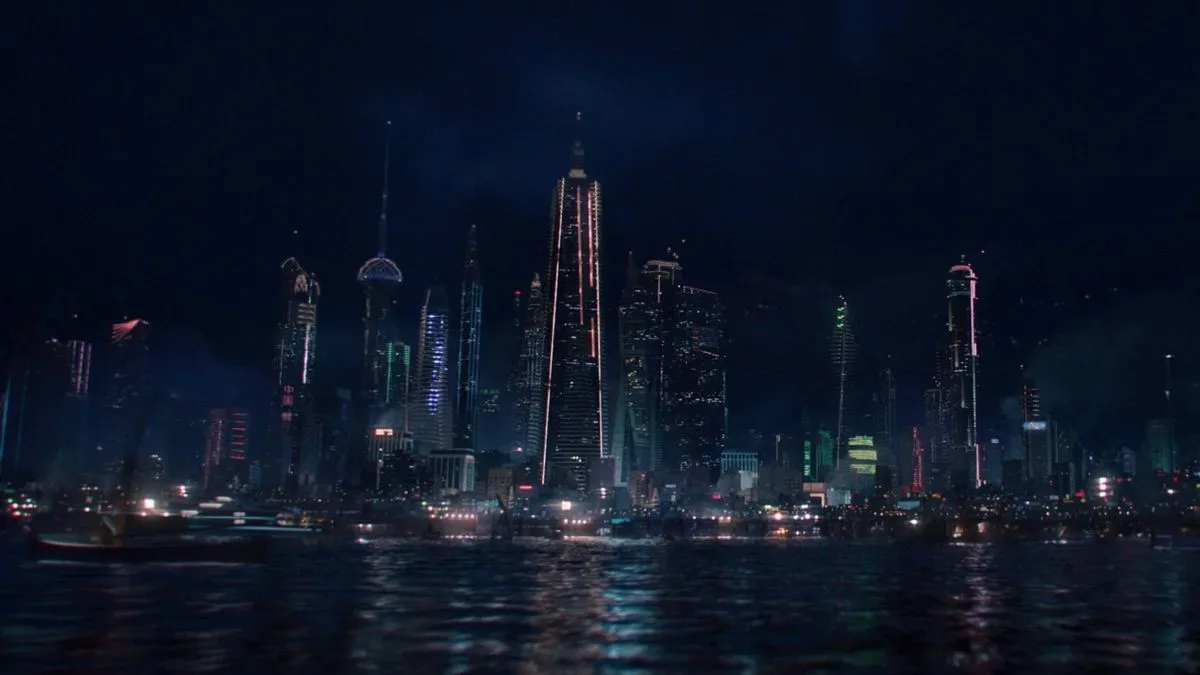
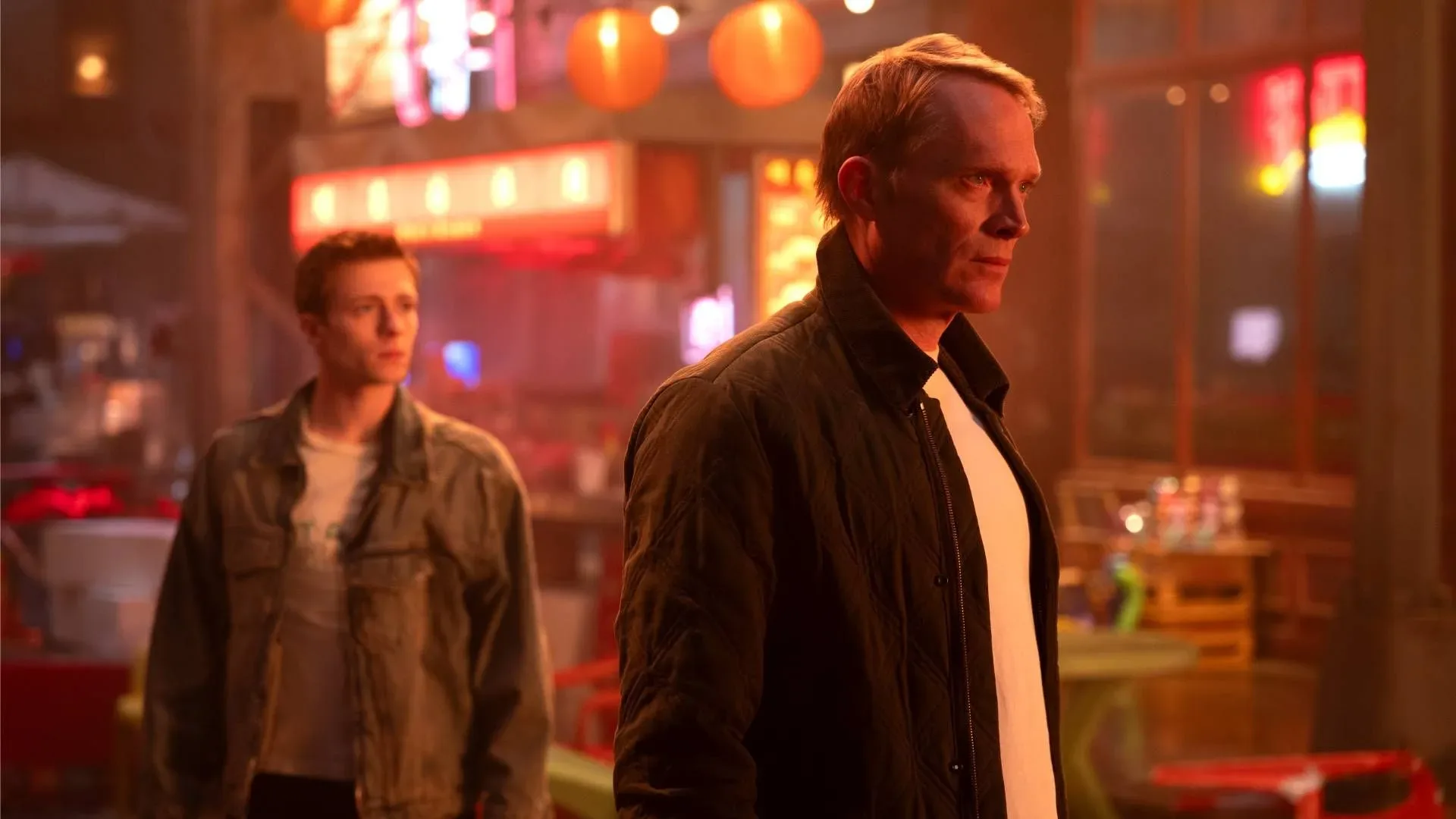
VisionQuest episode 6 brings the Marvel Cinematic Universe back to Madripoor, the famously dangerous island principality whose name has long carried much more comic-book baggage than its screen time might imply. Vision and Lisa Molinari arrive by cargo plane to recover Tommy after Paladin kidnaps him, turning the city into the setting for an escalating hostage confrontation, a new bounty hunter’s arrival and Jocasta’s alarming use of nanobots.
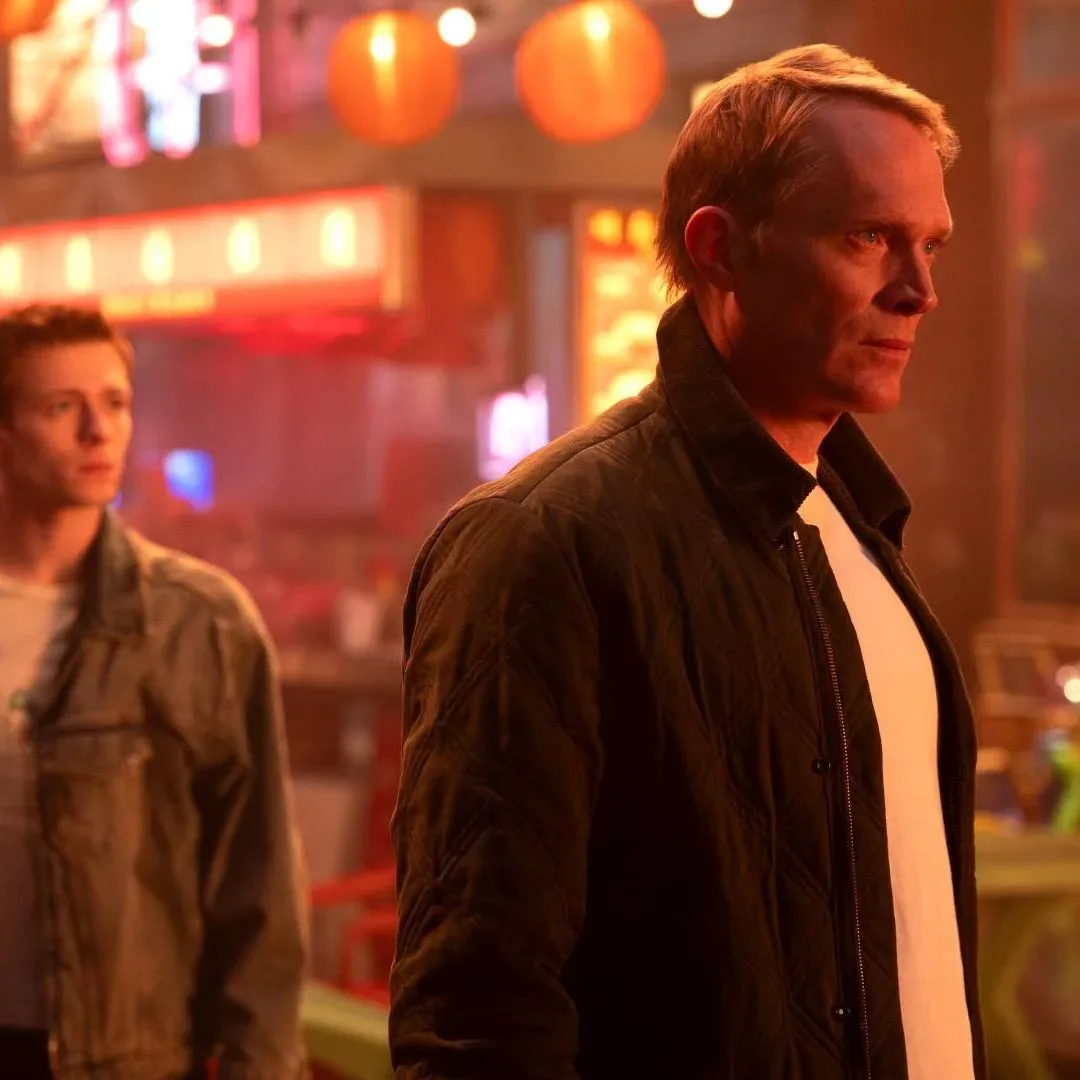
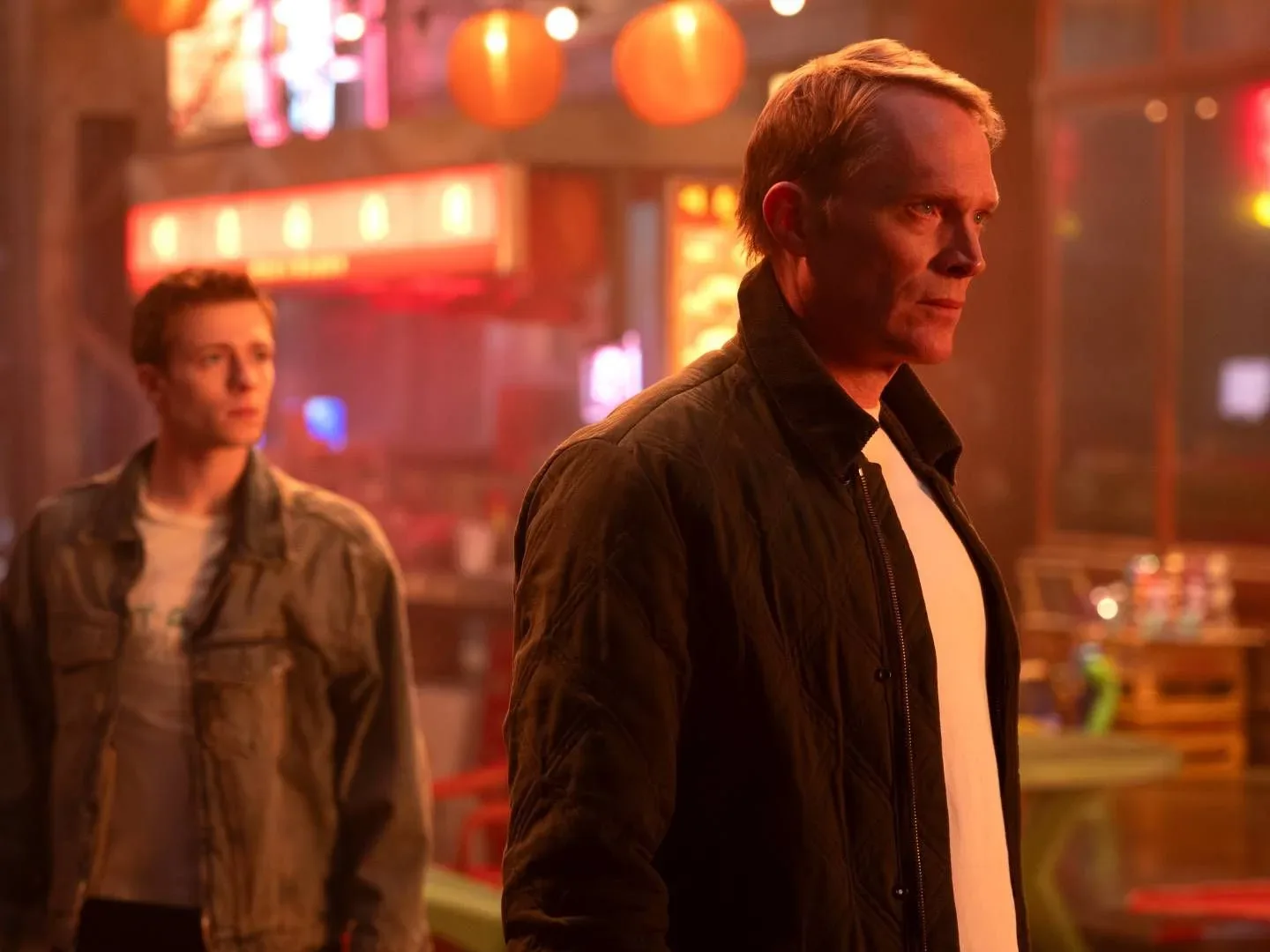
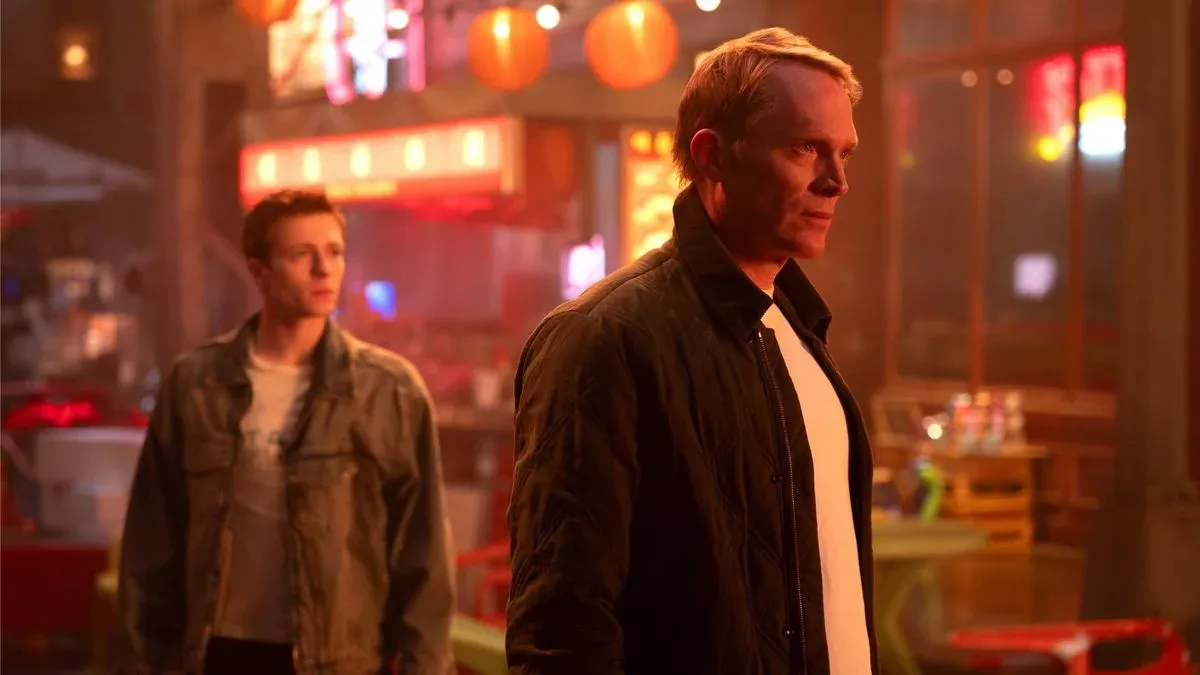
It is an eventful return, even if the actual slice of Madripoor on screen is limited. The episode largely uses a street lined with food stalls as a pressure cooker for its plot, rather than taking a substantial tour through the criminal crossroads Marvel readers know. Still, the choice of location matters. Madripoor is not merely a generic underworld stopover in the comics; it is a built-in invitation to espionage, fugitives, secret power structures and very odd Marvel mythology.
For a closer recap of the major story developments surrounding this stretch of the series, see our look at VisionQuest episodes 5 and 6.
What Madripoor is in Marvel Comics
The Principality of Madripoor debuted in a 1985 issue of New Mutants, from Chris Claremont and Steve Leialoha. It is an island state in Southeast Asia named for its principal city, also called Madripoor. In its comic-book role, the city is a haven for organized crime: a place where smugglers, spies, mercenaries, criminal bosses and people avoiding official consequences can plausibly cross paths.
That status is not just atmosphere. Madripoor has no extradition treaties, making it a logical refuge for villains and other fugitives. Extradition is the formal process by which one jurisdiction sends a person accused or convicted of an offense to another jurisdiction that seeks to prosecute or punish them. By establishing Madripoor as a place outside those arrangements, Marvel gives its characters a reason to enter a setting where conventional law enforcement has less reach.
The city’s class divide is central to its identity. Hightown is the prosperous side, where warlords and secret societies compete for influence. Lowtown is poorer, home to smugglers and everyday criminals trying to survive. That split supplies a flexible storytelling machine: street-level danger exists alongside wealthy conspirators, and a plot can move between them without leaving the same city.
It also explains why Madripoor has become associated with so many corners of Marvel continuity. The location can host mutant stories, spy stories, Captain America adventures, martial-arts fantasy and crime fiction without feeling entirely out of place. It has the infrastructure of a port city and the narrative license of a lawless one.
A Marvel crossroads with deep character connections
The comics history supplied for Madripoor reaches across decades of Marvel’s timeline. In the 1930s, Wolverine learned assassination techniques from the spy Seraph, who also owned a Madripoor bar. Steve Rogers, as Captain America, traveled there in the 1940s to rescue Ivan Petrovich from the Hand. In the 1950s, Bucky Barnes, operating as the Winter Soldier, assassinated a British ambassador during a New Year’s Eve event in the city.
These links are important because they show that Madripoor is not attached to just one hero or one team. Wolverine’s history makes it fertile ground for mutant-adjacent stories; Captain America and Winter Soldier connect it to covert operations and historical missions; the Hand connection opens the door to ninja and martial-arts conflicts. The setting functions like a continuity magnet, collecting secrets from characters who normally occupy very different Marvel lanes.
Then there is the Madragon. Beneath the city lives the giant creature also called the Madragon, a mythical wyvern. Shang-Chi defeated it by using Pym Particles to grow to giant size. Pym Particles are the Marvel technology associated with radical size changes, so that particular detail captures Madripoor’s comic-book range perfectly: a city known for gangs and clandestine deals can also conceal a giant monster beneath its streets.
That is the version of Madripoor that screen adaptations have only sampled in pieces. Its central premise is not simply that it looks ominous at night. Its value is that crime, geopolitical evasion, superhero history and heightened fantasy can all be active parts of the same place.
Madripoor’s MCU appearances so far
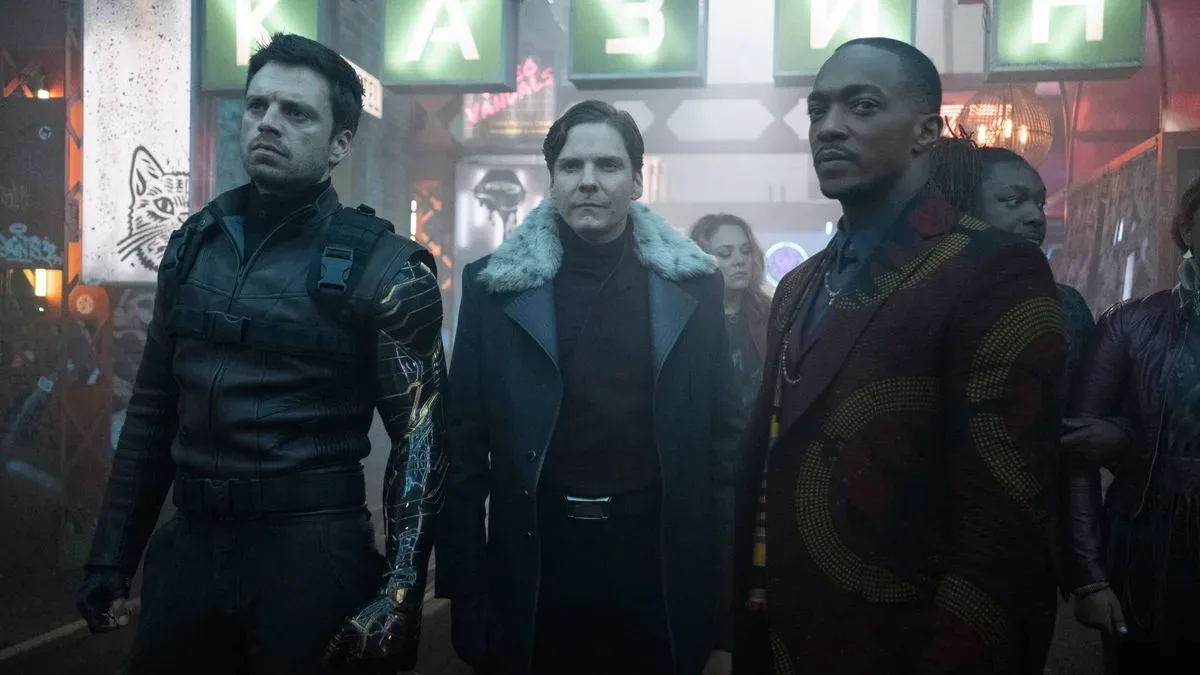
Madripoor previously had its largest MCU role in The Falcon and the Winter Soldier. Sam Wilson, Bucky Barnes and Baron Zemo traveled there while investigating how the Flag-Smashers obtained a substitute Super Soldier serum. The investigation placed the city within the MCU’s post-super-soldier black market, a fitting use of a comic setting built around illicit networks.
That story also made Sharon Carter the Power Broker, Madripoor’s de facto ruler. A de facto ruler is someone who holds power in practice, whether or not they are the official legal leader. The revelation positioned Sharon at the center of the city’s shadow economy, but the supplied material notes that this development has not been acknowledged or pursued in the years since that series.
The city also appears briefly in Deadpool & Wolverine, where a Logan variant is seen at a Madripoor casino roulette table. It is a memorable visual shorthand: a worn-down Wolverine associated with an infamous Marvel criminal haven. But it is only a glimpse, not an exploration of the city’s social structure, criminal leadership or comic-book strangeness.
VisionQuest episode 6 continues that pattern. Madripoor is instantly useful to the story because it is believable as a place where a kidnapping, bounty hunters and an elusive Client can converge. Yet the episode’s immediate focus remains Vision’s mission and the people around him, rather than the city itself.
What happens in VisionQuest episode 6
Vision and Lisa Molinari travel to Madripoor on a cargo plane to rescue Tommy, who has been taken by Paladin. Their encounter with Paladin does not remain a simple exchange. Vision responds by threatening Paladin’s daughter, sharply raising the stakes of an already volatile situation and turning the rescue into a battle of leverage.
The situation worsens when Raza Hamidmi al-Wazar arrives. He is identified as the Client’s new bounty hunter, meaning the group now faces an additional adversary whose involvement is tied to the mysterious Client rather than solely to Paladin’s abduction of Tommy. A street fight follows, and the Client appears personally to deliver a warning to Vision.
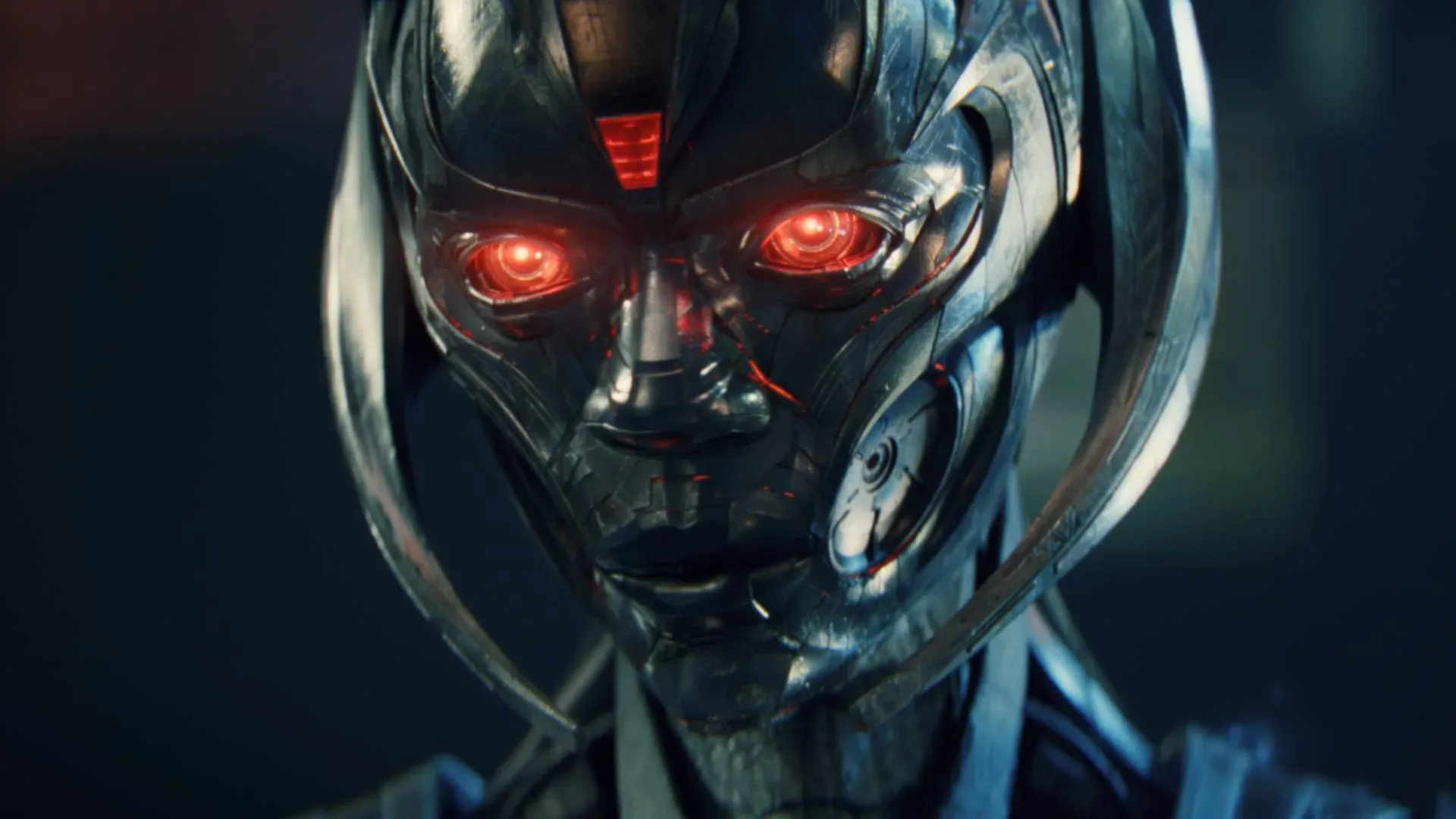
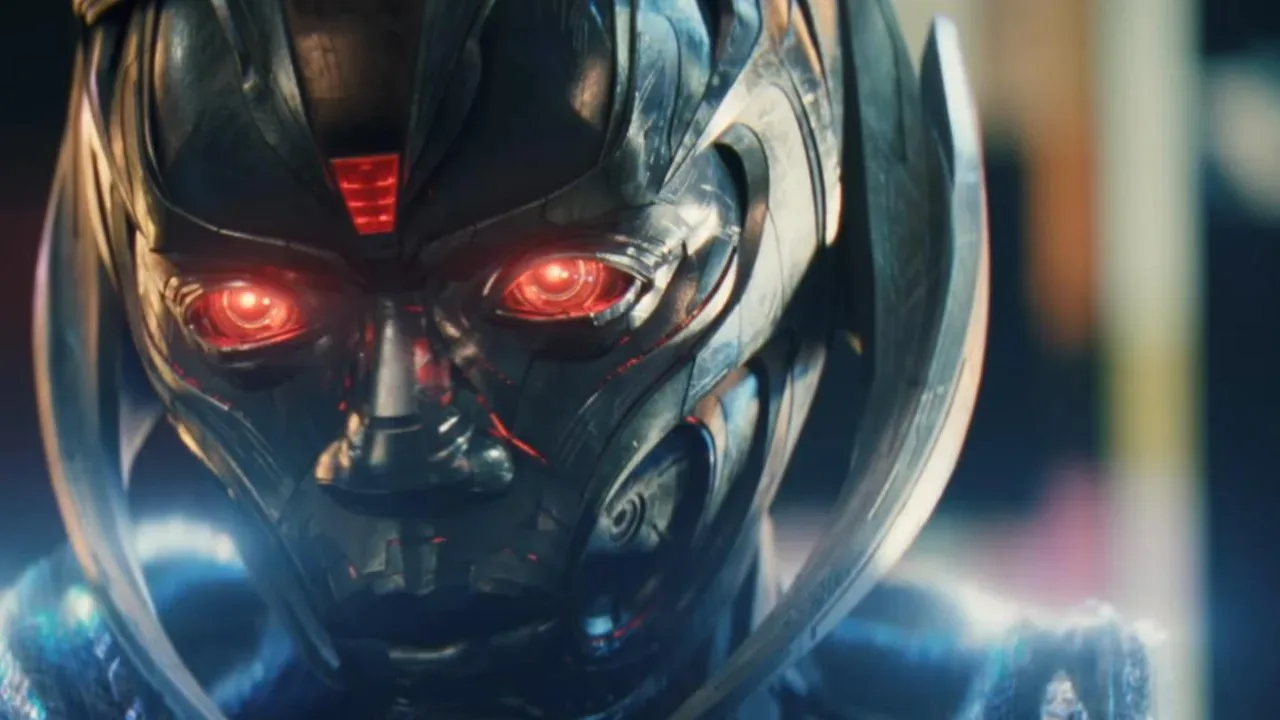
Meanwhile, Jocasta demonstrates the purpose of the nanobots by converting Lisa into a mobile android under her control. A nanobot is a tiny machine, generally conceived in fiction as operating on a microscopic or near-microscopic scale. In this story, the important point is control: Jocasta is not merely deploying a small machine, but using the technology to override Lisa’s autonomy and turn her into an extension of her own will.
The implication becomes much larger because the episode raises the prospect of billions of bots. If a single person can be transformed into a controlled android through this system, a vast quantity of nanobots represents a potential mass-control threat. The show has therefore placed an intimate violation of Lisa’s personhood beside a potentially enormous technological danger. That contrast gives the cliffhanger its bite: the concern is not only what has happened to Lisa, but what the same method could do at scale.
Why the location works for Vision’s story
There is a useful thematic fit between Madripoor and an episode involving kidnappings, hired hunters, hidden clients and body-altering technology. In the comics, the city has historically supported narratives that operate beyond normal institutional control. In episode 6, the key dangers similarly sit outside a conventional public response: Paladin has Tommy, the Client can dispatch a bounty hunter, and Jocasta’s nanobots create a form of coercion that is difficult to confront through ordinary means.
Madripoor also gives the story a setting where personal identity is unstable. The series uses Lisa’s conversion into a controlled android as its most direct expression of that idea. But the city’s broader reputation reinforces it. A place populated by operatives, smugglers and people with reasons to disappear naturally complements a story in which intentions are obscured and a person can physically become an instrument for someone else.
That does not mean the episode unlocks all of the city’s comic-book possibilities. Based on what is shown, the on-screen Madripoor is primarily one street with food stands, a functional backdrop for the confrontation. It communicates danger and a criminal-world atmosphere, but it does not yet substantially depict Hightown and Lowtown, the no-extradition political premise, or the mix of factions that distinguishes the comics version.
The opportunity the MCU still has with Madripoor
Madripoor’s repeated appearances make clear that Marvel Studios recognizes its utility. The setting has been used for a Super Soldier serum investigation, a fleeting casino reference and now Vision’s rescue mission. Each appearance invokes its lawless reputation. None, however, has yet made the city itself the real subject of the story.
A fuller use would not require reproducing every comic detail at once. The most practical building blocks are already established in the supplied background: Sharon Carter’s unresolved position as the Power Broker; a city divided between wealth and poverty; a refuge for criminals; and a history that tangles with Wolverine, Captain America, Bucky and Shang-Chi. Those elements create several possible directions, but they remain possibilities rather than confirmed plans.
The immediate question for VisionQuest is narrower. Episode 6 has used Madripoor to intensify the crisis around Tommy, Lisa and Jocasta’s nanobots. Whether the show returns to explore the city further is unknown. For now, Madripoor has once again done what it does best: offer a dangerous meeting point where Marvel’s heroes arrive with one problem and leave with several more.