Virgil Abloh: The Codes is set to open at The Shed in Hudson Yards, New York City, on December 10, offering an extensive view into the work, references, experiments, and working methods of the late designer and creative director. The exhibition runs through January 18, 2027, with general admission tickets scheduled to go on sale October 23 from $25.
Presented as a joint project by the Virgil Abloh Archive and Nike, the exhibition draws on a collection of more than 20,000 items. Nearly 1,000 objects will be included in the New York presentation. That scale matters: this is not framed simply as a display of final products or recognizable collaborations, but as an opportunity to inspect the material around those outcomes—sketches, prototypes, finished pieces, and other records of a creative process that moved between several disciplines.
The show covers fashion, footwear, art, architecture, graphic design, and music. For visitors who know Abloh chiefly through sneakers or fashion, that cross-disciplinary scope is likely to be one of the most useful parts of the exhibition. It places the finished work alongside the tools, files, references, and iterations that contributed to it.
A New York stop for The Codes
The New York edition follows an earlier presentation of Virgil Abloh: The Codes at the Grand Palais in Paris last fall. Curated by Chloe Sultan and Mahfuz Sultan, the version arriving at The Shed is described as a streamlined adaptation of that original exhibition, maintaining its attention on Abloh’s ideas and the people who collaborated with him.
A streamlined exhibition does not necessarily mean a reduced idea. With nearly 1,000 items still on view, the format suggests a selective edit of a substantially larger archive. An archive is a body of preserved material—here, more than 20,000 objects—not only the polished, public-facing pieces for which a creator is known. It can include drafts, samples, correspondence, reference material, digital files, and other documents that reveal how an idea changed before it became a finished work.
That distinction is central to The Codes. A retrospective can often emphasize the familiar: landmark shoes, acclaimed collections, major images, and finished objects that have already become cultural shorthand. This exhibition’s stated interest in sketches and prototypes shifts attention toward development. In design, a prototype is an early version made to test an idea, material, construction, visual direction, or function. It can be very different from the final release, and it may show decisions that were eventually abandoned.
Seeing that chain of work can make a final object more legible. It can also challenge the assumption that a designer’s visual language arrives fully formed. A sketch may capture a loose starting point. A sample may show a practical obstacle. A raw computer file can preserve the working environment where a visual system was assembled. Taken together, those items turn creative work from a single finished image into a sequence of choices.
A recreation of the Paris office puts the working environment on display
One of the exhibition’s announced centerpieces is a functioning recreation of Abloh’s Paris office. It will include a computer containing raw design files. The choice to reconstruct a workplace, rather than only mount objects in cases or on walls, points to the exhibition’s emphasis on process.
“Raw” files generally refer to working materials that have not been flattened into a final presentation format. In this context, they may preserve editable layouts, visual components, unfinished compositions, or the practical organization of an ongoing project. They are important because they can show the construction behind an image or object rather than just its completed surface.
The office recreation also has value beyond nostalgia. A studio is where disciplines collide: footwear conversations can overlap with graphics, fashion work can intersect with music, and a reference from one field can redirect a project in another. Because the exhibition spans so many areas, a working-space installation can help explain the connective tissue between them. It presents an environment for making, not merely a gallery of results.
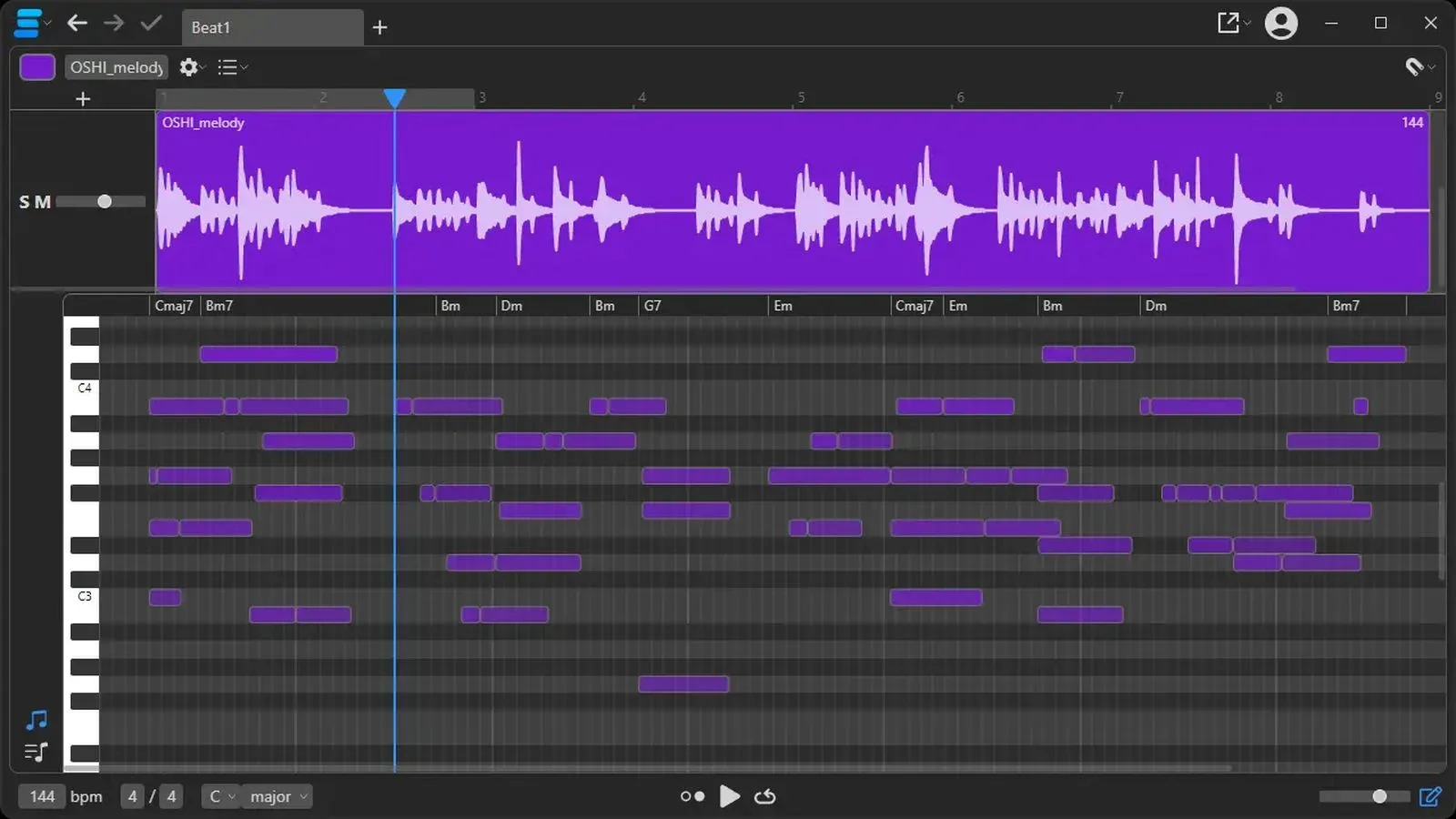
For people interested in creative technology, the inclusion of working digital material is a reminder that cultural archives increasingly have to account for files as well as physical artifacts. A computer can be an archival object when its contents help explain a creator’s practice. That is especially relevant for work involving graphic design, layouts, images, and collaborative digital workflows. Questions about how creative tools shape music and design continue to surface in current technology reporting, including recent discussion around audio-production tools and creative workflows.
Why the footwear material will draw attention
Abloh’s impact on sneaker culture is an unavoidable part of the New York exhibition’s context. His “The Ten” collaboration with Nike remains one of his most significant footwear projects, and the show’s Nike partnership makes the connection especially direct. Yet the promise of The Codes is that footwear will be viewed as part of a broader system of thinking rather than as an isolated collectible category.
That matters for sneaker fans. Releases and resale discussions often focus on the final pair: its colorway, scarcity, release context, and visible design elements. An archive exhibition can offer a different lens. Sketches and prototypes may illuminate the visual decisions and trial-and-error behind an eventual shoe. They can show that a familiar object was the outcome of an evolving process, not simply a finished release dropped into the market.
The supplied exhibition details also mention an unconfirmed report of an orange sample possibly appearing at the event. At present, that remains speculation rather than an announced display item. Visitors should treat it as a possibility, not a promised feature. The confirmed draw is already considerable: a selection approaching 1,000 objects from the Abloh archive, presented across multiple creative fields.
Samples, in footwear and fashion, are objects produced during development rather than necessarily for commercial sale. They can test materials, colors, construction, branding, or proportion. Because a sample may differ sharply from a retail product—or never become one at all—it can reveal the routes not taken. That makes them especially meaningful in an exhibition dedicated to process.
Merchandise accompanies the exhibition
There will also be an exclusive merchandise collection for the gallery, curated by Justin Saunders, founder of JJJJound. The available information does not detail the individual items, so visitors should avoid assuming particular products, prices, or release arrangements before The Shed provides them.
The merchandise is a companion element rather than the core reason for the exhibition. The main event is the archive presentation itself: a chance to encounter completed work in relation to the drafts, experiments, and collaborations surrounding it. Still, Saunders’ involvement gives the retail component a clear design connection, and it will likely be of interest to attendees who follow the wider overlap of design, streetwear, and footwear culture.
Timing and context for the New York presentation
The opening comes shortly after November 28, which marks five years since Abloh’s death. It is also not the first significant New York museum presentation of his work. In 2022, the Brooklyn Museum hosted Figures of Speech, described as the first major museum survey of his work.
The Codes occupies a somewhat different space. Where a survey can map the breadth of a career, this exhibition’s announced materials point more directly toward methods: objects set alongside preliminary work, a reconstructed office, raw digital files, and attention to collaborators. That can make the show particularly valuable for students and practitioners in design-related fields, as well as visitors who want to understand how ideas move from reference and draft to finished form.
The Virgil Abloh Archive has also continued to activate the work through new projects, including V.A.A.-related releases that have kept sneaker audiences attentive to what may emerge next. The exhibition gives that ongoing archival effort a physical setting in New York, while avoiding any need to reduce Abloh’s legacy to one product line or one discipline.
What visitors can expect
- Dates: December 10 through January 18, 2027.
- Location: The Shed in Hudson Yards, New York City.
- Tickets: General tickets are scheduled to go on sale October 23, starting at $25.
- Organizers: The Virgil Abloh Archive and Nike.
- Curators: Chloe Sultan and Mahfuz Sultan.
- Exhibition scope: Nearly 1,000 objects selected from an archive of more than 20,000.
- Key elements: Finished works, sketches, prototypes, material from fashion through music, and a working recreation of Abloh’s Paris office with raw design files.
- Additional item: Gallery-exclusive merchandise curated by Justin Saunders of JJJJound.
For New York visitors, the strongest reason to see Virgil Abloh: The Codes is the chance to study the connective material that is usually hidden from public view. The final shoe, garment, graphic, or artwork tells one part of the story. The files, sketches, prototypes, and workspace show how that work was built—and how one creator’s approach could move across so many forms without treating those boundaries as fixed.