Apple acquired certain assets from AI audio-editing company Samplab in June and hired certain members of its team, a European Commission notice indicates. Samplab later shut down on September 17, 2026, and its website now redirects visitors to Apple’s site.
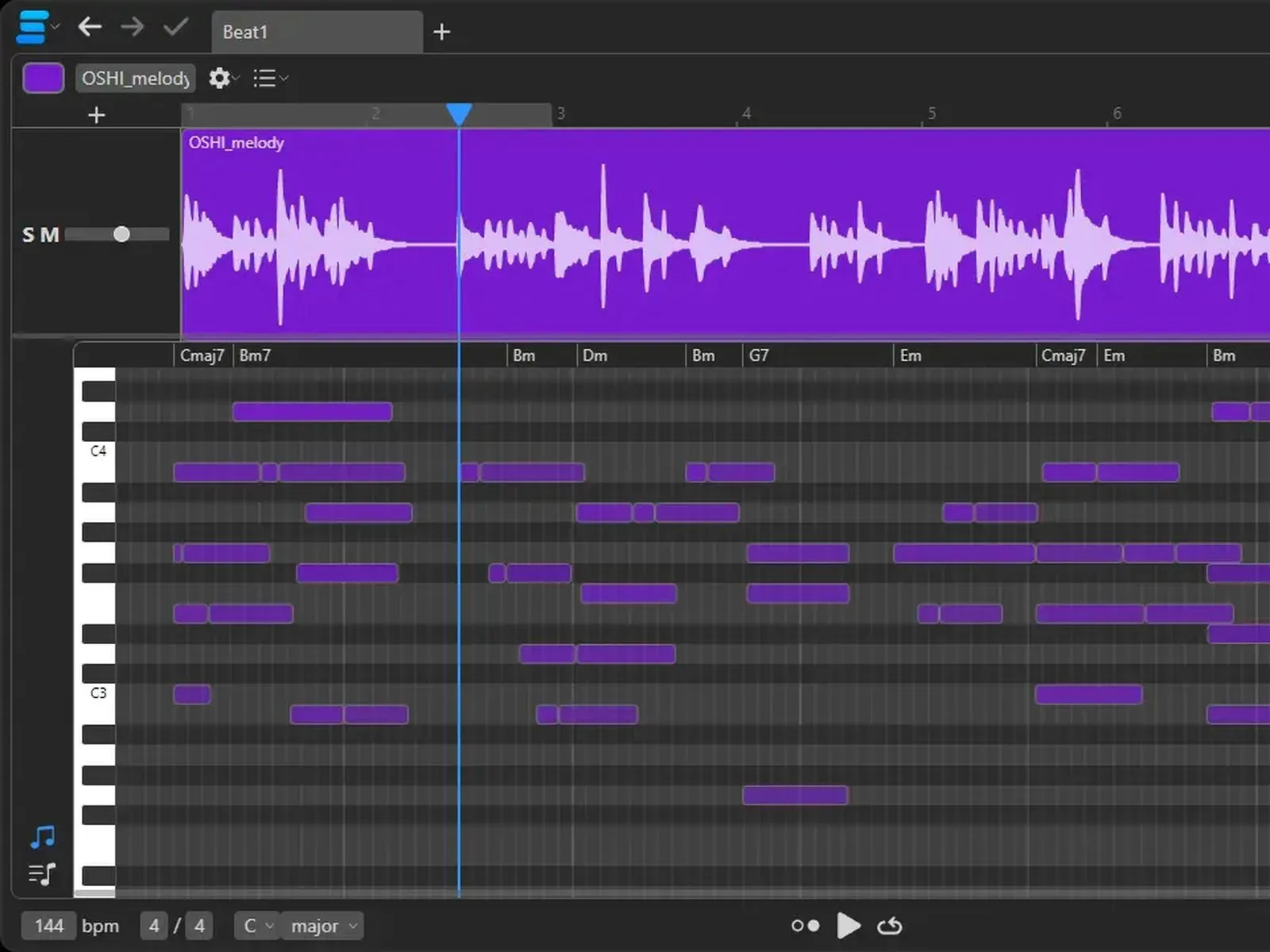
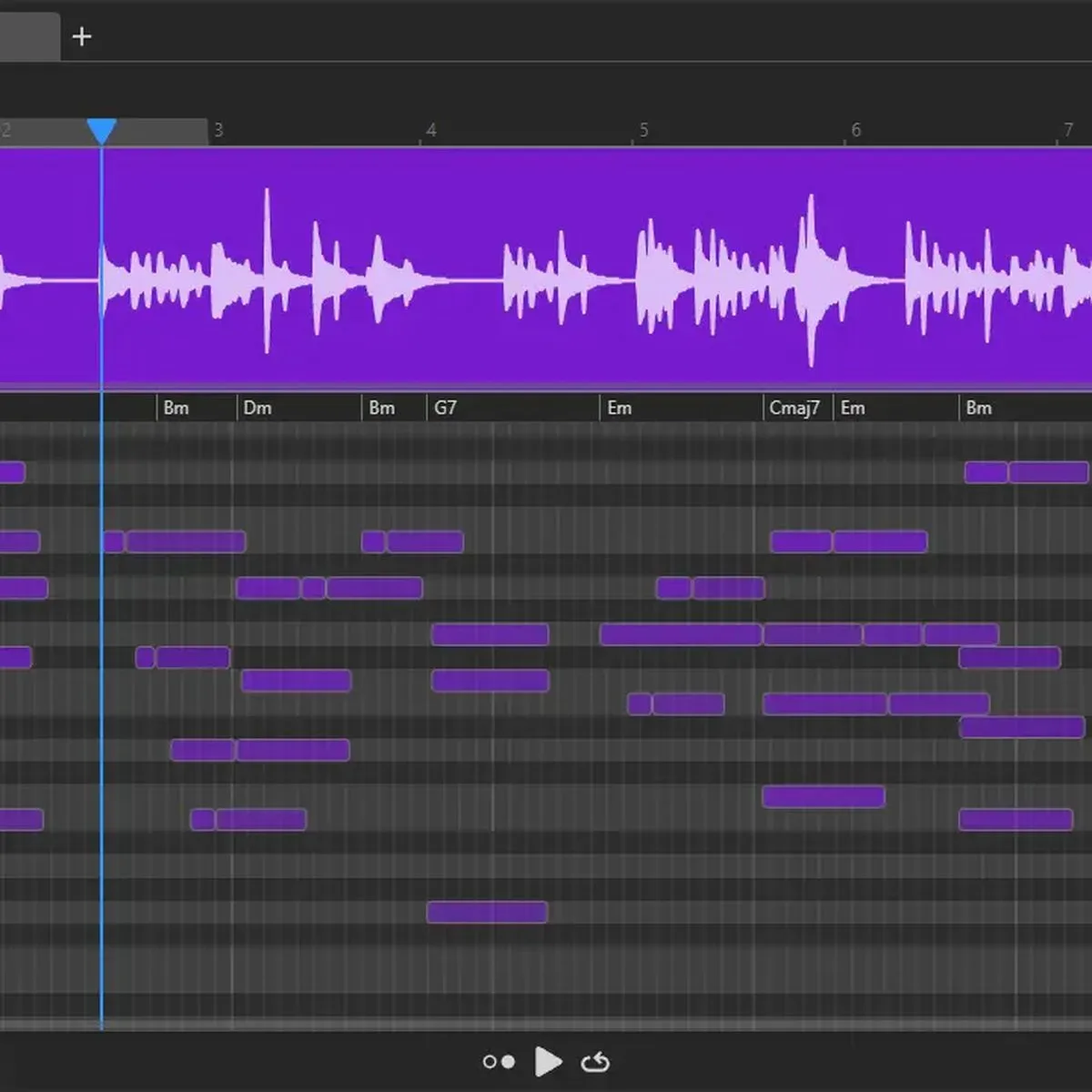
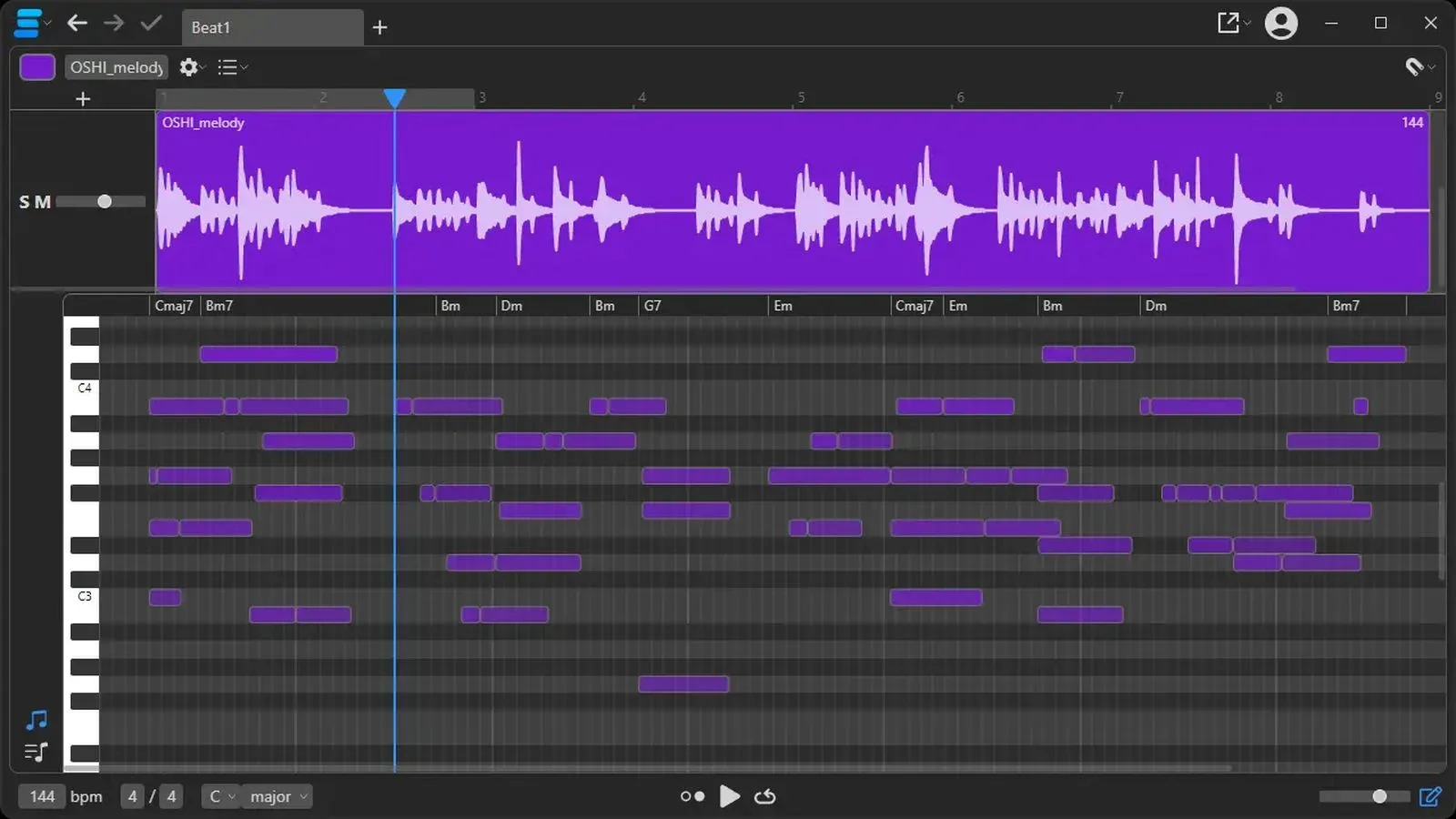
The deal matters less as a consumer-product launch than as a signal about the audio-production technology Apple may be bringing in-house. Samplab’s desktop app and plug-ins were built around a demanding set of music-editing tasks: turning audio into MIDI, identifying and changing chords, separating a recording into component parts, and editing individual notes within polyphonic audio while retaining the original sound character.
Apple has not detailed a product roadmap tied to the acquisition. Still, the most direct potential homes for technology of this kind are Logic Pro and GarageBand, Apple’s music-creation software. Logic Pro already includes Stem Splitter and Chord ID, but Samplab’s approach to polyphonic note editing would represent a distinct capability if Apple chooses to integrate it.
What Apple acquired—and what remains unknown
The filing uses deliberately narrow language: Apple acquired certain assets from Samplab and hired certain employees. That does not establish that Apple bought the entire company, nor does it spell out which software, intellectual property, contracts, or personnel moved over.
It also does not confirm that Samplab features will appear in any Apple application, when that might happen, or whether they would arrive exactly as users knew them. Acquiring technology and talent can support future development without producing a one-for-one port of an existing app or plug-in.
What is clear is that Samplab’s public-facing product is no longer operating as it did before. Its September shutdown gives existing users a practical reason to review any active projects, exported files, plug-in dependencies, and workflows that relied on its tools. The supplied information does not specify migration options, ongoing support arrangements, or replacement products.
Why Samplab’s audio tools are technically notable
Several of Samplab’s capabilities overlap with tasks musicians and editors traditionally handle through manual arrangement, separate source files, or dedicated restoration software. The important distinction is that these jobs involve extracting musical meaning from a finished audio recording, not merely moving clips around on a timeline.
Audio-to-MIDI conversion
MIDI is performance data rather than recorded sound. A MIDI note can specify details such as pitch, timing, duration, and velocity; it does not inherently contain the sound of a vocalist, guitar, piano, or synth. Converting audio to MIDI therefore means analyzing a recording and producing editable note information from what is heard.
That can be useful when a creator has an audio idea but wants to change its instrument, correct a phrase, double it with another sound, or inspect the notes and harmony. It is also a challenging task because real recordings contain overlapping instruments, effects, room sound, and rhythmic variation. An audio-to-MIDI result is not the same thing as receiving the original project file, but it can provide a workable editable starting point.
Chord detection and editing
A chord is a group of notes functioning together harmonically. Chord detection attempts to identify that harmonic structure from audio, while chord editing implies changing it. For songwriters and producers, this can be a faster way to understand a progression or reshape a musical section than reconstructing every part by ear.
Logic Pro already has Chord ID, so the acquisition should not be read as Apple first entering chord-aware production. Rather, Samplab’s feature set suggests further interest in making harmonic information in audio more accessible and editable. Whether that yields a new Apple feature is unknown.
Stem splitting
Stem splitting, sometimes called source separation, attempts to isolate elements inside a mixed recording. A result might separate vocals, drums, bass, or other musical material into individual tracks. Those reconstructed parts are commonly called stems, although the exact terminology can vary across production workflows.
For creators, the appeal is straightforward: a recording with no available multitrack session can become more flexible for practice, remix preparation, arrangement study, or editing. The limitations are equally important. Separation is an inference from the final mix, and the supplied information does not make any claim about the quality or reliability of Samplab’s results under particular conditions.
Apple already offers Stem Splitter in Logic Pro. Samplab’s acquisition may therefore be more about expanding underlying expertise, improving adjacent workflows, or combining its capabilities with Apple’s existing tools than adding a simple checkbox feature.
Polyphonic note editing without changing timbre
The most distinctive element in Samplab’s described toolset is editing notes in polyphonic audio without affecting the recording’s timbre. Polyphonic means more than one note may be present at once, as with chords on a piano or several musical elements sounding together.
Timbre is the quality that helps listeners tell one sound source from another even when they play the same pitch. It is part of why a piano note does not sound like a guitar note, and why two voices can be distinguished. Keeping timbre intact while changing note information is therefore a meaningful goal: it aims to alter musical pitch or harmony without turning the source into a noticeably different instrument or voice.
This is not simply trimming a sound file or applying an equalizer. It implies software that can identify and manipulate note-level musical structure within complex recorded audio. Apple’s existing Logic Pro tools named in the filing—Stem Splitter and Chord ID—address adjacent needs, but the information available specifically identifies polyphonic note editing as new relative to those Logic Pro features.
Potential implications for Apple music software
Logic Pro is the obvious candidate for any advanced integration because it already includes the related Stem Splitter and Chord ID functions. GarageBand is also a possible destination, though there is no confirmation that either app will receive Samplab-derived technology.
If Apple does build on the acquisition, the practical attraction would be a tighter bridge between audio recordings and editable musical data. A creator could, in theory, move from an audio fragment to note and chord information, isolate elements for focused work, or alter a musical detail without beginning from a clean multitrack session. That is an explanation of why these capabilities are valuable, not a confirmed description of a coming feature set.
For game creators and small production teams, this type of workflow could be relevant wherever music prototypes, trailer edits, and temporary tracks need to be understood or reshaped quickly. But it should not be treated as a substitute for clear rights, original session materials, or permission to alter a recording. The acquisition disclosure concerns software assets and employees; it provides no new rules about ownership or permitted use of audio.
The wider creative-AI conversation has also put consent and control at the center of audio technology discussions. That broader concern is particularly visible in debates over voices and performers; recent guidance around unauthorized AI voice use illustrates why the technical ability to transform sound and the rights to use it must be considered separately.
Why the European Commission filing surfaced the deal
The transaction was disclosed through European Commission processes because Apple is considered a gatekeeper in the European Union. Under the Digital Markets Act, gatekeepers have notification obligations for certain transactions involving core platform services, digital services, and data collection.
That regulatory context is important. The filing reveals that a transaction happened and describes it in limited terms, but it is not a detailed Apple announcement or product specification. It is evidence of an acquisition of certain assets and hires, not evidence that a particular Samplab feature has been scheduled for Logic Pro or GarageBand.
For now, the strongest reading is restrained: Apple has brought in assets and personnel associated with sophisticated AI-assisted audio editing, at a time when its pro audio software already offers stem splitting and chord identification. The Samplab name has disappeared from the market, while the underlying ideas—especially editable polyphonic audio that preserves timbre—are now the part worth watching in Apple’s future music tools.