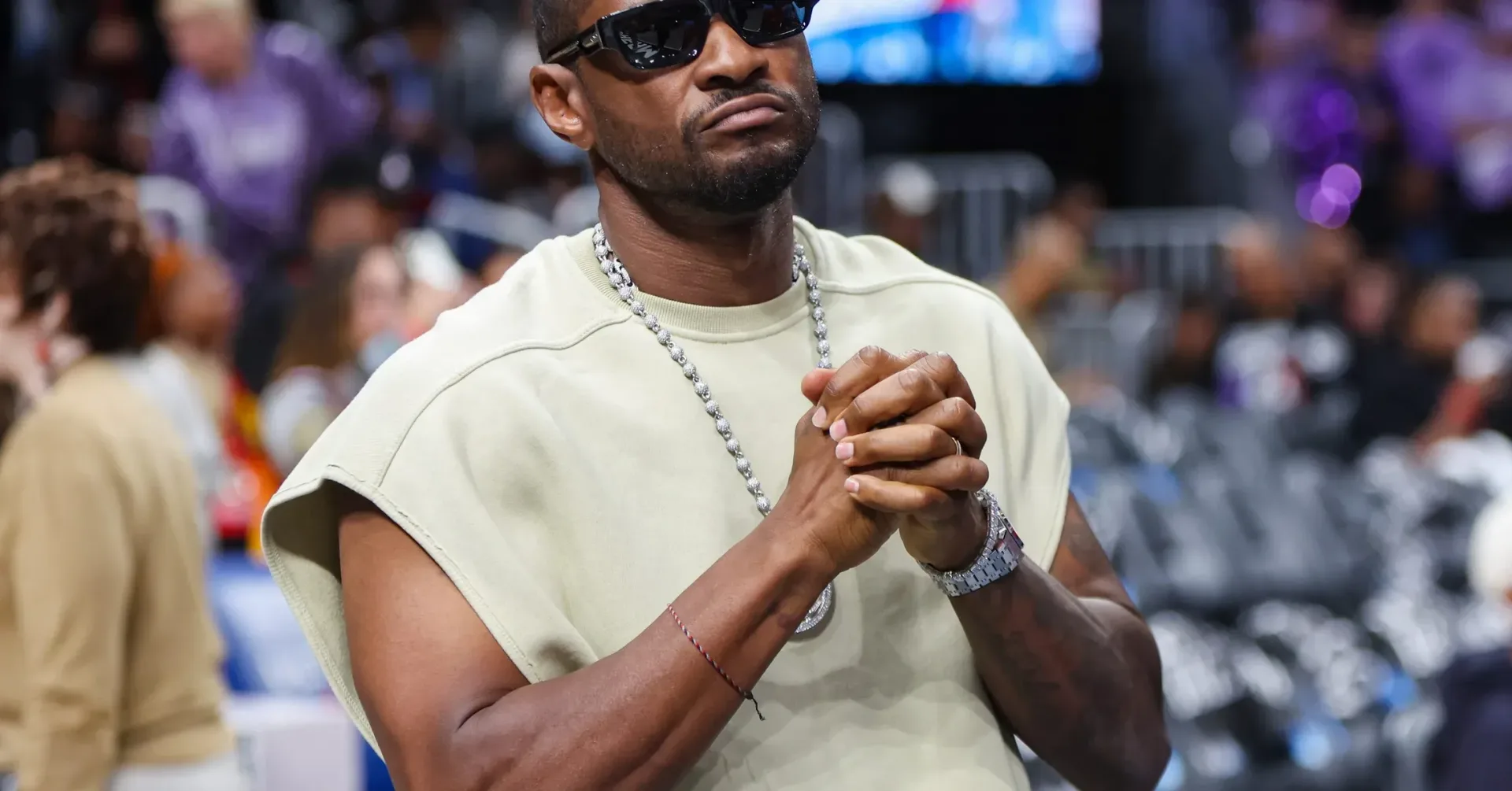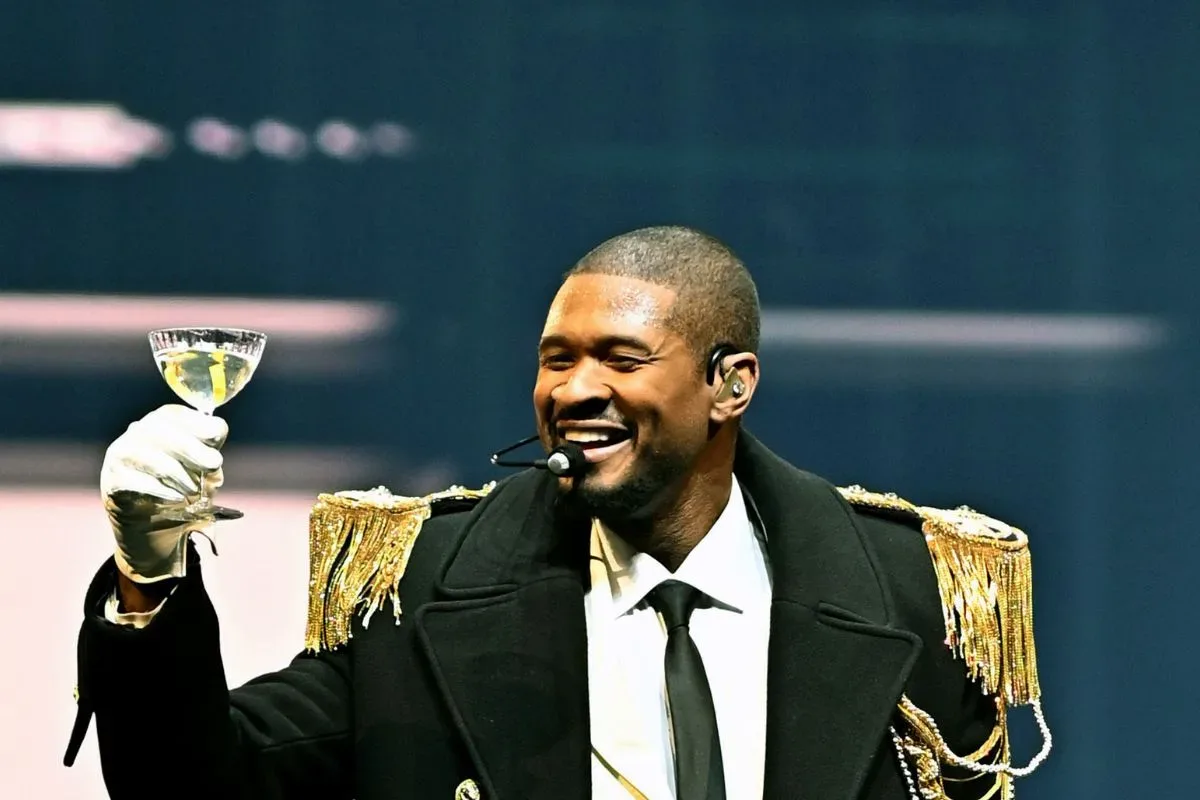
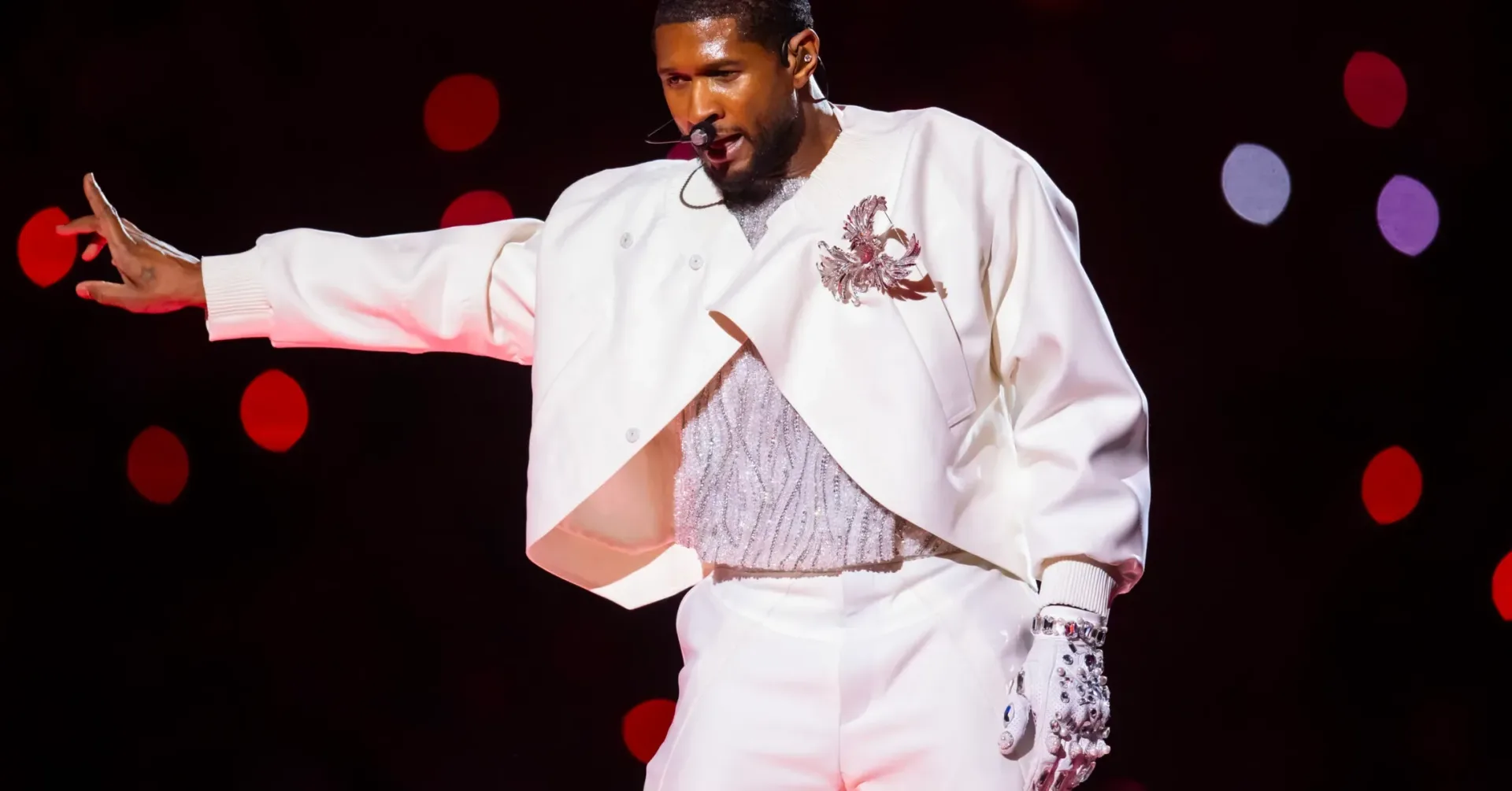
Usher and Chris Brown’s first of five scheduled Atlanta dates at Mercedes-Benz Stadium reportedly started roughly three hours late on Thursday, November 5, and the unusual timing has set off a wave of speculation about the pair’s joint “R&B” tour.
The most important detail is also the easiest to lose amid online rumor: a backstage confrontation has not been publicly confirmed by either performer. Claims that the delay stemmed from a verbal argument rely on unnamed people said to be close to the situation. They should be treated as unverified, rather than as an established explanation for what happened.
What attendees described is a delayed and apparently abbreviated concert. Reports from fans said some familiar Usher show elements did not appear, including the cherries and portions involving women brought onstage. The two artists also reportedly did not perform songs together that night. Those observations can explain why people came away disappointed or curious, but they do not independently establish the cause of the delay.
One practical explanation is available in the public account: the venue was reportedly subject to a midnight end time. If a concert begins hours behind schedule but still has to finish at a fixed time, a reduced setlist and cut production moments are a straightforward consequence. That possibility does not rule out other issues, but it is a key distinction between a documented outcome—a shorter program—and an unproven claim about why the show began late.
What is alleged about the delay
The account circulating Friday is that heavy Atlanta traffic was leaving many ticket holders late. In the reported disagreement, Brown allegedly favored starting anyway, while Usher allegedly wanted to wait for more of the audience to arrive. The same claims frame the exchange as a clash of competitive “egos” and say the issue had not yet been settled.
That is a specific narrative, but it is still an allegation. There is no public statement in the available information confirming an argument, its substance, or that it caused the three-hour delay. Nor is there confirmed information that either artist altered the setlist in response to a personal dispute.
Brown appeared to push back against the broader theory of conflict in an Instagram Story, writing, “Internet 🧢. don’t fall for it.” The cap emoji is commonly used online to call something untrue or deceptive. His post does not spell out every claim it addresses, but it is a clear signal that he rejects the rumor-driven narrative being built around the concert.
Why the shortened show became the center of the story
Concert setlists are not merely lists of songs. They are tightly timed production plans involving performers, musicians, dancers, staging, lighting, costume changes, entrances, exits, and audience-participation segments. When a hard curfew compresses the available performance window, the pieces most likely to disappear may be the transitions and elaborate moments that require extra setup—not only individual songs.
Related coverage includes Usher, Chris Brown Atlanta Delay Fuels Unverified Backstage Argument Claims.
That context matters here. Reports that trademark Usher moments were absent may sound like evidence of a deep problem between the headliners, particularly when the performers also reportedly did not share songs onstage. But it can also be consistent with a night in which the event had less time than planned. Without a confirmed running order or an explanation from the artists’ teams, neither interpretation can be presented as certain.
A city or venue cutoff is often called a curfew in concert discussion: a set time by which amplified live programming must end. The supplied information describes a midnight limit. In practical terms, that means the delay carried a cost. Starting later would not necessarily shift every planned segment later; it could instead force difficult choices about what to trim so the event ends on time.
For fans, that distinction does not erase the frustration of a shortened experience after a long wait. It does, however, provide a more grounded framework than assuming that every missing feature reflects interpersonal tension.
A prior rumor is relevant only as context
Usher and Brown were also the subject of fight rumors in 2023 after a party. Brown denied those claims, and no wider conflict emerged from that episode in the information available here. That history helps explain why some fans were quick to connect a late start in Atlanta to the idea of renewed friction.
It does not prove that the newer claim is false, and it does not prove it is true. It simply shows why old narratives can reappear quickly when an unusual live-event disruption occurs. Social platforms are especially effective at merging separate fragments—a delayed start, an abbreviated show, missing recurring segments, and a cryptic artist post—into one apparently complete story before the underlying details are independently established.
There is another reason to resist overreading the first Atlanta date: the available claims say the tour itself is not in jeopardy. That too is reported rather than officially confirmed, but it is incompatible with declaring the run cancelled or doomed based solely on one disrupted evening.
What to watch at the remaining Atlanta dates
The duo were scheduled to return to Atlanta after the delayed performance, with three additional shows also remaining on the schedule. The next dates may offer the clearest practical indication of whether Thursday was an isolated operational problem or the start of a larger disruption.
- Start time: A normal start would reduce, though not completely eliminate, concern that the first night’s delay reflects an ongoing issue.
- Set structure: The reappearance of the production moments fans said were absent would support the idea that time pressure shaped the shortened program.
- Joint performance: If Usher and Brown perform together as expected on a later night, it would undercut speculation drawn from their reported lack of shared songs on Thursday.
- Direct communication: Statements from either artist or their representatives would carry more weight than anonymous claims and fan inference.
Until then, the most accurate summary is narrow. The Atlanta concert reportedly began about three hours late, reportedly ended with a shorter-than-expected set, and sparked claims of a backstage verbal argument. Traffic and a midnight cutoff offer a plausible operational context for at least part of the night’s outcome. Brown has publicly urged followers not to believe the online speculation, while no definitive public explanation has been provided.
The episode also lands in a broader conversation about what audiences expect from major vocal performers and highly structured arena spectacle. Recent debate over modern singing and stagecraft has emphasized that a concert’s perceived value is often tied to more than its song count. When recognizable rituals, audience moments, or artist interactions are removed, fans notice immediately—especially after an extended wait.
For now, that visibility is exactly why careful wording matters. A delayed show is real. A reportedly shortened set is real. A backstage dispute remains an allegation, not a confirmed fact.