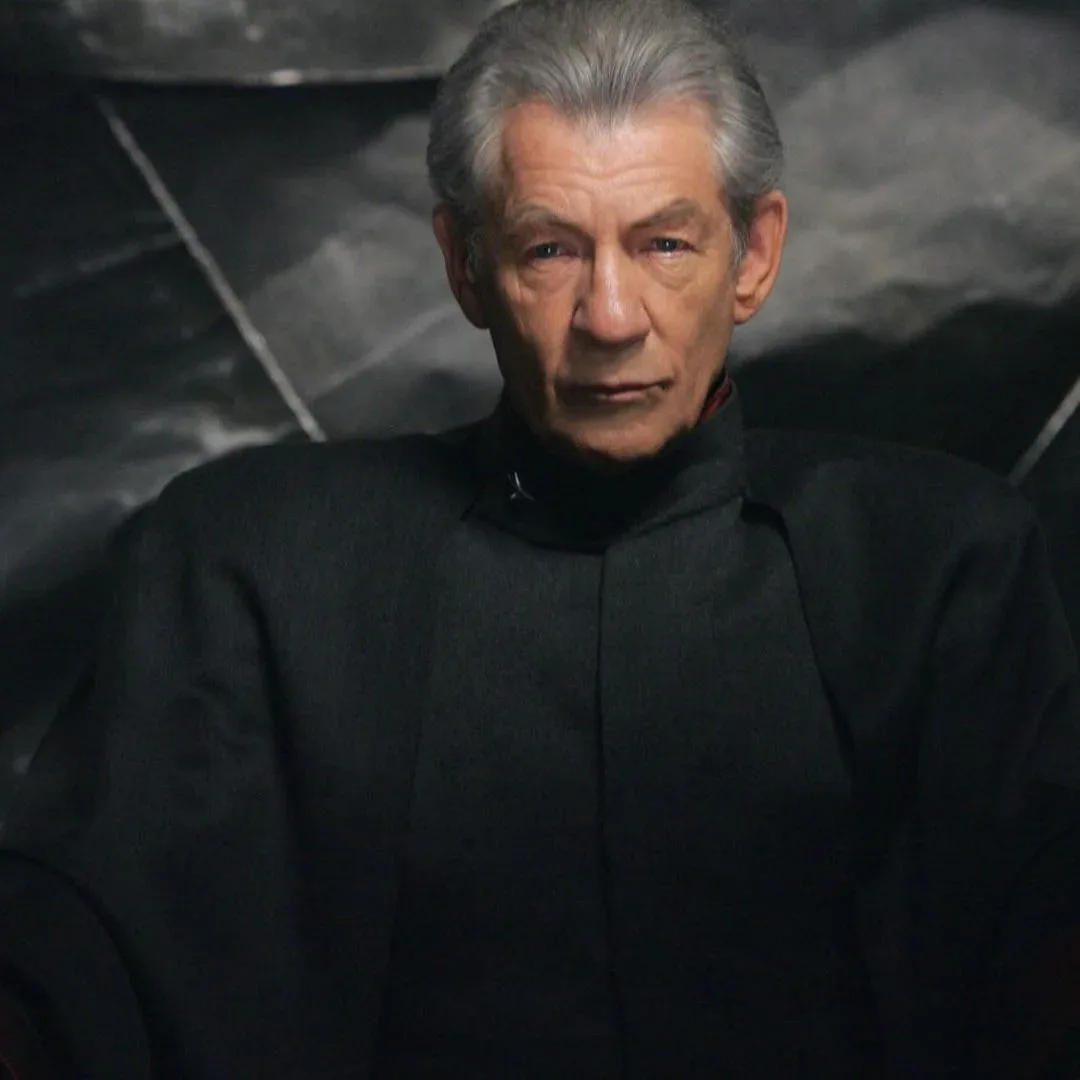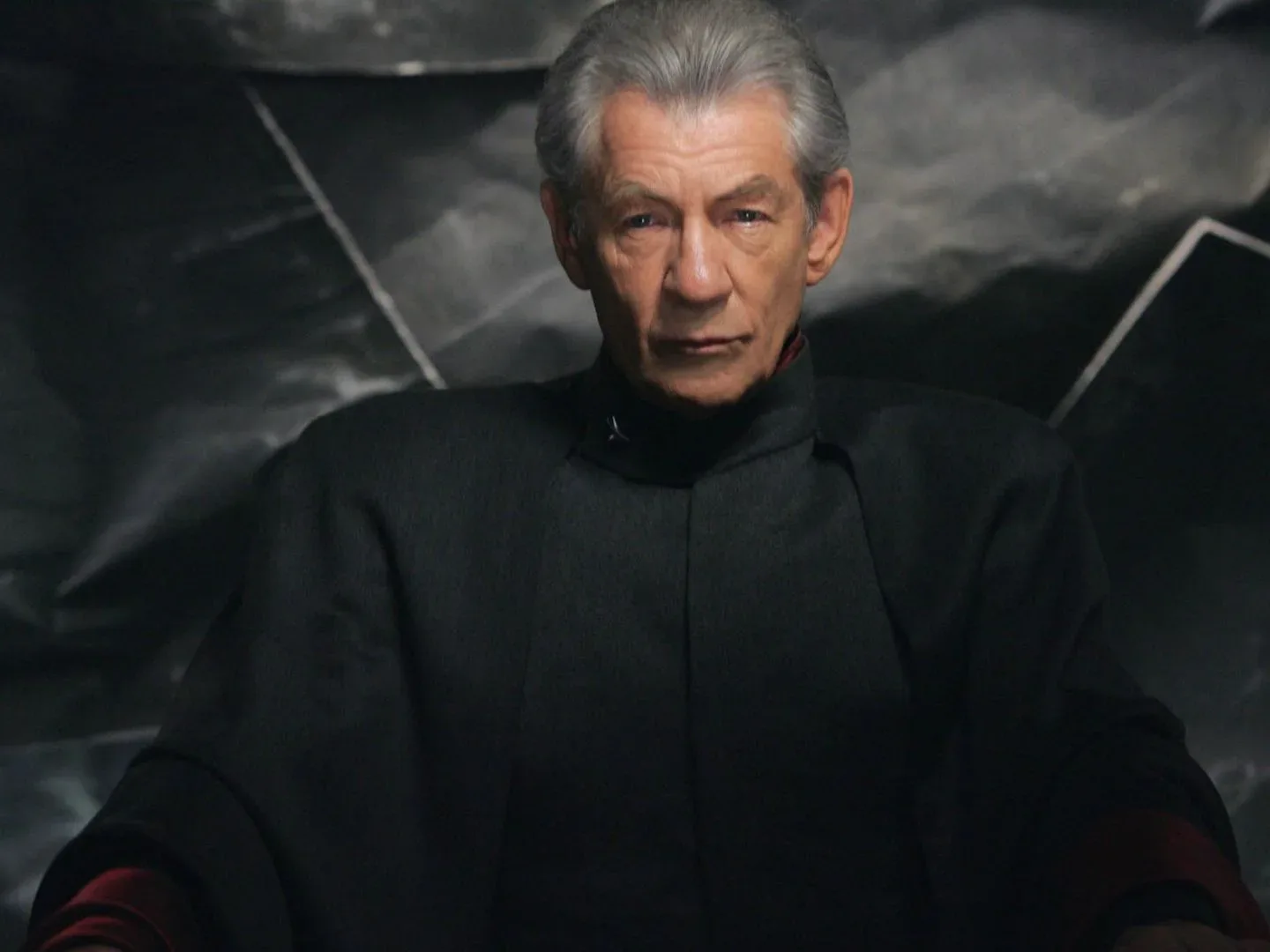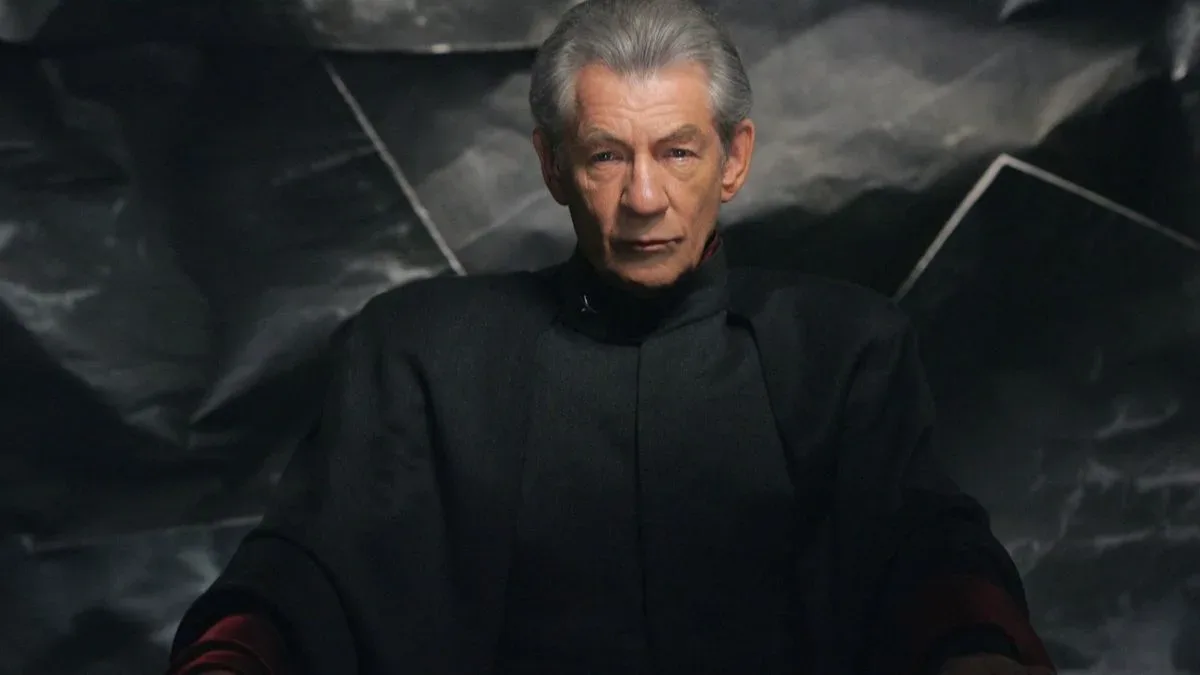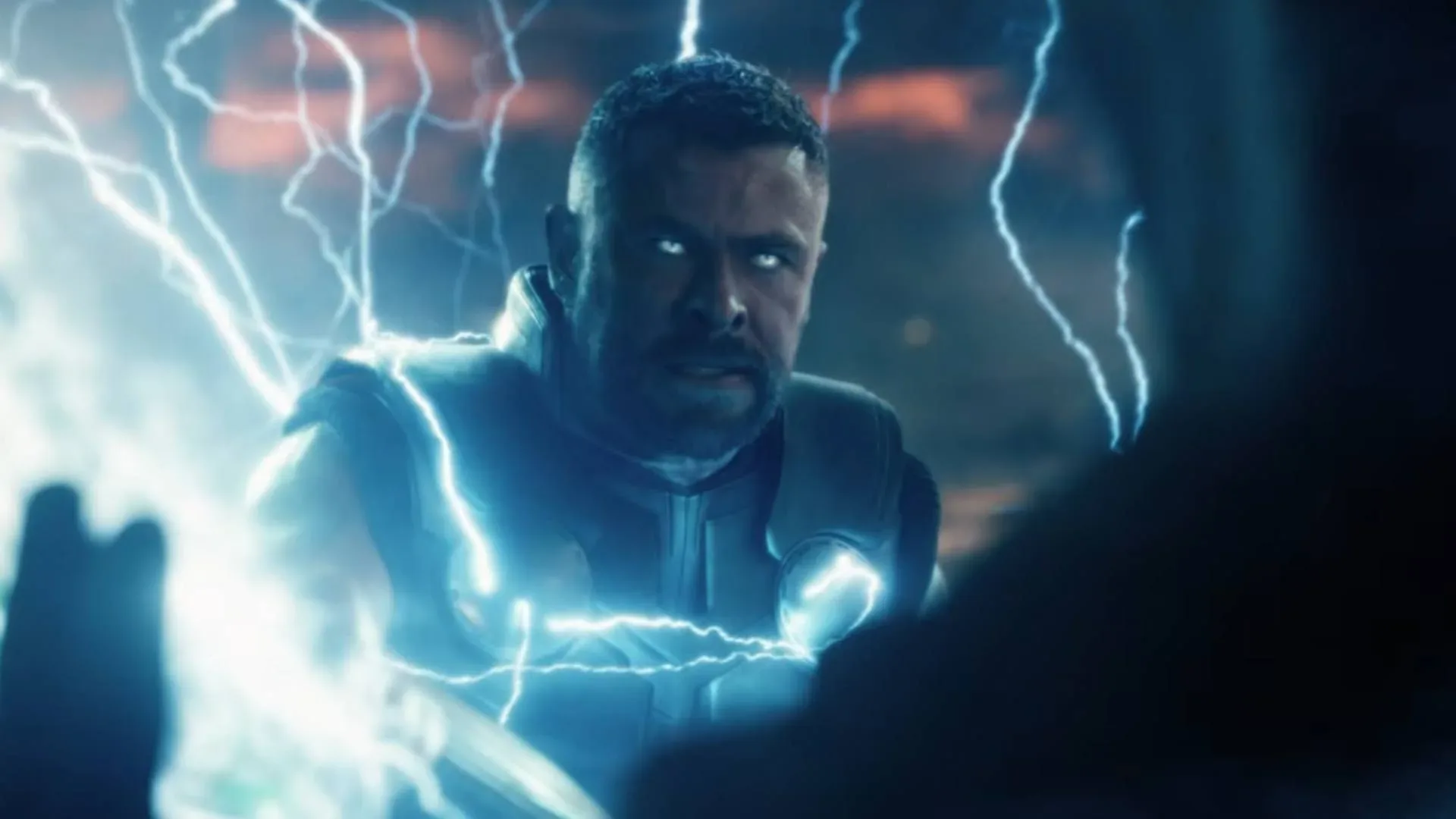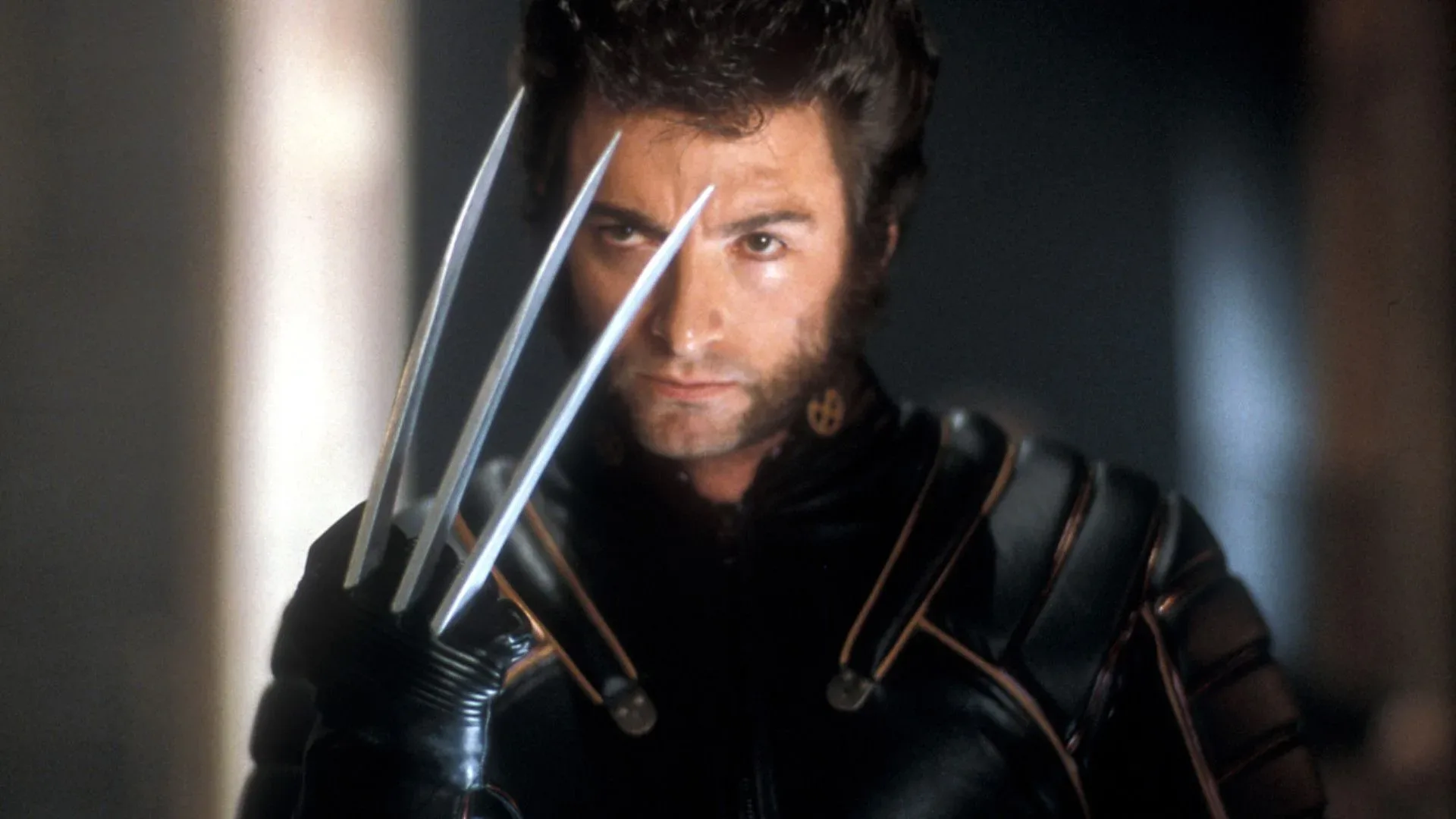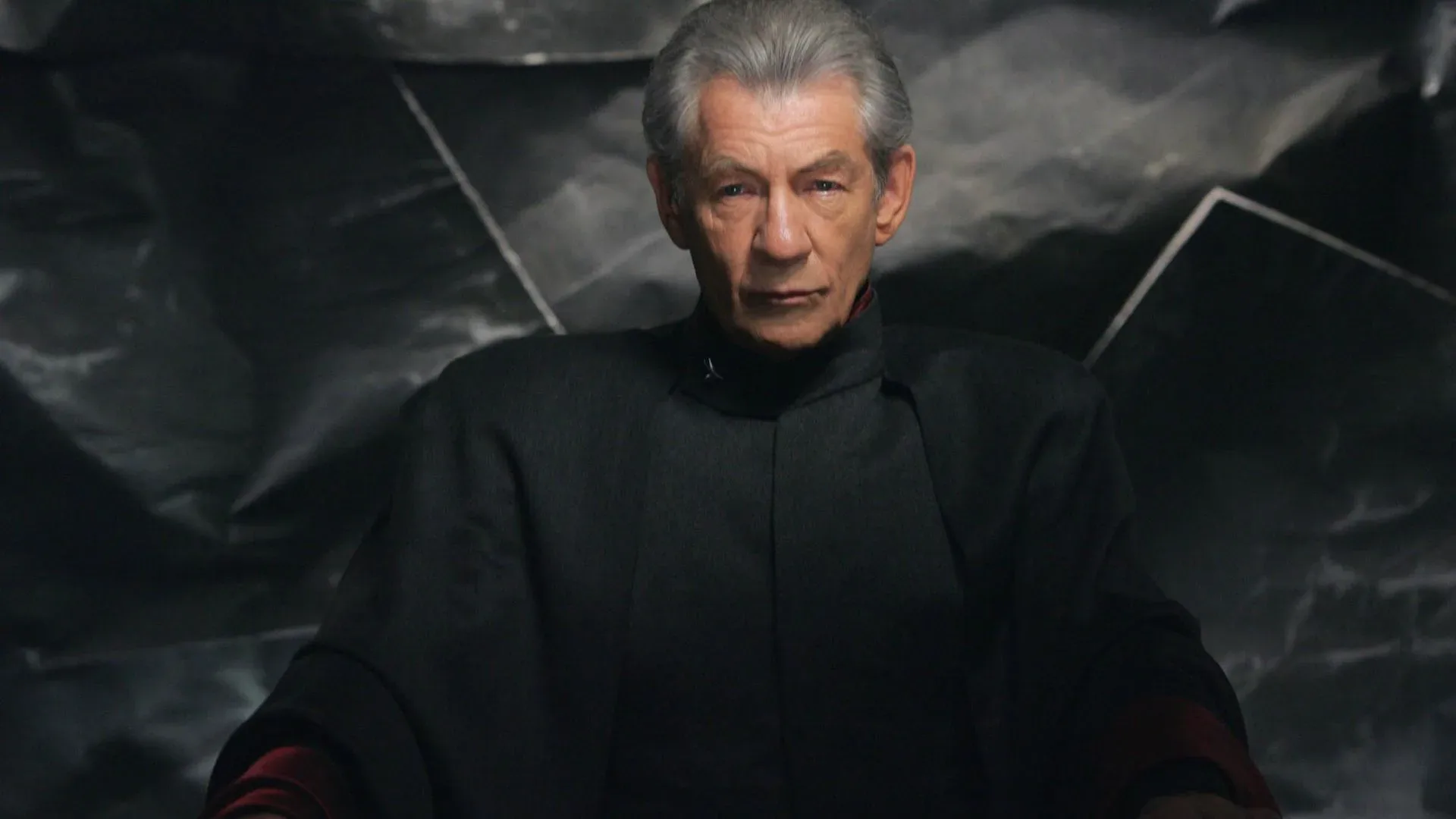
A small costume detail in unverified Avengers: Doomsday artwork is giving Marvel fans a big reason to look twice: Ian McKellen’s Magneto appears to be wearing an X-branded belt alongside several other returning mutants.
The images circulating online have been presented as artwork connected to Hasbro’s Marvel Legends Avengers: Doomsday Series. They have not been confirmed as official Marvel Studios material, so the safest reading is that they are unverified promotional-art claims, not a reliable statement of the finished film’s plot or character arcs. Still, several pictured character designs reportedly align with action-figure packaging and counterparts, which explains why the images have drawn so much attention.
If the material is authentic and representative of the movie, Magneto’s belt may be a modest but meaningful visual clue: Erik Lehnsherr could be operating as part of Professor Charles Xavier’s X-Men group when the story begins, rather than standing apart from it.
What the circulating artwork appears to show
The artwork includes a wide range of heroes expected to be involved in Avengers: Doomsday. Characters visible in the reported images include Captain America, Thor, Doctor Doom, Yelena Belova, Bucky Barnes, Red Guardian, Sue Storm, Reed Richards, the Thing, M’Baku and Shuri.
For more context, explore Bulkhead Plans a Full December Break After Wardogs Early Access, Telling Players to “Go Play GTA 6”.
The mutant contingent is equally notable: Professor X, Magneto, Gambit, Cyclops, Mystique, Nightcrawler and Beast are all represented. It is their shared design language that has become the focal point. Most of the mutants appear to wear belts marked with an X, a straightforward visual shorthand for membership or affiliation with Xavier’s team. Magneto seems to carry the same symbol.
Costume insignia is not necessarily a contract, a moral alignment chart, or a guarantee that every character agrees with the team around them. In a superhero ensemble, it can simply establish that a group is assembled for a mission. But that is precisely why the apparent belt detail matters. It suggests that the film’s X-Men may be introduced as a functioning unit—or at least as a unit trying to function—before its larger conflict tests the alliance.
Why Magneto wearing an X matters
Magneto’s relationship with Charles Xavier has long been built on conflict as well as familiarity. In the earlier X-Men film trilogy, Charles and Erik repeatedly occupied opposing positions, especially over the question of how mutants should respond to humanity. Magneto was often willing to pursue open war, while Xavier sought coexistence and tried to prevent his old friend from going further.
That history means an X-Men marker on Magneto is more interesting than the same marker on Cyclops or Beast. For characters traditionally identified as members of Xavier’s school and team, the symbol reinforces an expected status. On Magneto, it raises questions. Is he a full teammate? A temporary ally? Someone who accepts the uniform but not Xavier’s worldview? Or simply a survivor of a crisis where old ideological lines have become less important than staying alive?
The evidence available cannot answer those questions. The artwork, even if legitimate, does not establish motive, duration or loyalty. It does, however, support a narrower possibility: Magneto and Xavier may be visibly aligned when the film’s central emergency takes shape.
A team emblem is not the same thing as trust
It is worth separating what fans can reasonably infer from what would be speculation. An emblem is a piece of visual storytelling: filmmakers and designers use a repeated color, insignia or costume element to rapidly signal that characters are connected. The X on these belts would tell viewers that these mutants belong together in some capacity.
It does not prove that Magneto has abandoned his past beliefs, that Mystique shares the group’s goals, or that the alliance lasts beyond a single sequence. Team-up movies frequently put rivals on the same side against a greater danger without removing the friction that made those rivals compelling in the first place.
In fact, Magneto’s complicated position could be more dramatically useful than a simple conversion. An uneasy Erik working beside Charles has built-in tension: both men may recognize the need for cooperation while retaining profoundly different ideas about what should happen after the immediate threat is over.
The trailer already points to a temporary common cause
The available trailer material has already shown Charles and Erik sitting together as their universe confronts destruction connected to Doctor Doom. That scene gives the apparent costume clue some context. They do not appear to be treating one another as immediate enemies; they are facing a danger large enough to make their personal and political disputes secondary, at least for the moment.
The film’s official setup describes heroes from three distinct universes being brought into a deadly collision and confronting an existential threat. An existential threat is a danger to continued existence itself—not merely a robbery, invasion or one villain’s local plan. In this context, it means the survival of entire worlds or universes is at stake.
That scale makes a Magneto-X-Men alliance plausible without requiring the story to pretend their prior divisions never existed. When a universe faces destruction, characters who normally disagree may have no practical alternative but to combine resources, knowledge and powers. The key dramatic question is not whether they can stand in the same room; the trailer indicates they can. It is whether they can make decisions together when the stakes are highest.
The returning X-Men make the group dynamic more important
Avengers: Doomsday is set to bring back McKellen as Magneto and Patrick Stewart as Professor X, alongside James Marsden as Cyclops, Rebecca Romijn as Mystique, Alan Cumming as Nightcrawler and Kelsey Grammer as Beast. Channing Tatum’s Gambit, introduced in Deadpool & Wolverine, is also part of the lineup.
That collection of characters creates several possible centers of authority within the mutant group. Xavier is the clearest traditional leader. Cyclops has an established connection to the X-Men’s team identity. Beast brings a scientific perspective, while Nightcrawler and Gambit add characters whose loyalties and roles could shape how united the team feels. Mystique and Magneto, meanwhile, carry histories that make any neat “heroes on one side, villains on the other” arrangement less convincing.
The apparent shared belt motif may therefore be doing more than establishing who has a seat at the table. It could be a useful way of presenting a large returning cast as one recognizable faction before the movie asks them to navigate tensions within that faction.
What this could mean for Marvel Legends collectors
For figure collectors, the most immediate point is caution. The images are said to be related to a Marvel Legends series, and the visual match with packaging is part of why they have circulated. Yet neither the artwork’s origin nor the full details of the product line have been confirmed here. Collectors should not treat the images as a definitive reveal of final figures, accessories, release timing or packaging.
There is nevertheless a practical reason alleged toy art can attract close scrutiny. Licensed action-figure lines often use character art, costume references and group branding that overlap with a film’s marketing. That overlap can offer an early look at a costume silhouette or lineup, but it is not immune to changes, selective framing, marketing simplification or incomplete information.
- Confirmed information: the film features a major multiverse-scale team-up premise, Doctor Doom is the central threat, and a number of X-Men performers are returning.
- Trailer-supported information: Xavier and Magneto are seen together in the face of a catastrophic situation.
- Unverified material: the circulated artwork’s provenance and the meaning of every costume detail, including Magneto’s X belt.
- Speculation: any claim that Magneto has permanently joined Xavier’s cause or that the belt predicts the full plot.
The detail is intriguing precisely because it is small
Marketing images often invite audiences to hunt for sweeping revelations, but the most useful clues are sometimes restrained. An X symbol on Magneto does not reveal Doctor Doom’s plan, settle the future of the multiverse or explain who survives the movie. What it potentially does is frame the emotional starting point for one of Marvel’s most enduring relationships: Charles and Erik may be on the same side when disaster arrives.
That would not erase the conflict that defines them. It could instead give Avengers: Doomsday a stronger foundation for it. Allies forced together by catastrophe can still disagree about sacrifice, survival, leadership and the future of the people they are trying to save. Magneto wearing the mark of the X-Men, if that is indeed what the final film shows, may be less a declaration of peace than a sign that the crisis has made cooperation unavoidable.
Avengers: Doomsday is scheduled for US theaters on December 18 and UK cinemas on December 16.