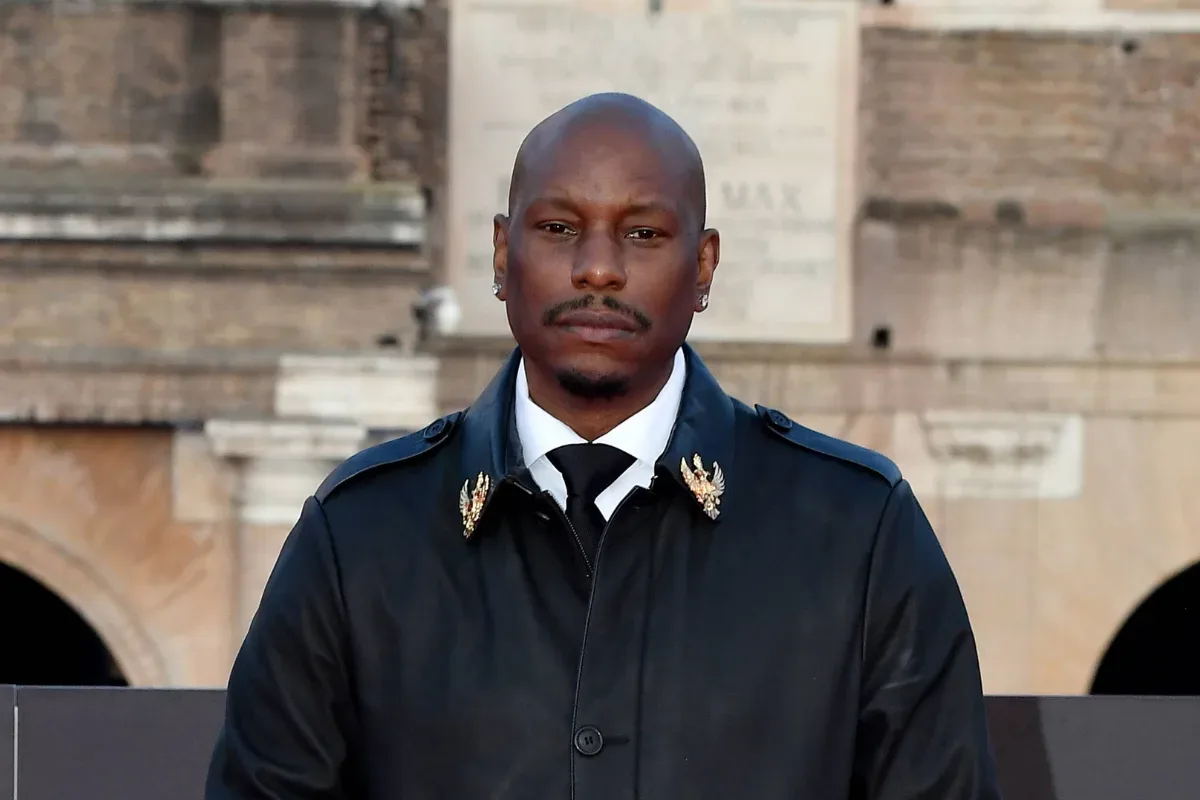
Tyrese Gibson’s criminal case connected to a fatal dog attack in Atlanta’s Buckhead neighborhood has been dismissed after the actor and musician completed a pretrial diversion program. The dismissal, confirmed by his attorney Gabe Banks in September 2026, closes a case that followed the death of Henry, a five-year-old Cavalier King Charles Spaniel, nearly a year earlier.
The September 18, 2025 incident involved four Cane Corsos belonging to Gibson. Henry belonged to neighbor Harrison Parker. The case brought multiple allegations against Gibson, including animal cruelty, dogs at large, and nuisance violations. The outcome means Gibson avoids a criminal conviction, but it should not be read as a finding that the underlying event did not happen or that the loss suffered by Henry’s family was insignificant.
That distinction matters in discussions around diversion programs. A dismissal following successful completion of such a program ends the criminal prosecution on the specified charges. It does not erase the seriousness of an incident, automatically settle every question of responsibility, or necessarily resolve potential civil matters. The available details concern the criminal case and its disposition.
A fatal neighborhood incident in September 2025
The episode began with a 911 call from Parker after Henry was attacked. The incident occurred in the Buckhead community of Atlanta, an area where neighbors had reportedly already raised concerns about Gibson’s dogs being loose.
Doorbell-camera footage reportedly showed the large dogs moving freely in the neighborhood and pawing at a nearby door shortly before the attack. Police had also documented five reports over roughly a week and a half preceding Henry’s death in which the dogs were said to have been at large. Authorities had issued warnings about keeping the animals controlled.
Those reports formed an important part of the public discussion that followed. A single tragic encounter is devastating on its own; reports of earlier loose-dog incidents add a separate question about whether warning signs had gone unaddressed. The charges against Gibson reflected the allegations raised after the attack, while the later diversion outcome addressed how the criminal case would be handled.
Gibson was not at home when Henry was killed. Through his legal team, however, he expressed remorse for the Parker family’s loss. He described himself as devastated and heartbroken by what happened and said he had attempted to contact the family directly to share condolences.
Gibson’s representatives conveyed that he was shocked by the tragedy and deeply sorry for the family affected.
His position also included the statement that he had never trained his dogs to hurt anyone. Gibson pointed to a long history as a dog owner, but he ultimately chose to rehome the animals involved: four adult Cane Corsos and three puppies. His team indicated that retaining them presented too great a liability risk.
What the dismissal does and does not mean
“Charges dismissed” can sound like a complete exoneration in a social-media headline, but pretrial diversion is more specific than that. Generally, it is a process that lets an eligible defendant complete conditions set by prosecutors or a court rather than proceeding to a conventional conviction. Once those requirements are fulfilled, charges may be dismissed.
The precise terms of Gibson’s diversion agreement have not been detailed here, so it would be inappropriate to assume particular requirements, such as classes, supervision, restitution, community service, or testing. What is established is that he completed the program, and that completion led to the dismissal confirmed in September 2026.
In practical terms, the case’s endpoint is significant. Gibson no longer faces a criminal conviction on the animal-cruelty, dog-at-large, and nuisance allegations stemming from Henry’s death. At the same time, the program’s use should not be reduced to a narrative of simply “beating” the charges. Diversion is itself a legal path with obligations, and it is distinct from a trial verdict declaring a defendant not guilty.
That nuance is especially important in stories involving the death of a pet. For many families, a companion animal is a family member, not a minor property dispute or a passing neighborhood inconvenience. Henry was five years old when he died, and Parker’s initial call for help marked the beginning of a public and painful legal dispute.
Gibson surrendered after the charges were filed
Following the 2025 incident, Gibson turned himself in at Fulton County Jail in October. He was booked and later released on bond. The case then continued into 2026 before reaching its current resolution through diversion.
The timeline is straightforward:
- September 18, 2025: Henry, Parker’s five-year-old Cavalier King Charles Spaniel, was killed in the attack involving Gibson’s Cane Corsos.
- In the days before the attack: Police had recorded five incidents in which the dogs were reported loose, and warnings had been issued.
- October 2025: Gibson surrendered at Fulton County Jail, was booked, and was released on bond.
- September 2026: Banks confirmed the charges were dismissed after Gibson completed pretrial diversion.
Gibson’s attorney is Gabe Banks of Banks Weaver Law Firm. The legal team has stressed that Gibson sought to take responsibility for the situation and hoped Parker’s family might eventually accept his apology. Whether a bereaved family wishes to have contact, forgive, or speak publicly is entirely their decision. An expression of remorse cannot dictate the pace or shape of another person’s grief.
Why dog-at-large reports carry weight
Cases involving dogs are often discussed in overly broad terms about breed, celebrity, or neighborhood status. The more useful facts here are about ownership, containment, documented reports, warnings, and the response after an attack. Breed alone does not tell the complete story of any animal or owner. Yet the reported pattern of dogs outside their owner’s control is relevant when authorities assess whether laws governing restraint and public safety may have been violated.
Cane Corsos are large, powerful dogs. That reality does not mean every Cane Corso is dangerous, nor does it establish intent in an individual case. It does underscore why secure fencing, leashes, supervision, reliable gates, and fast action after an escape are essential responsibilities. When large dogs wander through a residential area, even a brief lapse can carry enormous consequences for other animals and people.
The decision to place all seven dogs in new homes was therefore a meaningful development in the aftermath. It did not bring Henry back or undo what Parker’s household experienced. It did, however, remove the dogs from the situation that had generated repeated concern and the fatal incident.
A legal resolution, not an uncomplicated ending
Celebrity legal stories can invite a scoreboard mentality: charges filed on one side, charges dismissed on the other. That framework is incomplete here. The formal criminal matter has reached a resolution favorable to Gibson in the sense that he will not be convicted on these charges. But the reason the case existed remains tragic: a neighbor’s dog was killed.
It is also worth keeping the language exact. Gibson’s completion of diversion is a confirmed procedural milestone. The dismissal closes the cited criminal allegations. The known account also says he expressed remorse, surrendered after charges were filed, and rehomed the four adult dogs and three puppies. Claims beyond those points—about any private conversations, financial arrangements, or additional legal outcomes—should not be assumed without verified information.
For readers following entertainment figures as they move through legal disputes, this is a case where precision is more valuable than sensationalism. The same care applies across unrelated legal coverage, including recent developments in Kodak Black’s Florida cases: a favorable court result has a specific legal meaning, and it should be described without turning a complex situation into a slogan.
Gibson’s case is now dismissed, ending a year-long criminal proceeding. The record of what preceded it—including Henry’s death, reports that the dogs had previously been loose, and Gibson’s subsequent decision to rehome them—remains the context necessary to understand why the outcome has drawn attention.