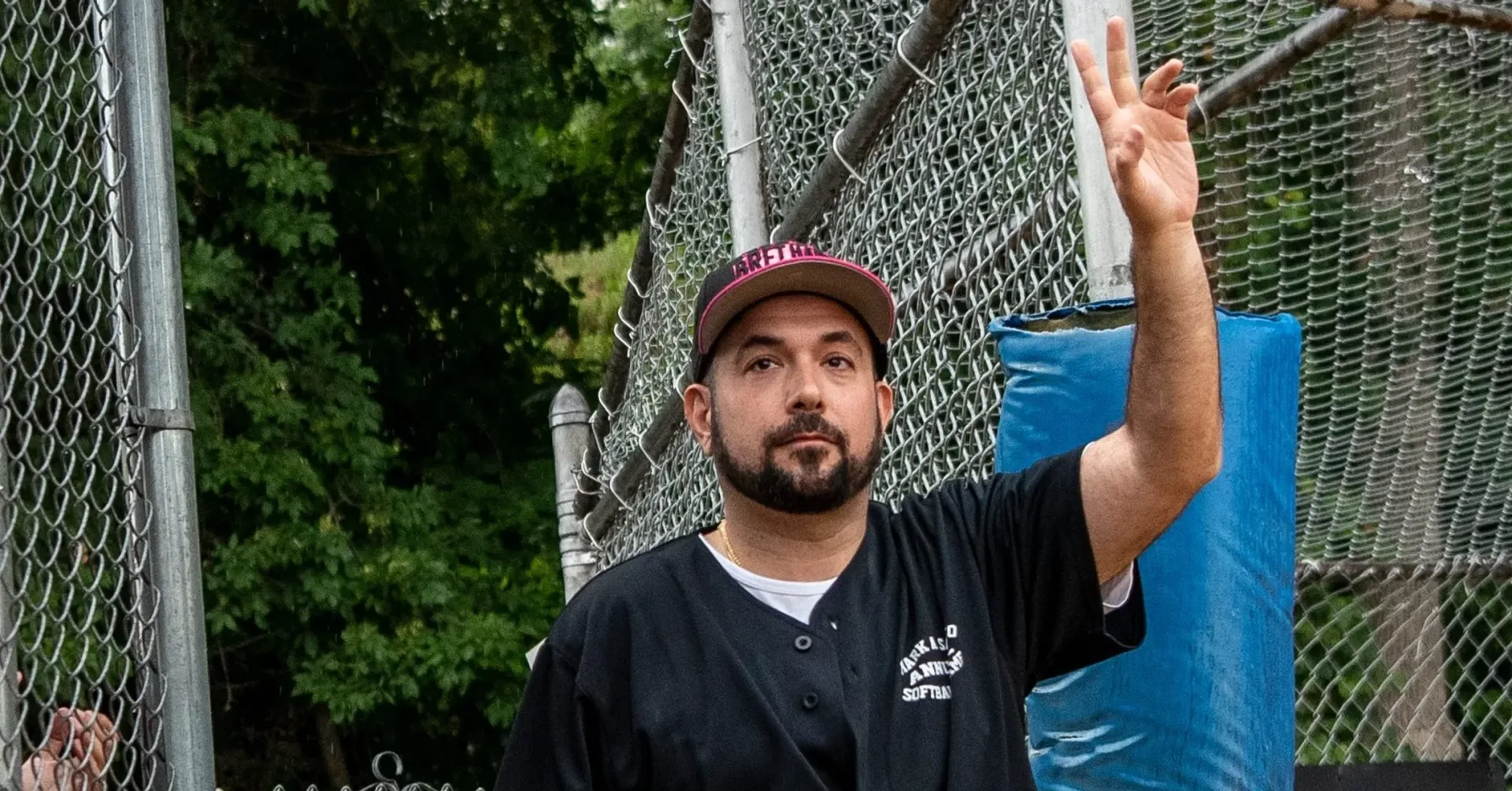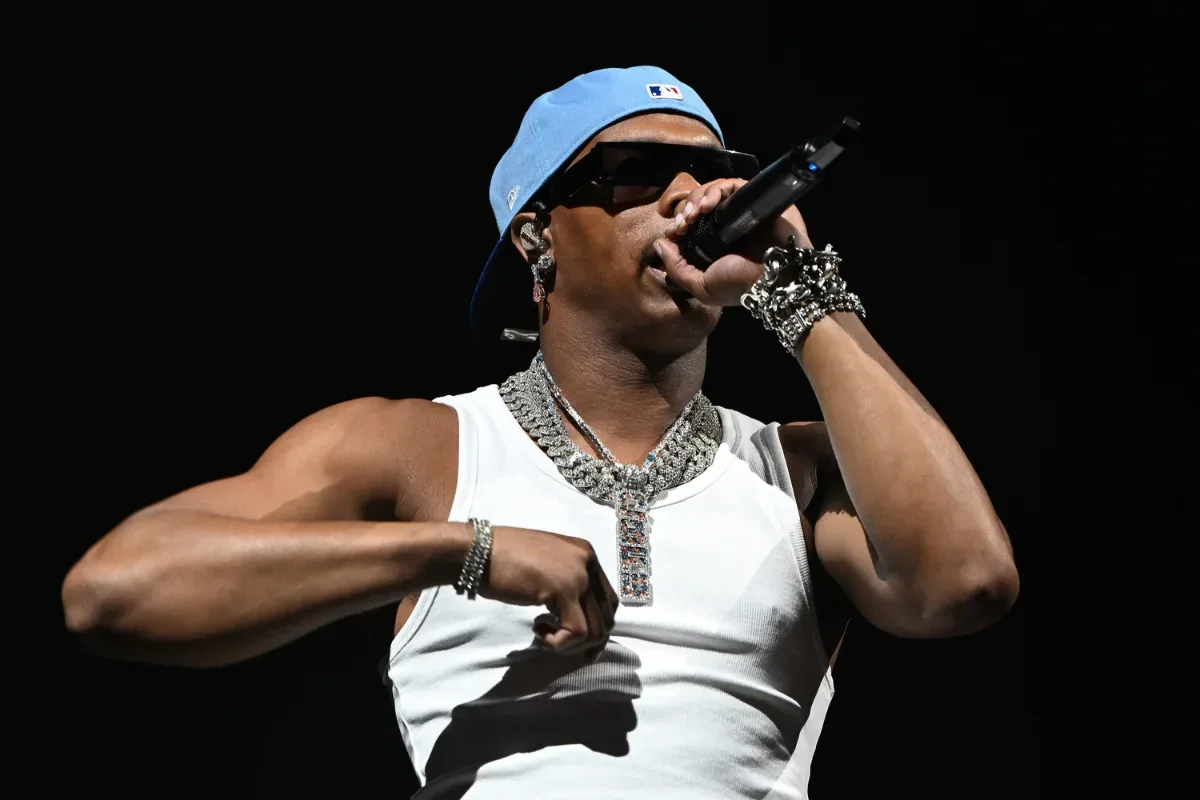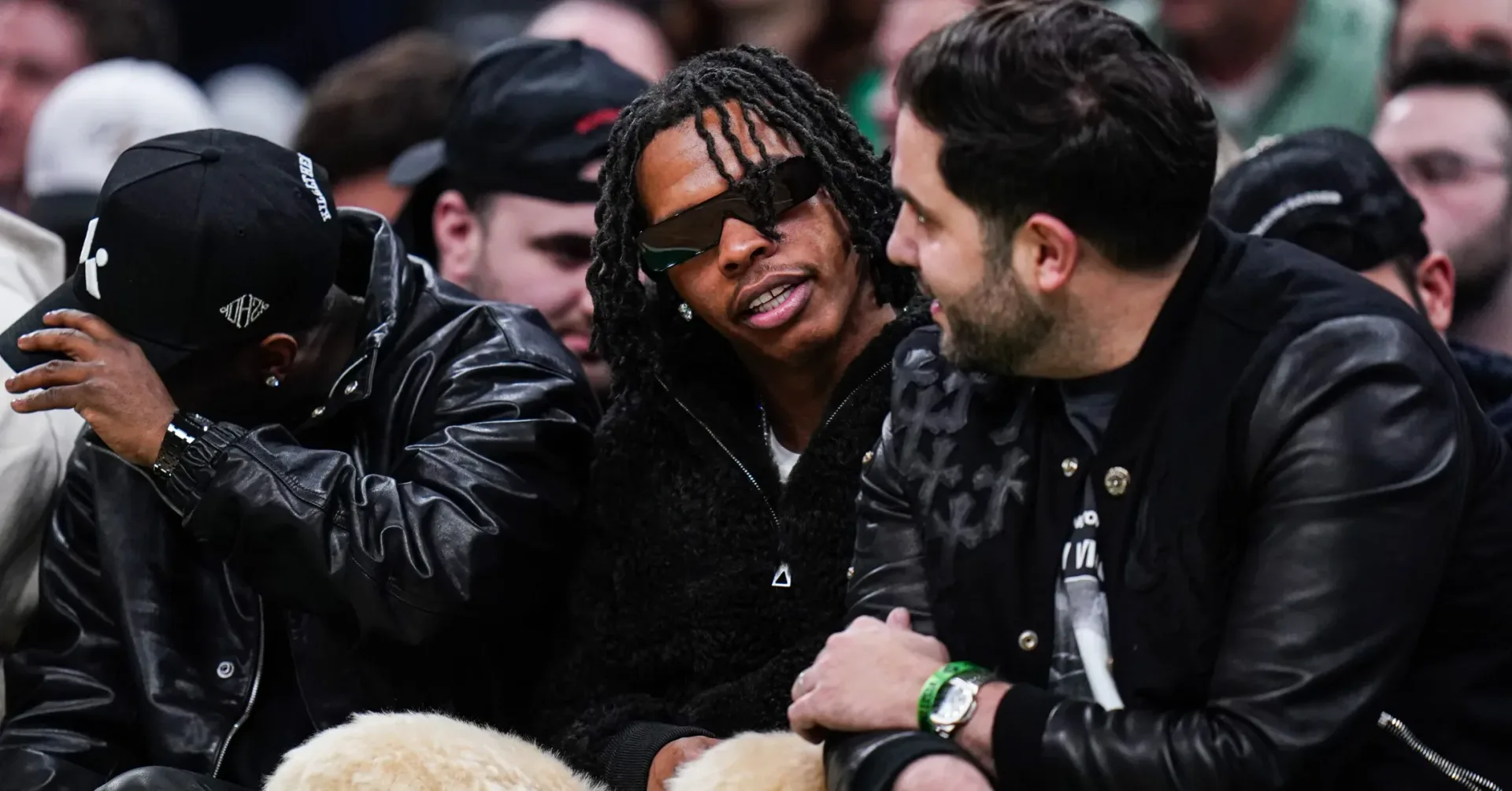
DJ Akademiks has made a new, unverified claim involving Lil Baby’s camp, saying he was offered payment to promote something connected to the Atlanta rapper despite the pair’s long-running public friction.
The allegation surfaced while Akademiks was discussing developments in the Keion White shooting case. The two subjects should be kept separate: police have denied a connection between Lil Baby and the shooting, and Akademiks did not present public documentation for his separate claim about a marketing request.
What Akademiks alleged
In remarks shared on social media, Akademiks said an unnamed representative sent a marketing request for a December 4 promotion and was willing to pay him. He said he questioned whether the people making the request understood that he and Lil Baby were feuding, then claimed he declined the offer.
“They sent over the marketing request,” Akademiks said, adding that he was told payment was available and that he turned it down because of the dispute.
Akademiks suggested Lil Baby himself might not have known about the outreach. That distinction matters. His comments framed the alleged contact as something handled by people around the artist, not as a direct request publicly attributed to Lil Baby.
No confirmation was provided that a promotional deal was proposed, what specific item it concerned, who made the request, or whether any agreement was ever close to being reached. Those missing details mean the claim is best understood as an account from Akademiks, rather than a verified description of an industry transaction.
The December timing and concert speculation
Lil Baby has said on Instagram that he will host a birthday concert in Atlanta on December 5. Akademiks referred to a potential December 4 promotion, leading to speculation that the request could have been related to that event. But neither Akademiks nor Lil Baby publicly confirmed such a connection.
A one-day gap would make the concert a conceivable subject for promotional activity, but it does not establish that it was the subject. Promotional requests can cover many things, and the available information does not identify a campaign, event brief, creative asset, or deliverable.
The distinction is especially important in an entertainment story built around a disputed relationship. A plausible interpretation is not confirmation. At present, the birthday concert and the alleged marketing request are linked only by timing and Akademiks’ broad description.
Why paid promotion is a meaningful detail
Paid promotion generally means a person or platform is compensated to amplify a release, event, product, or message to an audience. That can take many forms, from a social-media post to a discussion segment or a sponsored placement. The available account does not say what format was requested here, how much money was involved, or whether any terms were negotiated.
In a conflict between a commentator and an artist, the issue is not merely whether a promotion happened. It is whether either side is willing to turn attention into business while their public disagreement remains active. Akademiks’ stated refusal is therefore central to his version of events: he presented it as a line he was unwilling to cross, regardless of payment.
That does not establish how Lil Baby or his representatives would characterize the situation. It does show how Akademiks is choosing to frame it publicly—as evidence that industry marketing can operate separately from personal disputes, at least from the perspective of the alleged requester.
Hip-hop media is often shaped by that tension. A critic, streamer, host, or commentator can be part of the promotional ecosystem while also being a vocal participant in the arguments surrounding an artist. The relationship can become complicated quickly when coverage, audience attention, personal criticism, and commercial opportunities overlap. Similar questions about the role of radio and independent media have surfaced elsewhere in the culture, including in recent discussion of radio personalities and independent routes.
The Keion White case is a separate matter
Akademiks made the marketing allegation while reacting to a press conference concerning arrests in the Keion White case. White, a San Francisco 49ers player, was shot at a Super Bowl afterparty earlier this year. Early reports had connected the incident to an alleged altercation involving Lil Baby and his camp.
However, police have denied any connection between the rapper and the shooting. That denial remains the key confirmed point regarding Lil Baby’s relationship to the case in the information available here.
During his commentary, Akademiks also speculated that Lil Baby could face a future RICO case and referred to an alleged incident connected to their own feud. Those remarks were his own assertions and speculation, not an indication of charges, an announced investigation, or a finding by law enforcement.
RICO is shorthand for the Racketeer Influenced and Corrupt Organizations Act, a U.S. law used in cases alleging patterns of criminal activity connected to an enterprise. In casual online discussion, the term is sometimes used loosely as a prediction or insult. Legally, it refers to a specific type of prosecution and requires much more than a commentator’s allegation. Nothing in Akademiks’ remarks, as described here, demonstrates that a RICO case involving Lil Baby exists or is pending.
Combining a criminal-case discussion with a personal feud can blur those boundaries for audiences. The responsible reading is to separate the confirmed law-enforcement position from unsupported online claims: police have denied a Lil Baby connection to the shooting, while Akademiks’ statements about future legal exposure and the alleged promotional request remain unverified.
A feud with a promotional wrinkle
Lil Baby and Akademiks have previously clashed over the commentator’s criticism of the rapper’s career and musical output, along with other conflicts involving Atlanta rap figures. Their disagreement has become part of the wider public conversation around both men, which is why Akademiks’ account of a possible paid campaign drew attention.
There is an obvious irony in the allegation. If the request occurred as described, a team tied to an artist and a media figure openly at odds may still have explored a conventional promotional arrangement. Yet the story does not prove that the outreach was authorized by Lil Baby, that it related to his concert, or that it reflected a strategic decision by anyone involved.
For now, the most concrete public detail is simple: Lil Baby has announced a December 5 birthday concert in Atlanta. Akademiks says he rejected an offer to promote something on December 4. Everything beyond that proposed connection—including the exact campaign, the identity of the requester, and Lil Baby’s awareness—remains unresolved.
Until further evidence or direct responses emerge, it is more accurate to treat the episode as another public flashpoint in an established feud than as confirmation of a business deal or a new legal development.