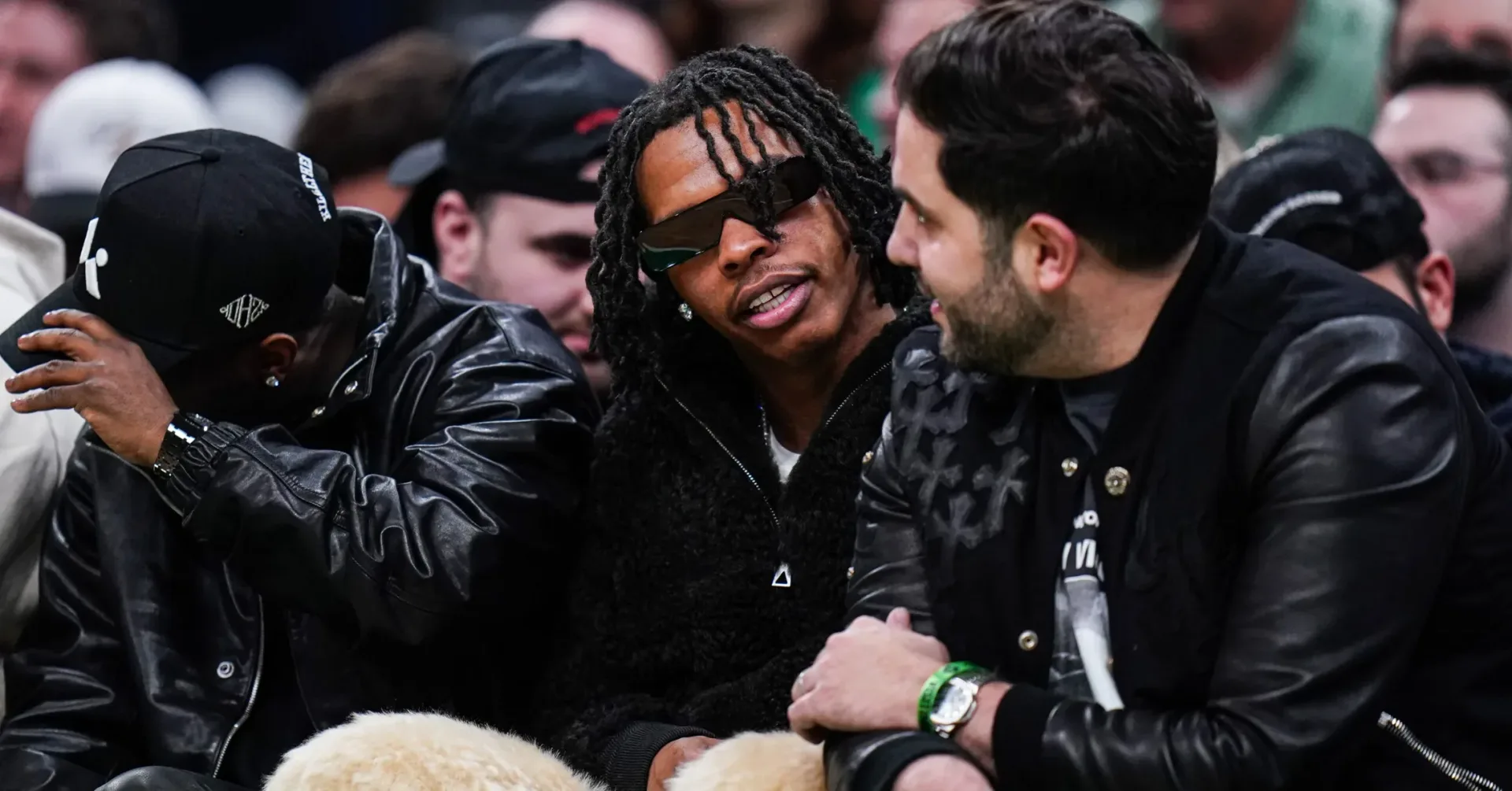
Killer Mike joined Atlanta’s High Museum of Art for its Centennial Block Party, marking the institution’s 100th birthday alongside Mayor Andre Dickens and the Atlanta Hawks. The event put a public face on a larger anniversary plan: free High Museum entry for Atlanta Public Schools K-12 field trips throughout the 2026-27 school year.
That commitment is especially resonant given Killer Mike’s own relationship with the museum. He has said that a public-school visit to the High was part of his childhood, and he joined the museum’s board in 2018. For an artist whose public work is rooted in Atlanta, the centennial event was not simply a celebrity appearance. It connected an established cultural institution, a city school system and a musician who credits arts education with expanding the possibilities he saw for himself.
“I’m a product of the High Museum. I’m a product of Atlanta. I’m a product of the Atlanta public school system,” Killer Mike said in a previous interview.
What the free field-trip plan covers
The High’s plan applies to K-12 field trips from Atlanta Public Schools during the full 2026-27 school year. The museum says roughly 4,000 students from the district visit in an average year. Waiving entry for those trips is a concrete access measure: it removes one direct cost from the educational outing, rather than merely encouraging schools to attend.
There is an important distinction between free entry and a fully cost-free school trip. The available details establish that admission will be free, but they do not specify transportation, staffing, lunches or other logistical expenses that schools and families may face. Still, admission is the part of the visit the museum controls, and eliminating it can make a repeat visit or a larger group visit more realistic for schools working within tight activity budgets.
Field trips also provide a shared setting for encountering art. Students can discuss an object, an image or an exhibition with classmates and teachers rather than experiencing it as something reserved for people who already know how museums work. That familiarity matters. A first visit can make a later voluntary visit feel less intimidating, while classroom preparation can give students language and context for what they see.
Why Killer Mike’s connection is more than ceremonial
Killer Mike has described school arts experiences as formative. In addition to visiting the High Museum, he recalled public-school trips to the Atlanta Symphony Orchestra and the Center for Puppetry Arts. After leaving a music program, he took two art classes a day, where teachers helped cultivate his interest in visual art. Once he had the financial means through music, he began buying art.
That sequence illustrates a broader point without reducing art education to a career pipeline. Exposure does not need to produce a professional artist, collector or museum board member to be valuable. It can teach students how to observe, interpret and form opinions. It can also show them that visual art, music, performance and civic life are connected parts of a city’s culture rather than separate worlds.
Related coverage includes Killer Mike Marks High Museum Centennial With Focus on Atlanta Students.
His perspective has also included families outside formal school trips. He has encouraged parents on limited budgets to consider museum visits as an affordable outing where adults and children can talk about what they encounter. The High’s free-day programming gives that idea a practical route. The centennial plans list UPS Second Sundays and Access for All days among the occasions when guests can continue to take part in birthday tours and related programming.
For readers following other Atlanta-linked entertainment news, Kandi Burruss’ new television role is another example of the city’s creative figures moving across connected cultural spaces. The museum event, however, centers on access to visual art rather than a new release or performance.
A centennial shaped around access
The High’s anniversary plans frame the 100-year milestone as an opportunity to broaden who participates. The museum says visitors of color have increased from 15% of its audience to 55% since 2015. That is a significant stated change in the makeup of its visitors, and its outreach efforts include free admission opportunities and after-hours events.
Those numbers describe attendance, not necessarily every dimension of representation or access. They do not, on their own, tell us how often people return, what exhibitions they see, or whether every neighborhood can reach the museum with equal ease. But the figures give context for why a free school-entry initiative fits the centennial agenda. Access is not only about opening the front door once; it is about building pathways for people who may not have previously viewed a museum as a place intended for them.
Audience diversity, in this context, refers to the range of people who visit, including racial and cultural backgrounds. It should not be confused with the makeup of a museum’s staff, leadership, artists or collection, none of which is detailed in the available plans. The museum’s visitor statistic is still meaningful as a measure of who has been entering its galleries, but it answers one specific question rather than all questions about inclusion.
Killer Mike has argued for more overlap between the music business and fine-art spaces, with the hope that greater financial support from music could reach the arts. The High’s centennial gathering made that overlap visible: a rapper and museum board member, city leadership and a professional basketball organization appeared at the same public celebration. It is a reminder that cultural institutions do not operate apart from the communities and industries around them.
Public art beyond the museum building
The High’s plans also include public-art partnerships with MARTA and the Atlanta Beltline. Public art differs from a museum exhibition in one straightforward way: people may encounter it while traveling, commuting or spending time outdoors, without first deciding to enter a gallery. That can lower the threshold for contact with art, even if it does not replace the depth of a museum visit or guided school program.
MARTA is Atlanta’s transit system, while the Atlanta Beltline is a major network of trails and redevelopment areas. Partnerships in those spaces place art closer to the routines of city life. In combination with free school trips and free museum days, the approach suggests that the High’s centennial is being treated as more than a retrospective birthday. It is also a public-facing effort to make art available in classrooms, galleries, transit-connected spaces and community events.
What Atlanta families and schools can take from the program
For Atlanta Public Schools educators, the key confirmed detail is that K-12 field-trip admission at the High will be free during 2026-27. Families who are not attending through a school should look to the museum’s monthly free-day schedule, including UPS Second Sundays and Access for All days, for opportunities connected to the anniversary programming.
It is worth keeping the distinctions clear. The school-trip initiative is directed at Atlanta Public Schools. The ongoing free days are public-facing programs, but the available information does not establish the exact requirements, hours or event schedules for every date. Checking current museum guidance before making a trip remains sensible.
At its best, the High Museum’s centennial plan turns a milestone into an invitation. Killer Mike’s presence gives the message particular weight because he is speaking from lived experience: school arts programs and museum visits were part of the environment that shaped him. The free-entry pledge does not promise that every student will leave wanting to become an artist or collector. Its more immediate value is simpler and potentially more lasting: thousands of young Atlantans can enter the museum, encounter art in person and decide for themselves what it means to them.