Trap Lore Ross has declined to say whether he wants Lil Durk to come home ahead of a scheduled VICAR trial in August 2027, opting instead to frame his position around the fairness of the legal process.
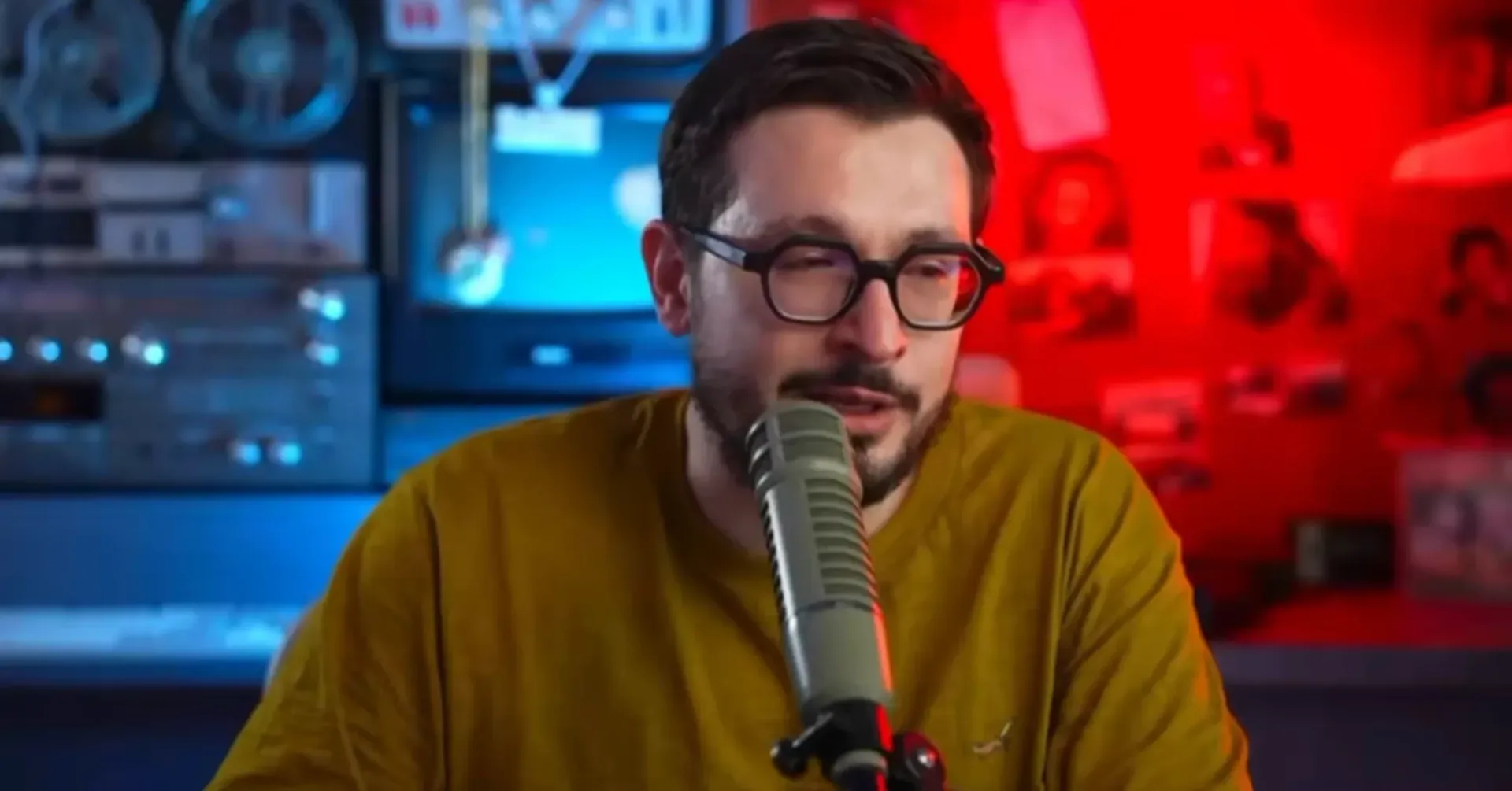
During an appearance on The Real Report with Tony Yayo and Uncle Murda, the creator was asked directly where he stood on Durk’s situation. Ross did not offer the clean yes-or-no answer his hosts appeared to be seeking. “I don’t care either way… I just want a fair trial,” he said, adding that he would accept the eventual result.
The exchange has landed differently depending on what viewers expect from someone who has spent considerable time publicly covering the case. For some, Ross’s answer is a reasonable boundary: a commentator can want due process without personally rooting for an acquittal or conviction. For others, refusing to state a preference after prior coverage that critics regarded as hostile looks less like neutrality and more like an effort to avoid a new round of backlash.
A direct question gets a procedural answer
At the heart of the moment is a simple mismatch. The question posed to Ross was personal and emotional: does he want Lil Durk home? His reply was procedural: he wants a fair trial.
Those are not identical positions. Wanting a fair trial speaks to how a case should be handled, rather than what outcome a person hopes to see. It is possible to believe that a defendant deserves a fair process while also holding a private view about the evidence or outcome. Ross chose not to disclose that private view.
That distinction explains why the conversation did not satisfy Tony Yayo and Uncle Murda. A procedural answer may be principled, but it can sound evasive when the discussion is explicitly about allegiance, sympathy, and whether a commentator is personally invested in the defendant’s return.
Ross’s wording also leaves room for multiple readings. Viewers who see him as a critic of Durk may take the answer as a careful hedge, particularly because he would not plainly say he wanted Durk released. Viewers more sympathetic to the creator’s position may see it as a refusal to turn an unresolved legal matter into a loyalty test.
Neither interpretation can establish what Ross privately wants. What is clear from the exchange is narrower: he declined to endorse either outcome and placed his public emphasis on fairness.
Related coverage includes Trap Lore Ross Declines to Say Whether He Wants Lil Durk Home.
Why the answer carries extra weight
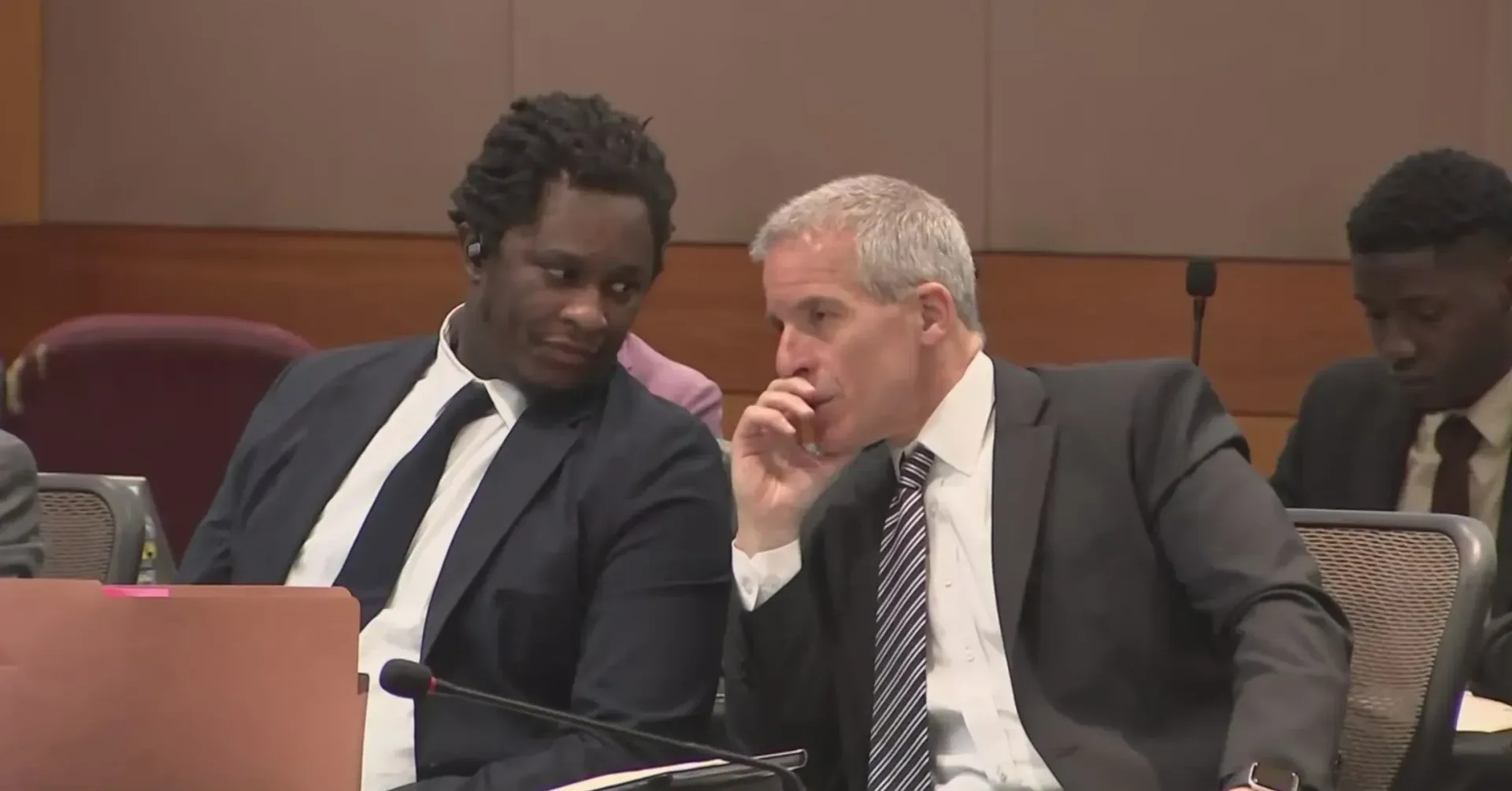
This was not a detached conversation about a case Ross had only recently encountered. He had attended earlier proceedings in court and posted live updates from the room. That proximity made him a visible figure in the wider debate around Durk’s case rather than merely another online voice reacting after the fact.
His coverage was met with intense criticism, including claims that he had shown bias against Durk. On the first day of the earlier trial, Ross accused Durk of being a snitch. He was later confronted outside the courtroom, although he maintained his position. The situation also led to increased security around him.
Ross had additionally said during livestreams with Ceddy Nash that he believed Durk would lose. Durk ultimately prevailed in that proceeding, making the earlier prediction especially relevant to how audiences interpret Ross now. A commentator who confidently predicts a loss and is then proven wrong will naturally face tougher questions about judgment, tone, and motives when a later case approaches.
That history does not prove bias by itself. Predictions are not verdicts, and legal coverage frequently involves analysts, creators, and observers making calls that do not pan out. But the record explains why a concise statement about a fair trial did not reset the conversation for critics. They are assessing the comment alongside his prior language, public predictions, and courtroom presence.
What “fair trial” means in this context
In everyday discussion, “fair trial” can be a broad phrase that sounds impossible to oppose. It is also an incomplete answer to a question about desired results. The phrase shifts attention from whether the speaker wants someone to win or lose to whether the proceeding reaches an outcome through a legitimate process.
That shift matters in public legal commentary. A creator can report on a proceeding, discuss arguments, and voice opinions, but audiences may still expect a line between commentary and treating a pending case as entertainment with a preferred ending. Ross’s answer suggests he wants to occupy that line, at least publicly.
It does not settle the criticism that followed his earlier coverage. Fairness is an aspiration for the legal process; impartiality is a separate expectation many viewers place on a person covering it. Someone may advocate fairness while still being perceived as partial because of earlier statements. The two concepts overlap, but they are not interchangeable.
The source material does not provide the detailed allegations, court filings, or legal arguments connected to the upcoming VICAR trial. It would therefore be inappropriate to infer what the evidence will show, predict the result, or treat the acronym itself as an explanation of the case. The confirmed point is that the trial is expected in August 2027, with an August 30 date referenced in discussion.
The practical challenge for courtroom creators
The dispute illustrates a recurring problem for creators who make legal proceedings part of their public output: attention rewards strong opinions, but court outcomes can make those opinions age badly. Live updates and immediate commentary give audiences a sense of access. They also increase the stakes of every characterization, prediction, and off-the-cuff remark.
For audiences, the useful distinction is between verified reporting from a courtroom, analysis of what happened, and personal speculation about what should happen. Those categories are often blended in fast-moving social posts and livestream conversations. A creator may move among all three within a few minutes, while followers interpret each statement through the lens of their existing loyalties.
For creators, clearer labeling can reduce confusion without eliminating disagreement. Saying “this is what occurred,” “this is my interpretation,” and “this is my prediction” are materially different claims. The first is about an observable event. The second is analysis. The third is a forecast with an obvious possibility of being wrong.
Ross’s earlier belief that Durk would lose, followed by Durk’s victory in that proceeding, is a blunt example of that risk. Being wrong need not disqualify anyone from future coverage. But it can change the audience’s tolerance for ambiguity later, particularly when the commentator is asked to address whether they are rooting for a specific person.
Public interest in the broader relationship between rap and criminal proceedings has also made careful language especially important. A related discussion about the treatment of artistic expression in court can be found in this examination of arguments over rap lyrics and tattoos as criminal evidence. That wider debate does not determine Durk’s case, but it helps explain why coverage of rap-adjacent legal matters often draws intense scrutiny beyond the courtroom itself.
What happens next
There is substantial time before the August 2027 trial date referenced in the discussion. That gap means the immediate story is not a new court ruling or a disclosed legal development. It is a media moment: one prominent creator, already criticized for his approach to prior coverage, being pressed to state whether he wants Lil Durk home and declining to do so.
Ross has said he will accept the result as long as the trial is fair. Whether audiences read that as restraint or hedging will likely depend on what they already believe about his past coverage. For now, it is the clearest public position he has offered on the question: no stated preference on the outcome, and an expressed preference for a fair process.