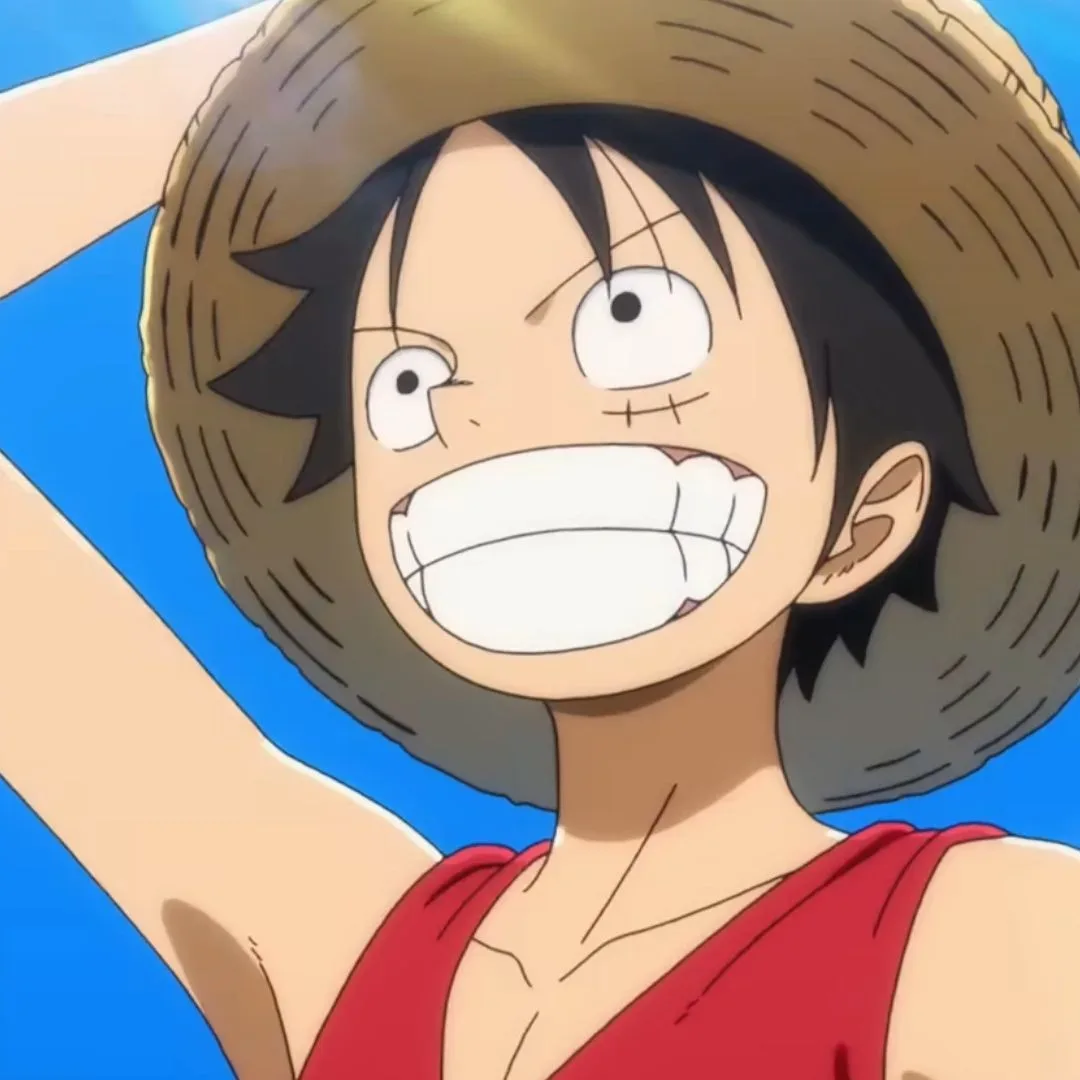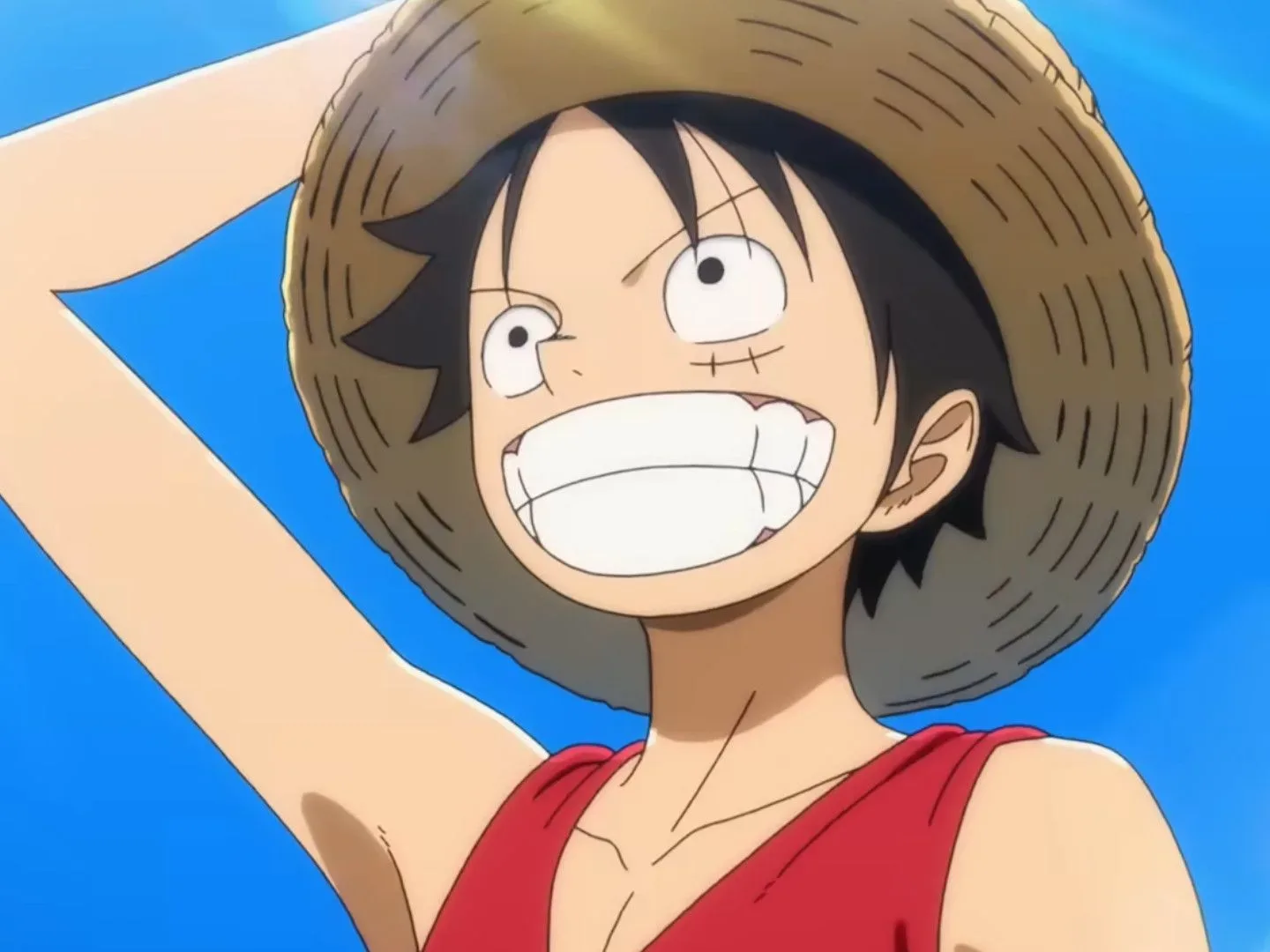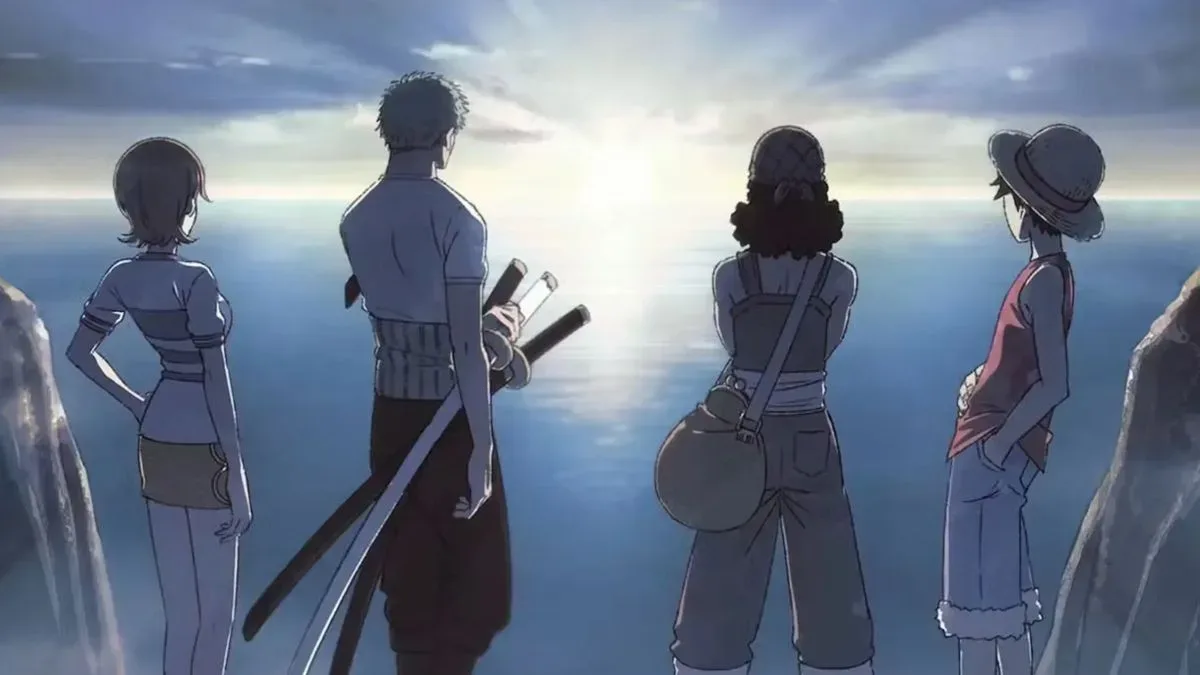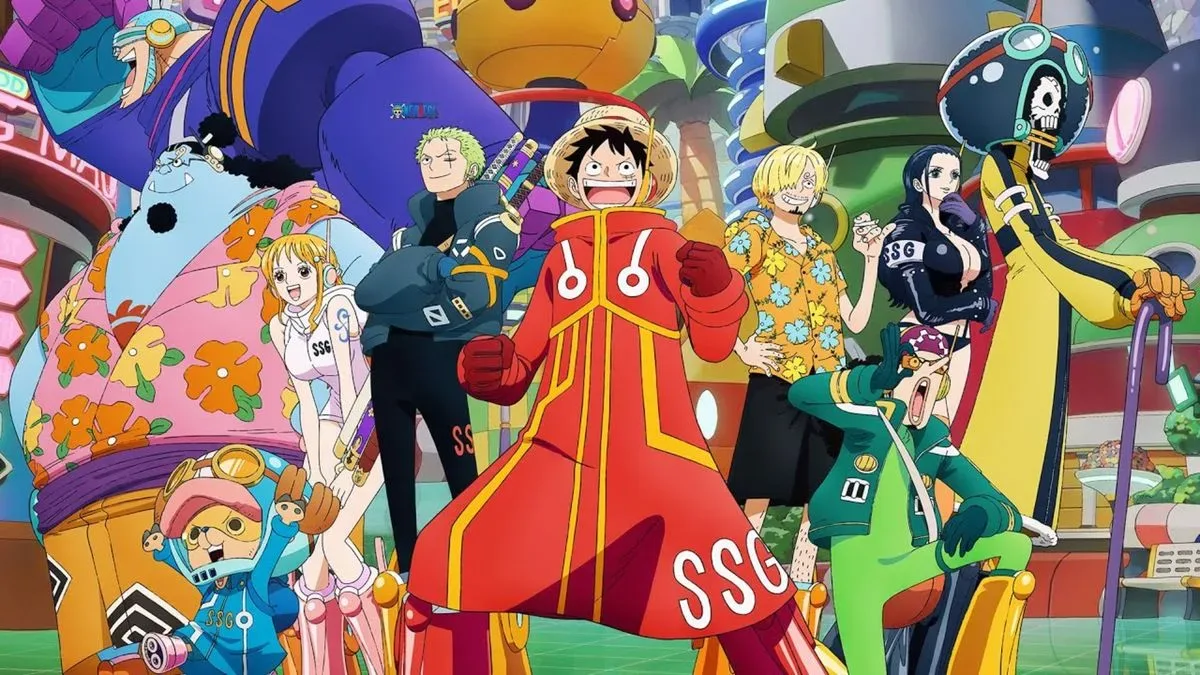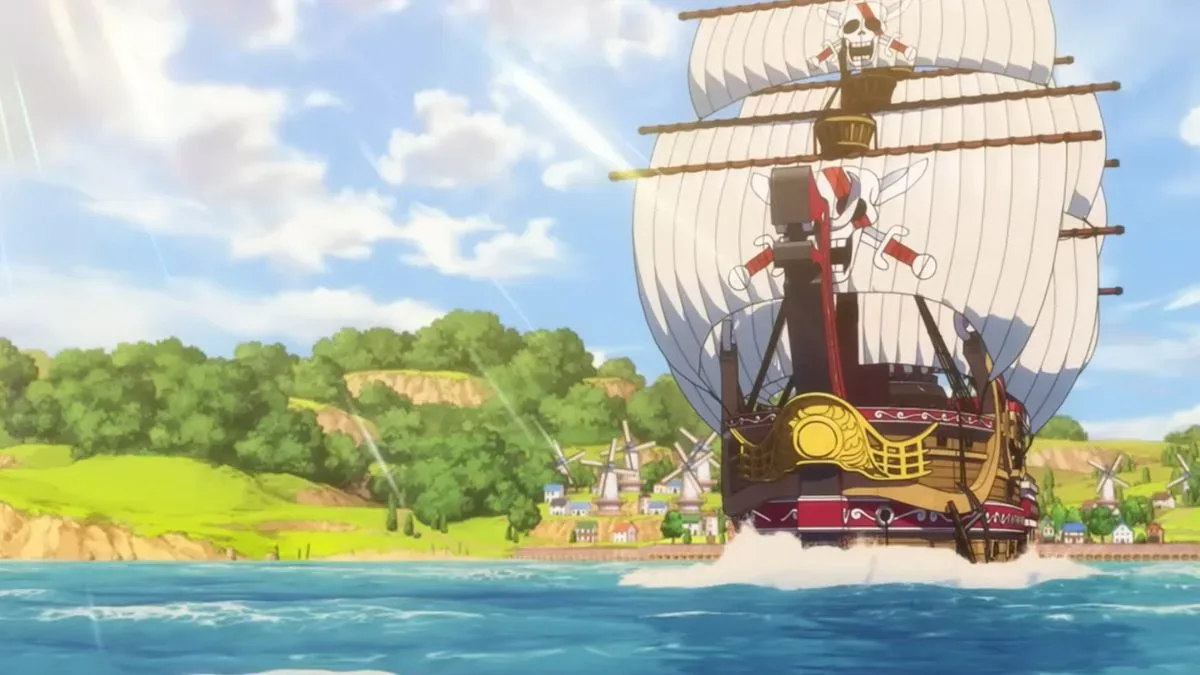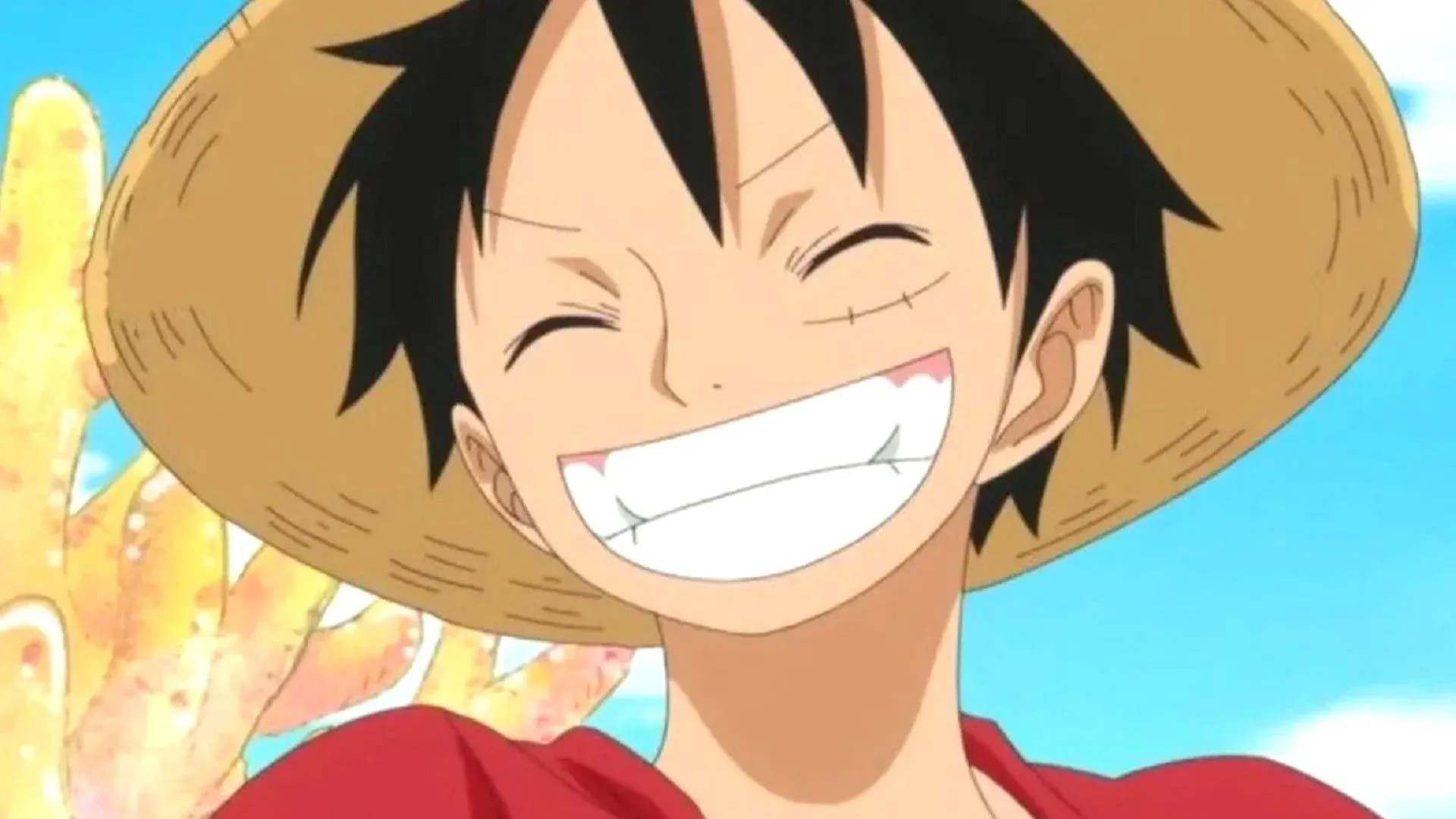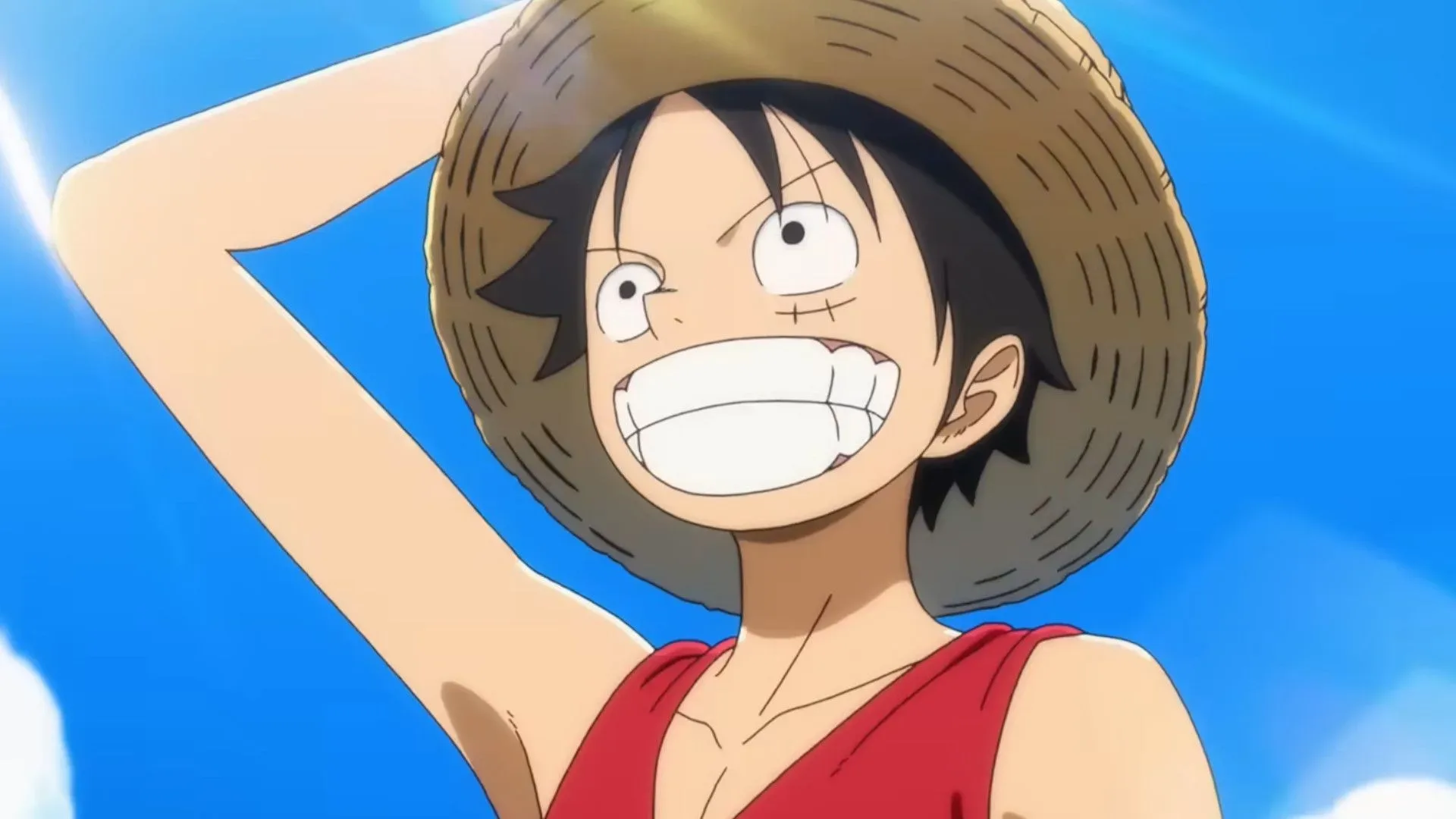
The One Piece is a new animated adaptation of Eiichiro Oda’s One Piece manga, due to arrive on Netflix sometime in February 2027. It starts at the beginning of Monkey D. Luffy’s journey toward becoming King of the Pirates, but it is not intended to replace either the long-running animated series or Netflix’s live-action version.
That distinction matters. There are now several ways into this pirate story, and their names make them easy to mix up. The original television anime began in 1999 and remains ongoing, while the live-action series is its own adaptation. The One Piece, meanwhile, is a fresh animated reboot built from manga chapter 1 onward. New viewers will be able to begin here without prior viewing, while returning fans can treat it as an alternate presentation of familiar material rather than a continuation of the existing anime.
WIT Studio is producing the reboot. The studio is known for work on Spy x Family and Attack on Titan. Its president and CEO, George Wada, has described the project as a reboot rather than a remake: a new construction of the story informed by the fact that the manga has progressed far beyond the point it had reached when the original television anime began.
“We are taking on a reboot, not a remake.”
That phrasing sets a useful expectation. A remake commonly suggests reproducing an existing screen version closely. A reboot returns to the premise and starting point with a new approach. Here, the underlying source remains Oda’s manga, but the new anime has room to organize its storytelling differently from an adaptation that has been running for more than 1,000 episodes.
A separate route through the same manga
The original anime is not being retired for this new version. Fans following its current material, including the Elbaph arc, do not need to interpret The One Piece as a handoff or replacement. Both animated productions adapt the manga, but they are separate series with separate approaches to its opening.
That also makes the reboot comparatively straightforward for curious newcomers. The first season begins where the manga does, rather than expecting viewers to know characters, factions or past plot turns. No original-anime viewing is required beforehand, and none of the One Piece films are required canon viewing for someone who wants to follow the reboot’s central narrative.
For a franchise with a famously enormous existing episode count, this is the practical appeal. The original anime remains an option for people who want to experience its complete and ongoing television run. The reboot is an option for people who would rather start at the first chapter in a newly structured adaptation. Neither choice invalidates the other.
It is also worth separating the word canon from the broader idea of franchise content. In this context, canon means material that belongs to the main continuity of the manga’s story. The films may be enjoyable for viewers who choose to watch them, but they are not mandatory steps on the path to understanding the reboot.
Seven longer episodes, not a miniature version of the story
Season 1 will have seven episodes, each with a 40-minute runtime. On paper, seven installments looks modest beside the original anime’s 61-episode first season. The comparison changes once runtime is included: the original series typically uses roughly 24-minute episodes, while the reboot’s episodes are planned to run substantially longer.
This does not by itself tell viewers exactly how every scene will be paced, cut or expanded. It does establish a different production format. The season will have fewer episode breaks and longer individual installments, which can allow a chapter range to be organized in a different rhythm from a weekly television series.
Wada’s explanation provides the broader creative rationale. With a much larger portion of the manga’s eventual story now available, the creative team has more knowledge of later developments and characters than the original anime’s earliest production team had at launch. The stated goal is a more structured telling from episode 1, not a duplicate of the established anime.
For longtime viewers, that means familiar events should not automatically be assumed to arrive with the same timing as before. For newcomers, it means the reboot’s episode count should not be read as evidence that the opening has simply been reduced to a handful of highlights. The confirmed chapter range is more informative than the raw number of episodes.
What manga chapters season 1 covers
The first season is confirmed to adapt chapters 1 through 50 of the manga. That places it in the East Blue Saga, but it does not complete the entire saga. It reaches most of the way through the Baratie Arc and stops before that arc’s manga conclusion at chapter 68.
The confirmed range includes these early arcs:
- Romance Dawn, chapters 1-7: Luffy meets Zoro.
- Orange Town, chapters 8-21: Nami enters the story.
- Syrup Village, chapters 22-41: Usopp is introduced.
- Baratie, beginning at chapter 42: the Straw Hats arrive at the sea restaurant while seeking a cook.
Sanji meets Luffy around chapter 43, placing his introduction inside the first-season material. That means the reboot is set to introduce Luffy, Zoro, Nami, Usopp and Sanji during its initial run—the core of the early Straw Hat lineup represented in the confirmed chapters.
Baratie is the key boundary to keep in mind. The arc ends at chapter 68, while season 1 ends at chapter 50. The season is therefore not positioned to finish that storyline. Two complete East Blue arcs would still remain beyond it, along with the remaining Baratie material.
This is a major structural difference from the original anime’s first season, which covered all of East Blue. The reboot is dividing that early material across seasons instead of resolving the whole saga in its opening batch of episodes.
Why chapter 50 is a meaningful stopping point
Chapter 50 is not the endpoint of Baratie, but it does begin setting up what follows. It includes a betrayal-related revelation involving a Straw Hat’s connection to pirate Arlong and his crew. That development points toward the Arlong Park material without requiring the reboot’s first season to fully reach it.
In practical terms, it makes a cliffhanger-like ending plausible, although the exact presentation has not been detailed. The important confirmed fact is the cutoff at chapter 50; whether the season ends on a specific shot, line or dramatic beat remains unknown. Viewers hoping for an East Blue finale should set expectations accordingly, while viewers open to a season designed around setup and introductions will know where the planned adaptation ends.
What “reboot, not remake” could mean—and what remains unknown
The phrase “reboot, not remake” is a statement of intent, not a full episode-by-episode roadmap. The available details support a few firm conclusions: the series begins at the manga’s start, it covers chapters 1-50 in season 1, it uses seven 40-minute episodes, and it will stand alongside the other adaptations rather than replacing them.
They do not establish every creative choice. There is no need to assume exact scene order, specific changes, future-season episode totals or a complete long-term release plan from the initial announcement. A modern restructuring can involve pacing and presentation, but the confirmed information does not provide a comprehensive list of alterations.
The same restraint applies to the eventual relationship between the reboot and the continuing original anime. Because both draw from the manga, viewers may recognize shared characters and story landmarks. But the reboot is its own adaptation, not a shortcut episode that lets viewers seamlessly switch into a precisely equivalent point of the older show. Anyone who watches season 1 and then considers moving to the original anime should remember that the two versions are built in different formats and divide their early story material differently.
Netflix is already a familiar home for screen adaptations and television programming, as its wider slate continues to generate chart activity, including recent movement on its TV chart. For One Piece, however, the important point is not merely platform overlap. It is the arrival of three distinct viewing paths: the still-running original anime, the live-action series, and now a new animated beginning.
A simple viewing guide before February 2027
For viewers who have never encountered One Piece, the simplest plan is to wait for The One Piece and start with episode 1. It is explicitly being made as an entry point, adapting the manga from its beginning. There is no requirement to catch up on the original anime’s more than 1,000 episodes, and no requirement to fit the films into a pre-watch checklist.
For existing fans, the choice is less about homework and more about curiosity. The original anime remains available as its own long-running interpretation; the reboot offers another way to revisit Luffy’s first crew-building adventures through a new production. The live-action series remains a third adaptation, rather than prerequisite material for the animated reboot.
The first season’s chapter range gives everyone a clear, spoiler-conscious map. Expect the earliest East Blue arcs, the meeting of the principal early crew members through Sanji, and an ending around chapter 50 rather than the end of East Blue. Beyond that, the safest expectation is the one the project itself establishes: The One Piece is a new telling from the beginning, built to stand beside—not erase—the pirate voyage that has been on television since 1999.