Minor spoilers for Cyberpunk: Edgerunners season 2 follow.
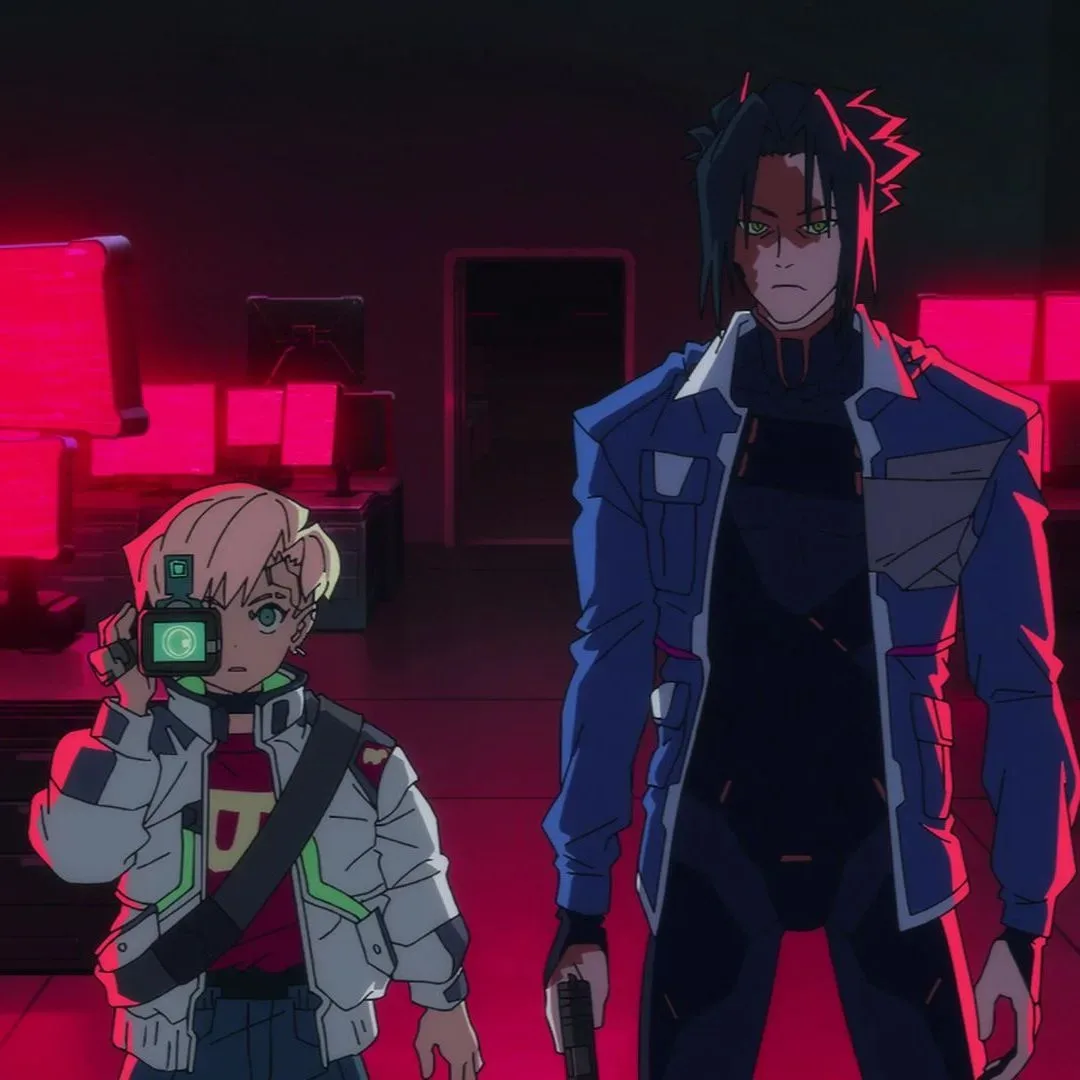
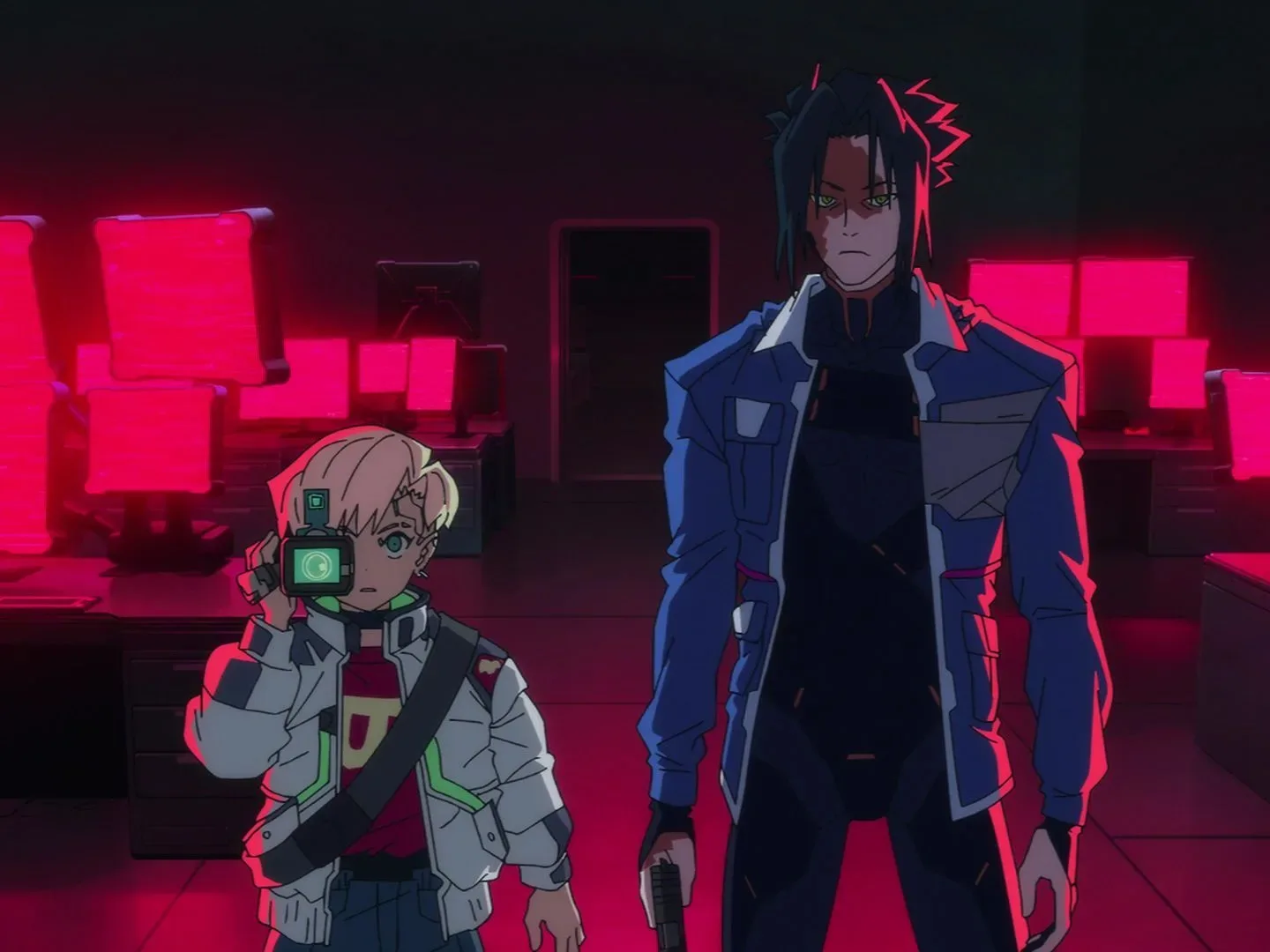
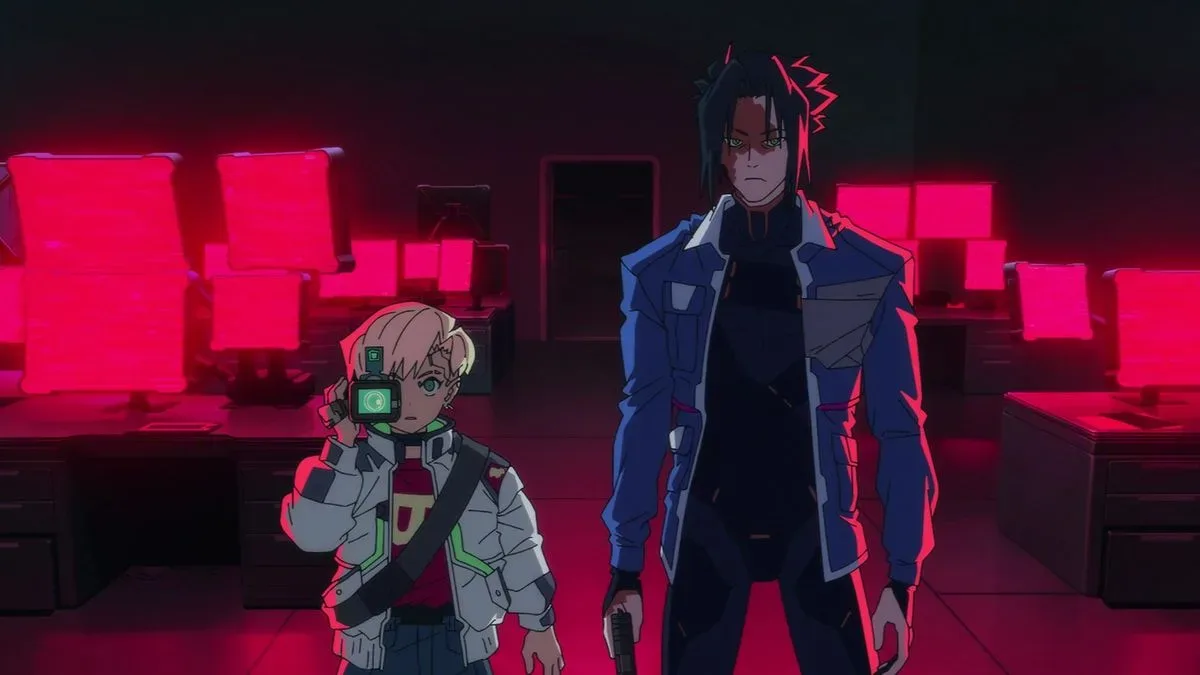
Cyberpunk: Edgerunners season 2 has acquired a new, unofficial way to watch part of its story: the “Roman Cut,” a fan edit that gathers the footage filmed by Roman and places it in chronological order. Shared by Epic Jimmy, the approximately 10-minute video narrows a sprawling, violent Night City journey into something closer to recovered home-video material.
That premise may sound simple, but it changes the emphasis considerably. Rather than following the season’s full structure, the edit follows what Roman’s camera happened to capture as D.’s revenge journey unfolded. The result is not a replacement for the season, nor an official alternate cut. It is a selective reconstruction built around one character’s point of view—and that limitation is exactly why it is compelling.
Viewers can find the shared post here.
A personal camera turns a citywide story into a record of aftermath
Roman’s clips are described as washed-out, and the fan edit leans into the practical consequence of that visual texture. Night City is no longer merely a neon setting viewed through the series’ usual range of scenes and perspectives. Through this material, it becomes a place remembered by a single observer: intermittently beautiful, often unstable, and increasingly marked by the destruction surrounding D.
The opening stretch reportedly carries a sunlit, dreamlike quality. That matters because the city’s beauty is not removed from the narrative; it is made visible before the uglier side takes over. A chronological arrangement makes the alteration in mood especially legible. Around the middle of the edit, that earlier warmth gives way to imagery defined more by fire and catastrophe. The same city that briefly felt open and luminous becomes threatening.
In film and television terms, this is a shift in framing. Framing is not just the literal edges of an image. It is the selection of what an audience is permitted to see, when it sees it, and from whose position. A season can present a world as an interconnected set of plots, characters, and locations. Roman’s footage reduces that scope. It offers snapshots rather than an omniscient overview, which makes each piece of visible evidence feel more intimate and, potentially, more unsettling.
There is also a difference between watching events unfold in a conventional drama and seeing those events reduced to a surviving record. A home-video aesthetic implies memory, documentation, and absence. The camera can preserve an image, but it cannot necessarily explain every event around it. By concentrating the season’s material into Roman’s record, the edit invites viewers to consider not only what happens to D., but what the city looks like to someone left to witness the consequences.
Related coverage includes Cyberpunk: Edgerunners' Roman Cut Reframes Season 2 Through One Camera Lens.
Chronology is doing much of the storytelling work
Putting clips in chronological order is not a cosmetic change. Narrative order controls how audiences connect cause, effect, dread, and relief. When scenes are experienced in their original context, their meaning is shaped by the wider episode structure, dialogue, and surrounding character perspectives. A chronological supercut strips away much of that scaffolding and replaces it with momentum.
Here, the stated trajectory is clear: early visual optimism, a descent into a flame-lit nightmare, then a return of light as D. comes to terms with his fate near the ending. Even without adding new material, that sequence creates a visual argument about the season. It suggests that hope in Night City is real but fragile—present in the image, then vulnerable to being overwhelmed by violence.
That is a useful distinction for fans discussing the edit. The Roman Cut does not establish new canon, reveal an unseen storyline, or revise the events of season 2. It reorders existing footage into a new viewing experience. Fan edits can be powerful precisely because editing is interpretive: selecting shots, removing transitions, and changing the order in which images arrive can bring out patterns that were less obvious in a full season.
The brighter imagery at the end is particularly interesting in that regard. It does not erase the destruction that comes before it. Instead, it places the season’s late emotional shift in visual terms. If the light returning to Roman’s frame accompanies D.’s acceptance of fate, the camera’s perspective offers a contrast to the middle portion’s collapse. Optimism is not presented as a permanent solution to Night City’s brutality; it is a visual reprieve after the damage has already been recorded.
Why a fan reconstruction can change repeat viewing
Fan edits thrive when a work contains a strong secondary perspective that is easy to overlook on a first watch. Roman’s footage appears to provide that perspective. In the complete season, it is part of a broader story. In this cut, it becomes the organizing principle.
That can affect a repeat watch in several ways:
- It foregrounds environment. The city is not only a backdrop for D.’s revenge; it is an image that evolves from sunlit promise to devastation and then partial renewal.
- It makes absence meaningful. Because Roman cannot film everything, gaps in the record become part of the experience rather than a flaw to be corrected.
- It centers observation. The footage asks audiences to think about what it means for a character to document events instead of controlling them.
- It sharpens visual motifs. The changing light and fire imagery become easier to follow when the clips are assembled as one continuous timeline.
None of that means the original season needs fixing. Rather, the cut demonstrates why footage presented as diegetic media can be so fertile for fan reinterpretation. Diegetic means something that exists within the story’s world: Roman’s camera is not simply a production device for the audience, but an object with a place in the fiction. When fans isolate material from a diegetic camera, they are effectively treating the fictional record as if it were an artifact from Night City.
That approach suits Cyberpunk especially well. The setting’s language of media, surveillance, spectacle, and personal records makes a character-held camera feel like more than a novelty. In the Roman Cut, its rougher visual character becomes part of the point. The apparent imperfections of the recording distinguish it from the broader visual polish of the animated series and make the city feel less like a controlled spectacle.
Season 2’s place in the wider Cyberpunk timeline
The edit arrives while season 2 is drawing significant attention. It has been reported as Netflix’s second-most-watched series for the week in question, an indication that the show has found an audience beyond the immediate burst of conversation around new episodes.
Its setting also gives the story a defined relationship to the game. CD Projekt Red lore specialist Patrick Mills has confirmed that season 2 takes place in 2078, positioning it as a sequel to Cyberpunk 2077. “Lore” in this context refers to the internal history, chronology, rules, and continuity of a fictional universe. A date may seem like a small detail, but it tells viewers that the anime is moving forward from the game’s era rather than functioning as an unrelated side story.
That wider connection has been reinforced on the game side as well. The 2.5 update for Cyberpunk 2077 added an Edgerunners-adjacent quest involving Weak Kingsley and introduced dual wielding. Dual wielding is the ability for a player character to use a weapon in each hand, which can alter how combat is approached. The update’s Edgerunners connection is described as adjacent rather than a wholesale crossover, so players should not assume it recreates the anime’s full plot inside the game. Still, it is another point of contact between the show’s audience and the game’s continuing support.
The practical takeaway for viewers
The Roman Cut is best understood as a companion piece for people who have already watched season 2 or who do not mind encountering major emotional and visual beats outside their original order. Its value is not in providing a comprehensive plot recap. Ten minutes of assembled camera footage cannot carry every relationship, motivation, or explanation found across a full season.
Instead, it offers a focused visual reading of D.’s journey: one shaped by what Roman saw, what his camera preserved, and how the city’s light changes around the violence. For viewers who felt the season’s emotional turns but want to examine its imagery more closely, that is a substantial reinterpretation—not because the underlying events are different, but because the witness is.
Fan-made reinterpretations are becoming a familiar part of how audiences discuss games and game-adjacent series online. They can also raise questions about context, spoilers, and the way clips circulate once removed from their episodes. Community discussion around edited or selectively shared material has parallels with broader debates over fair play and shared spaces in games, including concerns over party queues and fair play in Modern Warfare 4, even if the stakes are very different here.
For Cyberpunk fans, though, the immediate appeal is more straightforward. Roman’s camera offers a compact, melancholy version of Night City: a place capable of looking like a dream, capable of becoming a nightmare in an instant, and still able to let a little light back into the frame.