Major spoilers for Cyberpunk: Edgerunners 2 follow.
Cyberpunk: Edgerunners season 3 has not been announced. Netflix, CD Projekt Red and Studio Trigger have not confirmed another season, revealed a production schedule or attached a release date. That is the only firm answer available after the arrival of the 10-episode second season.
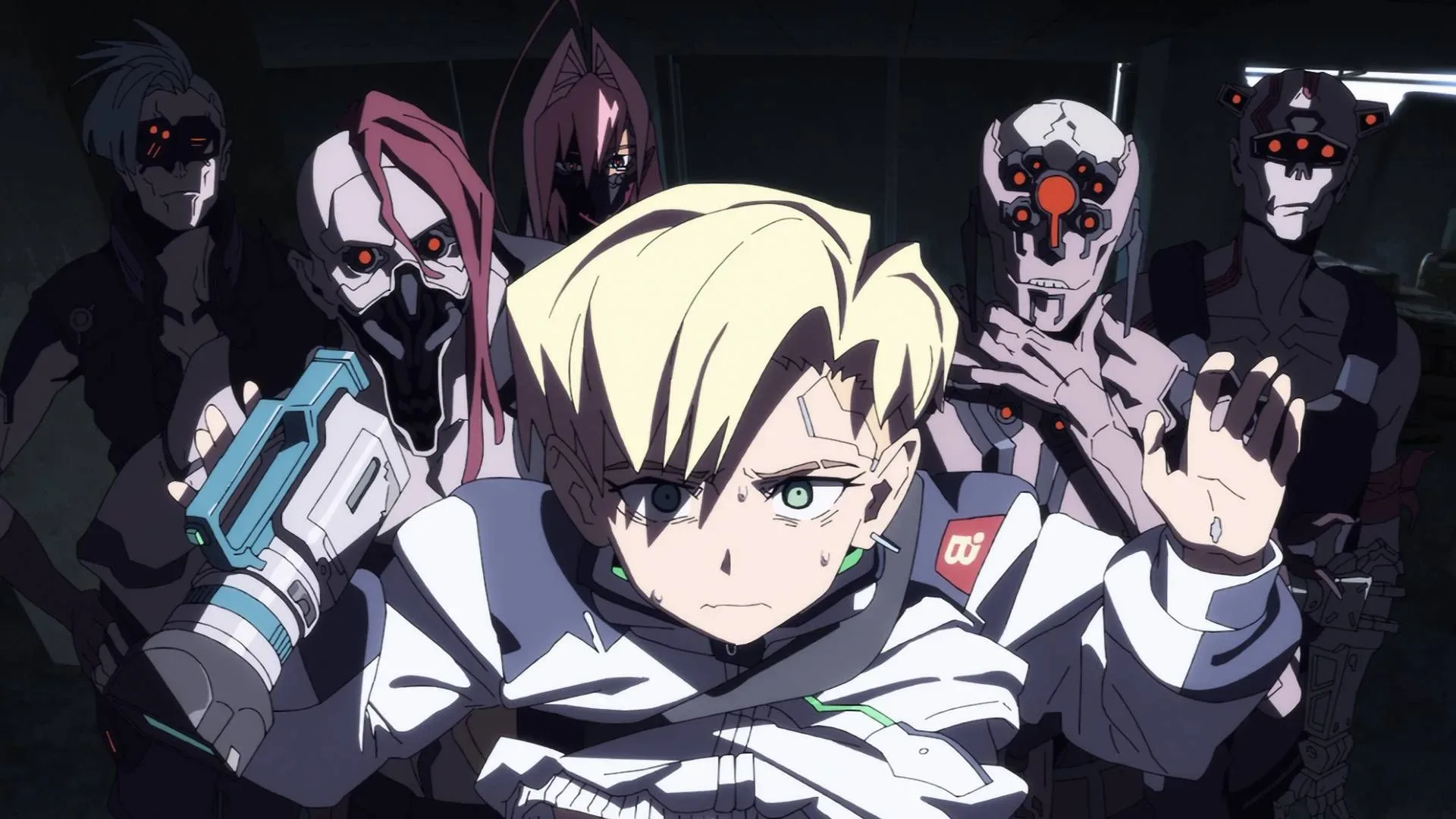
Still, the absence of an immediate renewal is not especially revealing on its own. The second season arrived four years after the first, and its ending leaves considerably more room to continue than the devastating close of season 1. D., Roman, Talia, King and Capri all sit at the center of that possibility, while the show’s broader anthology structure means a third season would not have to depend on any of them.
In short: there is narrative space for Cyberpunk: Edgerunners 3, but no official evidence yet that it is happening.
For more context, explore Five CarPlay Navigation Apps That Give Apple Maps Some Much-Needed Competition.
Has Cyberpunk: Edgerunners season 3 been confirmed?
No. There is currently no confirmation of a third season from the streaming platform, CD Projekt Red or Studio Trigger. There is also no announced cast, episode total, production window or date of release.
That distinction matters because an open ending and strong viewer interest are not the same thing as a renewal. Season 2 may create obvious material for another run, but the decision ultimately rests on whether the creative team wants to make one and whether the relevant partners move forward with it.
The franchise does have other major projects in development: a live-action Cyberpunk movie intended to tell an original story, plus a sequel to Cyberpunk 2077. Both are separate reasons Night City may remain active across media, but neither confirms an animated follow-up. They could complement a third season, or they could compete for attention and creative bandwidth.
Related coverage includes Cyberpunk: Edgerunners Season 3: What We Know After Season 2.
Why the anthology format keeps the door open
An anthology is a series format in which each installment can tell a substantially separate story rather than following precisely the same protagonists indefinitely. Edgerunners is a connected anthology: its stories occupy the same Night City and use the same wider cyberpunk world, but they are not locked to a single crew forever.
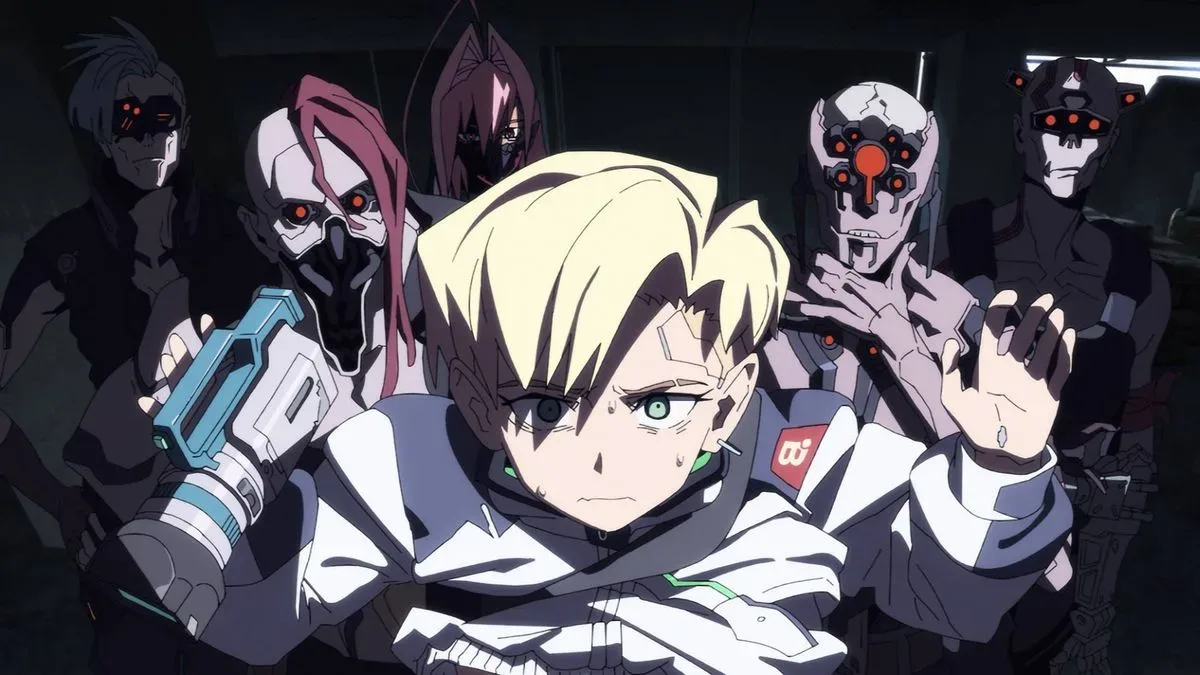
That approach is particularly useful here. A future season could return to D., Roman, Talia, King and Capri; follow a different team of edgerunners; or keep a few familiar faces at the edges while shifting the emotional center to new characters. Night City remains the connective tissue, along with the pressure exerted by corporations, technology and survival at the street level.
The format also avoids treating season 2’s survivors as an automatic obligation. A character living through a season gives the writers an option, not a mandate. The cleanest story may be a continuation. It may equally be a fresh crew whose choices are shaped by the fallout from events viewers already know.
What season 2 sets up for a possible third season
The biggest change from season 1 is straightforward: more key characters survive. That creates several possible continuation routes, even though none has been formally chosen.
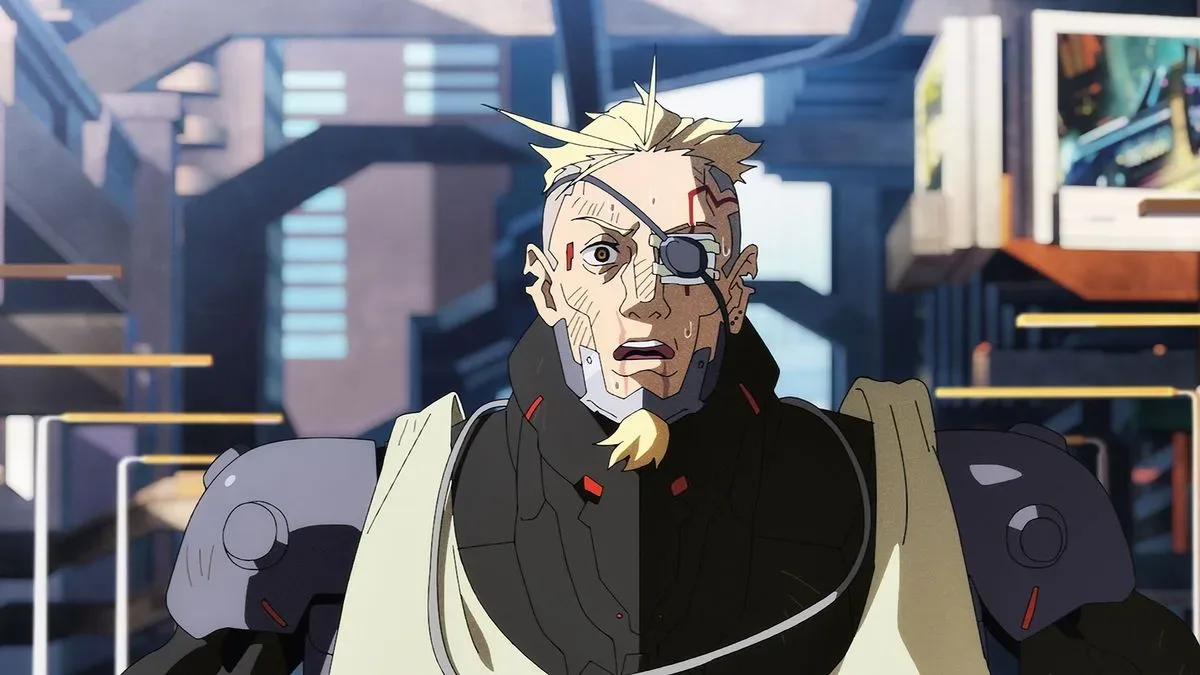
Roman, Talia, King and D. could support a more serialized direction, meaning a third season that directly continues plotlines from season 2 rather than resetting around a mostly new cast. That would let the show examine consequences instead of merely using the prior story as background. It could also change the series’ rhythm. Rather than asking audiences to meet an entirely unfamiliar group, the drama could begin with relationships and unresolved conflicts already in motion.
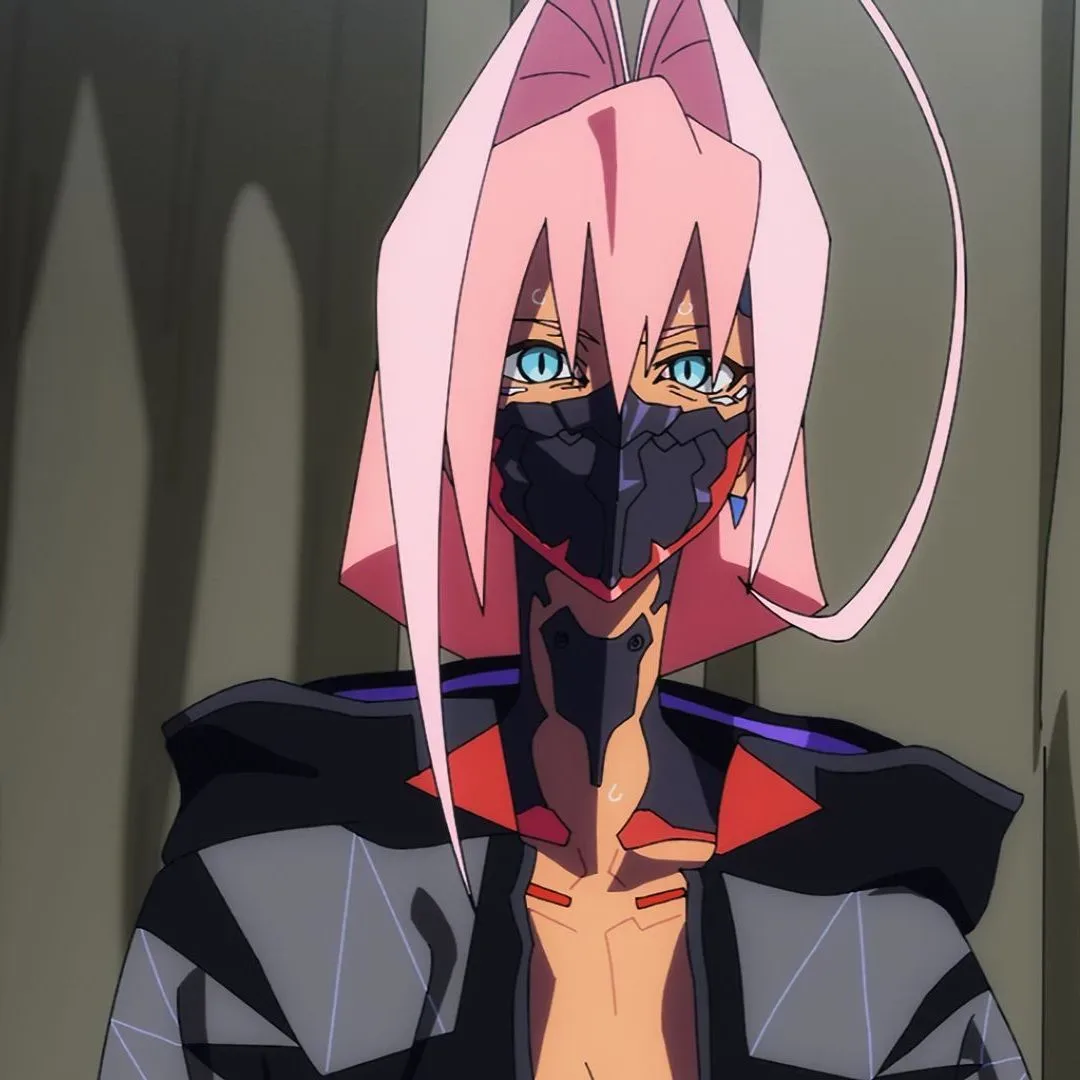
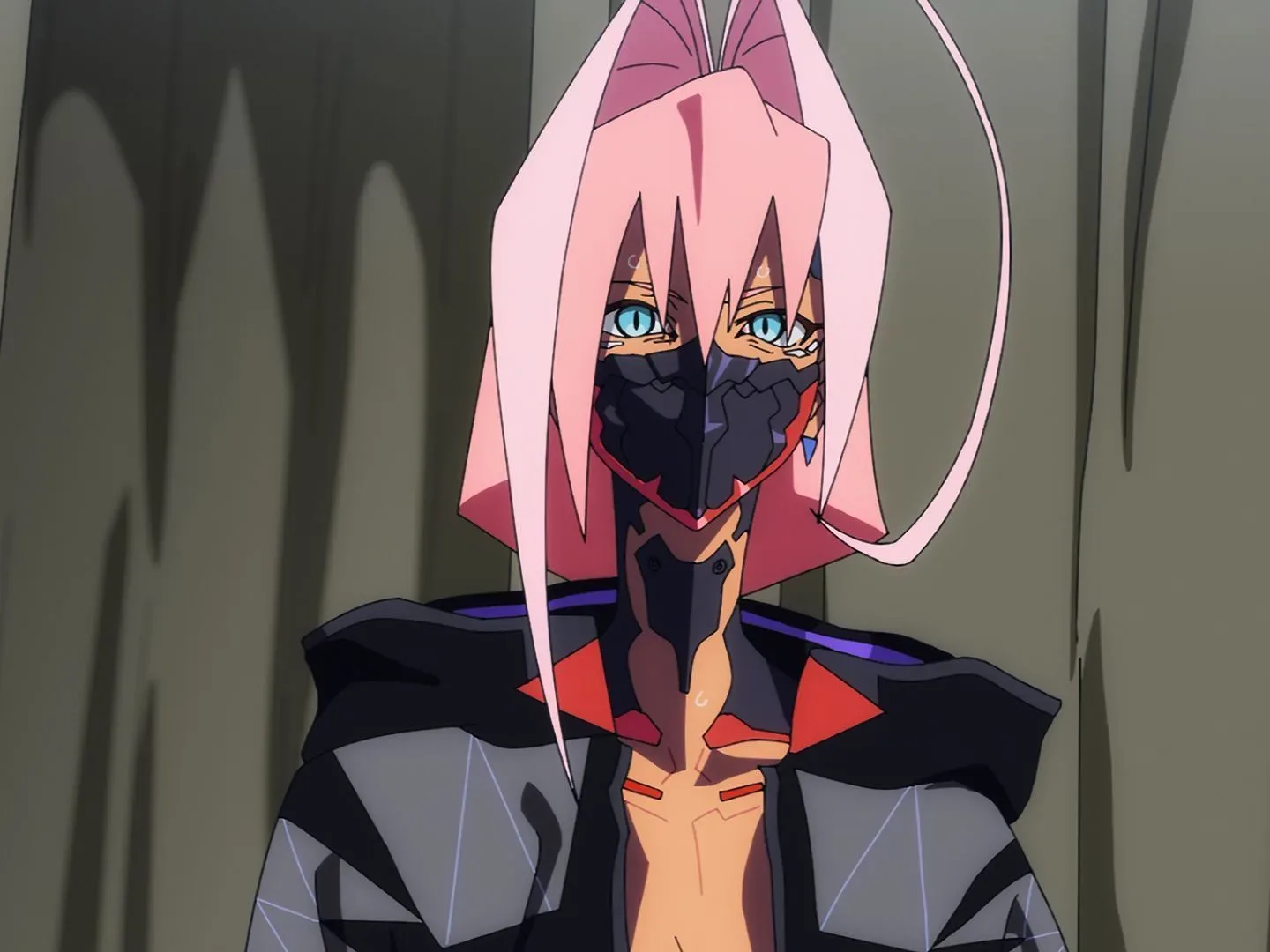
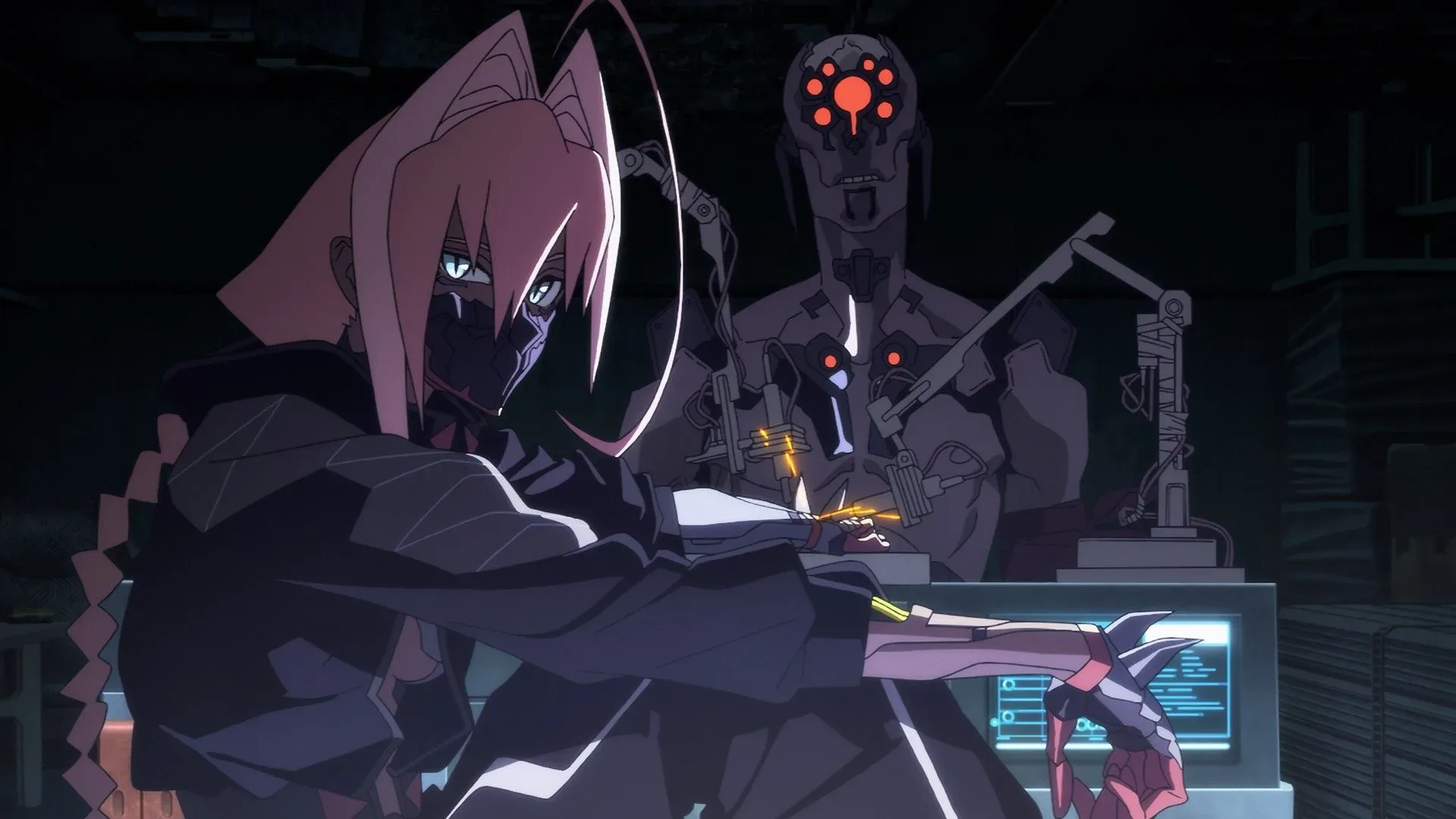
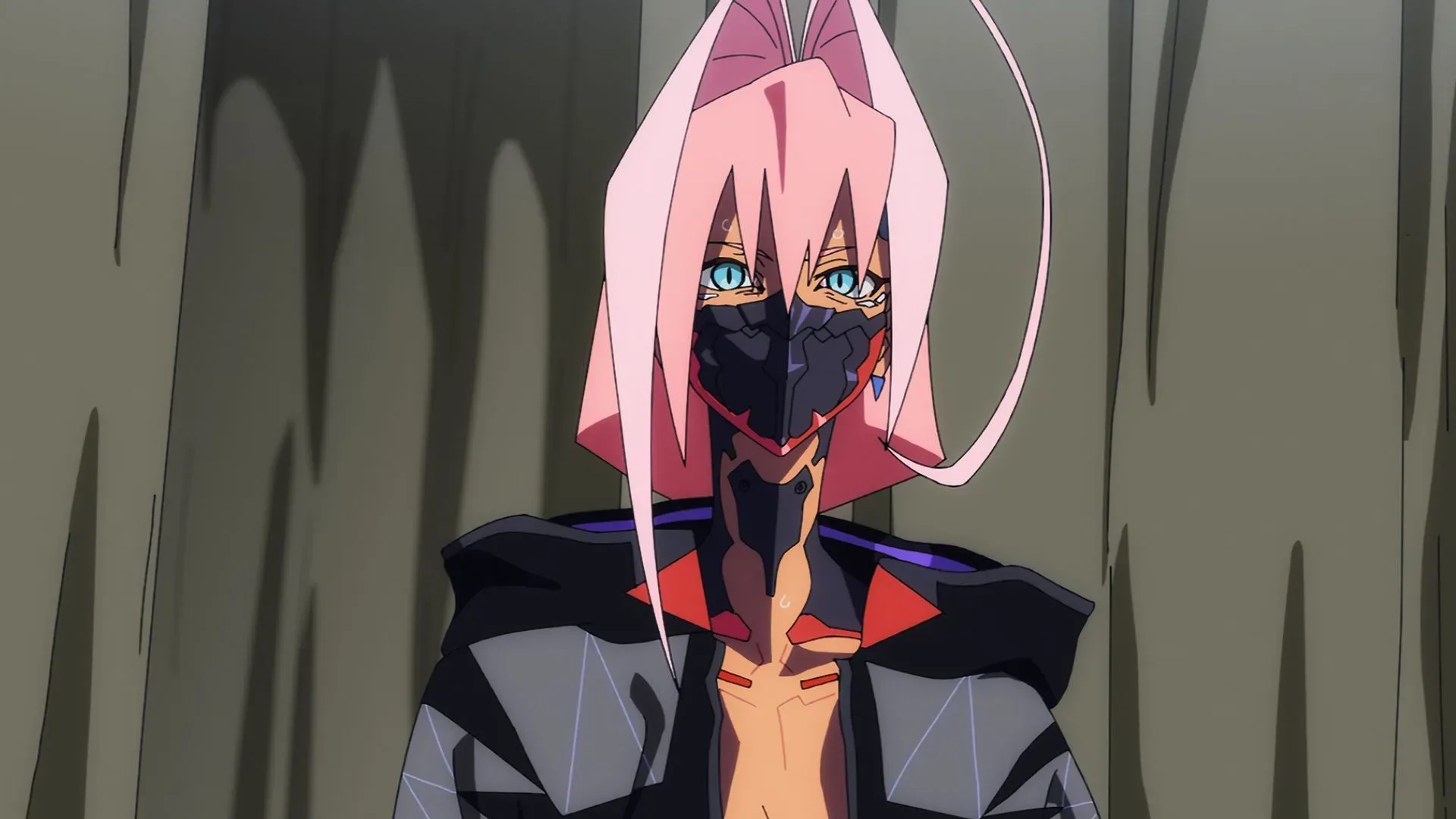
Capri is the most consequential unresolved element. The character is described as an exceptionally powerful construct, and D. and Capri’s fate remains open-ended. In Cyberpunk terms, a construct is a digital form of a person or personality. That premise is more than a science-fiction novelty: it raises questions about identity, control and whether a stored mind remains the same individual once it can be copied, modified or combined.
Capri appears to be an amalgamation construct, though that point is not fully confirmed. An amalgamation construct would imply a digital identity formed from more than one contributing consciousness or component. If the story pursues that implication, Capri could be a major force in Night City rather than simply another survivor with unfinished business.
That is why Capri presents such a potent season 3 hook. A character with unusual power can reshape the stakes, but the more interesting question is what that power means for the people nearby. Can it be controlled? Who would try? What is gained or lost when human consciousness becomes something corporate interests can store and exploit?
Soulkiller, engrams and the David Martinez question
Any discussion of a third season is likely to return to David Martinez, the central figure of the first season. The source material does not confirm a return, and viewers should not treat it as one. But the technology featured in both Cyberpunk 2077 and Edgerunners 2 makes the possibility understandable.
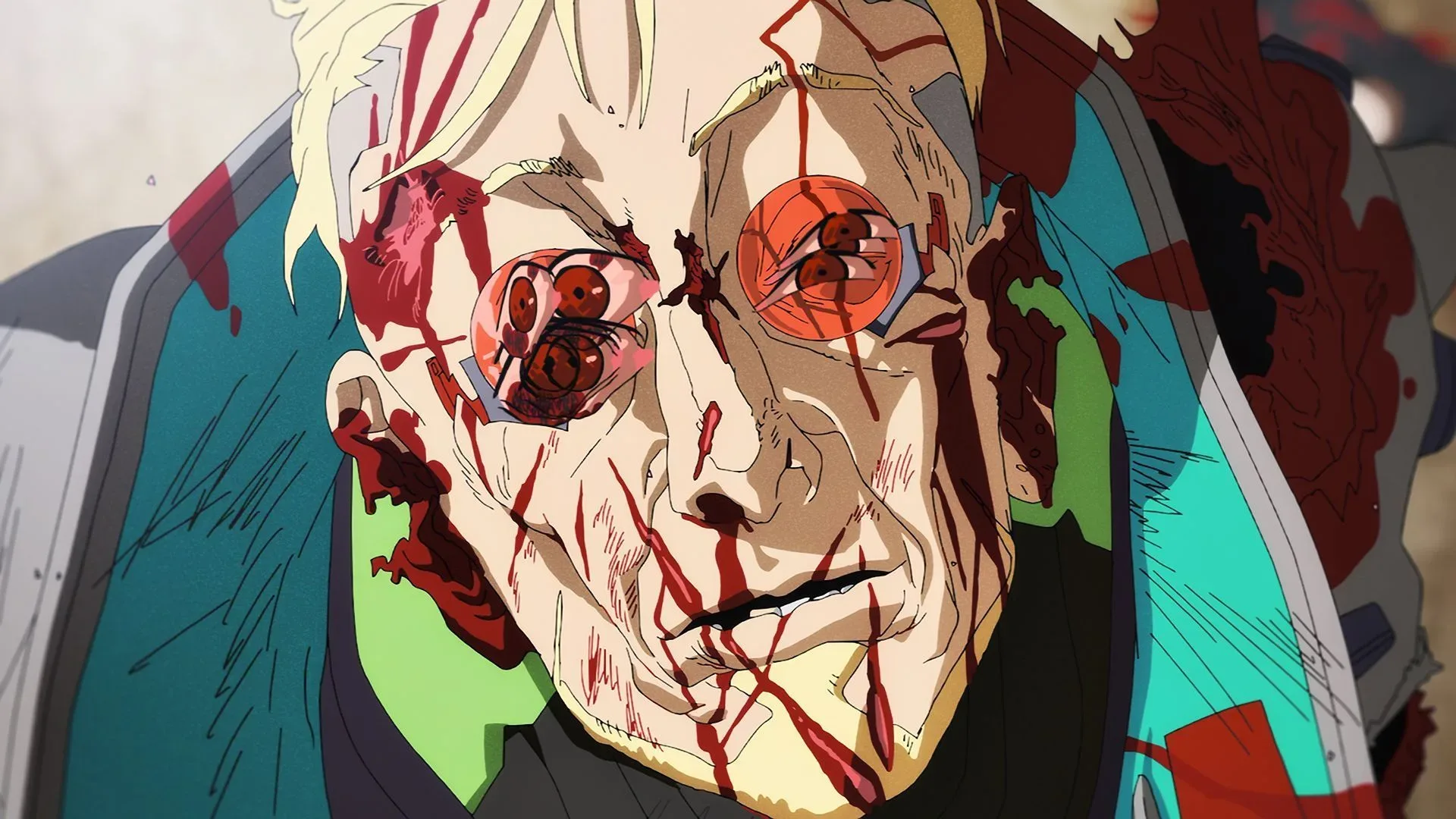
Soulkiller is an experimental technology capable of storing a person’s entire being on a biochip known as the Relic. The resulting stored consciousness is called an engram. Put plainly, an engram is a digital representation of a person’s mind that can persist apart from their biological body.
That concept complicates death in a deliberate way. A physical death does not necessarily eliminate the possibility of a character existing as data. But it also does not automatically resolve the philosophical problem of whether the data is truly the original person, a continuation, a replica, or something else entirely. The supplied information does not settle that debate, and neither does it establish that David’s engram exists.
There is a story-based reason fans may wonder about it. Arasaka had an interest in David’s unusually high cyberware capacity, and the season 2 technology establishes a framework in which stored consciousness can matter. It is therefore possible to imagine Arasaka having preserved David in some form. It is also possible that an element of David is connected to Capri, given Capri’s apparent amalgamated nature. Neither idea is confirmed.
That uncertainty should be the key takeaway. David’s potential return is a theory enabled by the world’s rules, not announced casting, plot information or proof of a completed storyline.
Would a third season need to bring back season 2’s survivors?
No. In fact, the show’s connected-anthology model gives a hypothetical third season two equally credible starting points.
- A direct continuation: D., Roman, Talia, King and Capri return, with Capri’s nature and power becoming a central conflict.
- A new Night City story: A different group of edgerunners and netrunners takes the lead while prior events remain part of the setting’s history.
Edgerunners are typically anti-heroic operators making their way through a violent, corporate-dominated city. Netrunners are characters whose work centers on networks, data and digital systems. Either kind of story naturally suits the franchise’s conflict with powerful corporations such as Arasaka and Kang Tao.
A new cast would preserve the sense that Night City is larger than one group of people. A continuation, meanwhile, would capitalize on the fact that season 2 has left living characters and active threads behind. The best choice would depend on what story its makers think needs telling, rather than on a requirement to recreate season 1 or repeat season 2’s exact structure.
When could Cyberpunk: Edgerunners season 3 release?
There is no release date because there is no confirmed third season. Any date is necessarily speculation.
The four-year gap between the first two seasons provides one rough reference point, but it is not a production rule. Using that gap as a simple estimate would point to late 2030 if another season were made. That is only an extrapolation from the prior interval, not a report of a planned window.
A shorter wait is possible in theory, particularly because the franchise has a live-action movie and a game sequel in development. An animated season could help sustain attention around Night City while those projects remain further away. Conversely, those projects may be priorities that leave a new animated season waiting. Without an announced production plan, neither outcome can be presented as more than a possibility.
What viewers should watch for next
The meaningful signs will be concrete ones: an official renewal, confirmation that Studio Trigger and showrunner Bartosz Sztybor are returning, a cast announcement, a production update or a release window. Until then, claims of a season 3 date or a guaranteed David Martinez comeback should be treated cautiously.
For now, season 2 stands as the newest completed chapter, with an ending that supports more than one future. Its surviving characters offer a plausible continuation, Capri gives the series a substantial unresolved idea to explore, and the anthology design means Night City can always find another crew willing to take on jobs that sensible people would decline.
That is a strong foundation for another season. It just is not a confirmation yet.