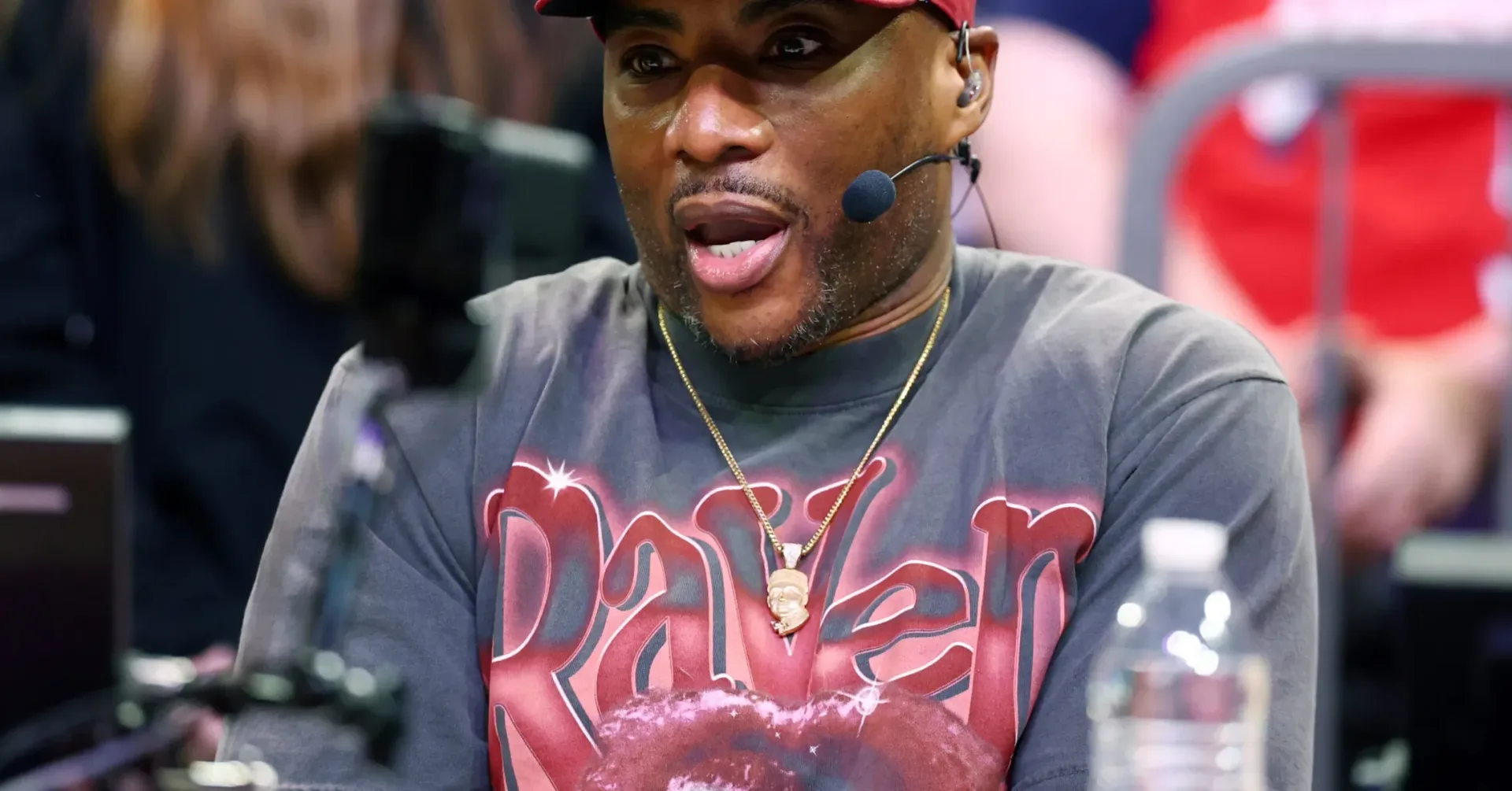
The Breakfast Club has put a full-length interview back on YouTube for the first time since its Netflix arrangement changed what viewers could watch on the platform. The return has been welcomed by listeners who had been asking for longer uploads, but one video is not yet enough to establish a new distribution strategy. For now, it is a notable exception—and an especially talk-heavy one.
The episode brings Charlamagne Tha God and Loren LoRosa together with Glasses Malone, Malcolm Spellman, Jason Martin and Peyton Alex Smith to discuss The Drop, a new series. The conversation also moves beyond the show itself into questions of hip-hop stewardship, who gets to frame the culture, and DJ Akademiks’ standing in rap commentary.
That combination is likely a major reason the upload has generated attention. It is not simply a promotional stop for a series; it is also a conversation about credibility, cultural participation and the platform power held by personalities who turn rap discussion into a daily online event.
A meaningful upload, but not yet a confirmed change
Before the Netflix deal, full interviews on YouTube were an important part of how audiences encountered The Breakfast Club’s conversations. The channel offered a straightforward way to watch an interview in full, revisit a particular exchange and share a specific guest appearance without needing to follow the show elsewhere.
After those full uploads stopped, viewers expressed skepticism about the shift. The change was tied to concerns about diminished viewership and whether a reduced YouTube footprint could lessen the program’s presence in everyday hip-hop conversation. Those concerns are understandable because long-form video is not merely an archive for an interview show. It is part of the public space where clips, arguments and guest perspectives circulate.
The newly posted full interview has therefore been received as more than routine programming. Commenters have been enthusiastic about seeing long-form material return. Still, the available information does not establish that every future interview will receive the same treatment, or that the old upload pattern has resumed.
That uncertainty matters. A single full episode can be a special case tied to a particular conversation, guest group or promotional need. A policy shift would look different: a continuing run of complete uploads, a clear public explanation of where viewers can find future interviews, or a predictable split between YouTube and Netflix material. None of that has been confirmed here.
Why long-form availability changes the discussion
“Long-form” is often used loosely online, but in this situation it means the complete interview rather than a shortened excerpt. The difference is substantial. Clips are designed for rapid discovery and can put an exchange in front of people who would never sit through an entire program. A full conversation offers the surrounding context: how a question was asked, whether a speaker clarified a position, how guests challenged one another, and where a disagreement began or ended.
That context is particularly valuable when the topic is ownership of hip-hop discourse. Debates about who is qualified to speak on rap can become highly compressed once chopped into social posts and short videos. A headline-sized disagreement may travel farther than the reasoning behind it. Posting the full interview gives audiences an opportunity to assess the discussion as a whole rather than only encountering its most combustible moment.
There is also a practical viewer benefit. Complete uploads provide a durable, on-demand format for people who prefer watching on YouTube, whether they are following a guest, looking for a particular topic or simply catching up later. They can decide for themselves which portions deserve attention instead of relying solely on an edit’s selection of highlights.
The Glasses Malone and Akademiks discussion carries extra weight
The interview’s conversation about DJ Akademiks appears to be the part prompting the most speculation about timing. Glasses Malone made the case that he is better qualified to address rap, while Charlamagne Tha God defended Akademiks during the exchange.
The discussion arrives after a recent run-in between Charlamagne and Akademiks, which has led some observers to read additional significance into the full-length upload. But it is important to separate what is known from what is being inferred. The confirmed point is that the interview features a spirited exchange involving Akademiks and that Charlamagne defended him. The broader theories about why this particular episode was selected for a full YouTube release remain theories.
Even so, the subject fits a larger tension in modern music media. Hip-hop commentary has no single gatekeeper. Artists, journalists, radio hosts, podcasters, streamers, fans and news-focused creators all contribute to the conversation, often with different relationships to the culture and different incentives. Arguments about qualifications usually turn on a mixture of lived experience, reporting, artistic participation, historical knowledge, audience reach and accountability.
The episode’s discussion about preserving hip-hop from falling “into the wrong hands” points directly at that tension. It is a debate over representation, but also over influence: who gets heard, who gets amplified, and whose interpretation is treated as authoritative once a discussion is distributed across massive platforms.
Charlamagne’s defense of Akademiks complicates any simplistic reading of the exchange. Defending someone in a specific conversation does not erase disagreements or past friction; it can instead acknowledge that a figure has a place in the ecosystem while leaving room to debate that figure’s methods, perspective or authority. That distinction is precisely the kind of nuance that benefits from a full upload rather than a brief social clip.
Netflix and YouTube do different jobs
The situation also illustrates the audience-management challenge of putting a media brand across multiple platforms. Netflix and YouTube do not function the same way. A subscription streaming service can foreground packaged programming and encourage viewers to stay within a curated library. YouTube operates as a search-driven, shareable and comment-heavy public destination where individual interviews can continue gathering viewers over time.
Neither role is automatically better. The key question for fans is access: which content appears where, in what form, and on what schedule? When that answer is unclear, viewers may interpret missing full episodes as an abandonment of a format they value. When a full interview suddenly appears, they may interpret it as a signal that the prior approach is being reconsidered.
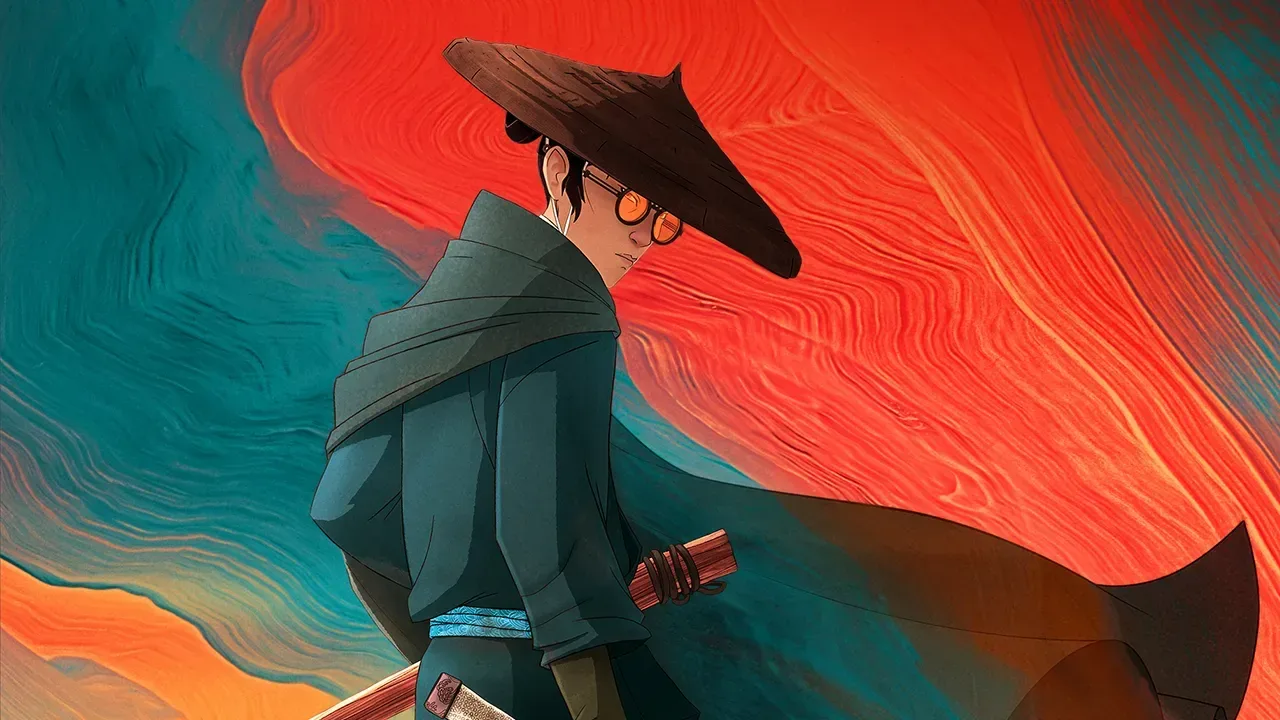
That broader streaming-versus-public-video dynamic also applies throughout pop culture. Netflix remains a major home for serialized programming, including projects such as the expanding cast of Blue Eye Samurai season two, while YouTube remains vital for conversations that gain momentum through direct sharing, clips and active comment sections.
For The Breakfast Club, the clearest immediate result is that its audience can watch this entire exchange in the format many had requested. The longer-term result is still unresolved. If full interviews keep appearing, the upload may be remembered as the beginning of a more audience-friendly balance between Netflix and YouTube. If they do not, it will stand as a high-profile exception that made the demand for long-form access even more visible.
What viewers should watch for next
- Consistency: Whether later guest interviews also arrive in full on YouTube is the strongest indicator of a real strategy change.
- Clarity: Viewers will benefit from a clear distinction between material intended for Netflix and material available on the show’s YouTube channel.
- Context: The full discussion offers a better basis for evaluating the debate around Glasses Malone, Akademiks and hip-hop commentary than isolated clips alone.
- Audience response: Continued enthusiasm for long-form uploads could make the case that full interviews remain essential to the show’s online community.
For the moment, the important development is refreshingly simple: a complete Breakfast Club interview is available on YouTube again. The conversation’s subject matter makes that return feel consequential, but its lasting significance depends on whether it becomes a pattern rather than a one-off.