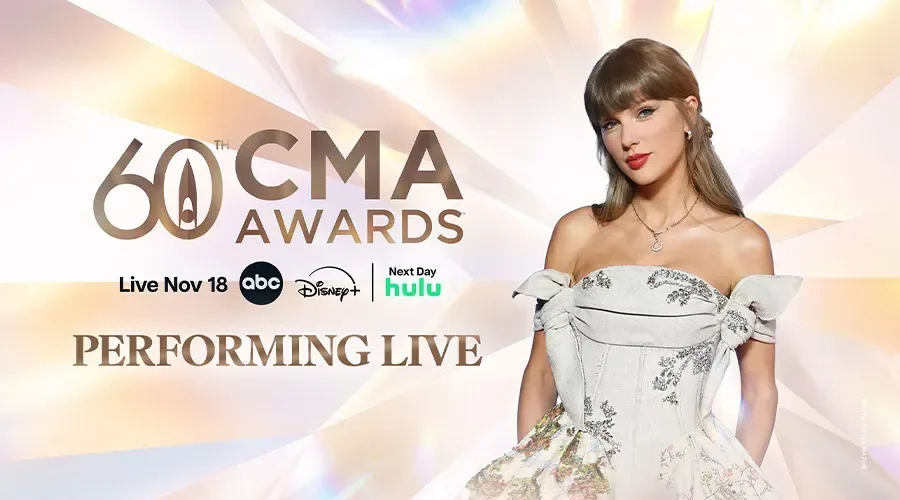
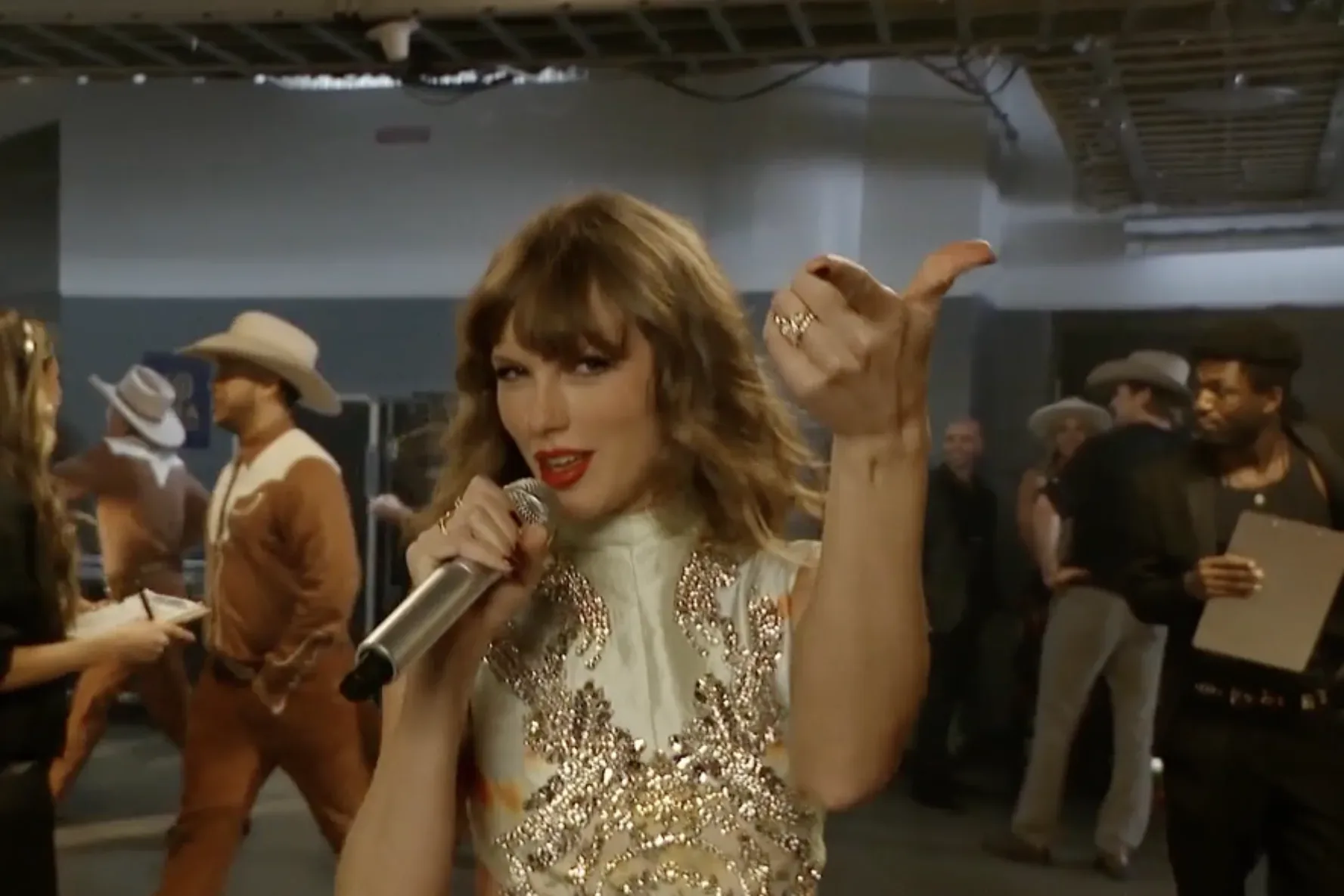
Taylor Swift returned to the Country Music Association Awards performance stage on Wednesday night, ending a 13-year gap with the first public performance of I Knew It, I Knew You. The appearance was constructed as more than a straight run-through of the new song: it moved from backstage through the room, brought together prominent country artists, and ultimately linked Swift’s newest country-chart milestone to Our Song, an early landmark in her career.
That framing matters. Our Song was Swift’s first No. 1 at country, while I Knew It, I Knew You is identified as her latest. The performance therefore marked a 20-year span between those two chart milestones, not simply a guest spot at an awards show. Swift also used the opening line, “It’s been a while,” as a direct acknowledgement of the distance between CMA performances.
A performance that began away from the main stage
Swift started backstage, singing while passing Eric Church, Brad Paisley, Little Big Town, Brooks & Dunn, Sugarland and Lainey Wilson. Wilson was hosting the ceremony. The staging then transitioned to the CMA stage, where Bill Anderson introduced Swift’s arrival. Anderson is the longest-serving member of the Grand Ole Opry, giving the handoff a clear country-music lineage before the arrangement reached its final setting.
Onstage, Swift performed with Keith Urban, backup singers and a full band. Urban played a ganjo, a six-string banjo. That detail is useful because the instrument’s name can sound like a piece of genre-specific jargon: in this case, it describes a banjo configured with six strings, rather than the five-string form many listeners may most readily associate with bluegrass and country playing.
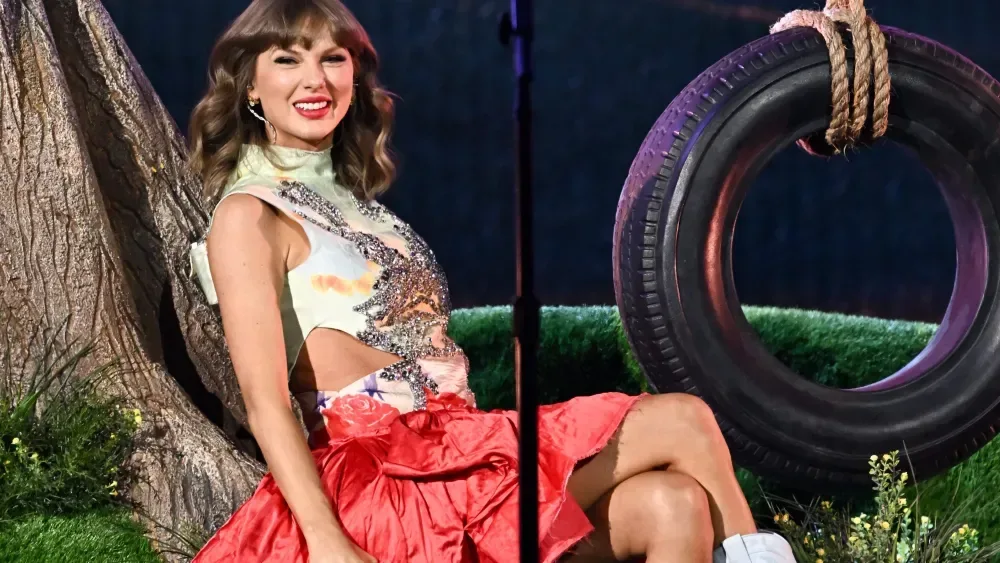
The physical set was equally pointed. A giant tree and tire swing formed the visual center of the performance, and Swift concluded while lying against the tree. Between the older song, the country instrumentation and the rural imagery, the staging created a bridge back to the aesthetics surrounding Swift’s earliest country material without requiring the newer song to become a recreation of it.
How ‘Our Song’ changed the meaning of the performance
Swift wove Our Song into I Knew It, I Knew You rather than treating it as a separate, full additional performance. In practical musical terms, that kind of insertion functions as a medley: two compositions are connected in one continuous arrangement. Here, the older song worked as a recognizable reference point inside the new one.
The choice also made the set’s central idea easy to read. Our Song is not only an older hit selected for nostalgia; it represents Swift’s first country No. 1. I Knew It, I Knew You represents the latest. Placing them together turned the set into a career timeline, with the new material carrying the performance forward and the earlier material supplying the historical anchor.
Analysis: The effectiveness of that construction is in its specificity. Rather than broadly claiming a return to country, Swift’s performance connected two measurable points in her country-chart history. The country veterans encountered backstage, Anderson’s introduction, Urban’s ganjo and the Our Song interpolation all supported the same narrative: a present-day release being positioned in conversation with a foundational chapter of Swift’s recording career.
Why the CMA return stands out
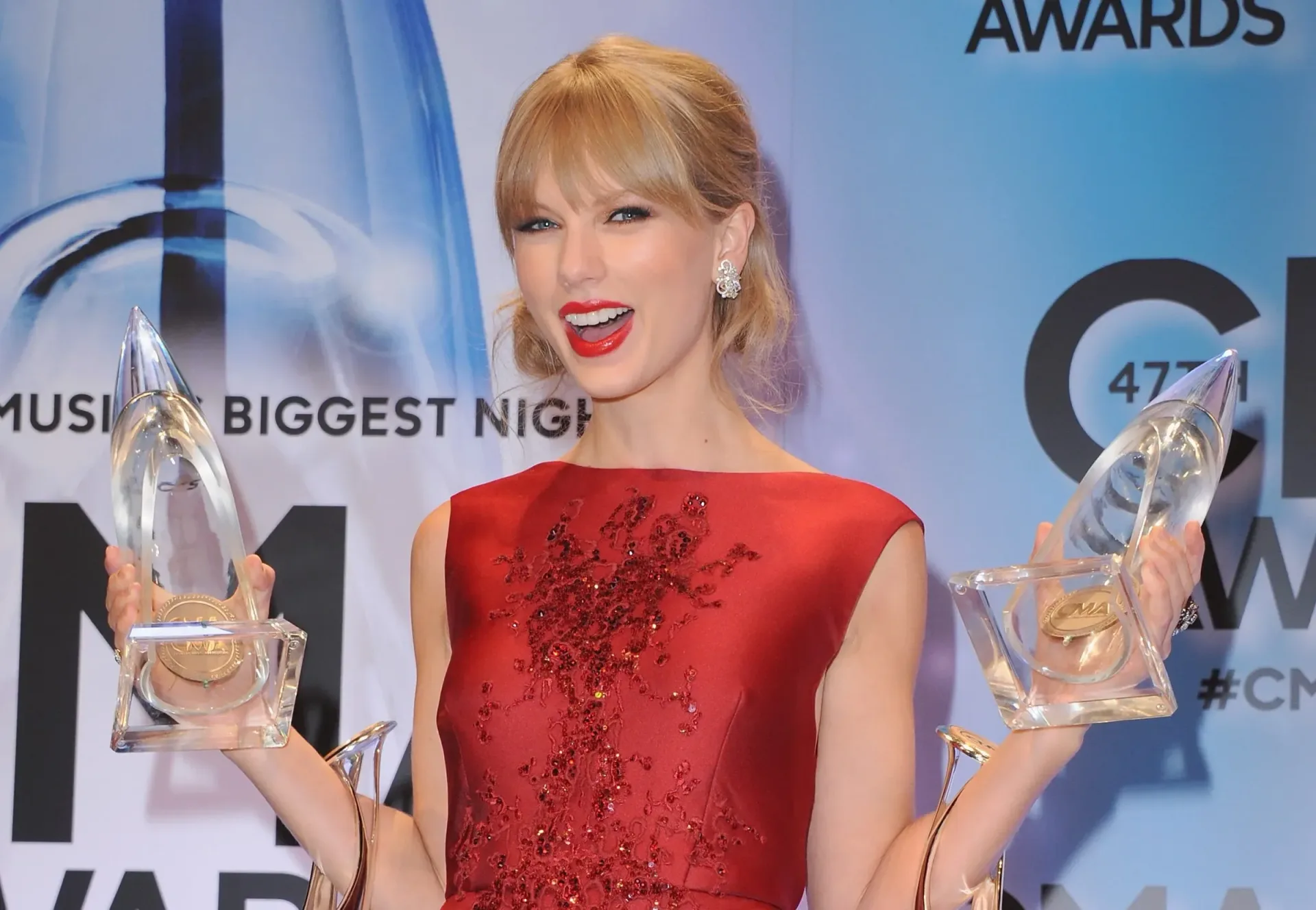
This was Swift’s first performance at the CMAs in 13 years. Her prior appearance as a performer came in 2013, when she received the Pinnacle Award and performed Red with Vince Gill and Alison Krauss. She later appeared at the awards in 2016, but as a surprise presenter who gave Entertainer of the Year to Garth Brooks rather than as a musical performer.
The new appearance also arrived 20 years after Swift’s first attendance at the CMA Awards. Those timelines explain why the set leaned so heavily into continuity. The show was not introducing Swift to a country audience or revisiting one isolated earlier era. It was acknowledging a long relationship with the ceremony while placing a current song at its center.
I Knew It, I Knew You comes from Toy Story 5 and is described as Swift’s first newly released song in more than a decade to be marketed as country. That marketing designation is important. A song’s genre can be discussed through its sound, instruments or songwriting, but “marketed as country” refers specifically to how a release is presented to audiences and industry channels. It does not erase the stylistic experimentation in Swift’s work between her early country period and this release.
Swift made a decisive move toward pop with 2015’s 1989, although Red had already included pop and dubstep experimentation on songs such as We Are Never Ever Getting Back Together and 22. Against that background, the CMA performance did not suggest a simple reversal of everything that followed her early catalog. It presented one new country-marketed song through a deliberately country-rooted live arrangement and visual vocabulary.
A nomination keeps the song in the CMA conversation
I Knew It, I Knew You is nominated for Single of the Year at this year’s CMA Awards. A single category is centered on a specific recorded release, which makes the live debut especially closely tied to the night’s awards context. The performance placed the nominated song in front of the audience while also reminding viewers where the long arc represented by Our Song began.
Swift also received five Grammy nominations earlier in the week. The Life of a Showgirl is nominated for Album of the Year; I Knew It, I Knew You is nominated for Song of the Year and Best Song Written for Visual Media; The Life of a Showgirl, with Sabrina Carpenter, is nominated for Best Pop Duo/Group Performance; and The Fate of Ophelia is nominated for Record of the Year.
The distinctions among those Grammy categories help clarify the breadth of the recognition. Album of the Year concerns the album-scale work. Record of the Year recognizes a recording, while Song of the Year concerns songwriting. Best Song Written for Visual Media is particularly relevant to I Knew It, I Knew You because it recognizes songwriting connected to visual media—in this instance, the song’s Toy Story 5 association. Those nominations do not make the CMA set a crossover performance by themselves, but they do place the song at the intersection of country awards recognition, soundtrack work and major songwriting categories.
The broader practical takeaway for music followers
For viewers following Swift’s releases across genres, the key detail is that this was the first public performance of I Knew It, I Knew You, not merely another televised performance of an established song. Its arrangement and pairing with Our Song supplied a public introduction that emphasized country context. The song’s CMA Single of the Year nomination and its Grammy recognition for songwriting and visual media give listeners several distinct reasons it is appearing in the awards conversation.
The performance also shows how a short awards-show slot can carry a larger career story without becoming a retrospective medley. The newer song remained the centerpiece; Our Song supplied the connective tissue. The set design and guest musicians made that connection legible in visual and instrumental terms, while the backstage walk gave the performance a communal country-industry setting before it reached the main stage.
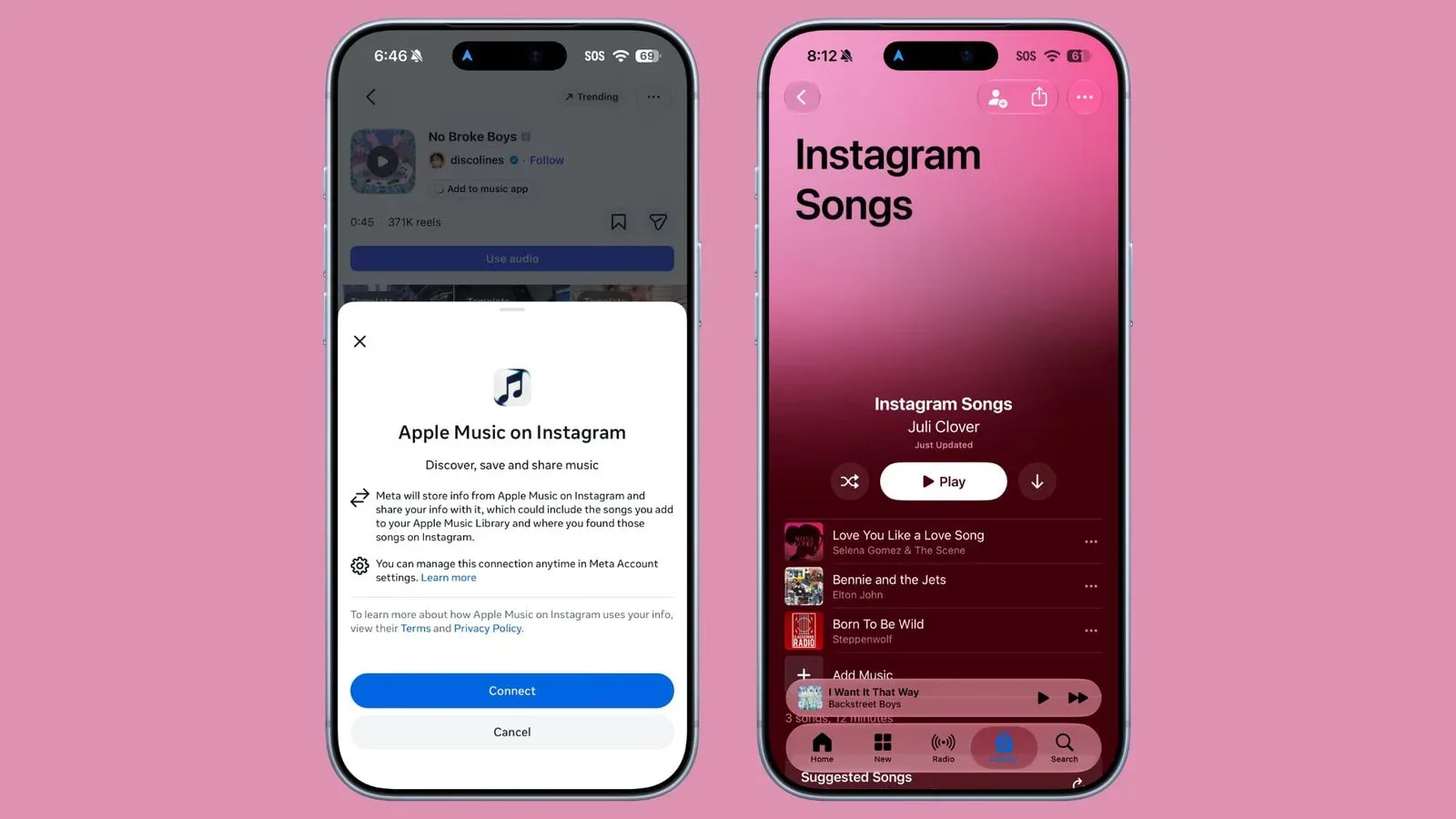
For fans who organize their listening through social tools, music platforms are continuing to add ways to move tracks between social posts and libraries; Instagram’s Apple Music playlist-saving feature is one example of that wider shift. Swift’s CMA appearance, however, is best understood on its own terms: a carefully staged return to a ceremony where her early and latest country No. 1 milestones could be placed side by side.