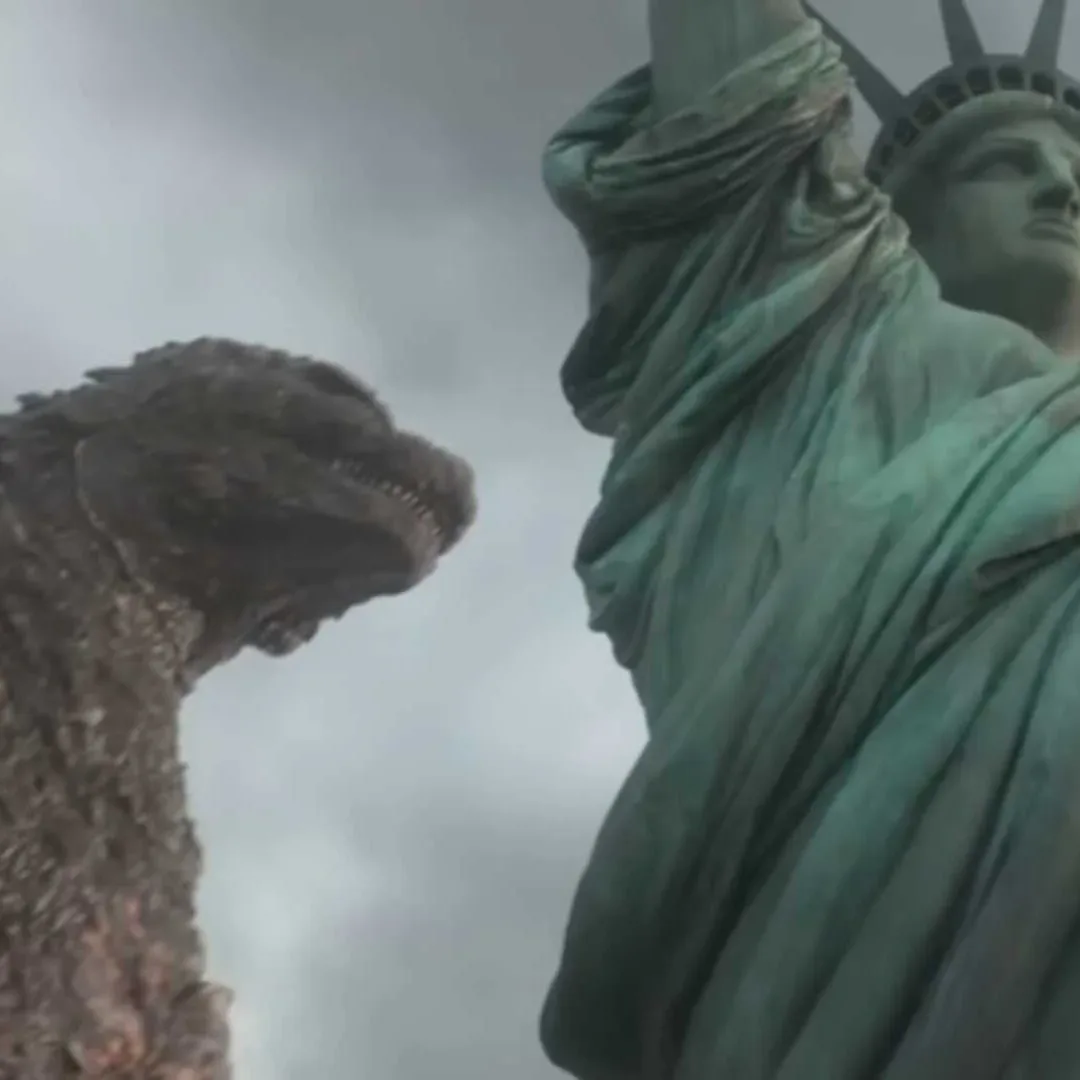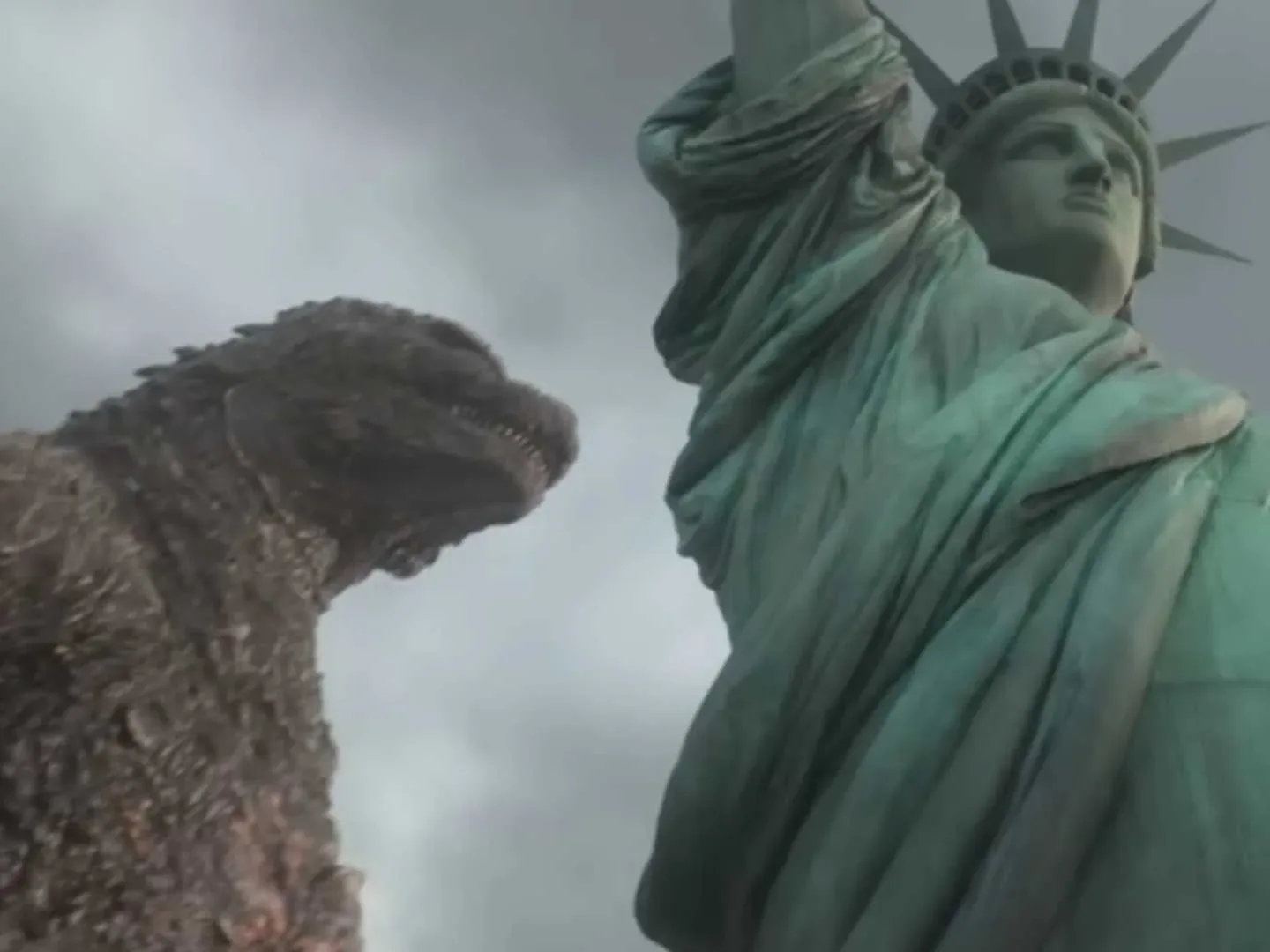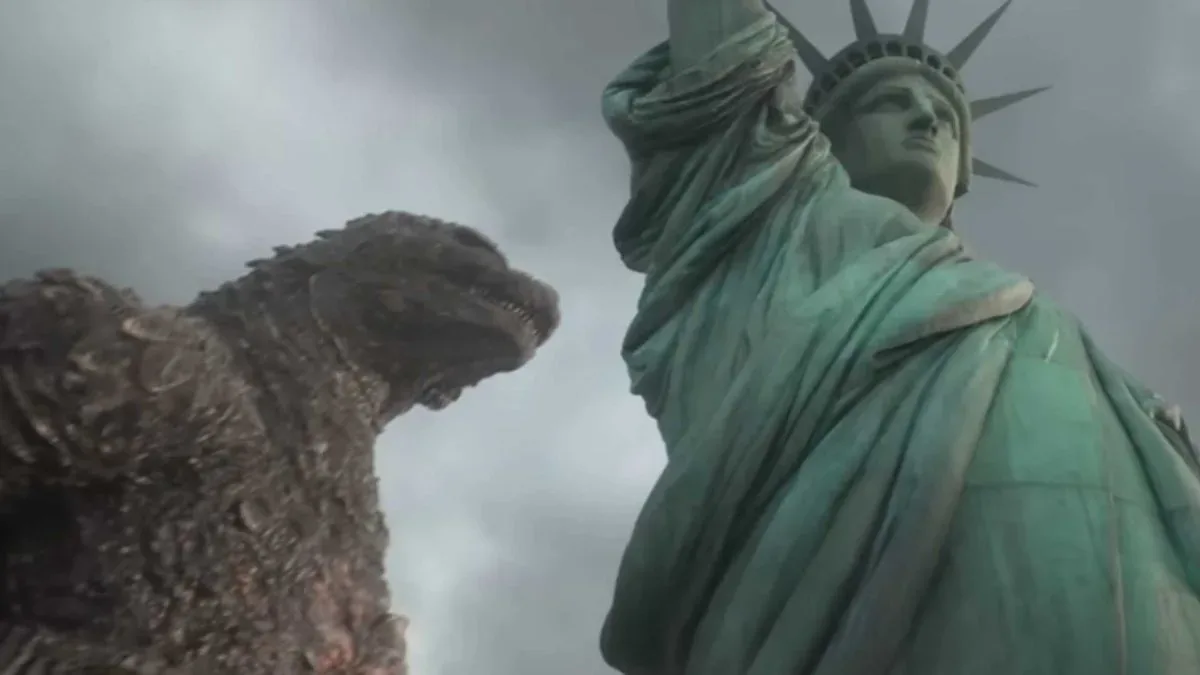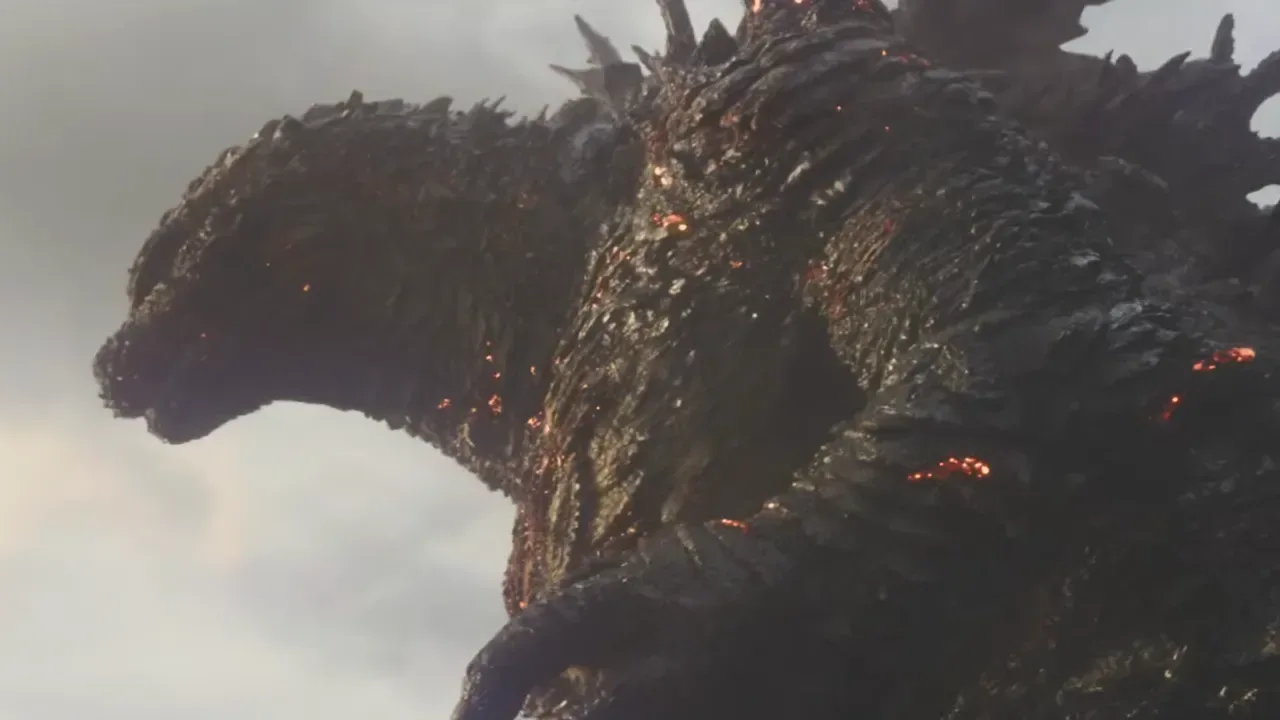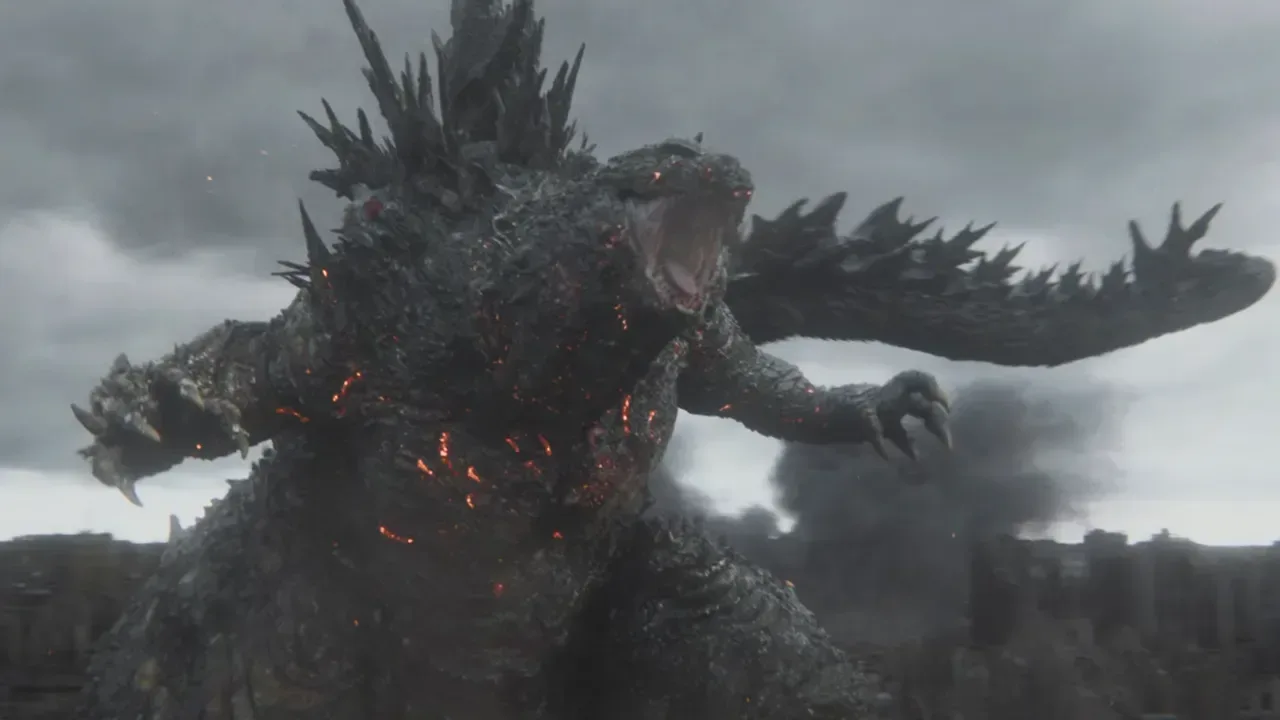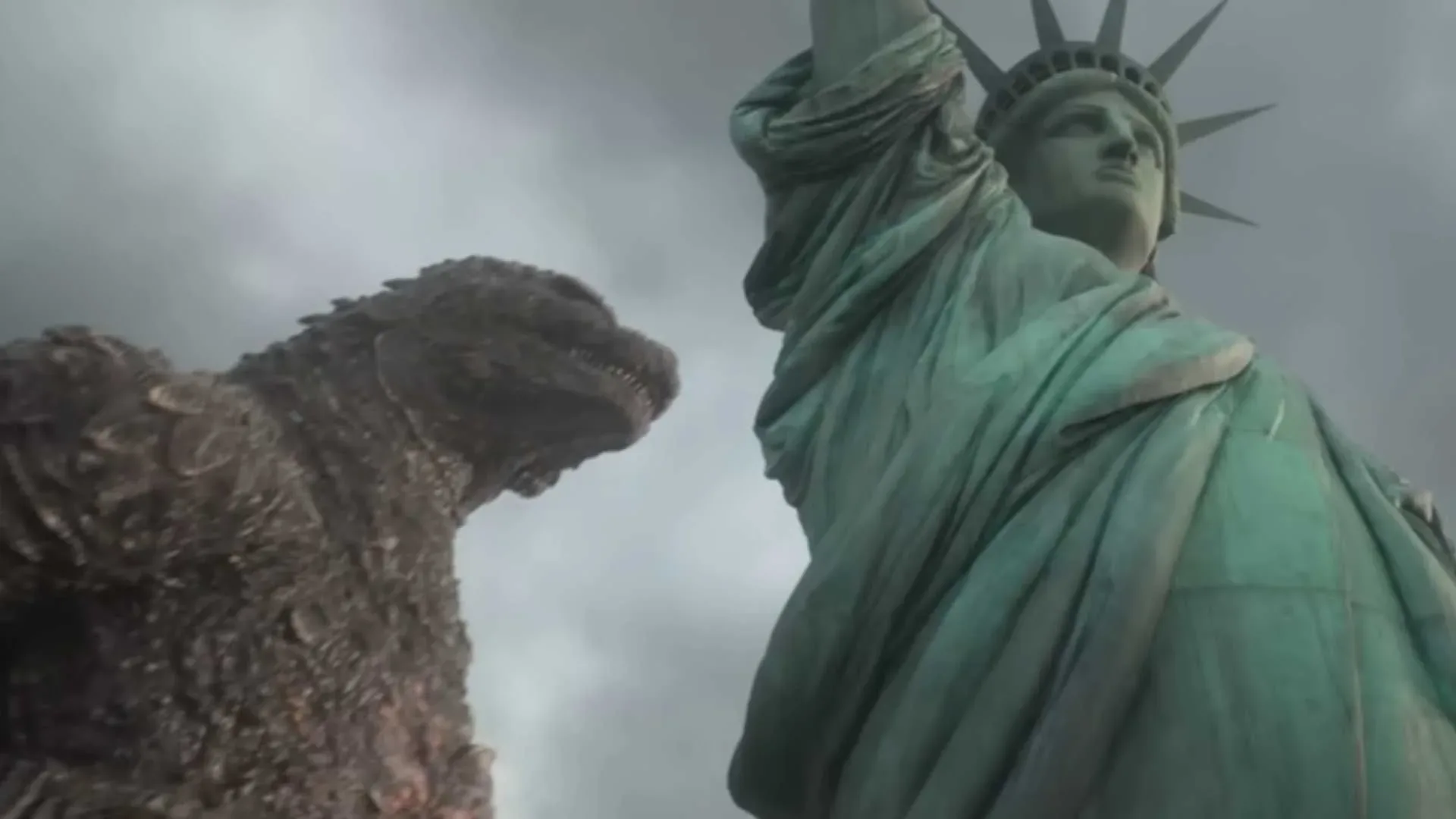
Takashi Yamazaki has left the door open to making another Godzilla movie, though he is not presenting one as a certainty. The director of Godzilla Minus Zero, the follow-up to the Oscar-winning Godzilla Minus One, says he would “probably say yes” if Toho asked him to return and continue working in the monster-filled world.
It is an invitingly straightforward answer from a filmmaker who describes the series as personally significant. Yamazaki has said he has been a Godzilla fan since childhood and that making Godzilla Minus Zero meant aiming high. At the same time, his comments are notably conditional: there is no confirmed third film, no stated offer from Toho, and no suggestion that another chapter is already being developed.
What is clear is that Yamazaki sees both possibilities as valid. He would welcome an invitation to go further, but he also says he would be content with what the current films have accomplished should Godzilla Minus Zero prove to be his last time directing the character.
A willingness to return, not a sequel confirmation
Franchise news can often turn a hypothetical answer into an implied announcement. That is not what happened here. Yamazaki’s position is best read as an expression of interest and gratitude rather than production news.
He has characterized the films as major milestones in both his career and life, and credited his long-standing fandom as an important part of being able to make them. He also thanked Toho for trusting him with Godzilla. That combination explains why a return is plausible without making it inevitable: the director clearly values the opportunity, but is not treating another installment as something he is owed or expecting.
“If Toho came to me with another offer to explore this world even further, I’d probably say yes,” Yamazaki said.
The phrase “explore this world” matters more than it may initially seem. It frames the attraction as creative continuation rather than merely returning for another large-scale monster encounter. Godzilla films are often grouped under the term kaiju, a Japanese word commonly used for giant-monster stories. But Yamazaki’s recent Godzilla work has also been defined, in the available description, by its human stakes.
That is especially relevant because Godzilla Minus Zero brings back the Shikishima family from Godzilla Minus One. Continuing a returning family places character continuity alongside the bigger creature spectacle. The new film also introduces King Ghidorah, adding a formidable monster presence to a story that is already positioned as a direct follow-up rather than an unrelated reboot.
What is known about Godzilla Minus Zero
Godzilla Minus Zero arrives on November 6. It follows Godzilla Minus One, which won an Oscar, and reunites viewers with the Shikishima family. The story also adds King Ghidorah.
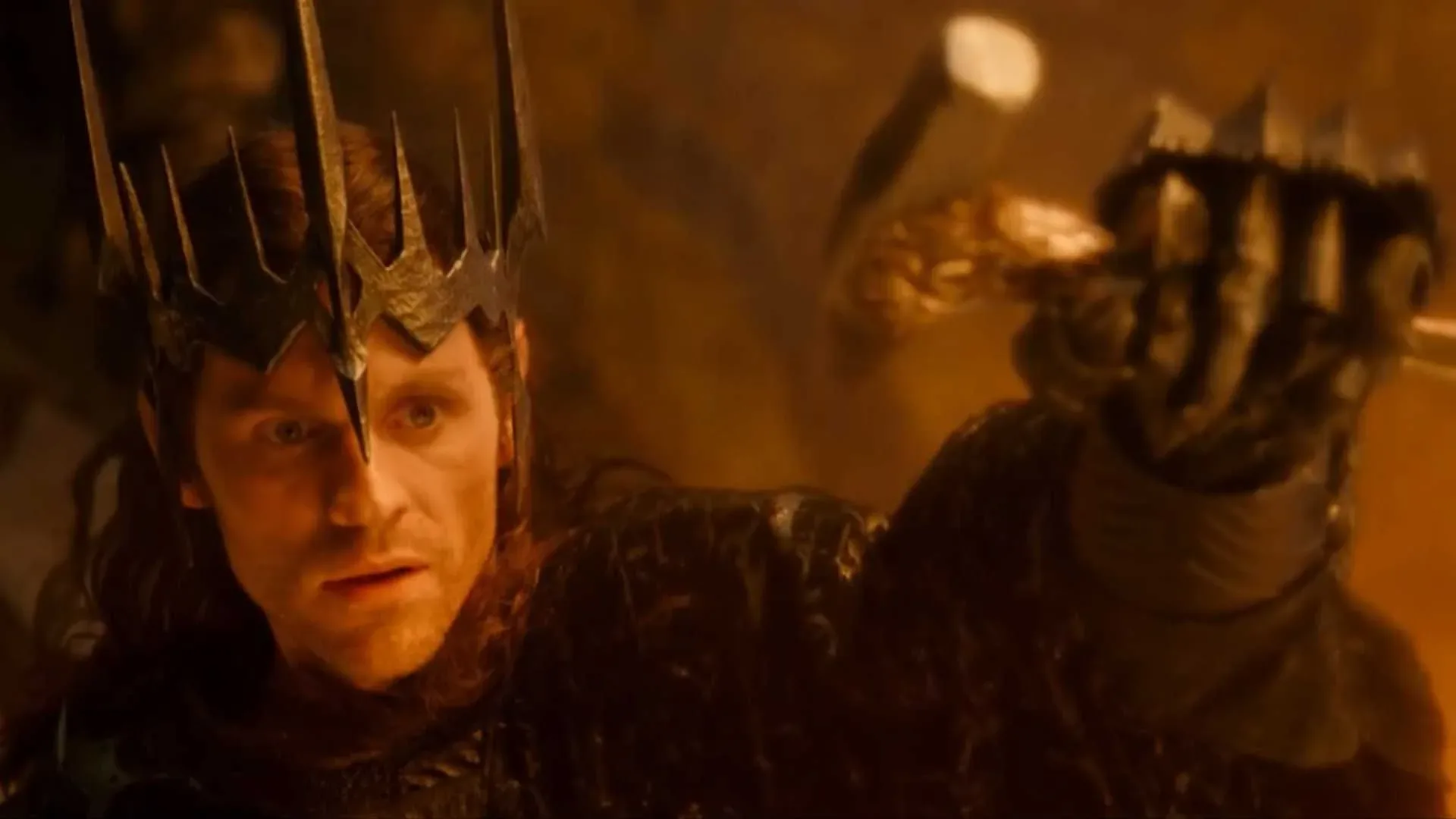
King Ghidorah’s inclusion is meaningful simply because it signals that the new film is expanding its monster roster. Beyond that, specific plot mechanics, character arcs, and the circumstances of the confrontation have not been detailed in the supplied information. It would be premature to assume how the creature will be used, whether its role dominates the film, or what a possible later installment might inherit from the encounter.
Early critical response has been strong. One published assessment gave the film 4.5 stars, praising the combination of emotionally punishing human drama and large-scale kaiju action, while judging it an escalation from its predecessor. That reaction suggests the sequel’s appeal is not being described solely in terms of King Ghidorah or visual scale. The dramatic material around the returning family is being treated as central to its success.
For viewers, that is a useful expectation-setter. A kaiju movie is not automatically a film where characters exist only to wait for destruction scenes. In this case, the available reception specifically identifies the human drama as a strength. Anyone approaching Godzilla Minus Zero for the monster action may find a film aiming for a broader balance; anyone invested in the family’s return has reason to expect that continuity to matter.
Why Yamazaki’s perspective carries weight
There is a difference between a director saying they are available and saying they have reached a satisfying stopping point. Yamazaki has done both, which makes his remarks unusually measured. He describes another Godzilla movie as an opportunity he would likely embrace, yet says he would be quite satisfied if this were the end of his run.
That stance offers two practical takeaways. First, fans should not treat Godzilla Minus Zero as a guaranteed launchpad for a third Yamazaki-directed entry. Future decisions remain with Toho, and no formal next project has been established here. Second, the possibility is not closed off by creative exhaustion or a public refusal. If an offer arrives, Yamazaki has indicated that he would be inclined to accept it.
It also places the new film in a productive position: it can be experienced as a complete achievement while still leaving room for more. Franchise storytelling sometimes encourages audiences to treat every ending as a contract for the next installment. Yamazaki’s comments argue for a healthier reading. A story can reach a satisfying point and still be part of a world worth revisiting.
The human side of a giant-monster sequel
The returning Shikishima family is the clearest available sign of what connects Godzilla Minus Zero to its predecessor. Continuity can mean many things in a sequel: repeating plot devices, enlarging the threat, adding familiar monsters, or returning to characters whose lives have already been altered by prior events. This film appears to use more than one of those tools, pairing the family’s return with King Ghidorah’s arrival.
That combination creates a basic dramatic contrast even without revealing further story details. The family represents an ongoing personal thread, while King Ghidorah represents a new escalation in kaiju terms. The early appraisal of the film as both emotionally devastating and earth-shaking suggests that the sequel’s ambition rests on joining those scales rather than treating them as separate attractions.
For the Godzilla series, that is an important creative proposition. The word “spectacle” is often used for imagery designed to impress through size, sound, action, or technical scale. Spectacle is part of the appeal of a giant-monster film, but it is not necessarily the whole film. When reviewers highlight human drama in the same breath as kaiju action, they are identifying an attempt to make the destruction and danger carry emotional force through the people affected by it.
Yamazaki’s own comments reinforce that sense of investment. His childhood admiration for Godzilla is not presented as trivia; he connects it directly to his ability to make the films. His appreciation for the trust placed in him likewise suggests he understands the character as a major responsibility. Whether or not he makes another entry, he is speaking about the work with the perspective of someone who recognizes both the franchise’s scale and its personal importance.
What fans can responsibly expect next
The immediate next event is Godzilla Minus Zero itself, arriving November 6. It has a returning family, King Ghidorah, and early reviews that have been highly positive. Those are the confirmed points that matter most for audiences deciding whether to follow the release.
Beyond that, the most accurate expectation is possibility rather than promise. Yamazaki is open to continuing if Toho makes the offer. He is also at peace with the outcome if no such offer materializes. That leaves the future of a third film unresolved, but not discouragingly so.
For more on another major genre franchise navigating a new chapter after mixed audience reaction, see this look at how a showrunner describes a series finding its footing in season three.
For now, Yamazaki’s message is refreshingly free of false finality. He is not declaring Godzilla finished, and he is not promising the next sequel. He is saying the work has already been meaningful—and that, should Toho invite him back into this particular world, he would very likely be ready to answer.