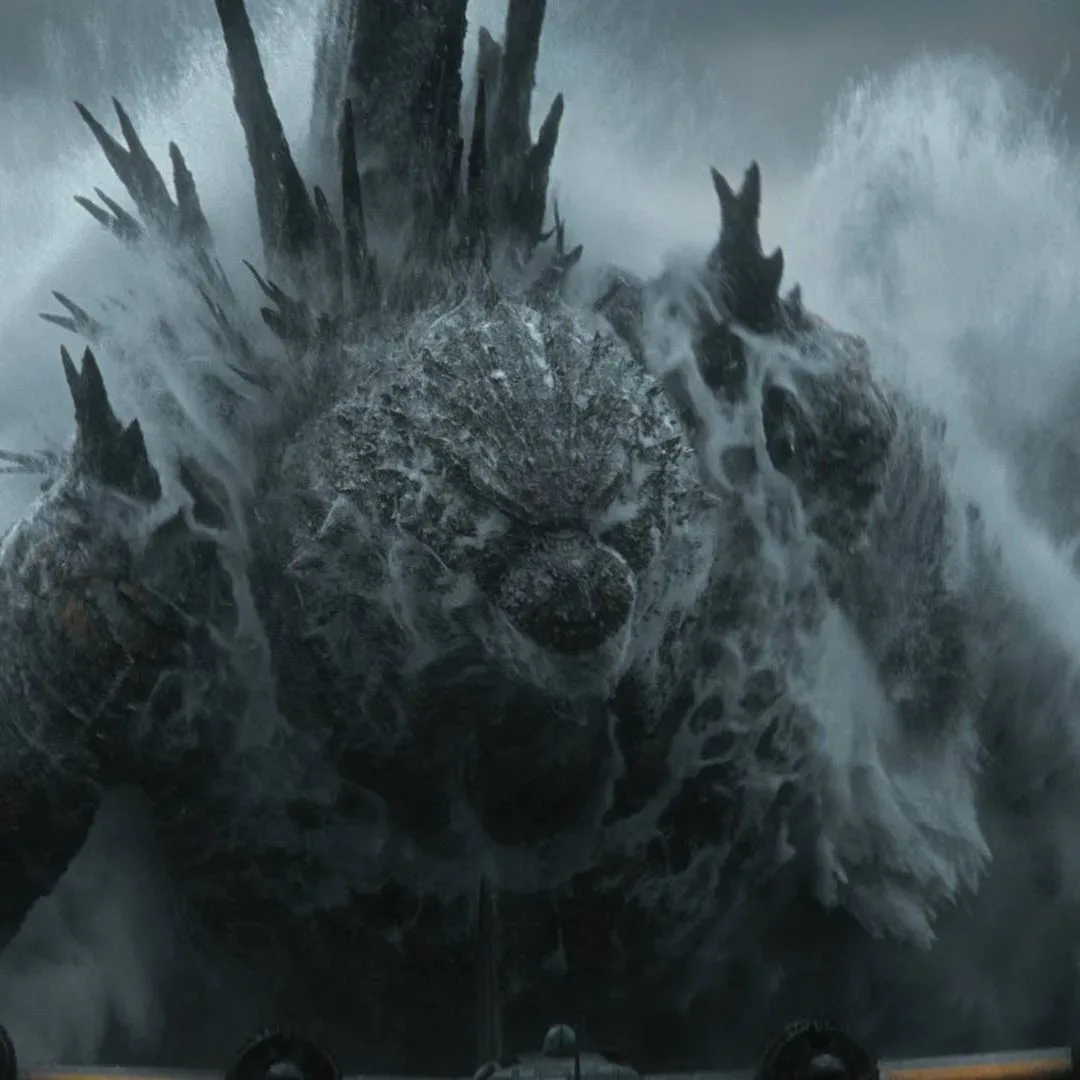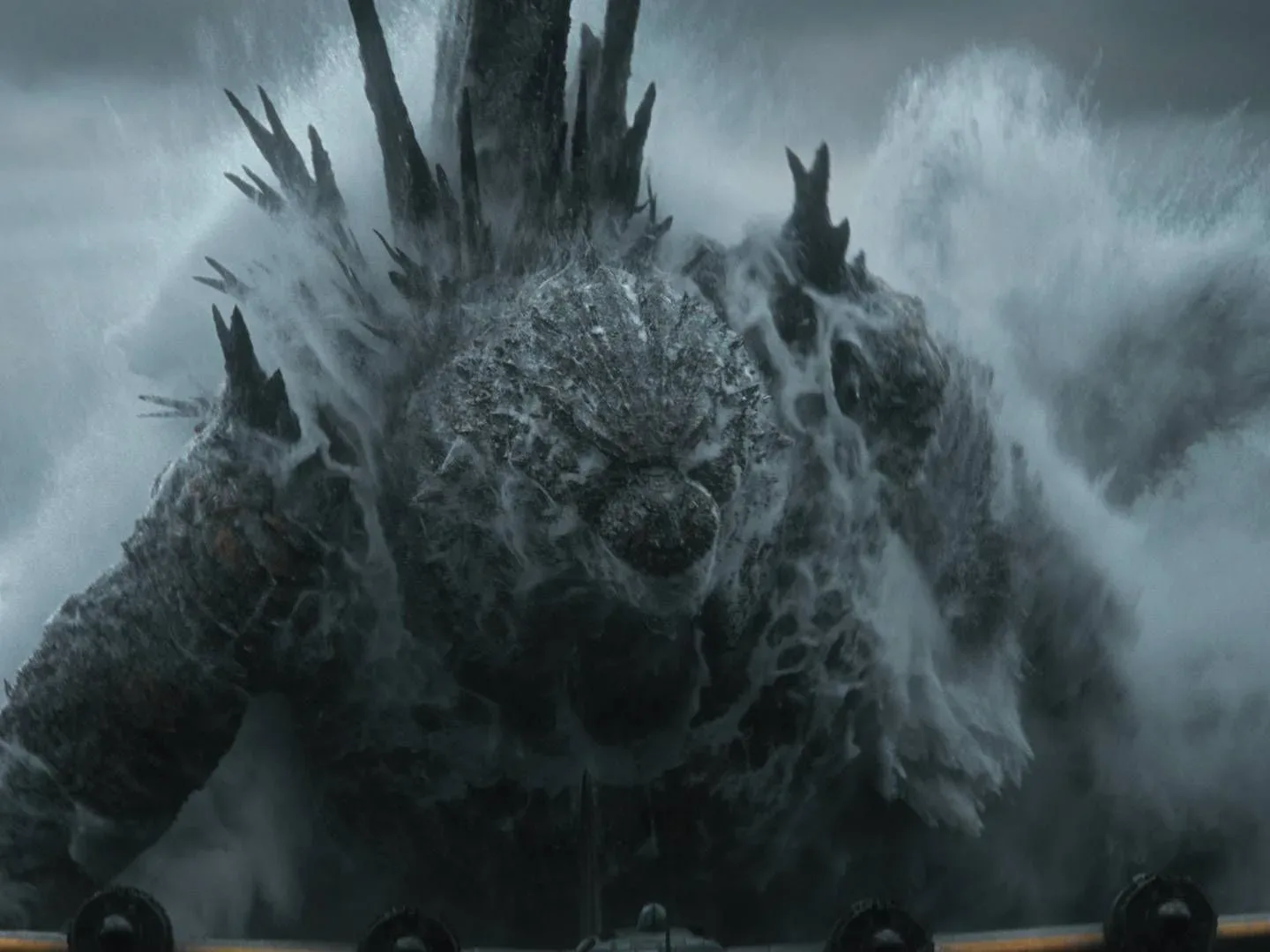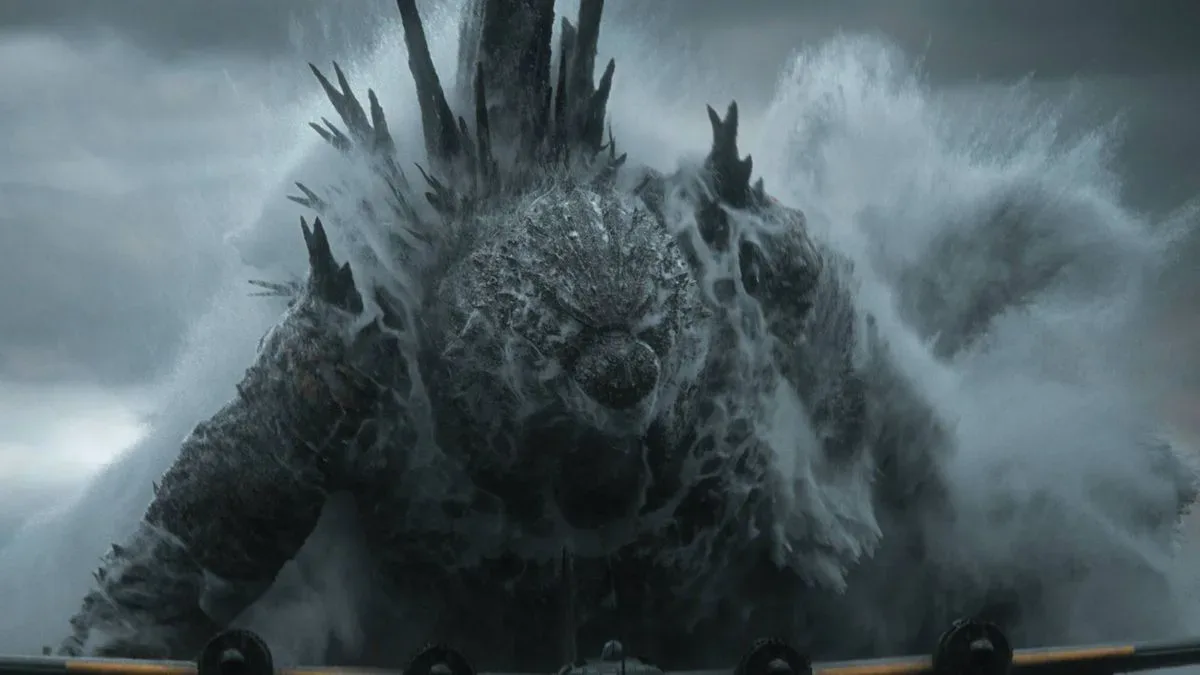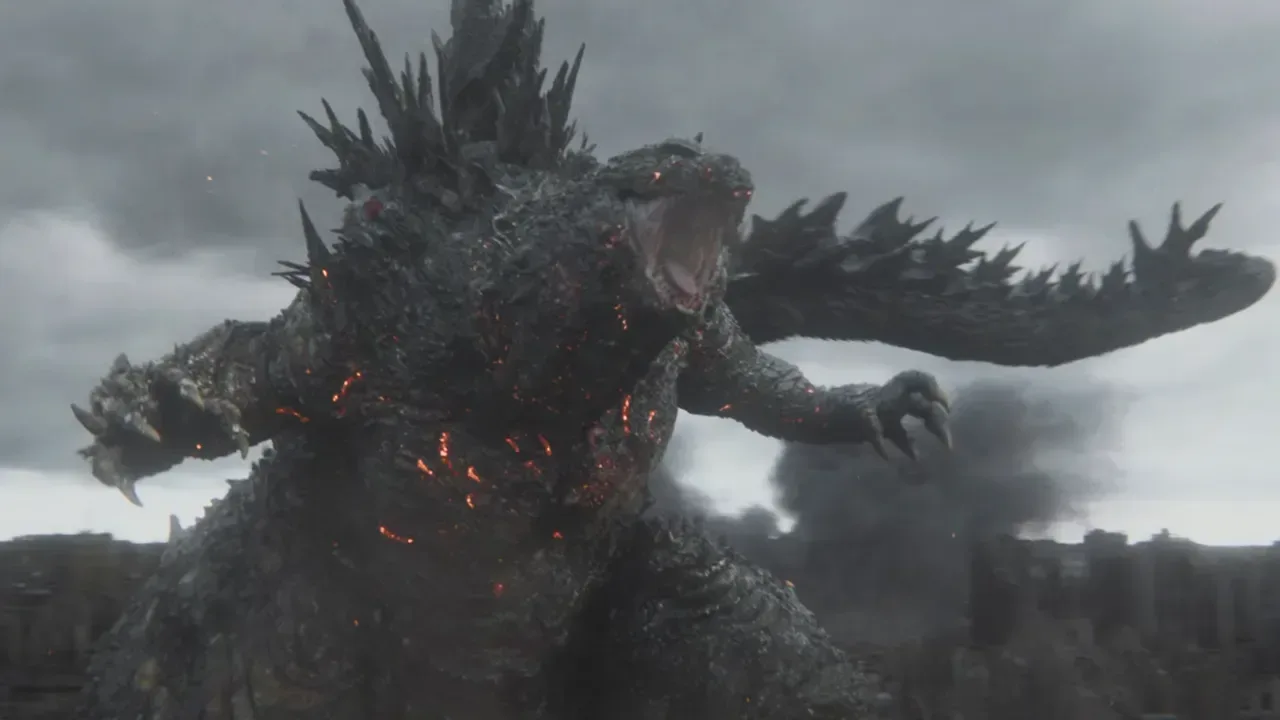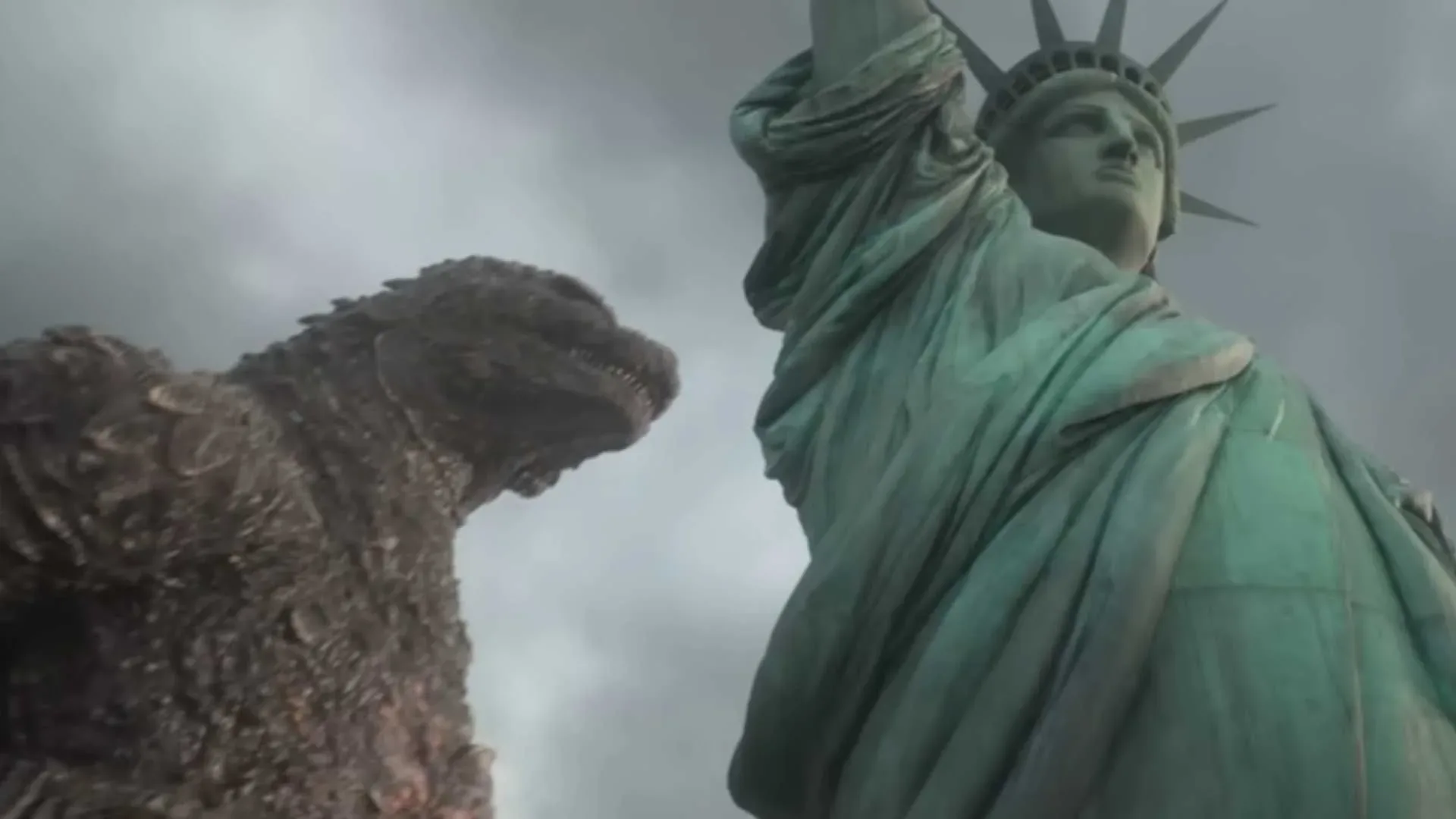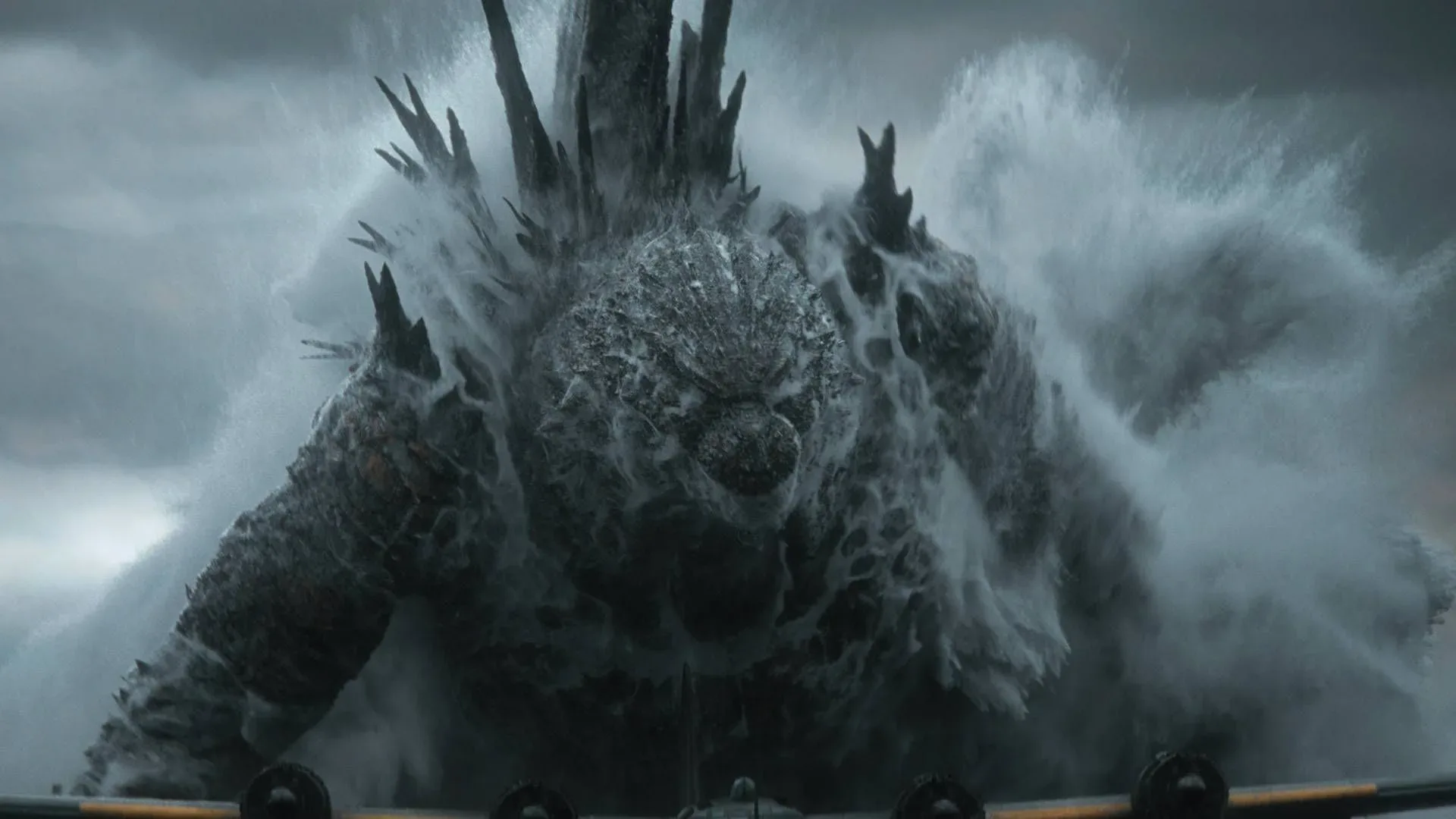
Godzilla Minus Zero may introduce King Ghidorah, but director Takashi Yamazaki does not see the sequel as an excuse to simply stage a bigger monster-versus-monster spectacle. His stated goal is to keep the human and kaiju relationship at the center of the film, with Ghidorah changing how people understand the creatures rather than reducing them to opponents in a heavyweight bout.
That distinction matters because the film follows Godzilla Minus One, a movie widely recognized for grounding its scale in a human story. Yamazaki has confirmed that the Shikishima family will return in Minus Zero, signaling continuity not only in characters but in the kind of dramatic focus the sequel intends to pursue.
“I didn't want Minus Zero to turn into this giant pro wrestling match of watching two kaiju on screen,” Yamazaki said. “There's still a very strong relationship between humans and the kaiju.”
Ghidorah is meant to alter the question, not just raise the stakes
On the surface, adding Ghidorah might seem like the most direct possible escalation. Godzilla now has another giant creature to fight; the audience gets a famous kaiju confrontation; the scale goes up. Yamazaki’s comments suggest a different use for that setup. The creature’s presence is designed to shift the human perspective on kaiju and make the emotional response to them less straightforward.
In this context, kaiju is the Japanese term commonly used for giant monsters. But Yamazaki is describing more than a genre label or a roster of combatants. Godzilla and Ghidorah are framed as entities that affect human lives, force decisions and provoke conflicting feelings. The monsters may battle, but the dramatic subject is what people do with the fear, grief, responsibility and uncertainty surrounding them.
Yamazaki said Ghidorah makes humanity’s approach to kaiju “no longer just hatred.” That is an important phrase for a sequel built around Godzilla. Hatred implies a clean moral and emotional equation: a destructive threat appears, so people oppose it. A more complicated relationship leaves room for characters to be terrified of kaiju while also recognizing that they cannot simply command, bargain with or fully understand them.
The director compared the creatures to a natural disaster: a force that cannot be reckoned with or negotiated with, at least not completely. That comparison does not mean the monsters are merely weather events in disguise. Rather, it explains the kind of power Yamazaki wants them to carry in the story. Natural disasters are not conventional rivals. They cannot be defeated through determination alone, and survivors must contend with their effects long after the immediate event ends.
Why the natural-disaster idea changes the action
A “kaiju brawl” and a disaster drama can both contain huge action scenes. The difference is in perspective. A fight-centered approach primarily asks who will win and how spectacular the clash will look. A disaster-centered approach gives equal weight to vulnerability, consequence and the difficult choices of people caught near the destruction.
Yamazaki’s comments leave room for Godzilla and Ghidorah to fight; in fact, he specifically refers to characters watching them “duke it out.” But he emphasizes that this is not a simple moment of celebration. The people observing the confrontation experience it through a complicated emotional lens. Even a battle that might appear to solve one immediate danger can remain frightening when both sides are colossal, uncontrollable forces.
That is why “pro wrestling match” is a useful shorthand for what the director says he wants to avoid. The criticism is not of physical combat itself. It is of treating the entire movie as a contest stripped of human consequence, where the chief appeal is watching two recognizable figures trade attacks. Yamazaki is instead describing a film where monster action must serve the characters’ drama.
For viewers, that approach could mean the key question is not simply whether Godzilla or Ghidorah appears more powerful. It is how the arrival of Ghidorah changes the choices available to the Shikishima family and other people in the film. The sequel’s tension can come from the fact that neither creature is an easy tool for humans to use, nor a problem that can necessarily be resolved on human terms.
The Shikishima family gives the sequel a human anchor
The return of the Shikishima family is particularly significant given Yamazaki’s stated priorities. A continuing family story gives Godzilla Minus Zero a personal anchor amid the scale of its two kaiju. Instead of resetting around a new cast whose only job is to witness a larger conflict, the sequel can follow people who already have an established place in this world and must now face a changed threat.
That continuation also supports the director’s point about blurred lines. The story is not being presented as a simple progression from one monster to a more dangerous monster. Ghidorah changes the frame through which people view all kaiju. If Godzilla was already a source of trauma and destruction, another enormous force can make certainty even harder to hold onto.
Yamazaki has tied this complexity to Japan’s experience of living alongside earthquakes, typhoons and other natural disasters. His point is not that disaster becomes ordinary or emotionally easy. Coexistence means accepting that these forces are part of life while still preparing for them, fearing them and living with the aftermath. Applied to kaiju, that creates a relationship beyond either uncomplicated hatred or heroic triumph.
It is also the element Yamazaki identifies as part of what separates this Japanese Godzilla approach from Hollywood’s version. That should not be read as a claim that one tradition cannot have action or that another cannot include human stakes. His specific argument is narrower: Minus Zero aims to treat its giant creatures as emotionally and culturally entangled forces of nature, with the people watching them caught in an unstable relationship to both danger and survival.
What “blurred lines” may mean for the sequel’s drama
Yamazaki has deliberately not mapped out the exact shape of those blurred lines, and that ambiguity is worth preserving. He has not disclosed a detailed plot, a human plan for responding to Ghidorah, or the outcome of the monsters’ conflict. What his remarks establish is the intended dramatic direction: people in the film will be required to reassess what kaiju are and how they should be approached.
That creates several stakes that are more interesting than a simple power ranking:
- Emotional stakes: characters must process fear and past devastation while confronted with a new kaiju reality.
- Practical stakes: the creatures are portrayed as forces humans cannot fully negotiate with or control.
- Interpretive stakes: Ghidorah’s presence changes how people understand Godzilla as well as the new threat.
- Family stakes: the returning Shikishima family ensures that the disaster is not only viewed at a distance or through abstract strategy.
None of that rules out earth-shaking action. The available assessment of the film describes both devastating human drama and major kaiju spectacle, arguing that it raises the ante over its predecessor. The balance is the central promise: large-scale destruction and monster combat are present, but they are not supposed to eclipse the people who have to endure their consequences.
For an audience drawn in by Ghidorah’s debut, Yamazaki’s comments provide a useful expectation check. The character is not being positioned solely as a familiar name added to make a sequel louder. Ghidorah functions as pressure on the movie’s human viewpoint. The creature complicates an already fraught relationship between people and kaiju, pushing the film toward questions of coexistence, powerlessness and survival.
Release date and early reception
Godzilla Minus Zero arrives on November 6, 2026. It has already received a near-perfect Rotten Tomatoes score, while one published assessment gave the film 4.5 stars and praised its combination of human drama and kaiju action.
Early response can set expectations, but Yamazaki’s own explanation offers the clearer guide to what distinguishes the sequel. The arrival of Ghidorah may make the canvas larger, yet the intended focus remains intimate in a different sense: what it feels like for ordinary people, including the returning Shikishima family, to live beside forces too immense to reason with. For more screen-story discussion, see our coverage of the questions raised about Star Wars’ future in Ahsoka season 2.