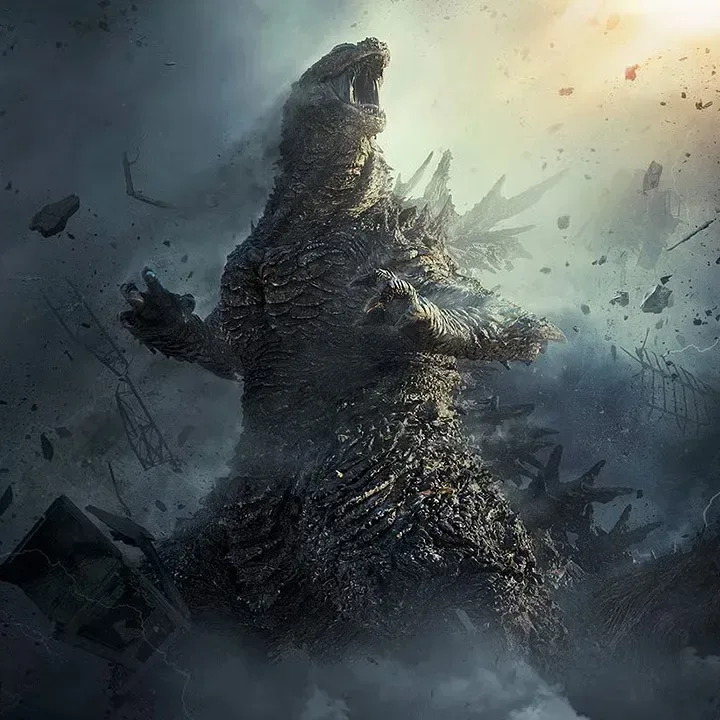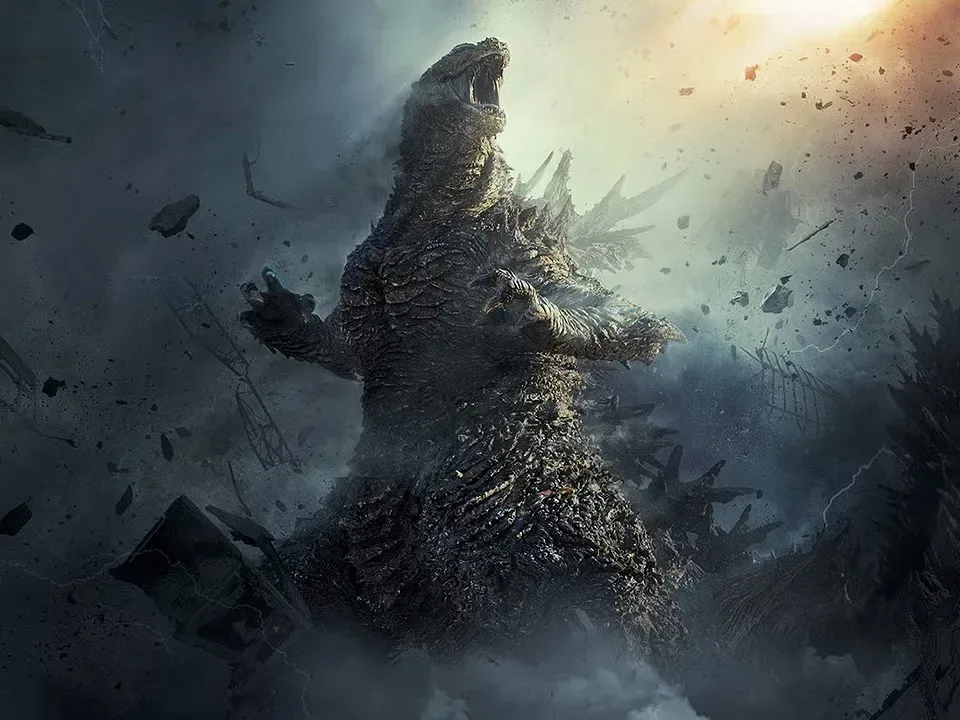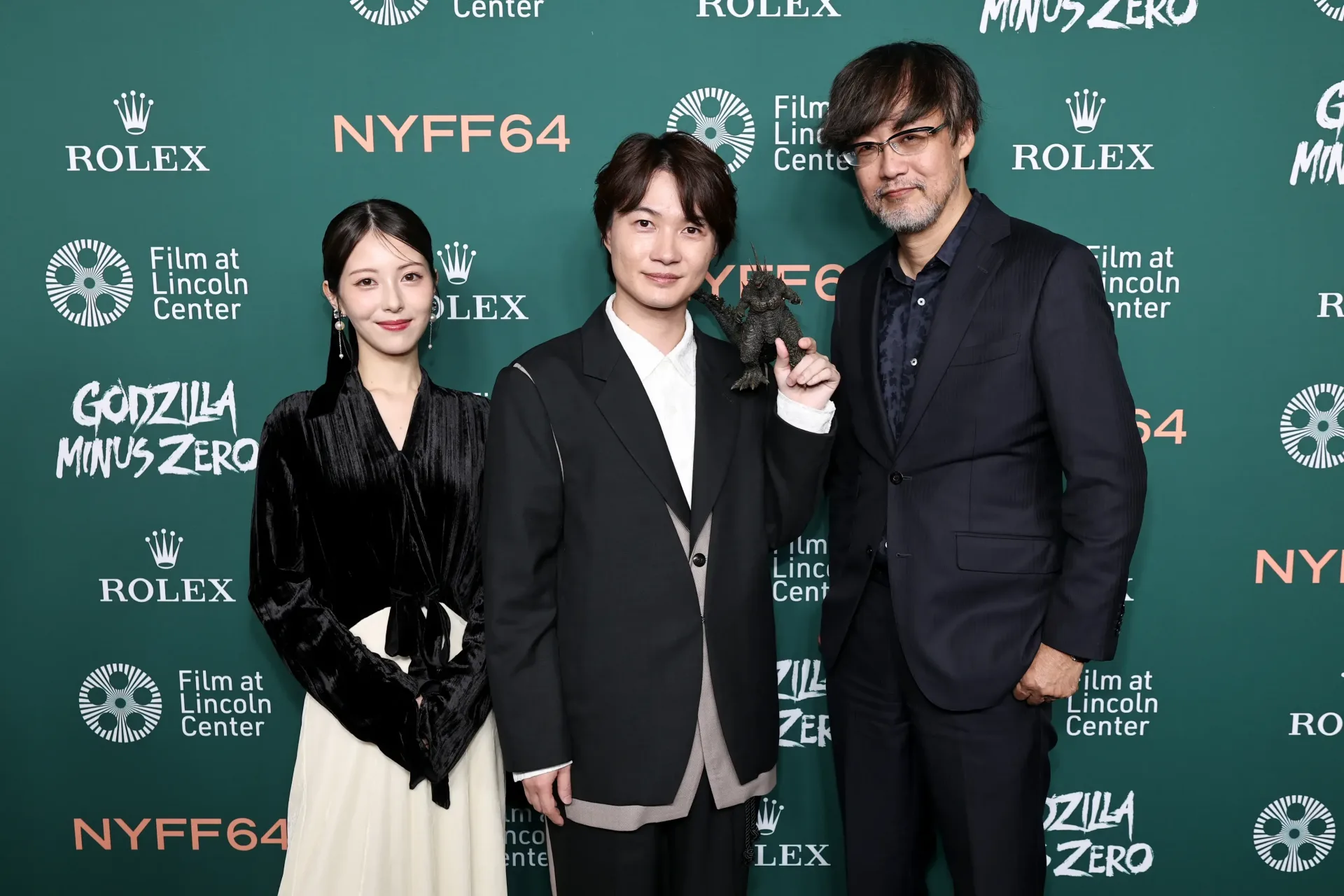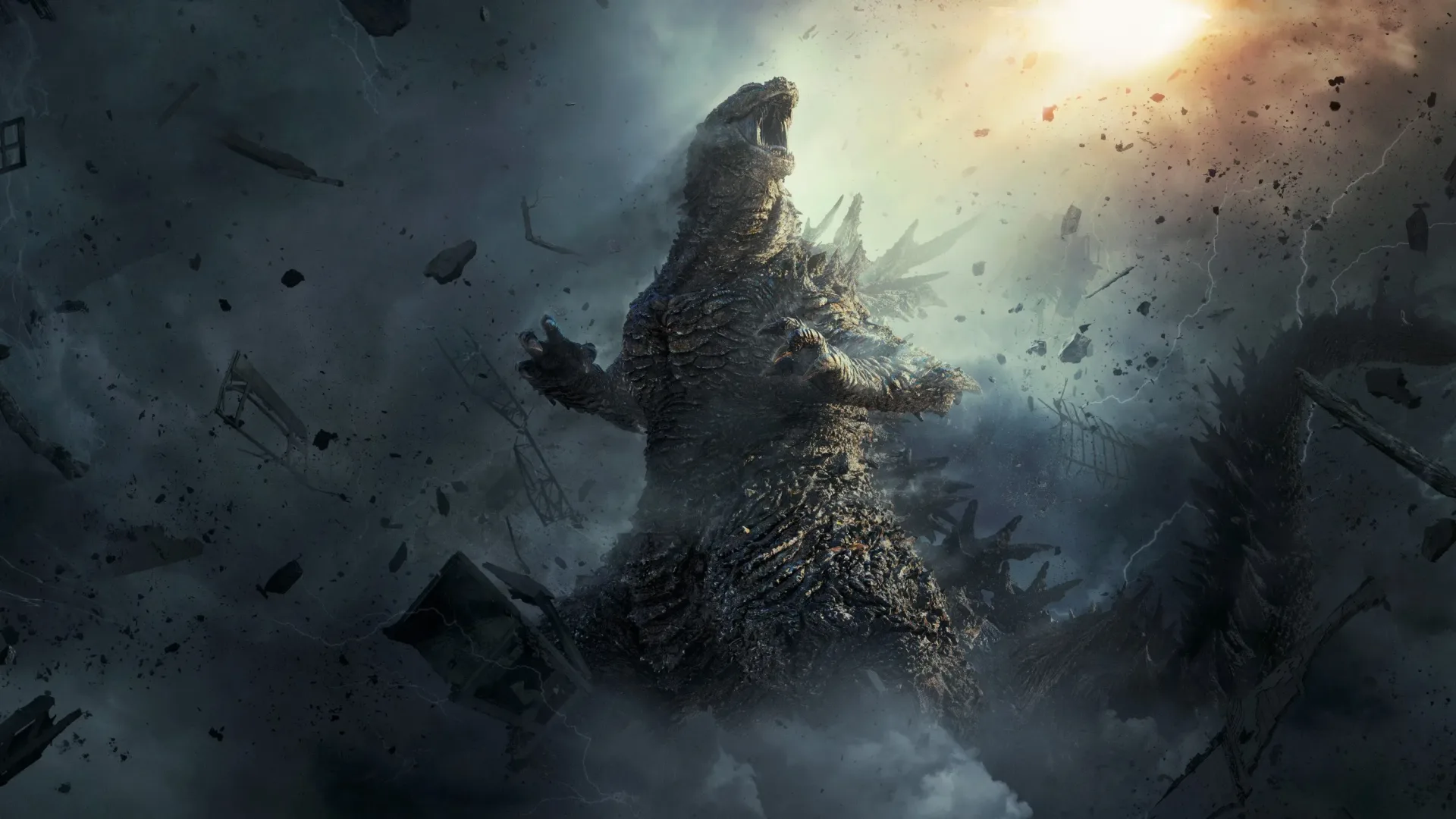
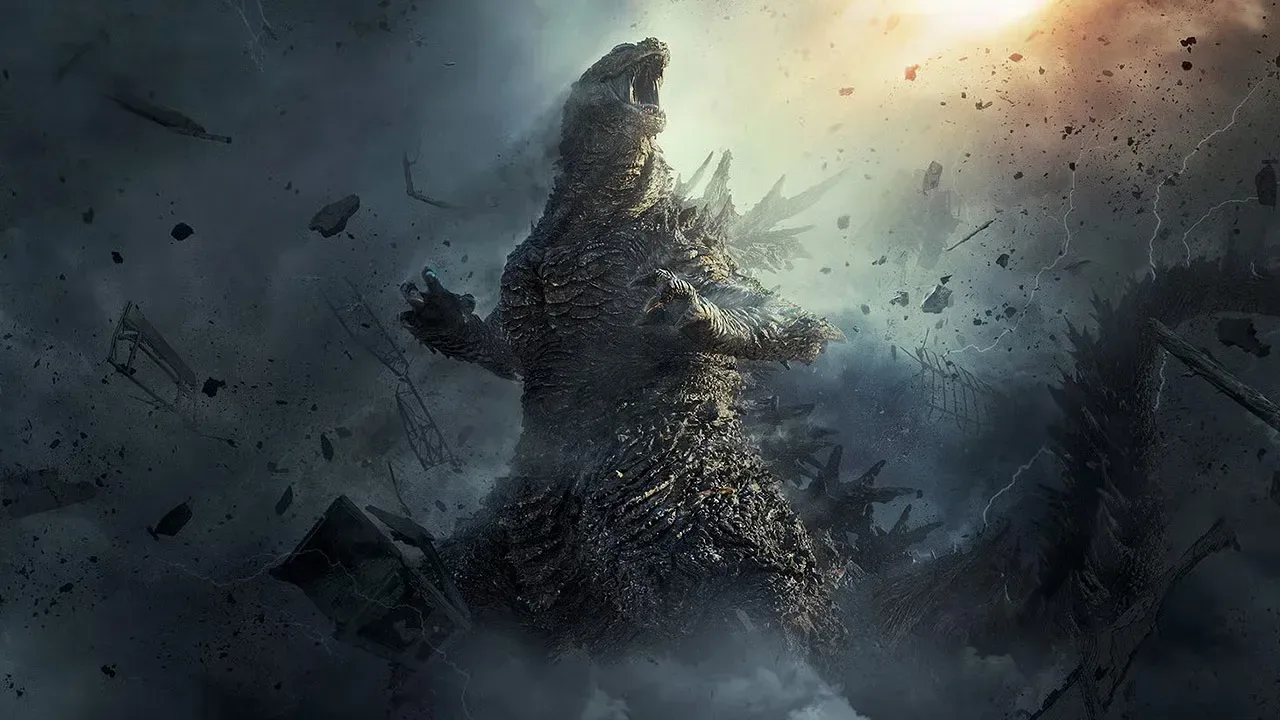
Godzilla Minus Zero may leave room for more, but writer-director Takashi Yamazaki is not committing to a third film just yet. Yamazaki has described his chances of returning for another Godzilla installment as “fifty-fifty,” placing a possible threequel firmly in the realm of possibility rather than certainty.
That ambiguity fits the creative position Yamazaki has outlined. He is happy with the ending of Godzilla Minus Zero, which is designed to allow audiences to decide how they interpret its implications. At the same time, he has said it would be sad if this proved to be his final Godzilla film, and that he would like to revisit the series and explore ways to broaden this particular world later in his career.
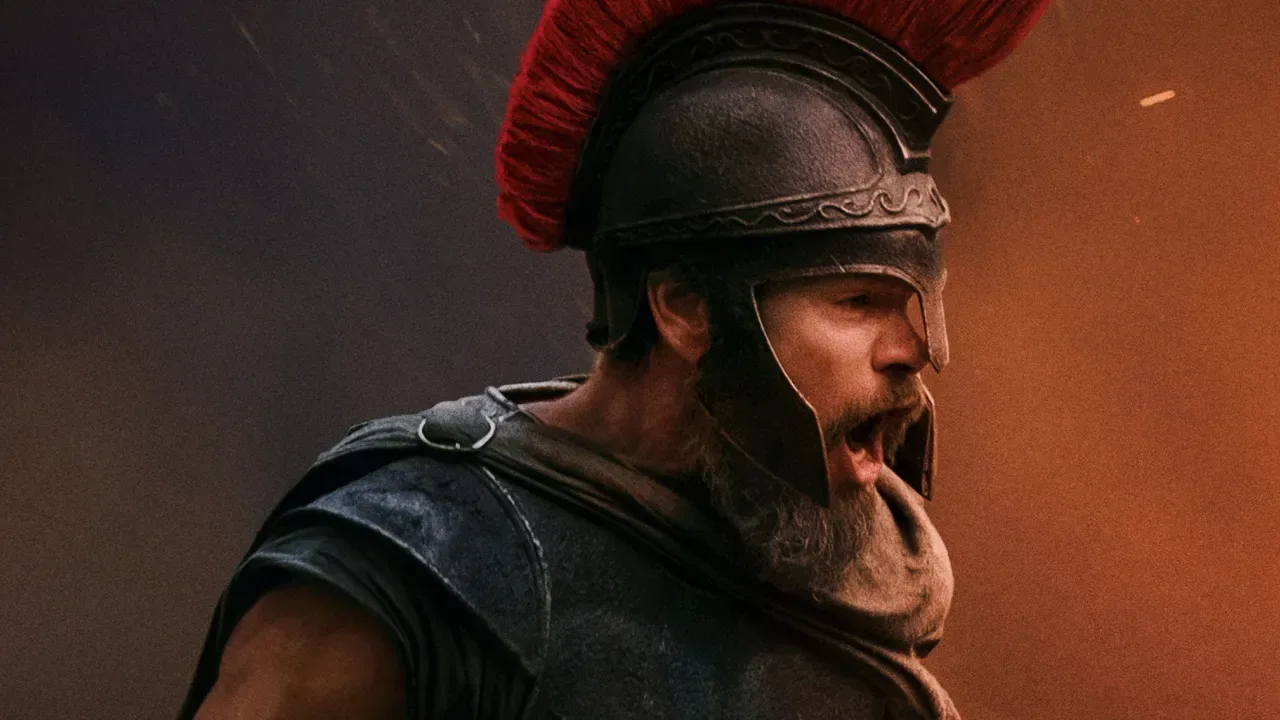
For now, the director has other projects on the runway. The clearest is Grandgear, a live-action science-fiction mecha feature that Yamazaki is writing and directing for Sony Pictures, with Bad Robot producing. It is his first English-language feature and first major Hollywood studio movie, and is currently scheduled for February 18, 2028.
A third film is an option, not a promise
The key detail in Yamazaki’s comments is the distinction between creative interest and a green light. He has expressed genuine affection for Godzilla and an interest in returning someday, but has not said a third film is in development, confirmed a story, or committed to directing one.
That matters especially because Godzilla Minus Zero is only now arriving in U.S. theaters. Any discussion of a follow-up beyond it is necessarily speculative. An ending can preserve space for another chapter without requiring one, and Yamazaki’s satisfaction with the existing conclusion suggests he does not view continuation as an obligation.
His approach also avoids a common sequel trap: treating escalation as the entire mission. Yamazaki has explained that, while writing Godzilla Minus Zero, he had to set aside the instinct to simply outdo what he achieved in Godzilla Minus One. In his view, trying to top every prior accomplishment can weaken the qualities that made the original work in the first place.
That is a useful framing for a potential third entry. Bigger destruction, more creatures, or a more elaborate scale are not automatically stronger storytelling. They may be appropriate if the story calls for them, but Yamazaki’s comments indicate that spectacle should serve the film rather than become its sole reason for existing.
Why Minus One sets a demanding benchmark
A return would inevitably arrive under the shadow of Godzilla Minus One, the 2023 film that became both a commercial success and an awards landmark. Made on a reported budget of roughly $10 million to $15 million, it used a visual-effects team of 35 people overseen by Yamazaki.
Related coverage includes Takashi Yamazaki Is Split on a Third Godzilla Film After Godzilla Minus Zero.
The film went on to win the Academy Award for Best Visual Effects. It was the first Japanese film to receive that honor, and its reported budget was the smallest among winners in that category in more than a decade. Those facts explain why simply attempting a larger repeat would be a narrow creative target. The achievement was not only about the volume of effects shots; it was also about the effectiveness of the finished work relative to its resources.
Visual effects, often shortened to VFX, refers to imagery created, altered, or combined through digital techniques. In a modern giant-monster film, that can encompass the monster itself, environmental destruction, water, smoke, debris, vehicles, and the integration of digital elements with live-action performances and locations. A comparatively lean team does not mean the work is simple. It means the production must be selective, organized, and precise about where its effort goes.
That background makes Yamazaki’s resistance to “one-upping” particularly understandable. Audiences may expect each new chapter to go louder and larger, but the director is signaling a different standard: preserve the elements that make the movie meaningful before deciding what, if anything, needs to be expanded.
Minus Zero raises the technical stakes in its own way
Godzilla Minus Zero is notable on its own terms. It is the first R-rated Godzilla film and the first Japanese film specifically shot for IMAX screens. Those are significant technical and tonal markers, even without knowing what a future follow-up might be.
An R rating is a U.S. classification that signals restricted material for younger viewers. It can shape expectations about intensity and subject matter, but it does not inherently tell viewers what form that content takes. Here, it marks a new ratings boundary for the Godzilla franchise.
IMAX is a premium large-format exhibition system associated with very large screens and specialized projection and sound presentation. A film shot specifically for IMAX is planned with that format in mind during production, rather than merely adapted for it later. That can affect framing, image composition, and how visual scale is presented. For more on how the format is being used in major theatrical releases, see this look at an upcoming IMAX return for Christopher Nolan’s The Odyssey.
For a Godzilla movie, the format’s practical appeal is easy to understand: enormous screens and high-impact sound can magnify the sense of scale around a colossal creature and collapsing cityscapes. But Yamazaki’s own comments remain a reminder that format is a tool, not a substitute for a reason to tell the story. A future film could inherit the large-scale technical ambition while still needing its own emotional and narrative purpose.
Grandgear is the director’s next major detour
Before any hypothetical return to Godzilla, Yamazaki’s attention is set to move toward Grandgear. The film stars Sam Nivola, Nico Parker, and Paul Giamatti. It is a live-action sci-fi mecha movie, a genre Yamazaki has said he has long wanted to tackle.
Mecha is a term commonly used for stories centered on large mechanical robots or powered machines, often piloted by people. It is related to kaiju storytelling in its emphasis on immense scale and action, but the two concepts are different. A kaiju is a giant monster; Godzilla is the defining example. Mecha stories are generally built around machinery, human operators, and the relationship between people and technology.
The move makes sense as a creative change of pace. It allows Yamazaki to work with large-scale science-fiction imagery in a new framework while stepping into English-language filmmaking and a Hollywood studio production. None of that closes the door on a future Godzilla movie, but it does make clear that the director has a broader slate than one franchise.
What a third Godzilla film would need to solve
The immediate issue is not whether a third movie could contain more monster mayhem. Godzilla has never lacked for destructive potential. The more interesting question is whether there is a new idea strong enough to justify returning after an ending that Yamazaki already considers satisfying.
There is also a playful naming puzzle. The series has moved from Minus One to Minus Zero, so a further installment would have to decide whether to continue that numerical language, break from it, or find a new variation altogether. That is branding rather than story, but it illustrates how distinctive the current films’ identity has become.
A third entry, if it happens, would also need to balance continuity with accessibility. A continuation can reward viewers who followed the earlier films while still presenting a clear dramatic starting point for newcomers. The supplied details do not establish what form any future story would take, whether it would introduce another kaiju, or whether it would directly continue the same characters and events. Those are open questions, not confirmed plans.
For audiences, the practical takeaway is simple: Godzilla Minus Zero should be approached as a film with an ending Yamazaki considers complete enough to stand on its own. Its apparent room for interpretation is not a contractual promise of another chapter. Yet Yamazaki’s “fifty-fifty” answer leaves a meaningful door open. If the right idea arrives after Grandgear and his other planned work, the director clearly has not said goodbye to Godzilla forever.