
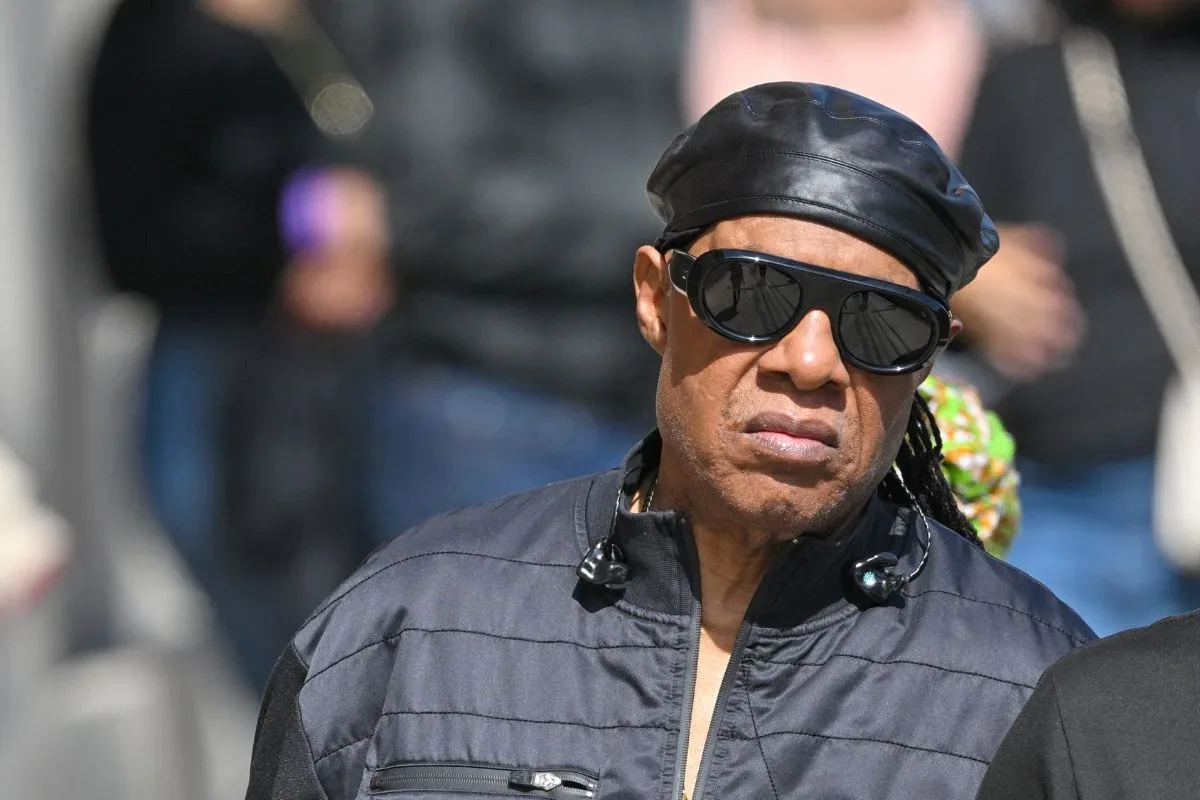
Stevie Wonder’s two scheduled Detroit homecoming concerts have been canceled, leaving buyers of the sold-out Fox Theatre dates awaiting refunds and, potentially, news of a reworked local stop.
The shows, set for December 8 and 9, were part of Wonder’s Songs in the Key of Life 50th-anniversary tour. Both dates sold out after going on sale in September, but ticket holders were notified Monday evening that the events would not proceed as planned.
The stated reason is “production restrictions.” That phrase does not specify a single problem, and no replacement date has been announced. However, the notice to ticket buyers indicated that a different Detroit venue is being considered, with existing purchasers expected to receive first access if a rescheduled event is confirmed.
What Detroit ticket holders know right now
At present, the two Fox Theatre performances are cancellations, not formal postponements. That distinction matters: a postponement normally preserves the existing ticket for a newly assigned date, while a cancellation ends the original event and triggers a refund process.
Ticketmaster’s listing for the December 8 event says the organizer has canceled the concert. Its customer notice says refunds will be issued automatically to the payment method originally used to make the purchase once the event organizer provides the money for refunds. The estimated processing period is 14 to 21 days.
For ticket holders, the practical message is straightforward: there is no action identified as necessary to begin a standard refund. Buyers should nevertheless keep their purchase confirmation, review the payment account used for the order, and watch the email address tied to the ticketing account for a refund confirmation or further Detroit-event details.
Transferred tickets have an important limitation
The refund policy is especially important for anyone attending with a transferred ticket. The refund will go to the original Ticketmaster purchaser, not to the person who received the transfer. In other words, a recipient who did not make the original transaction should coordinate with the buyer who did.
That is a common source of confusion in ticket cancellations because the person carrying the ticket into the venue may not be the person whose card was charged. Here, the ticket platform’s position is explicit: refund ownership follows the original payment transaction.
- Original purchaser: The refund is expected to return automatically to the payment method used for the order.
- Recipient of a transferred ticket: The refund is directed to the original buyer, rather than the recipient.
- Potential replacement event: No date or location has been confirmed, but current ticket holders were told they may receive first access.
Why “production restrictions” may point to a venue change
“Production restrictions” is broad live-event language. It can refer to limitations involving how a show is built, moved, installed or presented inside a specific room. The available information does not identify the exact restriction affecting the Fox Theatre dates, so it would be premature to pin the cancellation on any particular staging, staffing, scheduling or technical issue.
What is clear is that the expected scale of the touring production was referenced in communications about the canceled dates, alongside the prospect of another Detroit venue announcement. That combination suggests the current problem is connected to fitting this particular production into the planned engagement rather than the Detroit appearance simply disappearing without a possible alternative.
A venue change, though, is not the same thing as a confirmed make-good show. Fans should treat the possibility as a plan still in development until organizers name both a building and a date. It also means that a refund is not necessarily evidence that a Detroit return is off the table; it is the required resolution for the canceled Fox Theatre ticket order as it stands.
Why the dates carried added weight
The tour marks 50 years of Songs in the Key of Life, the album released in 1976, with Wonder performing the record in full. An album-performance tour is more structured than a typical set assembled from a large catalog: the presentation is built around one defined work and its intended sequence. That makes the production itself a central part of what audiences bought tickets to see, not merely a backdrop to a greatest-hits concert.
The Detroit dates also had homecoming significance. Their sellout status underscores the demand for the performances and explains why first access for current holders could be meaningful if a replacement is arranged. It would give people displaced by the Fox Theatre cancellation an early opportunity before any wider sale, though the specific terms of such access have not been announced.
Wonder’s next listed U.S. tour date is at Madison Square Garden on November 19. The cancellation of the Detroit performances, therefore, should not be read as a statement that the anniversary run has been canceled wholesale. The information available concerns the two December Detroit engagements and the production constraints around them.
What buyers should avoid assuming
There are two tempting but unsupported assumptions in a situation like this. The first is that a new Detroit show is guaranteed. It is not yet guaranteed because no replacement venue or date has been identified. The second is that a new event will automatically honor the old Fox Theatre tickets. The notices instead establish a refund process while suggesting priority access for existing holders.
Priority access is not the same as a ticket transfer. It generally means current purchasers could get an earlier chance to buy into a newly announced event. Until organizers publish the terms, buyers should not presume their original seats, ticket quantities or prices will carry forward.
It is also sensible to distinguish an automatic refund from its arrival in a bank or card account. The stated 14-to-21-day window follows the organizer supplying the refund funds, so the time a charge appears may depend on that process and the payment method. Keeping the original order record available will make it easier to compare the returned amount once processing begins.
A live-music calendar can change quickly
Touring plans can be affected by the practical demands of presenting a large-scale show in a specific venue, even after dates have sold out. Wonder has encountered concert-planning changes before, including the cancellation of a planned four-night House Full of Toys benefit after he said there was not enough time to prepare.
For Detroit fans, the immediate result is less satisfying than a rescheduled date: the Fox Theatre events are off, money is slated to return to original purchasers, and details of a potential replacement remain pending. But the reference to another venue means the city may yet receive an anniversary-tour stop in a form that better accommodates the production.
Anyone building a broader concert calendar can also keep an eye on other future live-music plans, including Blink-182 and Pierce the Veil’s announced When We Were Young 2027 appearance. In Wonder’s case, however, the information that matters most remains more immediate: wait for the automatic refund, and watch for official details on whether Detroit receives a replacement show.