Starz programming is available on Verizon Fios again after the companies reached a new carriage agreement, ending an interruption that began in late September. Starz said its networks and on-demand services have returned to the Fios platform.
For Fios customers, the immediate practical outcome is straightforward: Starz’s linear channels and its on-demand library are once again part of the provider’s lineup. That restores a distribution route for viewers who access Starz through their television package rather than solely through a standalone or bundled streaming option.
The restored lineup includes access to the service behind series and franchises such as Outlander, Fightland, and Power, alongside films including Michael, Shelter, In The Grey, and Power Ballad. The agreement arrives as Starz continues to emphasize streaming while still operating across multiple ways of reaching audiences.
What a carriage agreement means
A carriage agreement is the business contract that lets a television provider carry a programmer’s channels and related services. In this case, Verizon Fios is the distributor and Starz is the programmer. Such arrangements can cover matters including the right to distribute channels, on-demand programming, and the commercial terms of the relationship.
When negotiations do not produce a deal before an existing arrangement expires, a channel can be removed from a provider’s lineup. That is commonly called a carriage dispute or blackout. It does not necessarily mean a show, movie, or streaming service has ceased to exist; it means that one particular route for receiving that programming is temporarily unavailable.
That distinction matters in an increasingly fragmented viewing market. A viewer may encounter the same entertainment brand through a cable or fiber package, an on-demand menu, a dedicated streaming product, or a third-party bundle. The return of Starz to Fios resolves the disruption for customers using Verizon’s service, while Starz’s wider streaming operation remains a separate part of its business.
Channels and on-demand programming return together
The restoration covers both Starz networks and on-demand services. Linear networks are scheduled channels: viewers tune in at the time a program is aired. On-demand access, by contrast, allows eligible customers to select available titles from a catalog and watch them when they choose.
Putting both back into the Fios offering is more meaningful than the return of a single channel alone. A fan following a series through scheduled broadcasts has one viewing path restored, while a customer catching up on episodes or choosing a film from the available catalog has another. The precise selection of titles can change over time, but the key point is that the wider Starz television-and-on-demand presence is back on the service.
Related coverage includes Starz Returns to Verizon Fios After Carriage Deal.
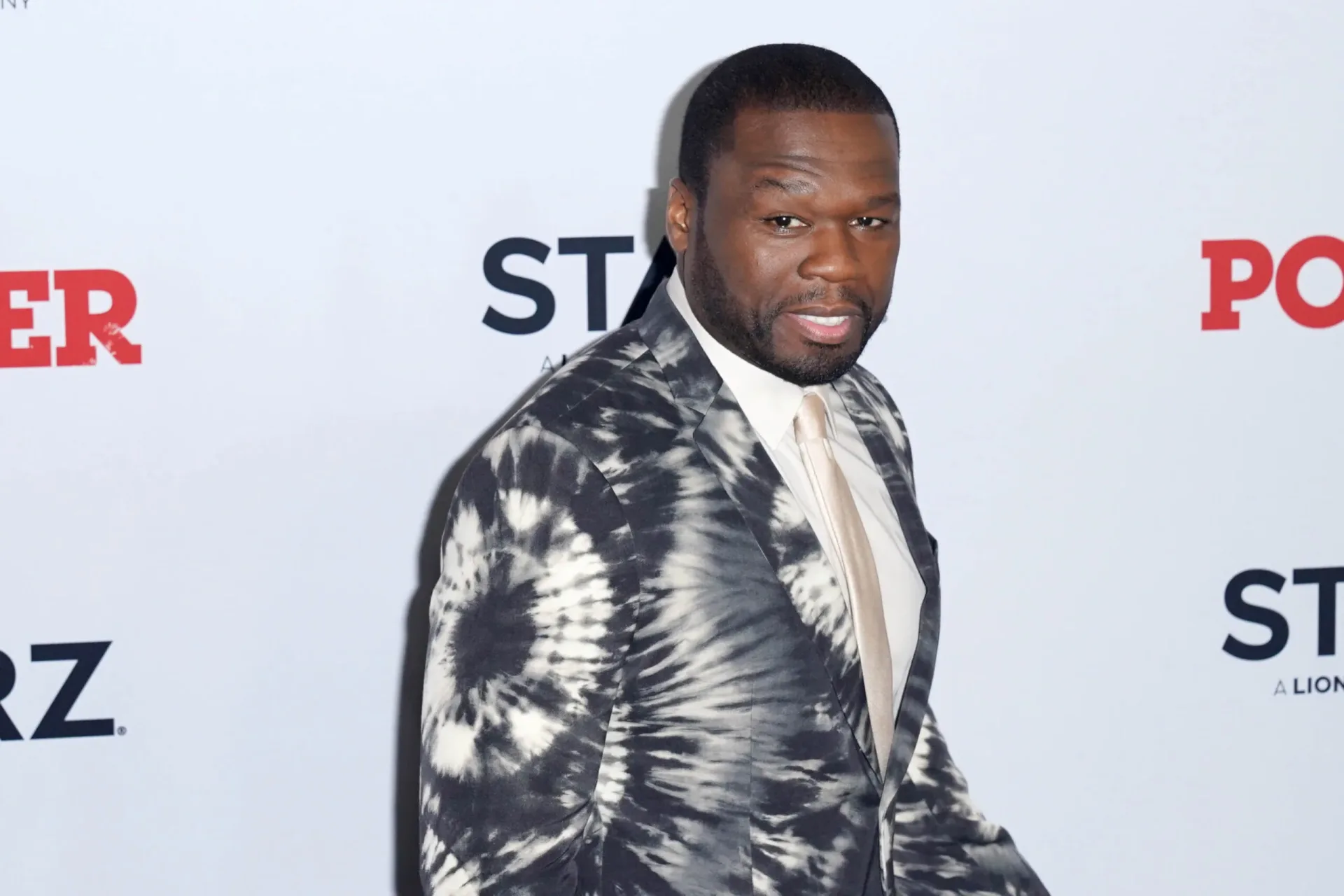
Starz Networks president Alison Hoffman described the deal as mutually beneficial and said the company remains focused on distinctive storytelling for women and underrepresented audiences. The statement frames the Fios return as part of the company’s broader effort to serve viewers who value that programming identity.
A distribution deal in a streaming-focused business
Starz has been moving more of its business toward streaming, but its latest reported figures illustrate why conventional distribution agreements still carry weight. The company ended the October-to-December period with 12.7 million U.S. streaming subscribers, an increase of 370,000 from the prior period. Across all platforms, Starz reported 17.6 million subscribers.
Those figures show that streaming represents a substantial part of Starz’s audience, while also showing that the company operates beyond streaming alone. The difference between the U.S. streaming count and the all-platform total underlines the importance of a mixed distribution model: viewers reach the brand through more than one type of service.
Fios is therefore not simply a legacy route sitting apart from Starz’s online ambitions. It is one platform within a wider audience strategy. Restoring it means Starz regains access to customers who use their Verizon package for premium entertainment, including its live-channel and on-demand components.
That overlap between TV distribution and streaming is also relevant to how audiences discover series. A subscriber might encounter a program while browsing a channel guide, hear about it through a franchise such as Power, then use on-demand access to start from an earlier episode. Another viewer might approach the same brand through streaming first. The commercial arrangements behind each path may differ, but the audience relationship is tied to the same programming library and brand.
Why interruptions can matter to viewers
A blackout can be disruptive even when it is relatively brief. Viewers may be in the middle of a season, expecting a particular premiere, or simply accustomed to using a provider’s on-demand menu. The return of the channels removes the immediate need for affected Fios customers to change their viewing routine because of the negotiation.
It can also affect the visibility of a service’s programming. Premium networks compete not only for subscriptions but for attention, and consistent placement inside a provider’s guide and on-demand interface can help people find what they want to watch. In that sense, carriage agreements concern both access and discoverability.
For customers who were following a show, the useful takeaway is that the Fios interruption has ended. Starz said all of its networks and on-demand services are back. Customers looking for a particular series or film should still check their own Fios guide or on-demand catalog, since programming availability and menu placement can vary as catalogs are updated.
Financial context ahead of quarterly results
The agreement comes shortly before Starz is expected to report third-quarter results on Thursday, October 29. In its most recent fiscal quarter, the company reported revenue of $307.9 million, compared with $317.9 million in the previous comparison period.
Revenue is the total money a company brings in through its operations before expenses are subtracted. A lower revenue figure does not, by itself, explain every aspect of the business or determine the success of a particular distribution agreement. It does provide context for why maintaining multiple ways to reach paying audiences remains important, particularly while a media company is balancing streaming growth with established television relationships.
Starz shares rose 13 cents, or 0.57%, to $22.93 in earlier trading on the day the service’s Fios return was reported. That market movement is only a snapshot, not a verdict on the long-term significance of the deal. The more concrete development for subscribers is the restoration of access after the late-September removal.
What this means for the wider TV landscape
The Starz-Verizon resolution is a reminder that streaming has changed television distribution without eliminating the role of providers. Viewers often treat a service as a single destination, but access can depend on a chain of separate relationships: the company that makes or licenses programming, the brand that curates it, and the provider that delivers it to a household.
When one link in that chain is interrupted, customers notice quickly. When it is restored, the viewing experience becomes less complicated again—especially for people who prefer keeping premium entertainment within one provider interface. The return also gives Starz another direct point of contact with television customers as it builds its streaming subscriber base.
The broader competition for attention remains intense. Recent television audience results, including the strong first-week reach reported for the season-three finale of Lioness, demonstrate how individual series can still become major focal points in a crowded market. For a premium brand with established franchises and a sizeable streaming footprint, being broadly accessible wherever customers expect to find it is a practical advantage.
No specific financial terms of the new Starz-Verizon agreement were disclosed. What is clear is the result: the late-September Fios blackout is over, and Starz’s channels and on-demand services have resumed for Verizon Fios customers.