Starz and Verizon Fios are approaching a carriage-agreement deadline that could remove the premium network’s programming from the provider’s lineup. The current distribution deal is set to expire at midnight ET, and Starz has warned that a replacement agreement needs to arrive imminently to prevent an interruption.
For Verizon Fios customers, the possible impact extends beyond a conventional channel blackout. Starz says the dispute could affect its linear channels, Starz On Demand and access to the Starz app through Fios. Verizon, meanwhile, says Starz remains available at present and describes negotiations as ongoing.
What is being negotiated?
This is a distribution agreement dispute: the kind of contract that determines whether a TV provider can carry a programmer’s channels and related services. In simple terms, Starz supplies programming and Verizon distributes it to Fios subscribers. The new agreement must settle the terms under which that relationship continues.
Neither side has disclosed the specific financial terms under discussion. But their public statements establish the central divide. Starz says it has negotiated in good faith and argues that removing the network would reduce viewer choice. Verizon says it is trying to avoid what it characterizes as unjustified price increases that would raise customers’ monthly bills.
That disagreement is familiar territory in pay-TV negotiations, but it matters especially when the existing agreement is close to expiring. A blackout is not a guaranteed outcome simply because a deadline is public; talks can continue, and an agreement could still be reached. At the same time, the warning means viewers should treat uninterrupted access as uncertain until the companies confirm a deal.
What each company is saying
Alison Hoffman, president of Starz Networks, said the company has been working toward an agreement intended to preserve uninterrupted access for shared customers. She also positioned Starz as an independent programmer focused on women and underrepresented audiences, arguing that its availability contributes to a more competitive set of viewing options.
Verizon pushed back on the public warning itself, saying that it remained in constructive discussions and that publicly raising the possibility of a channel removal was an unnecessary pressure tactic. The company said its goal is to retain a broad and diverse lineup while protecting subscribers from higher bills.
Starz says an agreement is needed imminently to avoid a removal; Verizon says Starz is fully accessible today while discussions continue.
The important practical distinction is that these are competing negotiating positions, not confirmation that service has already changed. Starz is asking viewers to prepare for a potential removal, while Verizon is telling subscribers that the service remains available at the time of its statement.
Why the Starz app is part of the warning
Starz’s notice includes the Starz app alongside channels and on-demand programming. That is a useful reminder that app access can depend on how a customer receives and authenticates a service. A subscription through a TV provider may be tied to that provider’s carriage arrangement, rather than functioning exactly like a separately purchased direct subscription.
The available information does not spell out the precise account scenarios that could be affected, so subscribers should not assume that every way of accessing Starz would behave identically. The narrow point established by Starz’s warning is that access to the app through Verizon Fios is among the services at risk if negotiations fail.
That overlap between traditional TV distribution and streaming rights is increasingly important. Starz has been shifting more of its business toward streaming, reporting 12.7 million U.S. streaming subscribers at the close of the October-to-December quarter. That was an increase of 370,000 from the prior quarter. Across platforms, Starz reported 17.6 million subscribers.
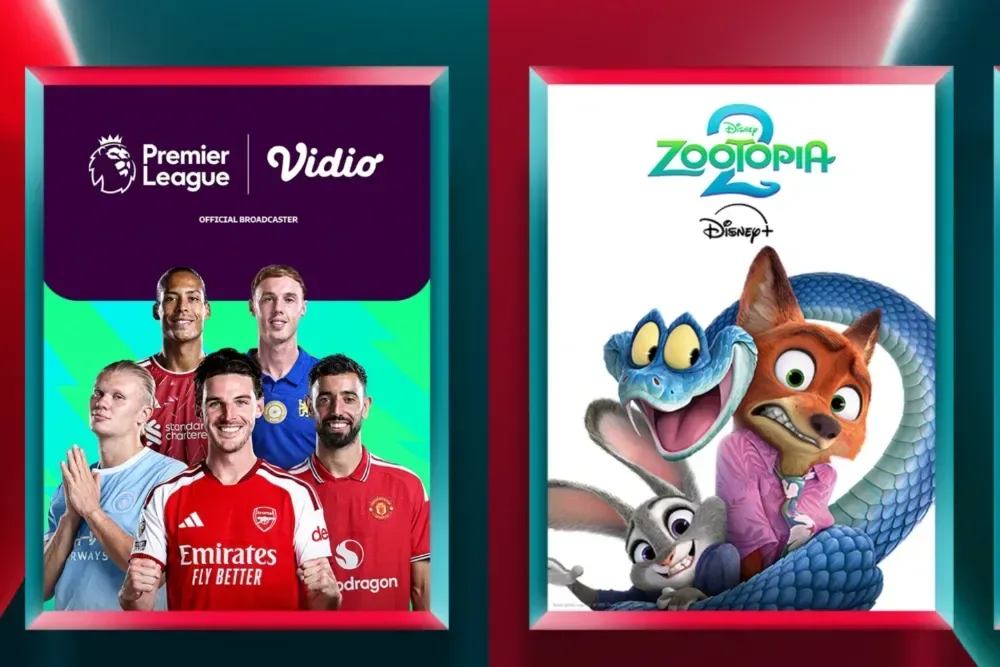
Those figures help explain why a carriage dispute is not merely about a channel number in a guide. Premium entertainment services now operate across live channels, on-demand catalogs and authenticated apps, with the customer experience shaped by the particular subscription relationship. Similar questions about how bundles and streaming access fit together are also appearing elsewhere in entertainment, including the Disney+ and Vidio bundle in Indonesia.
What Fios subscribers can do now
With the deadline approaching, the most useful move is to separate confirmed information from assumptions. Verizon says Starz is currently accessible. Starz says a disruption could occur absent a fast agreement. Neither statement provides a confirmed resolution or a detailed timetable beyond the existing deal’s midnight ET expiration.
- Check the affected services: If you use Starz through Fios, verify both the linear channel and any provider-linked on-demand or app access you rely on.
- Watch for direct account notices: Updates from the provider or programmer may clarify whether access changes after the deadline.
- Review how you subscribe: A Fios-linked Starz entitlement and a separate subscription are not necessarily the same arrangement.
- Avoid treating either party’s rhetoric as a final outcome: The companies are still describing the talks as active, even as they disagree sharply over the negotiation.
The bigger tension: programming choice versus monthly cost
Both companies are appealing to consumer interests, but from different directions. Starz’s argument is built around access and competition: keeping an independent premium service available gives audiences more programming alternatives. Verizon’s argument centers on affordability: accepting higher distribution rates, it says, would place added cost on households.
Those claims are not automatically compatible. A distributor that agrees to a programmer’s requested terms may preserve the service but face higher costs. A distributor that resists those terms may claim to be defending subscribers’ bills, but could also put desired programming at risk. The audience is caught between those priorities because it experiences both outcomes directly: the monthly charge and the range of content available within it.
Starz’s subscriber totals add another layer. The company’s 12.7 million U.S. streaming subscribers show that it has a substantial direct relationship with viewers beyond conventional TV packages. Yet its 17.6 million total across platforms also indicates that distribution partnerships remain meaningful. A dispute involving Fios therefore lands during a broader transition in which premium brands are expanding streaming while continuing to depend on established TV-provider arrangements.
What remains unknown
There is no announced final agreement, no disclosed rate proposal and no confirmation that a blackout will take place. It is also unknown how long any interruption would last if the deadline passes without a deal. The only clear near-term marker is the expiration of the current agreement at midnight ET.
For now, the situation is best understood as a live carriage negotiation with a genuine risk of disruption, not a completed removal. Starz is preparing viewers for the possibility that its channels, on-demand catalog and Fios-linked app access could disappear. Verizon says it is still negotiating and that Starz remains available. Whether customers see any difference after the deadline depends on what happens at the bargaining table before then.