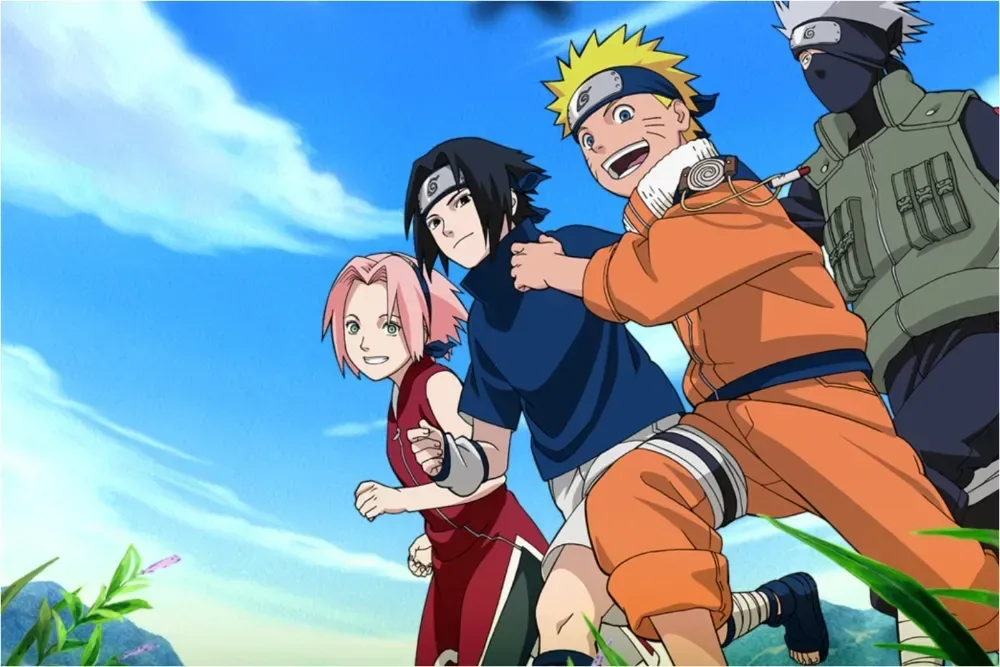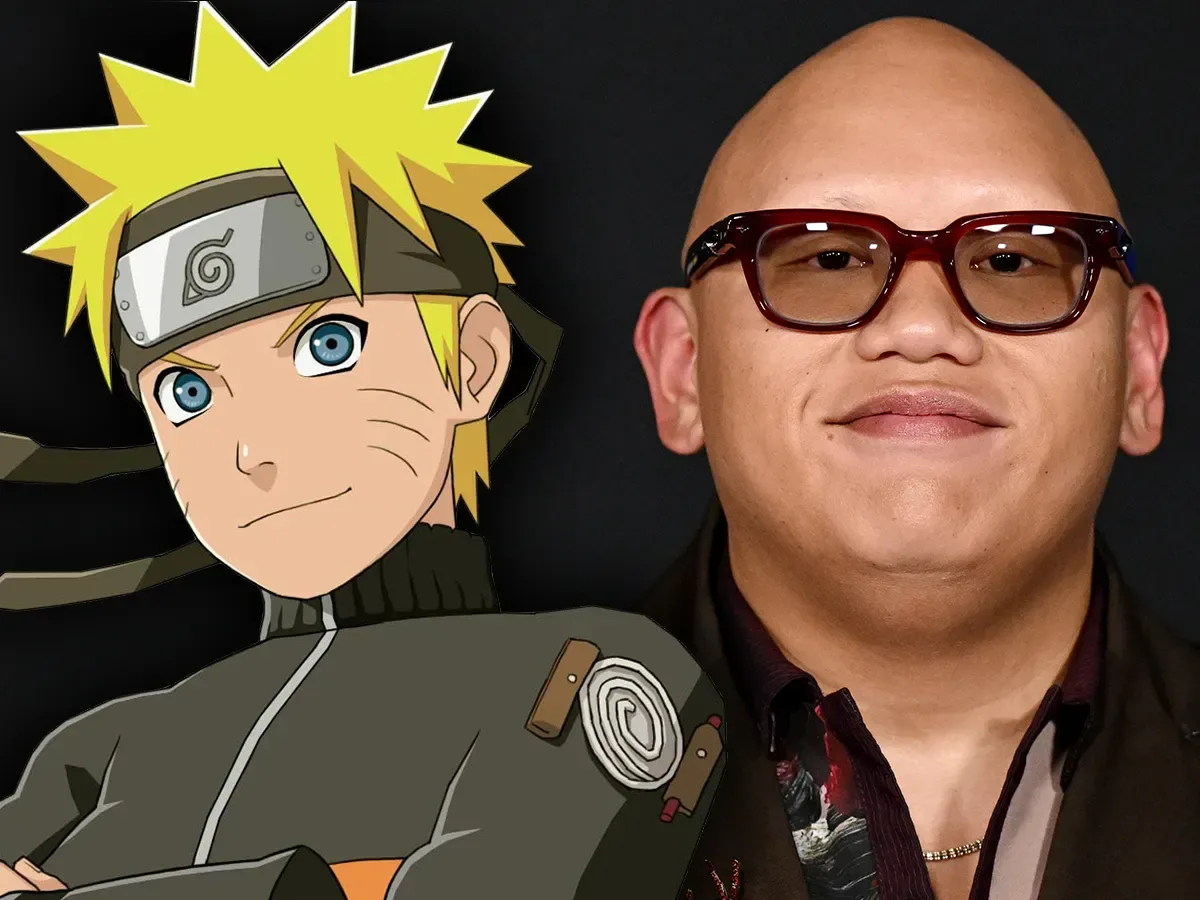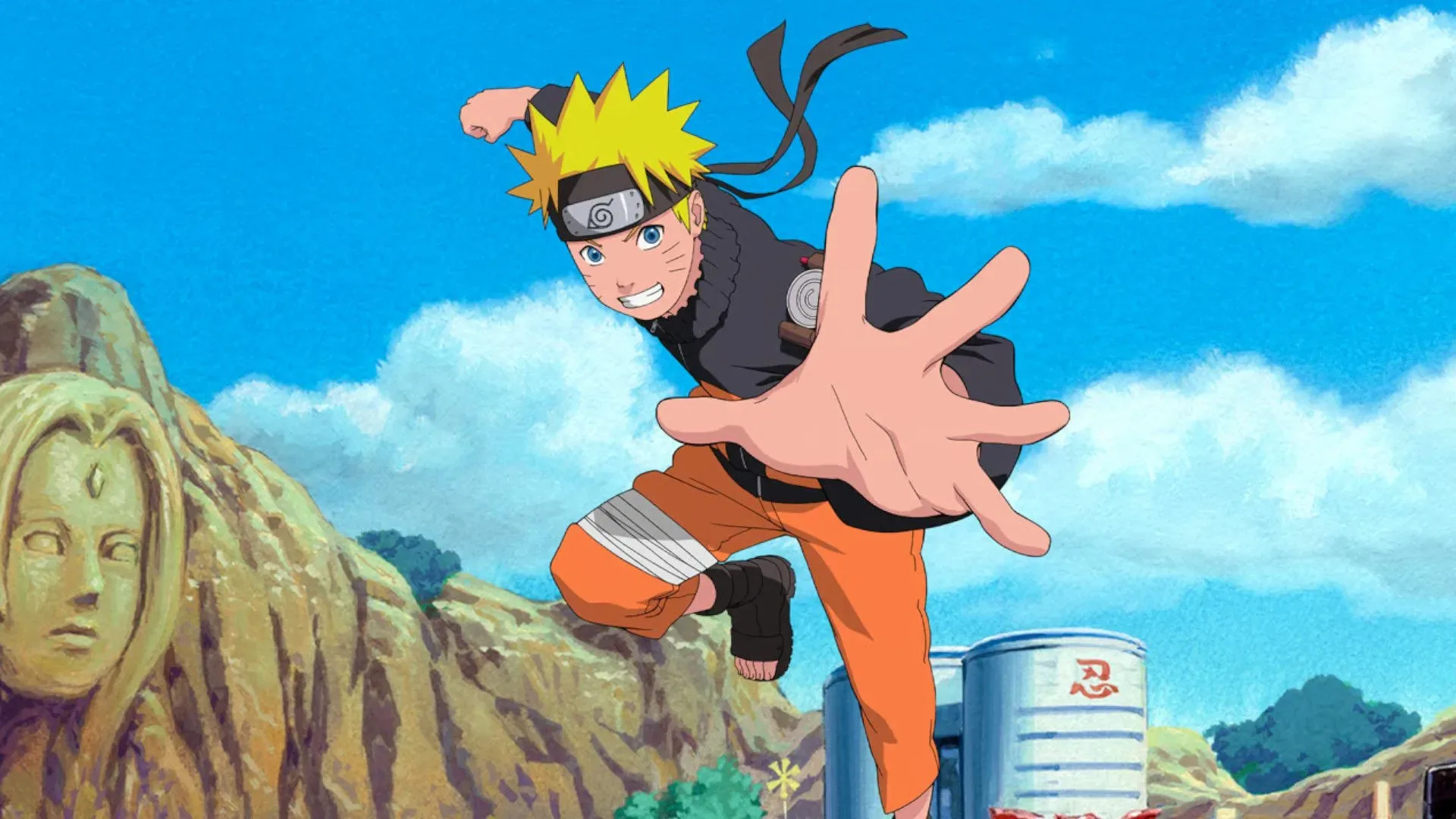
A live-action Naruto film is moving closer to cameras. Sony Pictures and Lionsgate are partnering on director Destin Daniel Cretton’s adaptation, with a spring 2027 production start currently targeted.
The split is clear: Lionsgate will handle production and domestic distribution, while Sony Pictures will manage international distribution. The project has also been greenlit, making this more substantive than an early development attachment. It does not, however, mean the movie is cast, filming, or dated for release. No release date has been confirmed, and no performers have been officially announced.
For fans of Masashi Kishimoto’s ninja saga, that distinction matters. A production-start target is an important step, but it is still a future milestone rather than proof of a finished creative plan. The most immediate questions—who will portray Naruto, Kakashi, and the rest of the central ensemble; which portion of the story will be adapted; and what the film’s visual language will look like—remain unanswered.
What the Sony and Lionsgate partnership means
The arrangement gives the film two major companies with different stated responsibilities. Production covers the process of developing and physically making the movie, from assembling its creative team to the shoot itself. Distribution is the work of bringing the finished film to audiences. In this case, Lionsgate’s domestic role concerns the home market, while Sony Pictures will take the movie to international markets.
For more context, explore iPad mini 8’s OLED Screen Is a Real Upgrade, but 60Hz Still Leaves a Gaming and Pencil Question.
That division potentially gives Naruto an organized route beyond a single territory. It also reflects Sony’s existing connection to anime and manga through Crunchyroll, which Sony owns. The companies have specifically pointed to that experience as a reason Sony fits this particular project.
There is still a great deal that this announcement does not establish. It does not identify a format beyond live action, confirm whether the movie will begin a broader series, reveal a budget, or explain whether characters and events will be drawn from one specific stretch of the original story. Those are all separate creative and business decisions, and none should be assumed from the distribution partnership alone.
Destin Daniel Cretton’s stated priority: heart alongside action
Cretton has framed his interest in Naruto around more than its combat. He described the material as a story with “heart, humor, and humanity” beneath its extraordinary action, and praised the world’s unlikely heroes doing extraordinary things. That is a useful statement of intent for a property whose appeal depends on character relationships as much as spectacle.
Live action changes the balance of how action, comedy, emotion, and fantasy are delivered. A manga or animated series can move between exaggerated humor and intense action with a flexibility that is not automatically reproduced by actors, sets, costumes, and effects. Cretton’s remarks indicate that the adaptation is not being presented simply as an effects showcase. The stated goal is to retain the emotional qualities that supporters associate with the series while also welcoming audiences who do not already know it.
That goal will put particular weight on adaptation choices. A feature film has a limited running time compared with a long-form serialized story, so it must decide what deserves room: the lead character’s personal drive, team dynamics, rivalries, mentor relationships, world-building, or individual fights. This is analysis rather than a confirmed outline, but it illustrates why casting and story details will matter so much when they arrive. A recognizable costume or action technique can signal visual fidelity; it cannot by itself demonstrate whether the film has found the characters’ emotional center.
Casting is the next major unanswered question
No cast has been confirmed. Charles Melton was reportedly in talks in August to play Kakashi, but that report is not an official casting announcement and should not be treated as one. Until the companies or filmmakers identify the cast, every major role remains open.
The casting process will be especially closely watched because Naruto is fundamentally an ensemble story. Even if the title character is the point of entry, the credibility of the world depends on the people around him: peers, teachers, rivals, and antagonists. The movie’s eventual casting announcements will therefore tell audiences much more than a list of names. They may offer the first concrete clue about which relationships and era of the story the production considers essential.
A spring 2027 target also means there is time for confirmed information to emerge gradually. It is reasonable to expect that casting will attract attention in the period before filming, but expectations should stay tethered to what has actually been made public. A reported discussion is not a signed deal, and fan casting is not production news.
The director’s recent blockbuster experience
Cretton’s recent work gives the project a notable commercial backdrop. He directed Spider-Man: Brand New Day, which is reported to have earned more than $2.5 billion and become the third-highest-grossing film in history. He also directed Marvel’s Shang-Chi and the Legend of the Ten Rings.
Those credits do not guarantee a particular approach to Naruto, and they do not answer the adaptation questions still on the table. They do, however, help explain why a large-scale, action-focused property is being placed with him. The coming film will need to present heightened abilities and kinetic confrontations while keeping viewers connected to the people using them. Cretton’s public comments suggest he sees those elements as connected rather than competing priorities.
For an adaptation of this scale, the director’s task also extends beyond recreating individual moments that audiences know. A live-action film must establish rules and stakes clearly enough that a new viewer can follow them, while avoiding the feeling that existing fans are being asked to accept a merely generic fantasy-action setting. Nothing has yet been revealed about how this production will solve that challenge. The key point is that the project has a director who is emphasizing character as part of its identity, not only the size of its action.
Why the live-action label will bring scrutiny
Live-action anime adaptations carry a difficult reputation, and the 2009 film Dragonball Evolution is frequently raised as a negative example. That history will make audiences attentive to every future reveal around Naruto, from the first cast photo to the first trailer. It also means that broad promises of fidelity will likely matter less than clear evidence of tone, characterization, and a coherent visual world.
At the same time, the current project should be assessed on its own confirmed information. The evidence available now supports several concrete points: Lionsgate has greenlit the movie and will produce and distribute it domestically; Sony Pictures will distribute internationally; Cretton is directing; and the present production target is spring 2027. It does not support conclusions about a release window, story arc, casting, sequel plans, or the final look of the action.
That makes this a meaningful but early-stage update. The partnership gives the film a defined industrial structure, while Cretton’s comments establish an ambition to preserve the humanity and humor behind the action. The next announcements will need to turn that ambition into specifics.
What fans can watch for next
- Official cast announcements: These will be the clearest next indication of the movie’s character focus.
- Story positioning: Confirmation of whether the film adapts an early portion of the saga, an original story, or another approach would clarify its intended entry point.
- Production confirmation: Spring 2027 is the current target, not a report that filming has already begun.
- A release date: None has been announced, so audiences should not infer one from the planned production start.
- Visual material: Costumes, sets, and any early footage will offer the first real evidence of how the ninja world is being translated into live action.
Until then, the reliable picture is straightforward: Naruto has a greenlit live-action film, a director, a Sony-Lionsgate partnership, and a spring 2027 production target. Everything beyond those confirmed foundations—including who will join the ensemble—remains a question for future announcements.