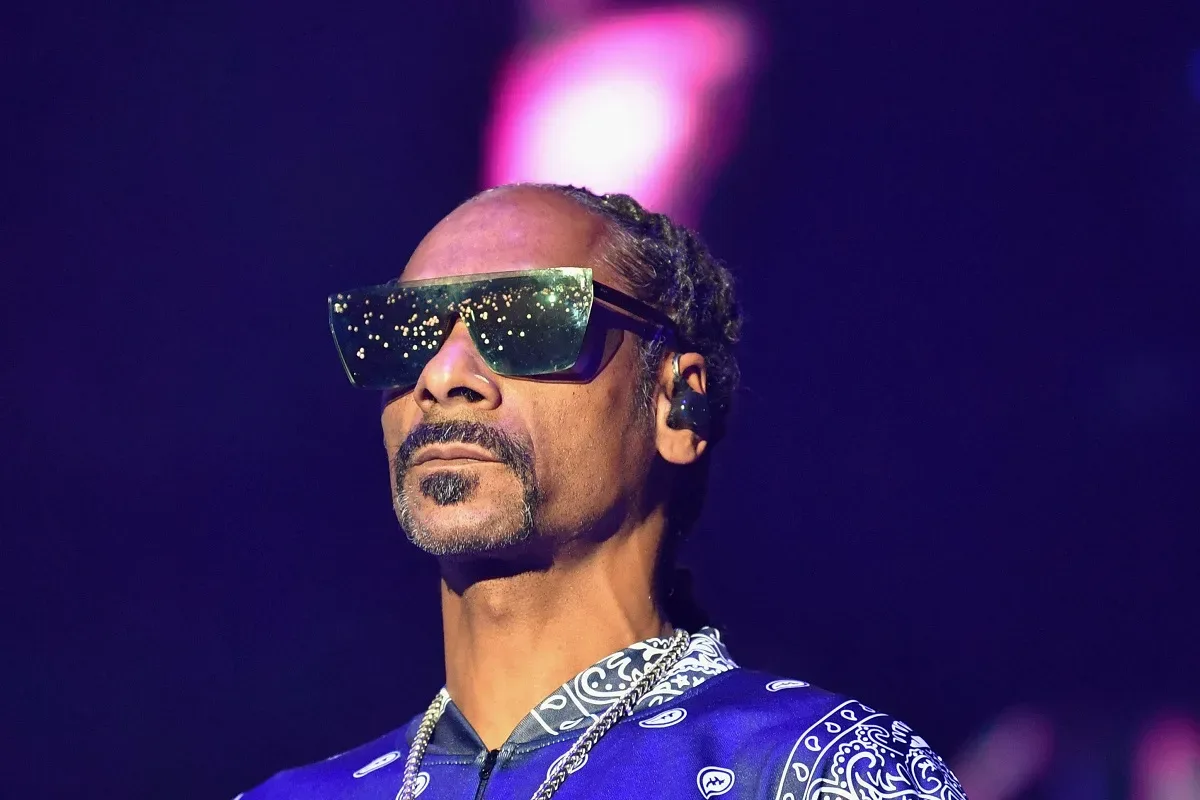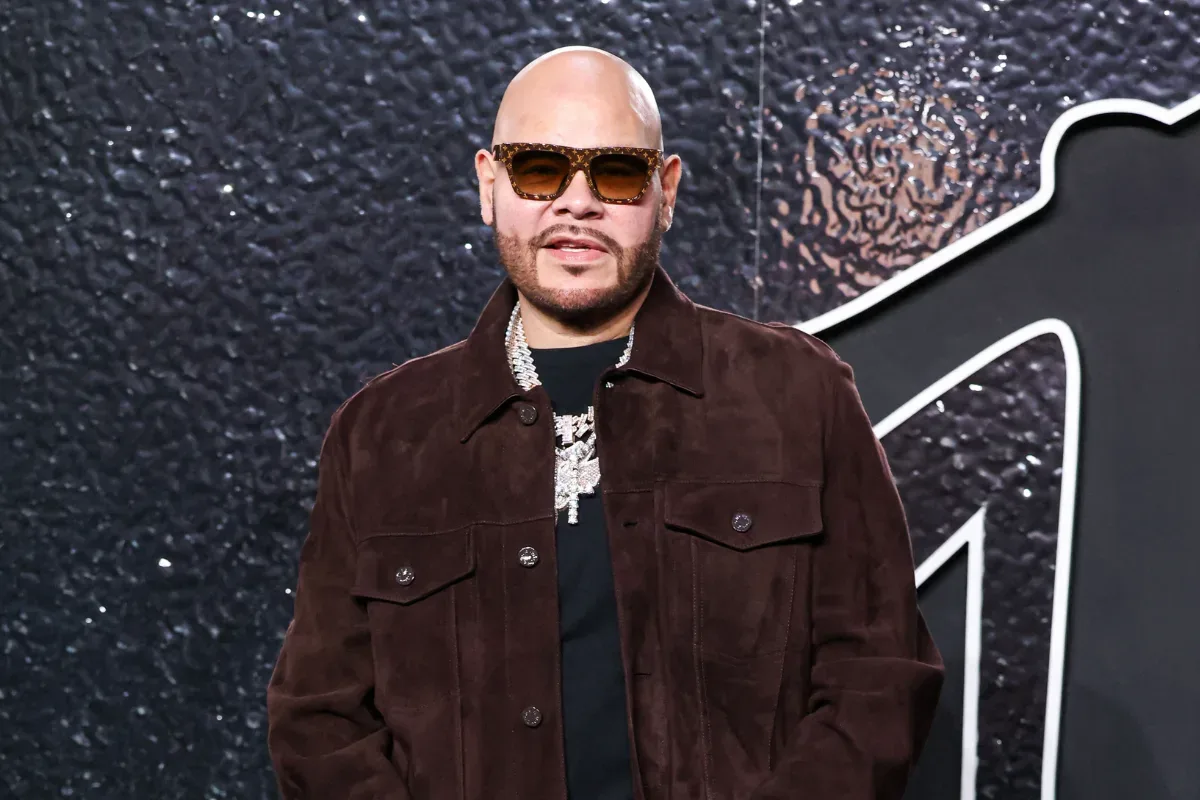
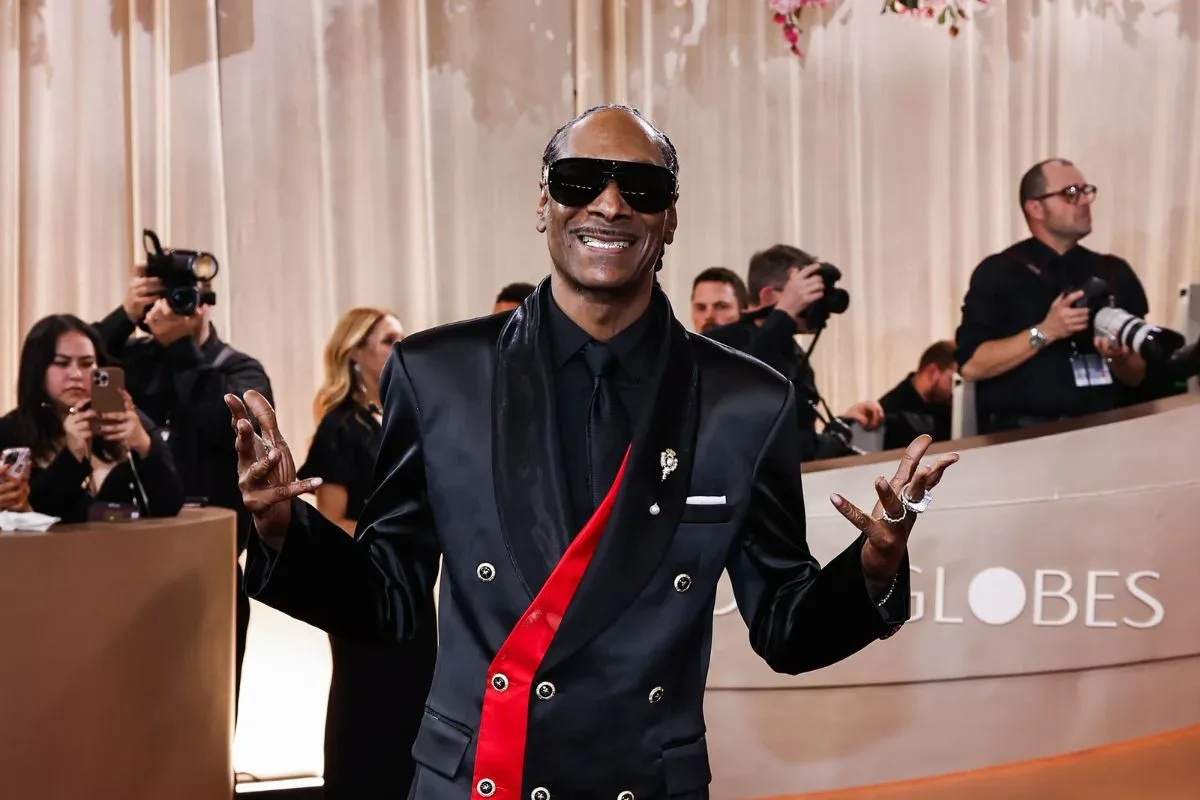
Snoop Dogg is part of Bigg Homies in two important ways: he appears on screen as Juan Carlos, a veteran neighborhood figure, and serves as an executive producer on Bigg Jah’s first feature film. The South Los Angeles comedy is scheduled to start streaming on Tubi on Tuesday, November 24.
For Bigg Jah, the movie marks a significant expansion of a career built through short-form comedy, stand-up and creator-led series. He directs the 97-minute film and co-wrote it with Kenn Edwin. The cast also includes Kontravious Harrell, Hope Flood and Eddie Woods.
A missing-house-fund problem drives the comedy
Bigg Jah stars as Rodeen, a man whose standing in his neighborhood does not solve the crisis in front of him. Money intended to keep his mother’s home from being lost disappears, leaving Rodeen with the urgent job of recovering it before the house is gone.
That setup gives Bigg Homies a concrete deadline and personal stakes. Rodeen is not simply chasing money for its own sake: the missing cash is tied to his mother’s home. His reputation may make him recognizable, but the premise specifically puts him in a situation he cannot charm his way through.
Snoop Dogg’s Juan Carlos is described as an older neighborhood presence who understands both the people around him and the local currents at work. The role places Snoop alongside Bigg Jah rather than outside the story as a promotional cameo, while the executive-producer credit makes his involvement broader than an acting appearance alone.
What an executive producer credit means here
Film credits can cover many different forms of creative and business participation, so an executive-producer title does not automatically spell out one fixed day-to-day job. What is clear in this case is that Snoop Dogg has a formal producing credit on Bigg Homies in addition to his role as Juan Carlos.
That dual position matters because it joins a recognizable performer with a creator making his feature-length debut. An actor can help a film through the character they play; an executive producer is also attached to the project’s production identity. The available details do not define the extent of Snoop’s production duties, so it would be premature to assign him specific responsibilities that have not been disclosed.
Still, his participation follows prior work that also placed him in front of and behind the camera. In The Underdoggs, he played a former football star who becomes a youth coach, while producing through Death Row Pictures. Snoop Dogg and his longtime producing partner, Constance Schwartz-Morini, originated the pitch for that film.
Related coverage includes Snoop Dogg Executive Produces Bigg Jah’s Feature Debut Bigg Homies.
Bigg Homies therefore represents another instance of Snoop working across performance and production, but in a substantially different story. The new film is a South Los Angeles comedy centered on Rodeen’s household-threatening predicament rather than a sports-focused premise.
From short clips to a feature-length story
Bigg Jah’s path to a feature did not begin with a traditional film launch. He posted stand-up material online before his sketches found a wider audience. In a recollection from the Killin It podcast, he described noticing that his YouTube revenue had reached six cents and recognizing that he could repurpose the one-minute clips he had been making for Instagram.
That detail is small, but it illustrates a practical creator strategy: material initially designed for one platform can establish a presence somewhere else when the format fits. One-minute sketches are structurally unlike a 97-minute narrative, yet both rely on clarity of character, setup and escalation. Short comedy has very little time to explain a joke or a relationship. A feature has more room, but it still needs a conflict strong enough to sustain the running time.
The shift is especially visible in Rodeen’s premise. A short sketch can introduce a character and land a single comic reversal quickly. A feature needs a continuing engine—an unresolved problem that can generate encounters, setbacks and pressure. The missing money tied to Rodeen’s mother’s house provides that engine for Bigg Homies.
This is analysis of the stated premise, not a claim about the film’s scene-by-scene structure. No detailed plot breakdown has been provided. But the stakes establish why Rodeen must keep moving, and the neighborhood setting gives the story a framework for the people he is likely to encounter, including Juan Carlos.
Tubi and the creator-series connection
Bigg Jah has already worked with Tubi through projects that grew from his online audience. The Lesbian Homie, one of his creator-driven projects, became a series selected for the platform’s first slate of exclusive creator shows. That slate also included L.A.U.G.H., an anthology whose full title is Life Ain’t Usually Great Here and which draws from life in Los Angeles.
The distinction between those projects and Bigg Homies is worth making. An anthology is built around multiple stories, while Bigg Homies is described as a feature film focused on Rodeen’s attempt to recover the missing funds. Creator series and short-form sketches can introduce audiences to a comedian’s style and recurring sensibilities; a feature asks for a self-contained story with a different scale of commitment from the viewer.
For audiences who know Bigg Jah through online work, the Tubi release offers a direct place to see how his comedy translates to a longer format. For people discovering him through Snoop Dogg’s participation, it offers an entry point into the work that led from stand-up and clips to platform-backed series and now a feature.
Why the South Los Angeles setting is central
South Los Angeles is not merely a backdrop in the available description of Bigg Homies. Rodeen’s reputation is situated in the neighborhood, his conflict unfolds through the people and systems around him, and Juan Carlos is characterized by his knowledge of the area and what takes place there.
That makes local familiarity part of the film’s dramatic logic. Rodeen’s problem is personal, but it is also social: recovering the money means navigating an environment where people know one another and where status has limits. Juan Carlos’ experience may be valuable precisely because he understands the neighborhood at a deeper level than Rodeen’s public reputation can reach.
The setting also connects with Bigg Jah’s prior work. L.A.U.G.H. draws on Los Angeles life, while Bigg Homies uses South Los Angeles for a specific narrative pressure point rather than as an abstract location. The shared geography does not mean the projects tell the same kind of story, but it suggests a continued interest in building comedy from a recognizable local world.
What viewers can expect—and what remains undisclosed
The confirmed basics are straightforward: Bigg Homies is a 97-minute South Los Angeles comedy, Bigg Jah directs and co-writes it with Kenn Edwin, and he leads the cast as Rodeen. Snoop Dogg plays Juan Carlos and is credited as an executive producer. Kontravious Harrell, Hope Flood and Eddie Woods are also part of the ensemble. It begins streaming on Tubi on Tuesday, November 24.
Beyond those points, details remain limited. There is no supplied rating information, complete character list, trailer description or rundown of how Rodeen’s search unfolds. There is likewise no reason to assume that Snoop’s executive-producer credit establishes a larger ongoing production arrangement beyond this film.
That restraint is useful for viewers deciding whether to watch. The clearest draw is the combination of a creator moving from digital comedy into a full feature, a stakes-driven story about a threatened family home, and Snoop Dogg’s two-part participation. For more entertainment coverage beyond this release, see our coverage of Andrew Rannells discussing an unanswered date request during his Book of Mormon run.
Bigg Homies arrives with an understandable hook: a comedian whose online work created a path to platform series now leads, writes and directs a feature, with Snoop Dogg supporting the project both on screen and in its production credits. The November 24 Tubi debut is the next test of how that creator-led momentum carries into long-form comedy.