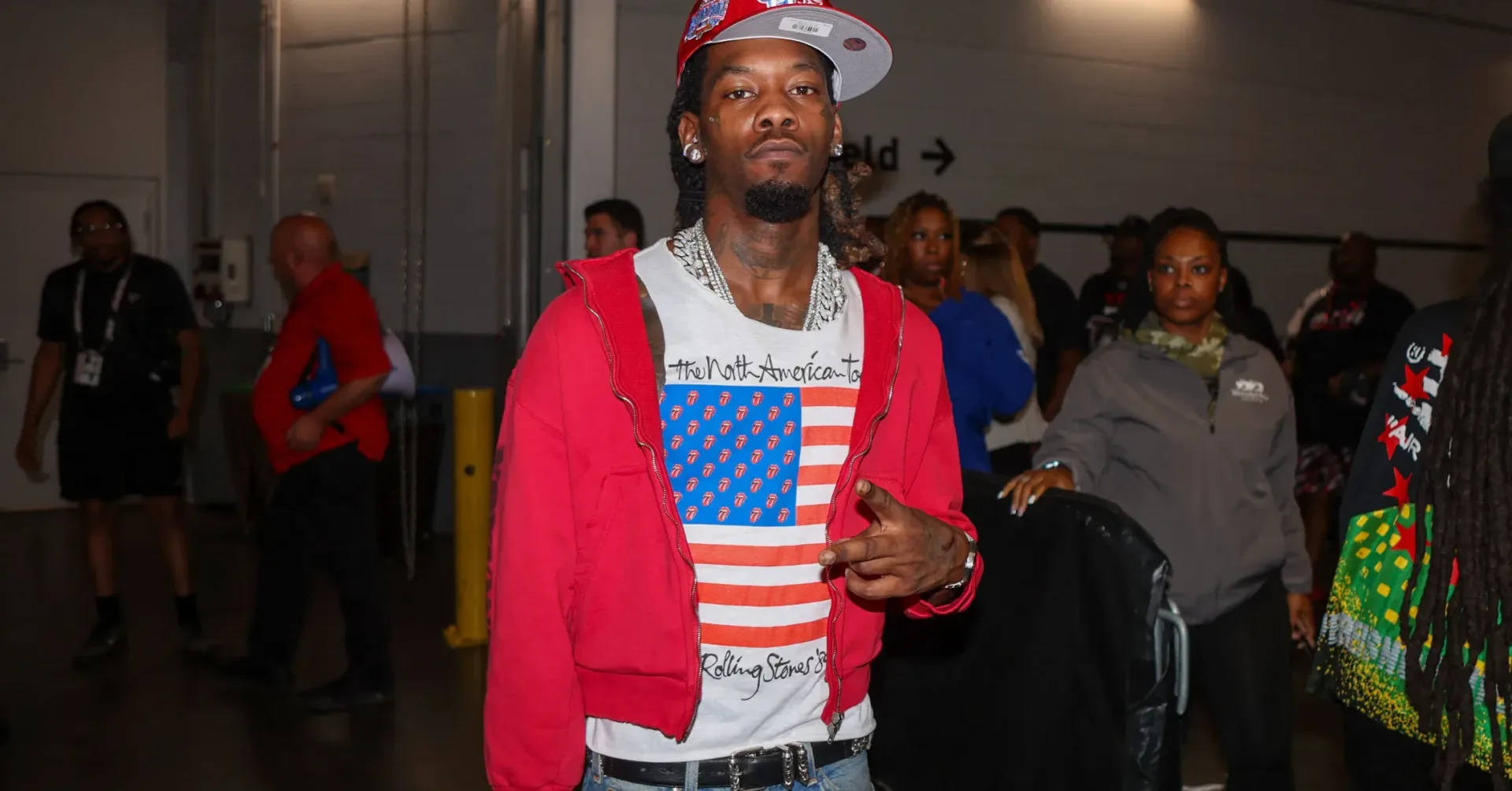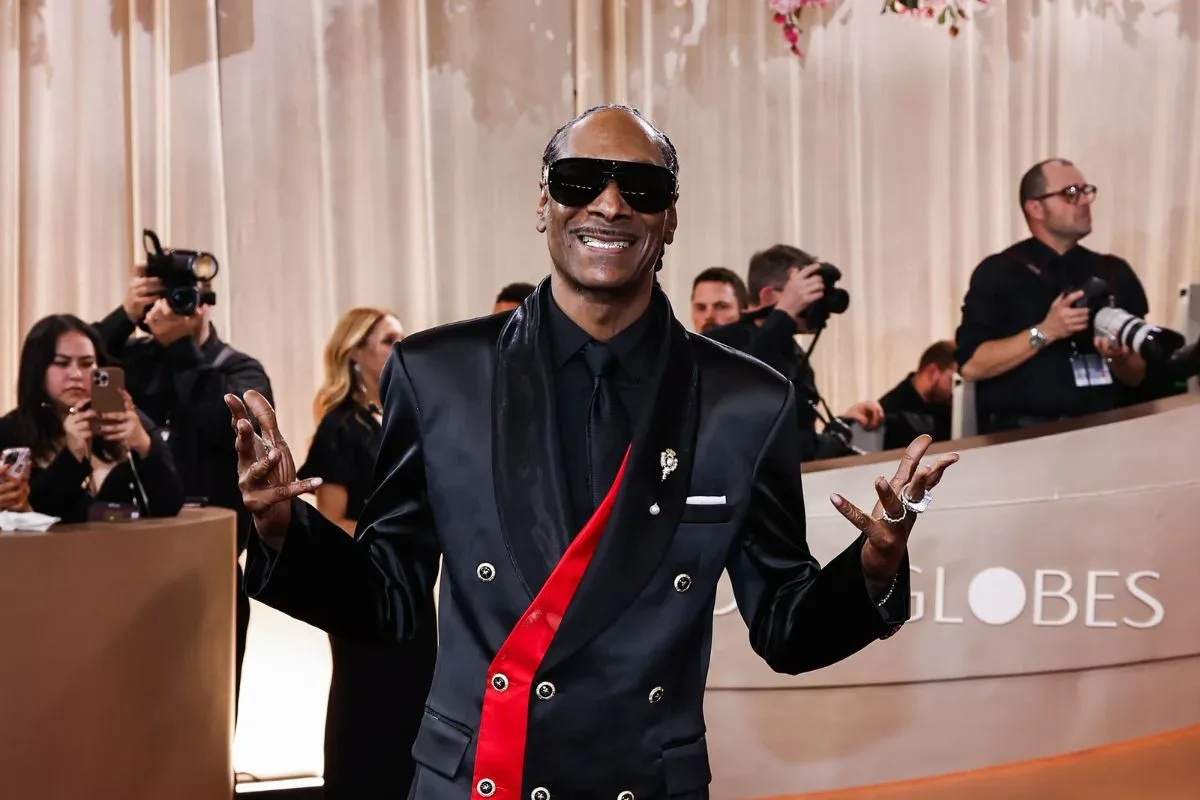
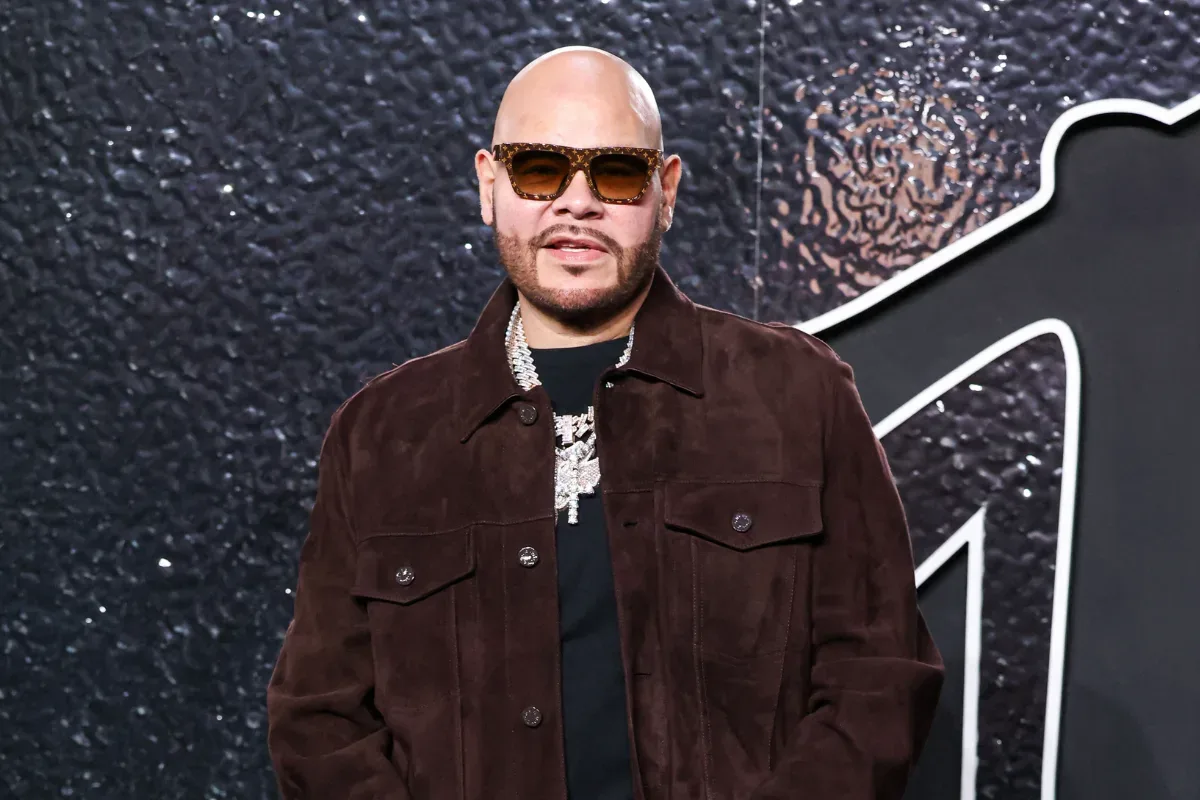
Keith Sweat is expanding his work in scripted television with Twin Pillars: A Series, a drama arriving on Tubi that puts family separation, foster care and the long shadow of parental incarceration at its center. Sweat is both an executive producer and a member of the cast, playing a club owner named Snow. Fat Joe also appears in the series alongside Darrin Dewitt Henson, Alimi Ballard, Crystal Coney and Sean Anthony Baker.
The first three episodes are scheduled to premiere on Tubi on November 16. The rollout gives the project an immediate opening rather than asking viewers to wait through an extended weekly build-up, although no further episode schedule has been detailed.
A drama built around brothers sent down separate paths
Twin Pillars follows fraternal twins whose parents are incarcerated, leading to the brothers entering foster care. The core premise is not merely that they are separated geographically. It is that the disruption places them on different life trajectories, creating the central human tension of the show.
Fraternal twins are siblings born during the same pregnancy who are not necessarily genetically identical. That distinction matters dramatically: the series begins with two brothers who share a family crisis and a birthday, but who can still respond to that crisis differently. Foster care becomes the mechanism that widens the distance between them.
Henson created and directed the series and plays Dre. Ballard co-stars as Maurice. Their casting puts the twin relationship at the heart of the show, while the supporting ensemble gives the production room to explore the adult worlds around them. Sweat’s Snow, described as a club owner, appears positioned within one of those surrounding social environments, though character details beyond his occupation have not been outlined.
What Keith Sweat’s role means for the series
Sweat’s involvement goes beyond a guest appearance or a promotional credit. As an executive producer, he has a producing role attached to the project while also appearing on screen. An executive producer credit can cover different responsibilities from production to production, and the available information does not specify Sweat’s day-to-day duties on Twin Pillars. What is clear is that he is creatively and professionally connected to the series in more than one capacity.
The singer framed the move into television as consistent with the storytelling impulse behind his music, pointing to real-life experiences, family and second chances as key ideas in this project. That emphasis is particularly relevant to a premise rooted in incarceration and foster care. The series is working with a situation that changes not only the parents’ lives but also the identity, security and future choices of their children.
For an audience that knows Sweat principally through music, Twin Pillars offers a different venue for that interest in personal stories. It is also not his first screen-producing credit. His official site lists him as an executive producer on The Secret Between Us, in addition to promoting his late-night radio program, The Sweat Hotel.
Related coverage includes Keith Sweat Joins Fat Joe for Foster-Care Drama ‘Twin Pillars’ on Tubi.
Sweat is maintaining his live-performance schedule alongside the television project. His listed dates include the Pompano Fall Festival in Deerfield Beach on November 28, followed by December appearances in Nigeria and South Africa. The combination of music, radio, live performance and television production underlines that this is an addition to an active slate rather than a replacement for his recording and touring work.
Darrin Dewitt Henson brings family-drama experience
Henson’s credits make him a consequential figure behind and in front of the camera on Twin Pillars. He has appeared in family-centered television including Soul Food and The Family Business, experience that aligns closely with a series concerned with siblings, parents and the consequences of a family being broken apart by the legal system.
His background also extends to choreography. Henson received a 2000 MTV Video Music Award for NSYNC’s “Bye Bye Bye,” a credit that reflects a career spanning performance disciplines. On Twin Pillars, however, his listed responsibilities are especially direct: creator, director and actor. That combination gives Henson an unusually close connection to the series’ premise and to Dre’s place within it.
Ballard’s Maurice is the other half of the story’s foundational pairing. Because the available premise describes the brothers as growing into different lives after entering foster care, the dramatic question is less about a single event than its accumulation: how do different placements, experiences and choices reshape two people who began inside the same family?
Fat Joe joins a cast with music-world crossover
Fat Joe’s involvement gives Twin Pillars another recognizable musician in the cast, but his connection with Sweat also has some pre-existing public context. Sweat has appeared on Joe and Jada, where Jadakiss told a story about losing money to him during a studio dice game. That does not reveal anything about Fat Joe’s character or the size of his role in Twin Pillars, neither of which has been detailed, but it does make the collaboration feel less random than a simple celebrity crossover.
The casting should not obscure the central dramatic setup. The project’s defining subject is the impact of parental incarceration and placement in foster care on two brothers. The musical names may draw initial attention, while the success of the series will rest on the relationships between Dre, Maurice and the people they encounter in their diverging lives.
That overlap between music and scripted storytelling remains a recurring point of interest across entertainment. Artists’ collaborations can move from recordings and conversations into screen projects, just as private creative relationships can take on renewed public importance; recent reporting on Offset and Quavo’s private reconnection is another example of how established music-world relationships continue to shape new work.
Why the premise carries weight
Twin Pillars is a character drama, not a documentary, and its announced setup should be understood on those terms. Still, the premise chooses a serious source of conflict rather than an abstract rivalry. Incarceration separates the twins from their parents; foster care then places the siblings in circumstances that may not be shared. The story’s title suggests a paired structure, but its premise asks what happens when those pillars no longer stand side by side.
Family separation is therefore not a piece of backstory to be quickly resolved. It is the force that explains why the brothers’ lives take different directions. That creates several layers of stakes without requiring the series to treat the twins as opposites from the outset. They can remain connected by history even as their environments and opportunities change.
The stated focus on family and second chances also signals a possible interest in repair, reconciliation or the possibility that people can be more than the worst circumstance imposed on them. Those are themes rather than confirmed plot turns, so viewers should not assume a particular ending or outcome. But they are consistent with the way the project has been presented by Sweat and with the series’ emphasis on two siblings navigating the consequences of decisions made around them.
What viewers can expect on November 16
The confirmed details are straightforward: Twin Pillars: A Series reaches Tubi in November, with its first three episodes due November 16. Henson created and directed the drama, plays Dre and stars opposite Ballard as Maurice. Sweat is an executive producer and plays Snow, while Coney, Baker and Fat Joe round out the announced cast.
There are still meaningful unknowns. No episode count, episode runtimes, complete character breakdowns or broader release plan have been provided. There is also no indication that the show is based on a particular real family or case. The available information supports a focused expectation instead: a scripted drama about fraternal twins pushed into separate lives after their parents’ incarceration sends them into foster care.
For Sweat, the show represents another producing credit and a substantial on-screen role at a time when he remains active in music and live appearances. For Henson, it is a project that brings together his creative leadership and his acting work. And for viewers, the initial three-episode release will be the first opportunity to see how Twin Pillars develops its central brotherhood story beyond its stark opening premise.