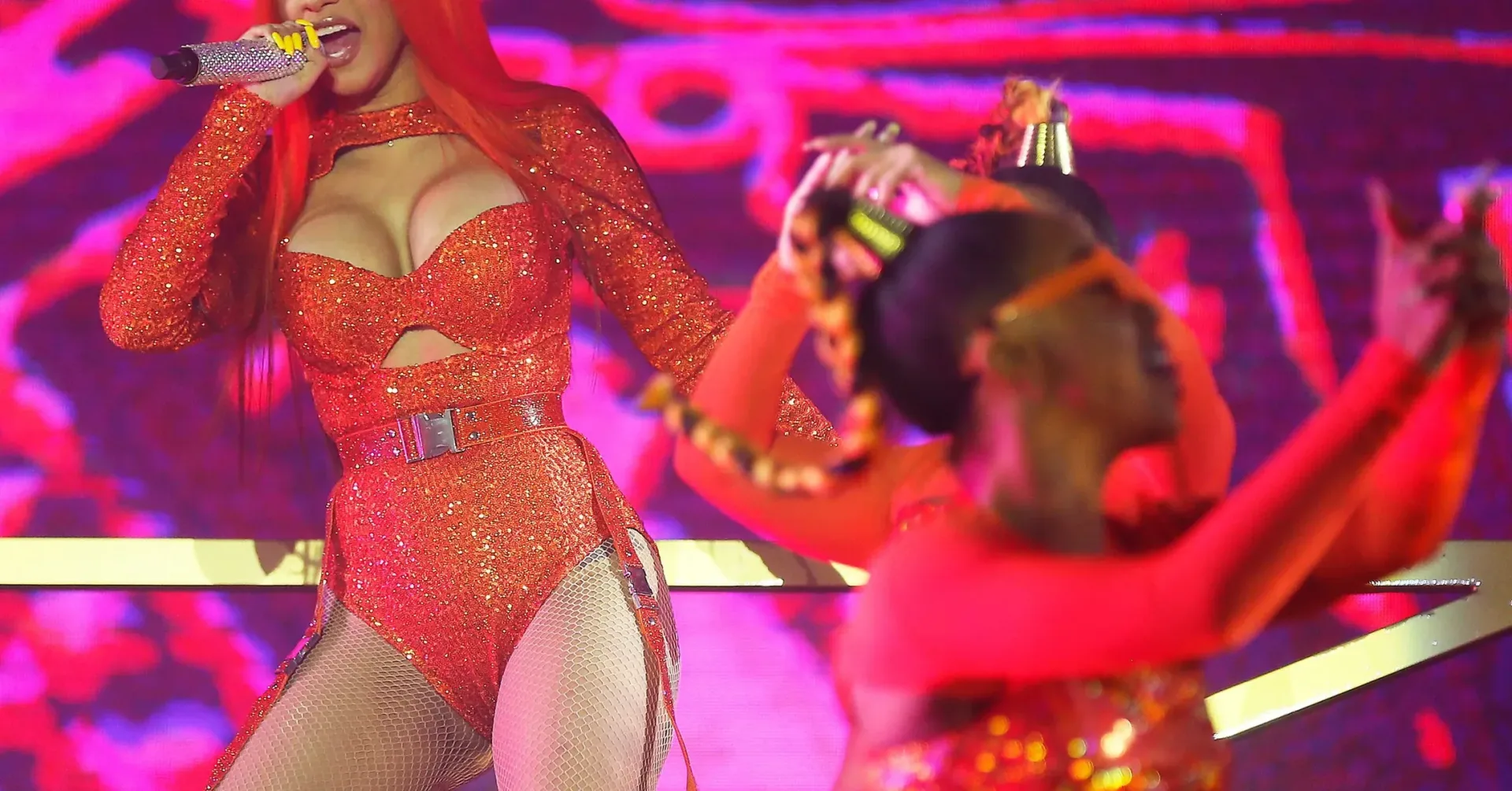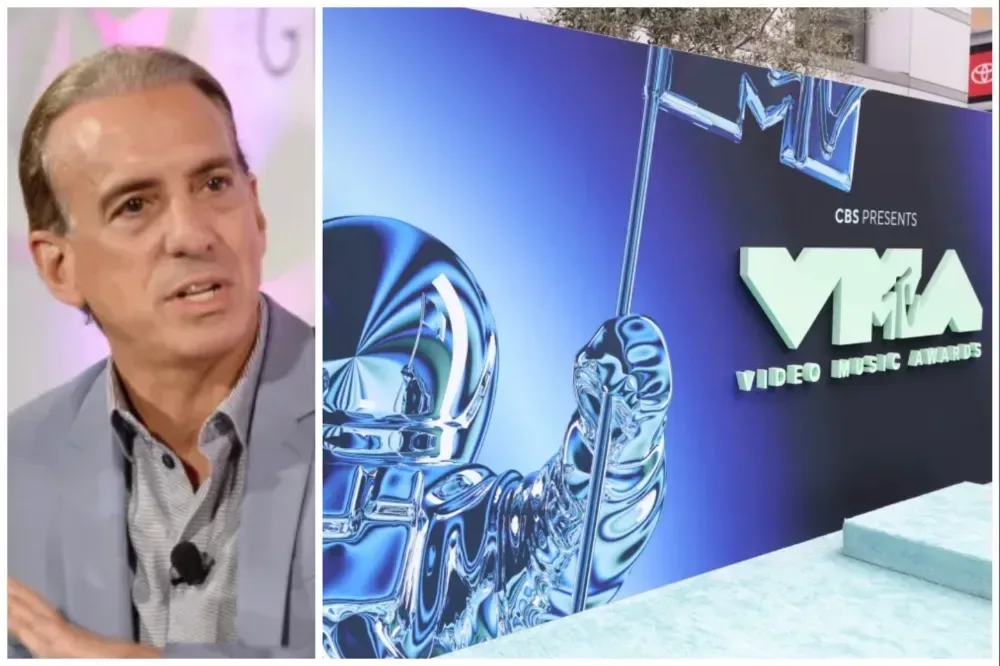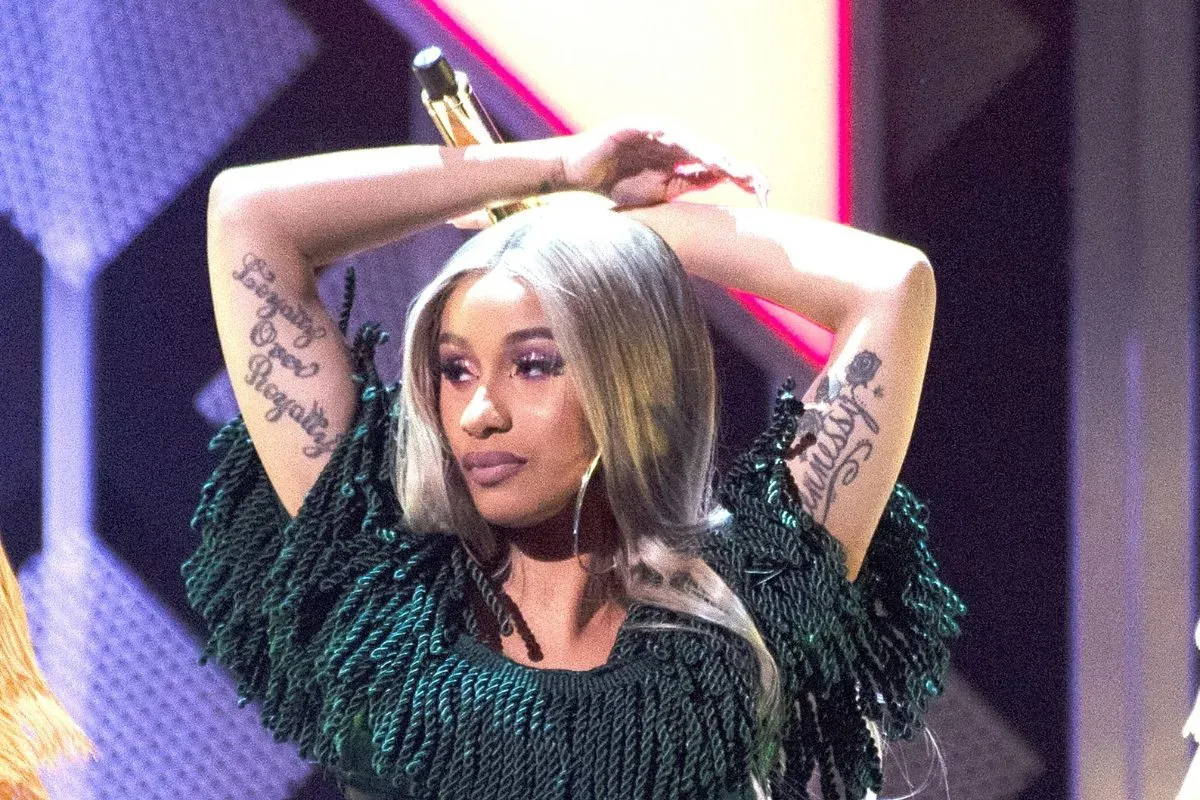
Snoop Dogg brought a distinctly hometown energy to the MTV Video Music Awards in Los Angeles, hosting the ceremony as Cardi B and Kehlani collected the Best Hip-Hop award for “Safe.” The result placed one of the night’s key genre prizes in the hands of a collaboration, while Snoop’s role gave the telecast a host whose own career has long been intertwined with MTV’s public-facing music culture.
Cardi B and Kehlani prevailed over a field that included Drake, Megan Thee Stallion, Travis Scott, Don Toliver and Tyler, The Creator. In awards-show terms, Best Hip-Hop is a competitive video category rather than a blanket declaration of a year’s definitive rap record. Even so, a win carries particular visibility because it puts the artists and the video at the center of a ceremony designed around music’s visual language.
For Cardi B, the win was one of the biggest hip-hop honors of the evening. For Kehlani, it underscored the collaborative nature of “Safe” and ensured the award recognized both artists rather than treating the track as a one-name victory. That distinction matters at a video awards show: music videos are frequently the result of intersecting creative roles, but the performers attached to the winning work are the people presented on the night.
Snoop Dogg’s Los Angeles homecoming
The ceremony marked the VMAs’ return to Los Angeles for the first time since 2017. That setting made Snoop Dogg an especially natural fit for a first solo hosting run. He framed the assignment as a full-circle moment, saying MTV and the VMAs had been part of his story from the start and describing the network as a space where hip-hop could be “loud, fearless and seen by the whole world.”
His opening material leaned into the location rather than treating Los Angeles as a generic awards-show backdrop. Snoop promised a party in his style and made clear that hosting in his own city was central to the occasion. It is an effective shorthand for the larger night: the show was not solely a hip-hop event, but hip-hop was positioned as a highly visible part of its identity.
A host does more than move an awards program between performances. The host supplies a point of view, establishes the tone of the room and gives a mixed-genre broadcast some connective tissue. In this case, Snoop’s presence linked a broad pop, country and rock bill to a figure whose cultural association with West Coast rap is immediately recognizable. That does not turn every segment into a hip-hop segment, but it changes the frame around the entire telecast.
There is also a generational dimension to that choice. The VMAs combine current releases, legacy names and star-making appearances in one compact event. Snoop’s career gives the evening a connection to an earlier era of music television, while the Best Hip-Hop contenders and guests reflect a contemporary field of artists. The format asks viewers to jump quickly among scenes and styles; an experienced, familiar host can make those transitions feel more intentional.
What the Best Hip-Hop result represents
Cardi B and Kehlani’s “Safe” winning Best Hip-Hop was a clear awards-night moment, but it is useful to be precise about what the category communicates. A VMA category recognizes a music video, meaning the honor sits at the intersection of song, performer, visual concept and audience response. It is not the same thing as a critical ranking of every hip-hop release, a sales chart or an industry award judged under a different set of rules.
That visual focus is part of why the VMAs remain a useful stage for crossover. A video can give an existing song another moment of attention, and a televised win can introduce the work to viewers who did not encounter it through streaming, radio or social platforms. The award’s value is therefore partly symbolic and partly practical: it generates a concise headline, places the artists in a live-event narrative and creates a renewed reason for listeners to seek out the song.
The nominated competition illustrates how expansive the category’s field was. Drake, Megan Thee Stallion, Travis Scott, Don Toliver and Tyler, The Creator each represent distinct corners of the modern rap landscape. Cardi B and Kehlani’s victory does not erase that variety; rather, it emerged from it. The winner becomes the night’s official result, while the nominee list shows the range of names competing for attention on the same stage.
Collaborations are particularly well suited to this kind of event. They join audiences, performance identities and musical approaches into one release. When a joint track wins, that shared structure carries through to the presentation of the prize. “Safe” was recognized as work by Cardi B and Kehlani, and the award gives both performers a durable association with the result.
Hip-hop’s presence extended beyond the trophy
Hip-hop’s role was not confined to the award announcement. Gunna joined Shaboozey onstage for “High Noon,” following Shaboozey’s opening performance of “Cowgirl.” The appearance was one of the night’s more direct examples of genre lines being treated as flexible rather than fixed: an artist associated with rap appeared within a set that also drew on country-facing presentation.
Yung Lean also performed with GENER8ION on “STORM II.” Their set added another rap-adjacent presence to a program otherwise described as heavy on pop, country and rock. That programming mix is worth noting because awards shows often compress many music audiences into a single broadcast. A rap performance may sit next to a rock tribute or pop spectacle not as an exception, but as part of the event’s core design.
Teyana Taylor appeared among the presenters, while French Montana, Moneybagg Yo and Gunna were among the rap figures spotted around the Peacock Theater. These cameos should not be overstated as formal performances or award appearances where none were specified. Still, they reinforced the broader impression that hip-hop was visible in the room as well as on the stage.
For viewers, this matters because an awards show operates as a collection of signals. Some signals are explicit, such as a trophy or a billed performance. Others are environmental: who introduces major moments, who appears backstage or in the audience, and which cultural communities are visibly present throughout the evening. Snoop’s hosting role, Cardi B and Kehlani’s win, and the evening’s various appearances combined to make hip-hop one of the program’s clearest through lines.
Chuck D, Flavor Flav and a cross-genre presentation
Public Enemy’s Chuck D took part in one of the night’s significant presentations, introducing Nirvana for the Michael Jackson Video Vanguard Award. Flavor Flav joined him. The pairing placed foundational hip-hop figures in the introduction to a major rock honor, a choice that made the show’s cross-genre ambitions visible rather than merely implied.
Chuck D said there had never been a band quite like Nirvana before the surviving members came onstage. Krist Novoselic, meanwhile, spoke about the band continuing to connect with audiences because people seek authenticity: work that feels real, uncompromising and welcoming of individuality. That language naturally resonates beyond any single genre, including hip-hop, where credibility and a distinct voice have long been central ideas.
“Authenticity” can be an imprecise term, so it is worth separating it from a claim that any artist must sound one particular way. In this context, it refers to the sense that an artist’s work expresses a recognizable point of view rather than simply following a template. Novoselic’s remarks concerned Nirvana’s legacy, not a statement about hip-hop. But Chuck D’s involvement in the presentation made the broader connection easy to see: artists from different traditions can recognize the value of work that feels personal and uncompromising.
The Video Vanguard Award is a career-oriented honor, which is distinct from an award for one current music video. Its placement on the show allowed the broadcast to move from the present-tense competition of categories such as Best Hip-Hop to a legacy celebration. That contrast is a big part of the VMAs’ formula. Newer songs and contemporary nominees share a program with artists whose influence has accumulated over decades.
Why this kind of night matters beyond a single winner
The awards show’s most immediate outcomes are simple: a winner is announced, artists perform, and a host guides the event. But the larger effect comes from how those pieces are arranged. Snoop Dogg represented Los Angeles and a longstanding hip-hop connection to MTV. Cardi B and Kehlani left with Best Hip-Hop for “Safe.” Gunna, Yung Lean, Chuck D, Flavor Flav and others supplied different forms of rap-related visibility across the broadcast.
None of that requires claiming hip-hop “won” the entire ceremony. The lineup included pop, country and rock, and Nirvana’s Vanguard recognition was one of the night’s biggest legacy moments. The more accurate read is that the show treated hip-hop as integral to the event rather than an isolated category tucked between unrelated segments.
For an entertainment event built around video, spectacle and shared cultural memory, that integration is meaningful. It gives current artists a prominent platform, gives established figures a chance to define the atmosphere and allows connections across genres to happen in public. This Los Angeles VMAs did all three: a hometown host set the tone, “Safe” earned the Best Hip-Hop prize, and artists across the rap world remained part of the night’s visible fabric.
For more recent music-event coverage, see Drake’s first live performance of “Ahi” with Karol G in Houston.