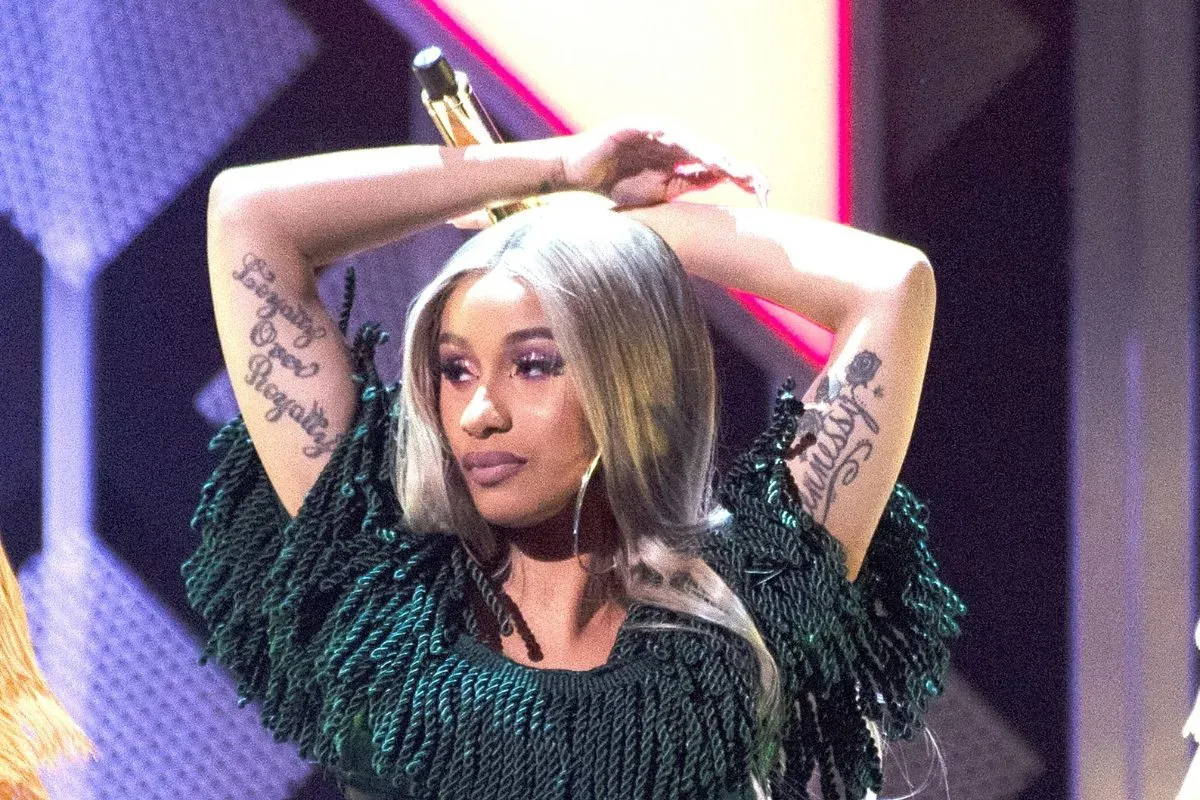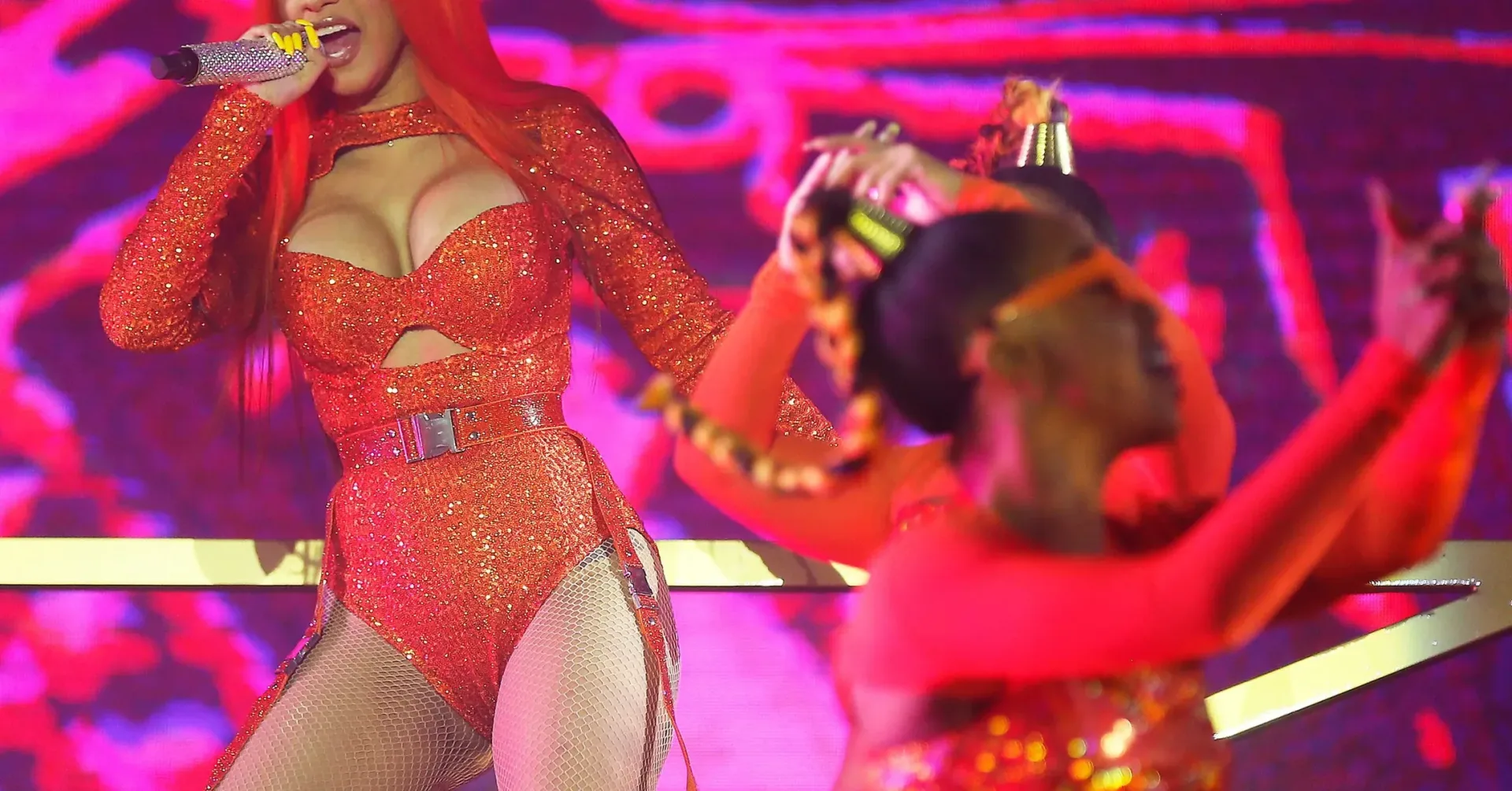
Cardi B and Kehlani claimed the Best Hip-Hop prize at this year’s Video Music Awards, with “Safe” winning over a field that included videos from Don Toliver, Drake, Megan Thee Stallion, Travis Scott and Tyler, The Creator. At an awards show built around the visual side of pop music, the result gave hip-hop one of the evening’s clearest spotlight moments.
“Safe,” credited to Cardi B featuring Kehlani, topped Don Toliver’s “E85,” Drake’s “Janice STFU,” Megan Thee Stallion’s “LOVER GIRL,” Travis Scott’s “DUMBO,” and Tyler, The Creator’s “SUGAR ON MY TONGUE” in the category. That list matters because Best Hip-Hop is not a broad career honor: it focuses attention on a particular music-video campaign and the visual presentation attached to a song.
That distinction can get lost in the shorthand of award-night discourse. A win does not settle every argument about the year’s biggest song, most influential rapper or best album. It does, however, put one video at the center of a format where an artist’s music, styling, performance and screen presence all meet. For Cardi B and Kehlani, the trophy recognizes their collaboration as a visual work as well as a record.
“Safe” takes a crowded Best Hip-Hop field
The nominees represented several major names across contemporary hip-hop and adjacent rap-pop spaces. Drake, Megan Thee Stallion, Travis Scott and Tyler, The Creator each arrived with high-profile competition, while Don Toliver added another distinct entry to a lineup that was not stylistically narrow.
In that context, a collaboration can offer a different kind of awards advantage: two established voices, two fan communities and a shared performance identity. But there is no supplied breakdown of voting, judging or the criteria that separated the winner from the other nominees, so it would be a reach to claim exactly why “Safe” prevailed. The concrete takeaway is simpler: Cardi B and Kehlani’s video was the category’s winner on the night.
For Kehlani, the result is also a reminder that featured performers can be central to a video’s impact rather than merely an extra name in the credits. The category win belongs to the nominated work, and that work is explicitly framed as a Cardi B song featuring Kehlani. In music-video awards, a guest appearance can carry visual weight, narrative focus and a memorable performance just as readily as a lead role.
The result stood out because hip-hop did not appear to dominate the ceremony’s broader winners list. Instead, much of the night’s headline-making recognition centered on record-setting achievements by Madonna and Taylor Swift. That does not diminish the Best Hip-Hop award; it explains why it became a particularly important talking point for viewers following rap and R&B-adjacent nominees.
What a music-video award actually celebrates
The VMAs are structured around the idea that a song’s visual identity can be an achievement in its own right. A music video is not simply promotional footage attached to an audio track. It can encompass direction, editing, choreography, art direction, costuming, performance and casting. The awards divide those elements into distinct honors while also maintaining genre-focused categories such as Best Hip-Hop.
That helps explain why a winner in Best Hip-Hop should not be read as a definitive ranking of every artist’s music. It is recognition in a specific audiovisual setting. The nominee list tells audiences which tracks were part of the conversation, while the final prize identifies the video that ultimately received the category’s award.
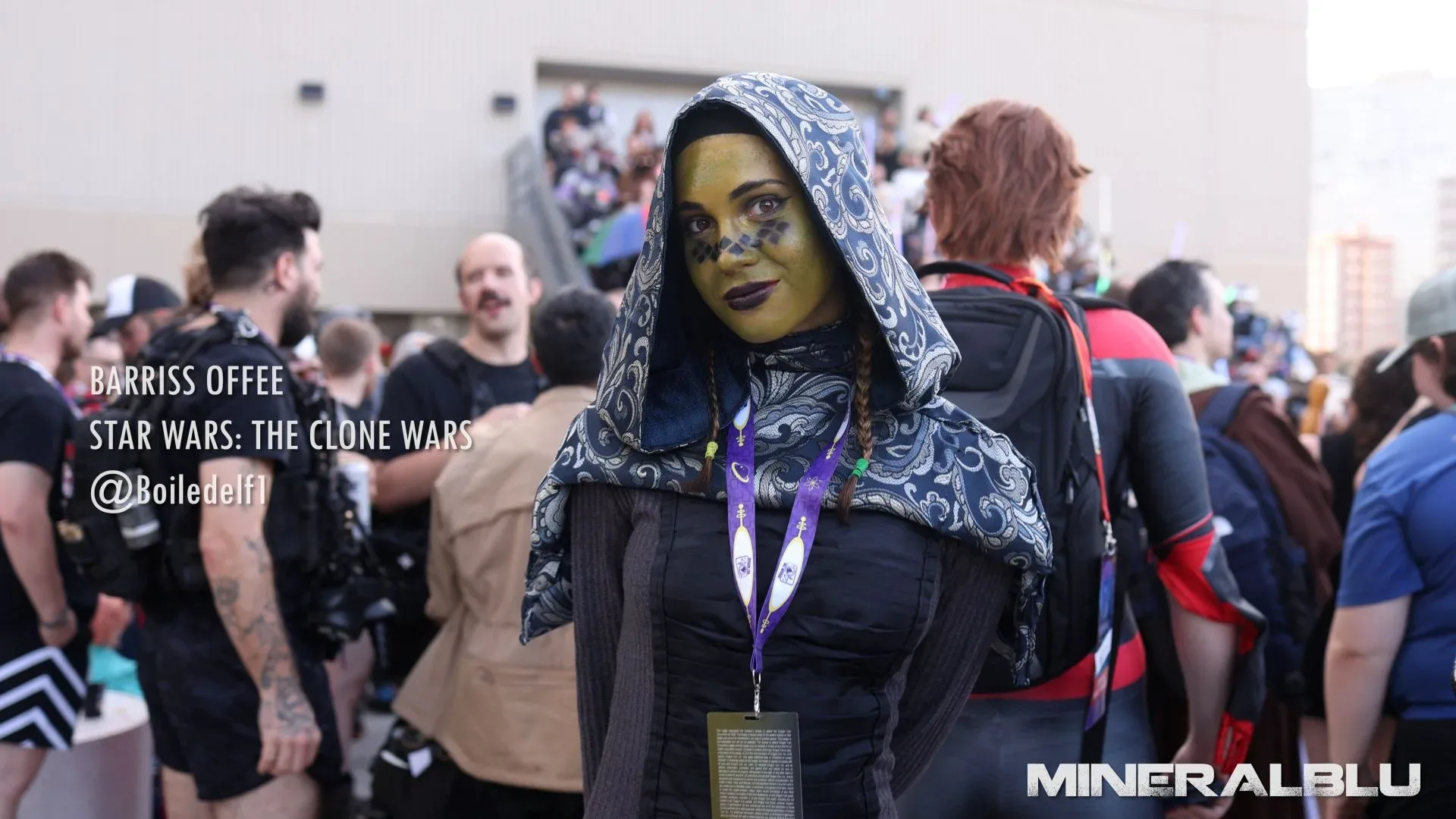
It is also why video-first moments remain capable of creating their own news cycle. A song may already be familiar, but a premiere, a self-directed project or an awards-show win gives fans a new way to discuss it. In a broader pop-culture environment where fans closely parse costumes, staging and creative choices, the visual component is often inseparable from the event itself. That participatory attention extends beyond music awards, as seen in the fan response to large-scale costume and fandom events such as Dragon Con’s cosplay scene.
Madonna’s seven-award night adds to a 26-VMA total
Madonna had the ceremony’s largest single-night awards haul, receiving seven trophies. The wins brought her overall VMA count to 26, a total that places her behind only Beyoncé and Taylor Swift in the reported all-time standings.
Her night included another milestone: she opened the VMAs for the fifth time in her career, setting a record for opening the show. An opening slot is not itself an award category, but it is one of the most visible positions in a televised ceremony. It establishes the event’s first major performance image and often becomes part of how a particular edition is remembered.
The combination of seven awards, 26 total career VMAs and a fifth opening appearance made Madonna’s role larger than a routine attendance story. It connected the current show to a long-running relationship between the artist and the ceremony. The figures also underscore a theme running through the night: established stars were not just present; they were expanding records tied to the awards’ history.
There is an important difference between the two kinds of milestones. Seven awards describes what Madonna won at this specific ceremony. Twenty-six describes the accumulated total attributed to her VMA history. Keeping those measures separate makes the accomplishment clearer: one is the scale of the current-night sweep, while the other tracks the durability of her presence across multiple years.
Taylor Swift earns Video of the Year, Best Direction and an artist-director honor
Taylor Swift’s awards included Video of the Year and Best Direction, along with the MTV VMA Artist Director Honors. She also debuted a new self-directed video for “Patient Zero,” featuring Dakota Johnson and Colin Farrell.
Self-direction is especially relevant in a ceremony devoted to videos. A director shapes the camera’s perspective and the structure of what viewers see: the framing of performers, pace of edits, visual motifs, performances for the screen and the overall storytelling approach. When an artist directs their own work, the creative identity of the performer and the maker behind the camera become more tightly connected.
The new “Patient Zero” video therefore served as more than a standard premiere. Its stated self-directed status made it part of the same artist-director conversation reflected in Swift’s honors. Johnson and Farrell’s involvement adds notable screen talent to the project, though no further information about their roles, the video’s narrative or its production has been established here.
Swift’s Video of the Year victory was her sixth in that category. That is a substantial benchmark: the reported total is three times the two Video of the Year wins held by Beyoncé, Kendrick Lamar, Eminem, Missy Elliott and Rihanna. The comparison concerns this one category, rather than total VMA counts or any larger claim about an artist’s full awards history.
Video of the Year is one of the ceremony’s most visible honors because it pulls together the central premise of the VMAs: the music video as a major pop-cultural object. Best Direction narrows the focus to filmmaking craft, while an artist-director honor specifically recognizes the overlap between recording artist and visual creator. Winning across those lanes gives Swift’s night a coherent theme even before factoring in the premiere of “Patient Zero.”
A Los Angeles ceremony with global availability
Snoop Dogg hosted the awards from the Peacock Theater in Los Angeles, California. The ceremony aired live on September 27 through CBS, MTV and Paramount+, with global availability beginning September 28.
For audiences catching up after the live broadcast, the night’s most relevant milestones are straightforward. Cardi B and Kehlani secured Best Hip-Hop for “Safe.” Madonna led the evening’s trophy count with seven wins and reached 26 career VMAs. Taylor Swift collected Video of the Year and Best Direction, received an artist-director honor, premiered “Patient Zero,” and extended her Video of the Year record to six victories.
Those results show several different ways an award-show moment can resonate. A genre category can elevate a collaboration in a competitive field. A veteran artist can add to a long-term record with a dominant single night. And a performer with creative control behind the camera can turn awards recognition and a video debut into one larger statement. For the rap fans watching the Best Hip-Hop race, though, the essential result remains uncomplicated: Cardi B and Kehlani left with the trophy.