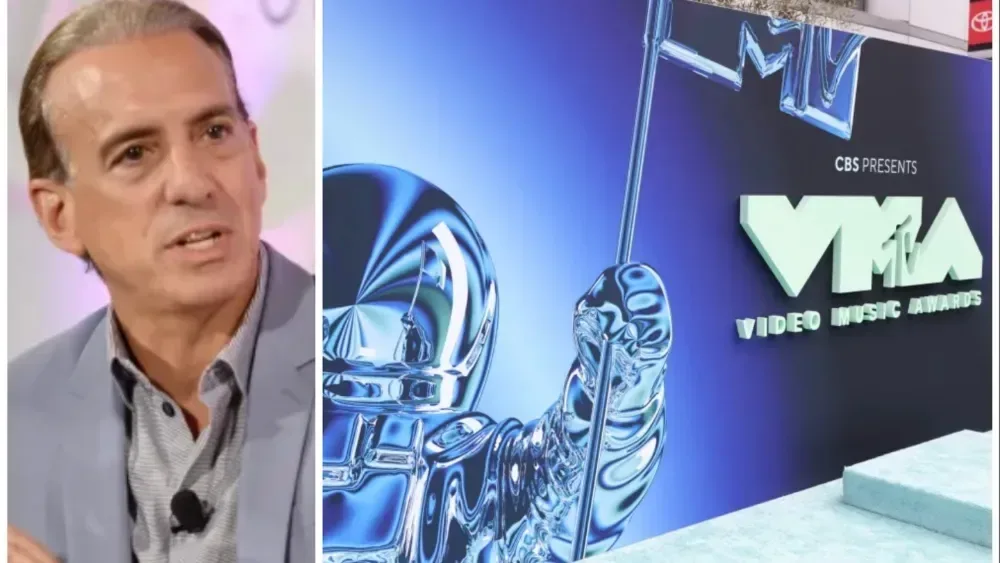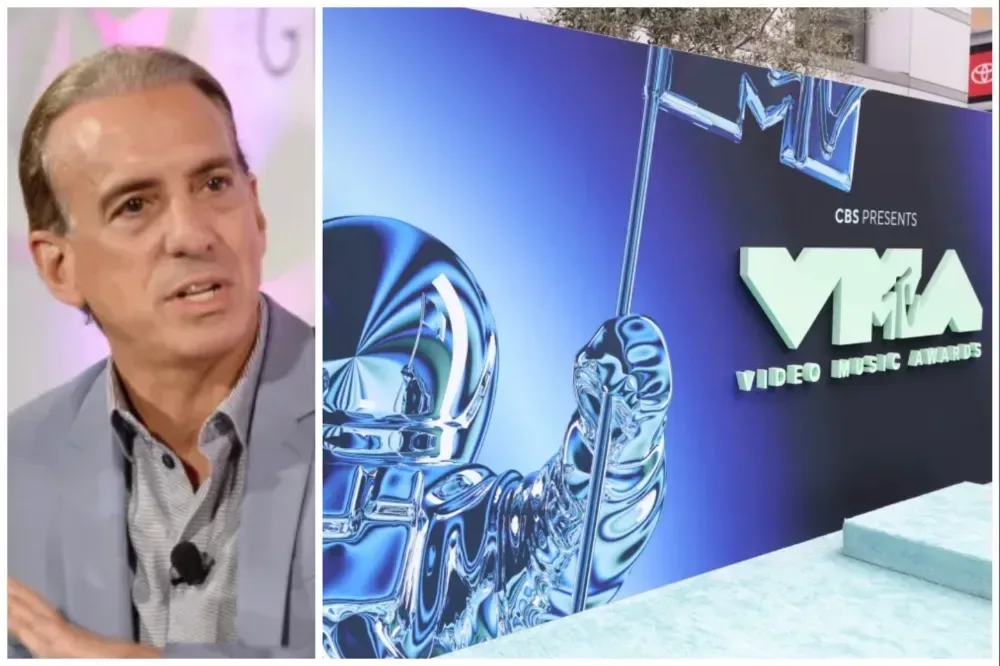
The 2026 MTV Video Music Awards are shaping up as a deliberately compressed, cross-generational television event: a two-hour prime-time broadcast from Los Angeles’ Peacock Theater, hosted by Snoop Dogg and built around new performances, major tributes and a set of marquee honors. It will air on CBS while also being simulcast on MTV, maintaining the ceremony’s longstanding connection to the channel and to music-video culture.
Van Toffler returns as producer for a second consecutive year after coming back to the show in 2025. His approach is clear from the announced lineup: put Madonna, Taylor Swift, Nirvana, Dolly Parton and George Michael in the same overall program as Lisa, Raye, Sienna Spiro, Teddy Swims and Kacey Musgraves. That is less a claim that every act belongs to the same era than an attempt to make the VMAs operate across several eras at once.
The location is part of that plan. This will be the first west-coast VMAs since 2017, when the show came from the Forum. The 2026 ceremony moves to downtown Los Angeles’ Peacock Theater after years associated with New York and New Jersey venues. Toffler has said Los Angeles is easier on talent logistically, and Snoop’s role gives the relocation an unmistakably local center of gravity.
A short format with a lot of assignments
Two hours is unusually tight for an awards program expected to fit performances, award presentations, tribute segments, a host and any unannounced surprises. Toffler’s stated rationale is straightforward: the event should be quick, awards should move, and a broadcast need not occupy three or more hours simply because it can.
That choice has practical consequences. A shorter running time means fewer chances for long acceptance speeches, extended comedy bits or elaborate transitions between segments. It also means the announced talent has to do more concentrated work. Each appearance must function as a performance or a major TV moment rather than merely an item on an overstuffed schedule. Some awards will be presented off-camera, a familiar tradeoff when a show is designed around pacing.
In this context, “fast-paced” is not just promotional language. It is an editorial decision about what the VMAs are trying to be in 2026: not a comprehensive accounting of every category, but a live music event in which the televised pieces have to earn their minutes. The producer has also indicated that the program was still being mapped out, with a couple of late-show elements not yet announced. Those should remain unknown until the broadcast rather than be treated as confirmed performances or appearances.
Madonna returns after 23 years away
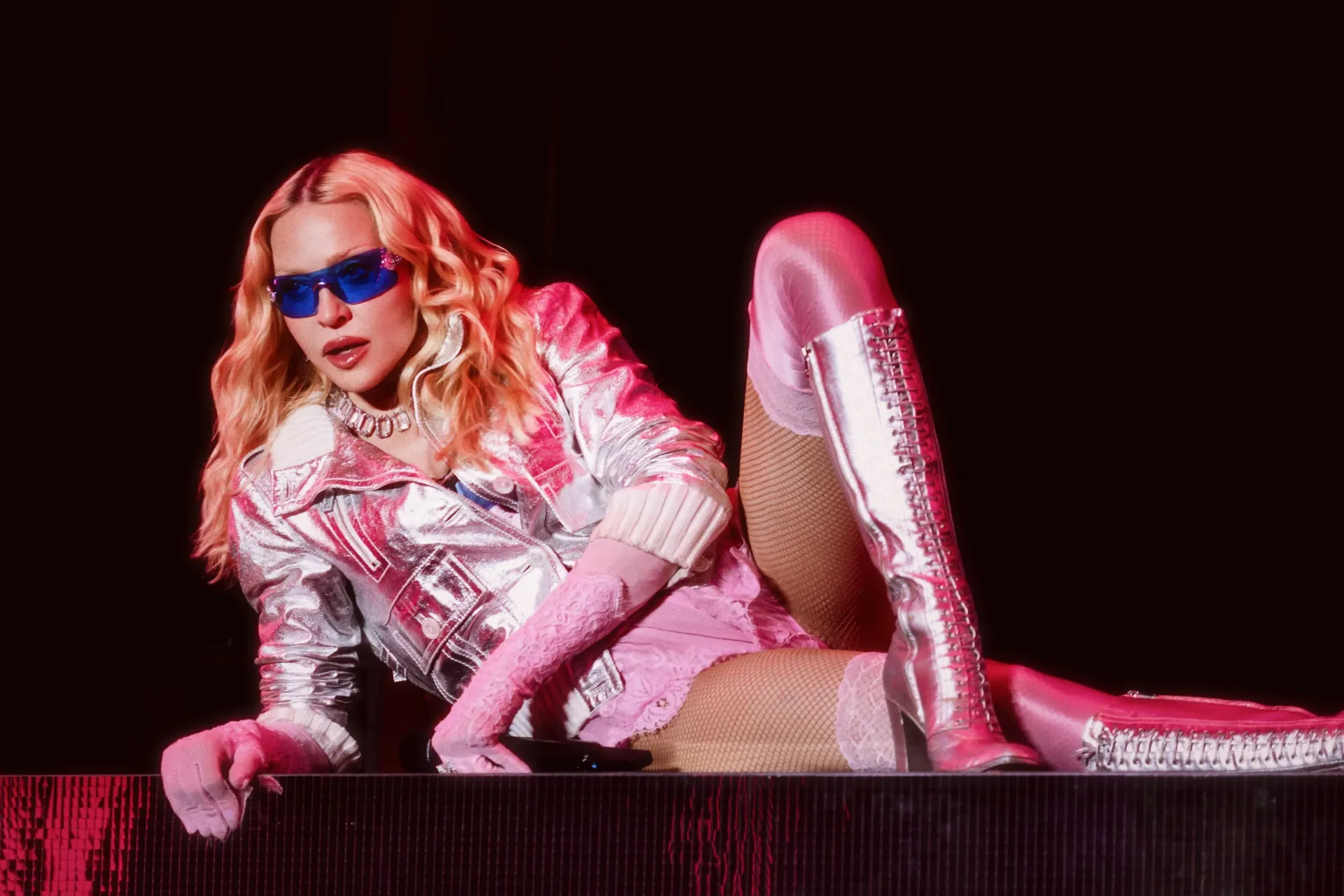
Madonna will open the show, marking her first VMA appearance in 23 years. Details of the performance have not been disclosed, beyond the confirmation that special guests will be involved. That lack of detail matters: the opening is confirmed, but its songs, staging and collaborators have not been publicly specified.
The booking is significant because Madonna’s visual work is inseparable from the broader history celebrated by an awards show focused on music videos. A music-video award is not only rewarding a song; it is recognizing the audiovisual construction around it—performance, narrative, imagery, editing and the public conversation that follows. Madonna’s return places a major figure from that tradition at the top of a program intent on acknowledging video history while also serving a current pop audience.
It is also a reminder that legacy appearances do not have to be museum pieces. The producers are positioning her performance as a current event, with the promise of special guests, rather than simply an anniversary nod. Until more is revealed, that is the useful boundary: anticipation is warranted; specifics are not yet available.
Taylor Swift’s new honor and “Patient Zero” premiere
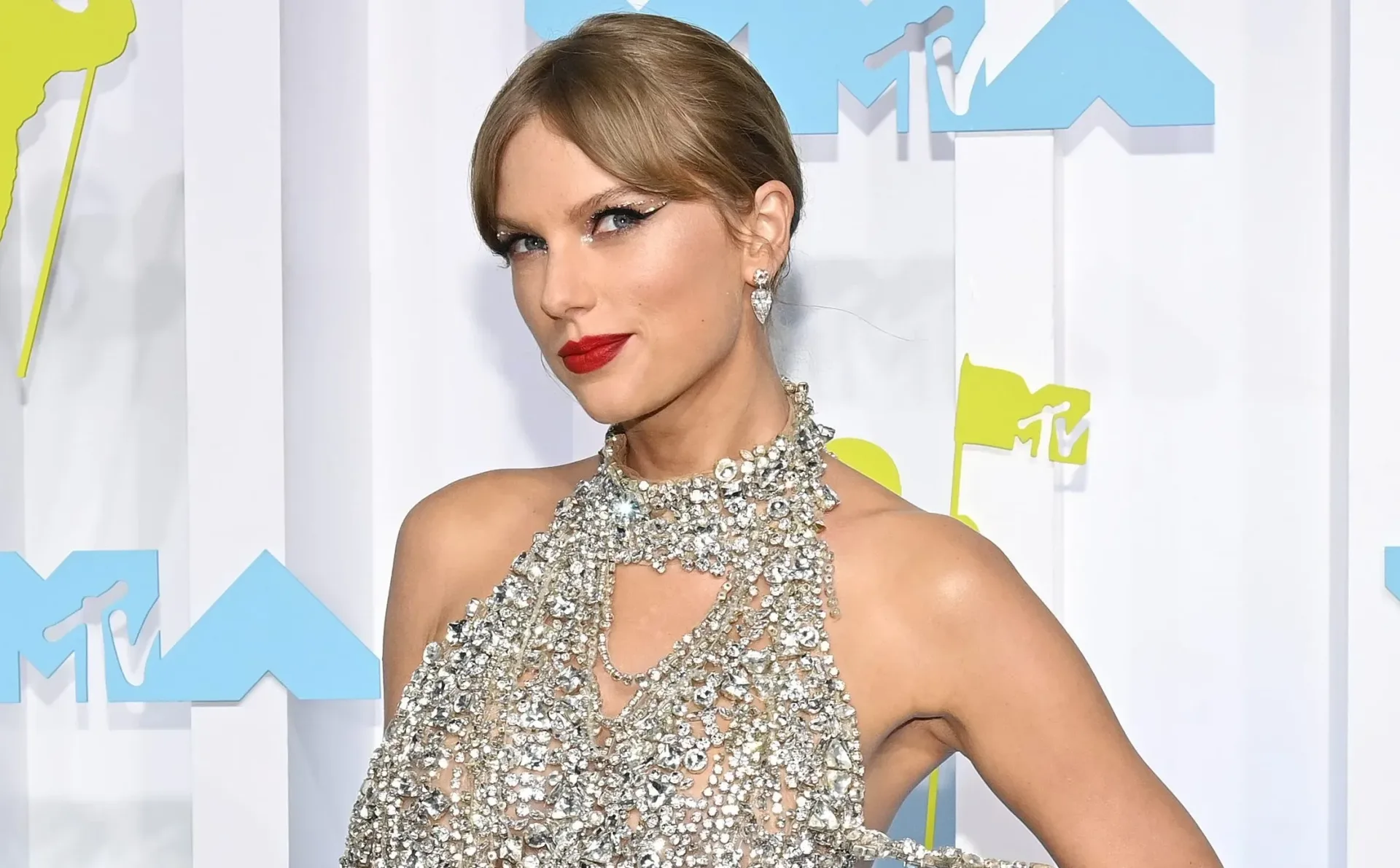
Taylor Swift is nominated in multiple categories and will receive the inaugural Artist Director Honor. The new recognition is intended to acknowledge an evolution that spans on-camera performance, songwriting and work behind the camera as a director. Swift is also set to premiere the “Patient Zero” music video during the telecast.
The phrase artist director is worth unpacking. It does not mean every artist who appears in a video is automatically its director. Directing is the role responsible for guiding the creative realization of a video: its visual language, performances, story or concept, and the choices that shape how a song is translated into moving images. The award’s framing puts the spotlight on Swift’s work in that capacity alongside her better-known work as a singer and songwriter.
Calling the Artist Director Honor “inaugural” could imply a continuing award, but no future recipient or repeat schedule has been confirmed. Toffler has suggested it may be unique to Swift rather than the beginning of a durable series. That uncertainty is part of the story. It is an honor designed around a specific creative record, not yet a category with an established lineage.
Swift’s history with the VMAs also spans many years. Toffler recalled that her “Tim McGraw” video first appeared on CMT during his time leading MTV Networks and that she appeared on the VMAs with “You Belong With Me” in 2009. Her presence in the 2026 event therefore connects an early VMA-era performance with a new role as a video director.
The attention on authorship behind videos also fits a wider entertainment conversation about control over recorded and unreleased work. For another music-industry story focused on contested unreleased material, see this report on allegations involving Cassie Ventura’s unreleased music. The circumstances are distinct, but both stories underline why creative ownership and authorship remain meaningful subjects in pop culture.
Three tributes, three different kinds of recognition
The event’s honors are not all operating in the same way. Nirvana will receive the Video Vanguard Award, described as MTV’s highest award for artists. The recognition is intended to honor the band’s impact on both music videos and music more broadly. It is an overdue acknowledgment in the producer’s view, but the concrete fact is that Nirvana has not previously received the award and will receive it in 2026.
A Dolly Parton tribute will feature a musical performance by Kacey Musgraves, alongside additional elements recognizing Parton’s cultural and musical impact. The full shape of that segment has not been detailed. Musgraves’ participation is confirmed; a complete list of songs, performers or tribute components is not.
Raye and Teddy Swims, meanwhile, will participate in a George Michael tribute, performing some of his best-known songs. The timing coincides with 40 years since “Faith” and 10 years since George Michael’s death. A film featuring exclusive concert footage is also due later in the year. The tribute is therefore situated between an anniversary moment and a continuing attempt to bring Michael’s catalogue and legacy to new audiences.
These segments differ in purpose. The Video Vanguard Award is a formal honor for Nirvana’s body of work. The Parton and Michael material is constructed as performance-led tribute programming. That distinction may sound technical, but it affects what viewers should expect: an award presentation carries one kind of symbolic weight, while a tribute relies on other artists interpreting a body of songs and cultural influence.
Snoop Dogg is the L.A. link
Snoop Dogg will host the broadcast. The role is notable not because he is new to television altogether—his history with Toffler includes the 2002 sketch-comedy series Doggy Fizzle Televizzle and the 2009 late-night program Dogg After Dark—but because the VMAs will be using him to embody the Los Angeles setting.
Toffler’s argument is that Snoop’s appeal reaches beyond any one genre. He is associated with hip-hop, but his public presence extends through sports, country and pop as well. In a show programmed around a broad mix of performers and legacy artists, that breadth makes him an obvious host choice. It also potentially helps the VMAs make its L.A. return feel intentional instead of merely geographical.
Hosting live television requires a particular kind of flexibility. A host has to connect separate musical worlds, fill gaps if a segment changes, address the in-room audience and give the broadcast a personality without swallowing it. The producer has emphasized the thrill and risk of live TV, where things can go wrong. Snoop’s placement suggests the show wants a relaxed, recognizable figure at the center of an event that is otherwise engineered for intensity and surprise.
Why MTV still matters to the VMAs
The 2026 telecast’s CBS placement raises an understandable question: if the ceremony is now a prime-time network broadcast as well as an MTV simulcast, what exactly makes it the MTV Video Music Awards? Toffler’s answer is that the VMAs retain their own identity while remaining closely bound to MTV’s history and to the medium of music video.
That is an important distinction. The broadcast platform can expand while the brand’s cultural frame remains rooted in MTV. The VMAs have a particular vocabulary—Video Vanguard, elaborate premiere moments, headline performances and a built-in relationship to visually ambitious pop music—that does not disappear simply because viewers can find music videos in many places besides television.
The 2026 lineup is effectively making that case in programming form. Madonna represents a foundational video-era presence; Nirvana is being honored for lasting artistic impact; Swift’s new award foregrounds directing; and “Patient Zero” will receive a telecast premiere. Meanwhile, the performers and tributes bring contemporary and legacy audiences into the same two-hour window.
Whether that balance produces the chaos the producers want will be determined live. What is already clear is the structure: Los Angeles, Snoop Dogg, a compact CBS-and-MTV broadcast, Madonna’s return, Swift’s video premiere and directorial recognition, and carefully targeted tributes to Parton, Michael and Nirvana. For a show that has always depended on turning music-video culture into an event, that is a very specific attempt to make two hours feel like much more.