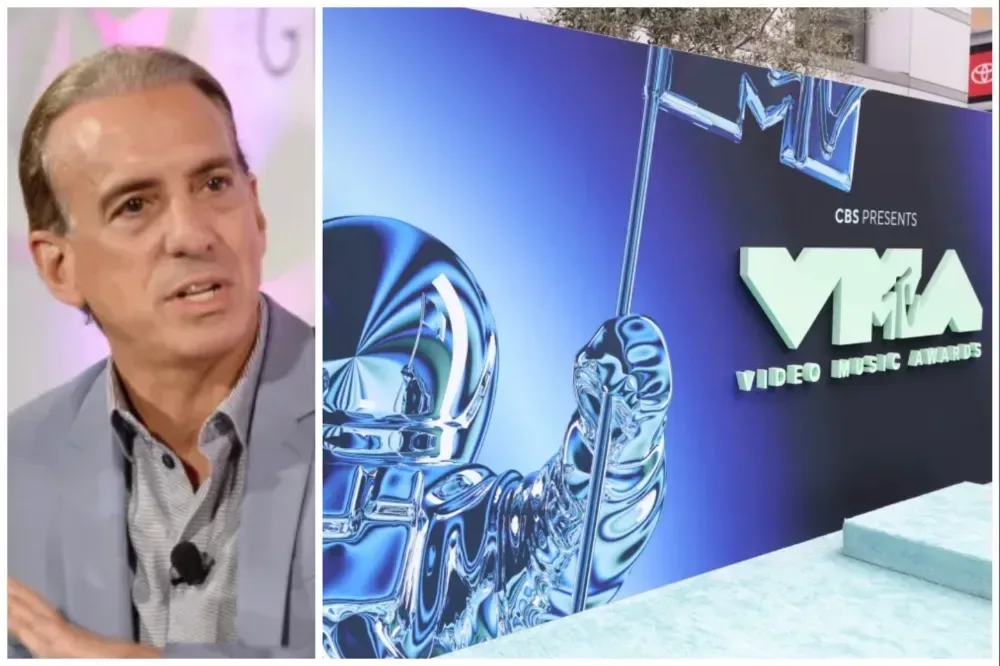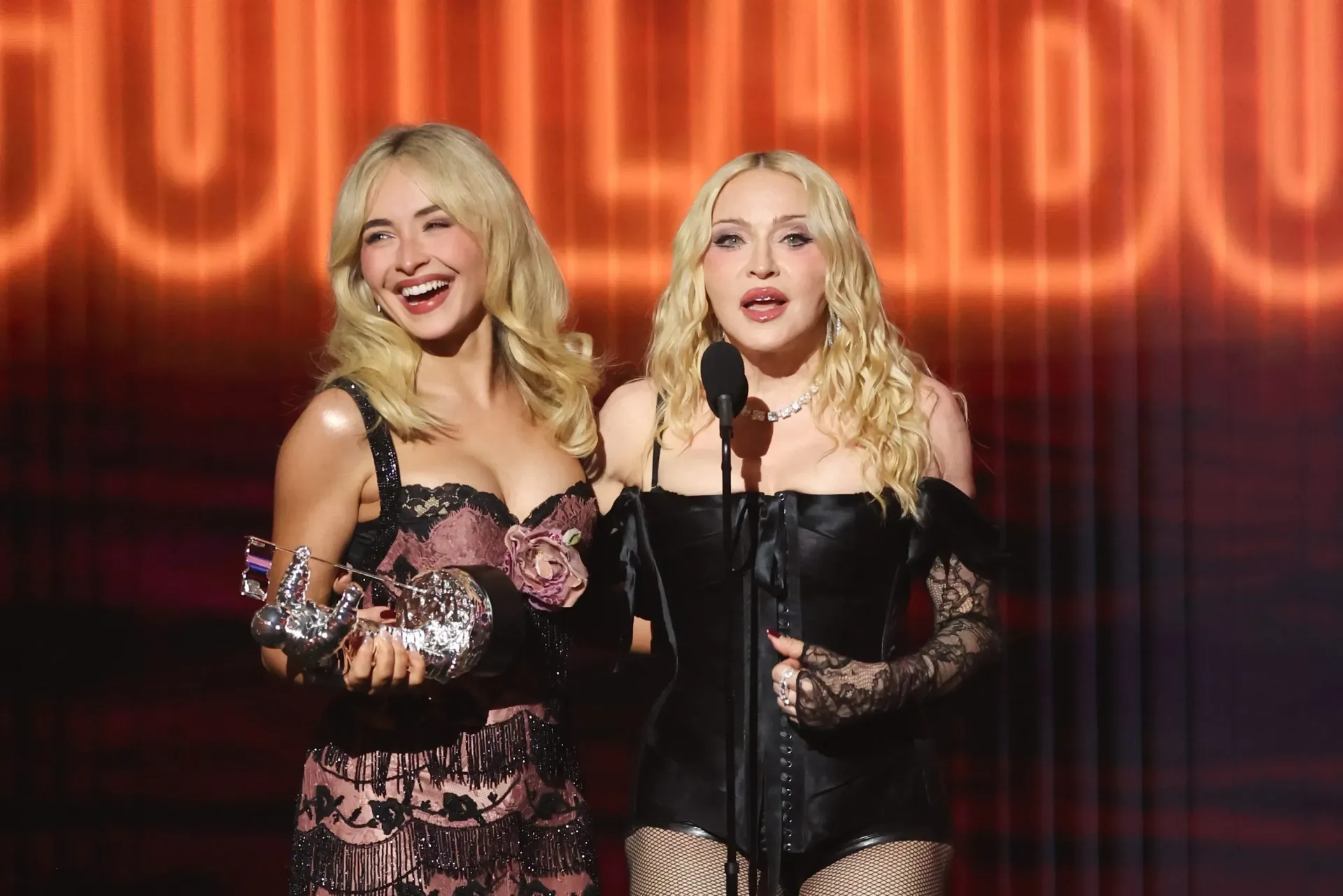
The 2026 MTV Video Music Awards drew a combined 8.43 million viewers across its CBS broadcast, MTV simulcast and MTV encore, based on preliminary Nielsen Live+same-day figures. That is a 51% increase over the 5.60 million viewers reported for the equivalent multi-telecast presentation in 2025.
The result gives the long-running music awards show its largest same-day audience since 2015, when it reached 12.73 million viewers. It is an emphatic rebound for an event format that depends on a blend of performances, premieres, awards, celebrity appearances and rapid online conversation rather than a single, easily repeatable attraction.
There is an important qualifier: these are fast-national estimates, not final ratings. The early data can change once finalized. Even so, the year-over-year comparison is useful because both the 2026 and 2025 editions used the same basic distribution setup: CBS and MTV carried the show, followed by an MTV encore.
How the 8.43 million total was assembled
Most of the audience came from CBS, whose telecast averaged 7.61 million viewers. That represents a 52% increase from 5.00 million in 2025. MTV’s simultaneous airing averaged 686,000 viewers, up 40% from 481,000 a year earlier, while the MTV encore averaged 142,000 viewers, a 31% rise from 108,000.
Put plainly, the CBS audience accounts for the overwhelming share of the combined total, while MTV’s live simulcast and repeat screening add meaningful incremental viewing. Counting all three airings is appropriate for the stated combined figure, but it is not the same thing as saying 8.43 million people watched one single channel at one single time. It is an aggregate audience measure across multiple presentations of the program.
That distinction matters whenever awards-show ratings become a scoreboard. A broadcast network can provide the broadest reach; a music-focused cable channel can remain a home for the brand and serve viewers who sought the event there; an encore captures a separate viewing window. The fair comparison here is the like-for-like 2025 total, which included those same components.
A late football game likely gave the show a boost
The VMAs’ CBS start was affected by an NFL overrun. The Baltimore Ravens’ win over the Dallas Cowboys ran late, pushing the CBS start to approximately 7:51 p.m. ET. The ceremony began at 4:30 p.m. PT at the Peacock Theater at L.A. Live, but CBS aired it tape-delayed as a result.
An overrun occurs when a live event exceeds its scheduled television window and delays the program that follows it. It can alter the viewing context dramatically: a major sports audience is already watching, and some portion may stay tuned through the transition. That does not mean every viewer from the preceding game watched the VMAs, nor does it reduce the show’s own programming to a football after-effect. It does mean the late start is a major variable when interpreting this unusually large jump.
Related coverage includes 2026 VMAs Draw 8.43 Million Viewers Across CBS and MTV.
The available figures cannot separate how much of the increase came from the NFL lead-in, the show’s own lineup, CBS exposure, word of mouth, or a combination of those factors. The most defensible read is that the broadcast benefited from several favorable conditions, with the late football handoff specifically identified as a likely contributor.
The younger-adult gains were also substantial
The audience growth was not limited to the overall viewer total. The event averaged 3.11 million adults ages 25-54, an increase of 34% from 2.32 million in 2025 and the largest audience in that demographic since 2019, when it reached 3.55 million.
Among adults 18-49, the telecast drew 2.66 million viewers, up 32% from 2.02 million last year. That was the strongest result for that age group since 2018, when the show recorded 3.02 million. Adults 18-34 averaged 1.09 million, up 46% from 751,000 in 2025 and the highest total since 2020’s 1.14 million.
These groups are commonly called demographics, or “demos,” in television reporting. They are audience segments defined by age, and they are measured separately because a program’s total audience does not show which viewers were reached. The VMAs’ gains in all three reported adult segments point to broad improvement within the available same-day data, rather than growth that exists only in an all-viewer headline.
Still, “same day” is another term worth keeping in focus. Live+same-day refers to people who watched live or through eligible viewing on the day of the broadcast. It does not present a complete picture of longer-tail viewing that can happen later. As a measure of the live event’s immediate footprint, though, it is especially relevant to an awards show built around real-time performances, winners and social-media reaction.
A lineup designed for event television
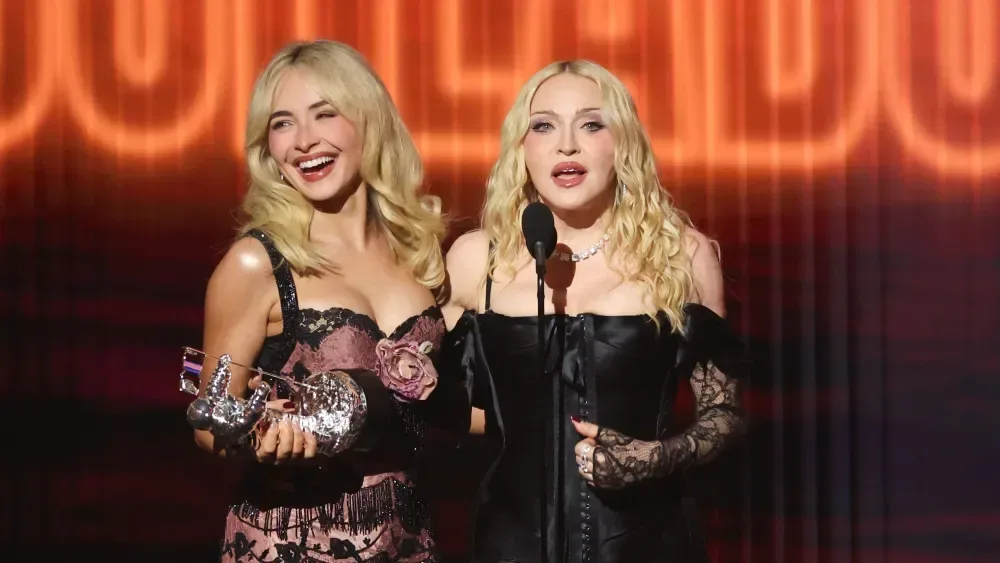
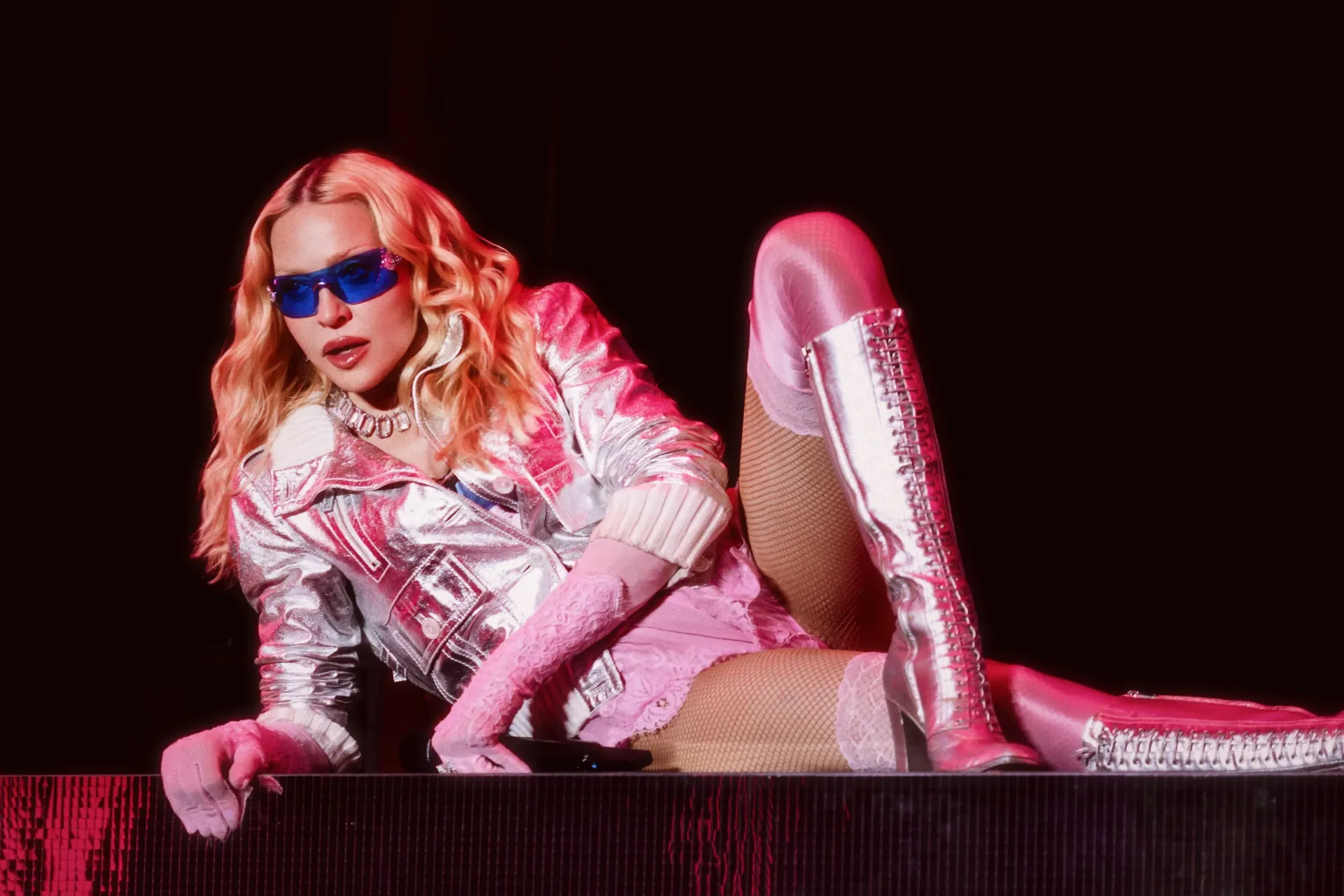
Snoop Dogg hosted the 2026 ceremony, which opened with Madonna, Sabrina Carpenter and Charli XCX. Madonna’s appearance marked her first VMAs performance in 23 years, providing the kind of cross-generational moment that works both as a live draw and as a shareable clip.
Taylor Swift won video of the year, received the MTV VMA artist director award and premiered a new video for “Patient Zero.” Nirvana received the video vanguard award. The program also included tributes to Dolly Parton and George Michael.
Other listed performers were GENER8ION, Gunna, Kacey Musgraves, Lisa, Madonna, Raye, Shaboozey, Sienna Spiro, Sombr, Teddy Swims and Yung Lean. Taken together, the program’s roster bridged pop, rap, country and alternative audiences while pairing current names with legacy artists and tributes. That does not prove why people tuned in, but it illustrates the event-TV strategy behind a ceremony like this: create multiple reasons for different music audiences to arrive and remain engaged.
The VMAs also reported 31.1 million social interactions and 159 million video views, with video views up 8% year over year. Those metrics are separate from television ratings and should not be added to the 8.43 million viewer figure. Social interactions can include actions around posts, while video views describe video consumption across social platforms. They show online activity, not a duplicate television-audience count.
For music awards shows, that split is central to the modern picture. Television provides a defined scheduled audience measurement; social platforms extend moments into clips, reactions and artist-fan discussion. The two signals can complement each other, but they answer different questions: how many people watched the televised presentations, and how much activity the event generated online.
What the result means—and what it does not
The preliminary numbers make the 2026 VMAs a clear ratings success relative to the comparable 2025 presentation. The 51% increase in the combined audience, the CBS growth, and the advances in the reported adult demographics all point in the same direction. The show also posted its best same-day performance since 2015.
But the right reading is not that one number has solved every long-term question about live music television. The football overrun changed the broadcast’s launch conditions, and final Nielsen figures may revise the early estimates. Moreover, a strong single edition does not by itself identify which ingredient mattered most: the CBS platform, the lead-in, the talent, the awards, the premieres, the online attention or their combined effect.
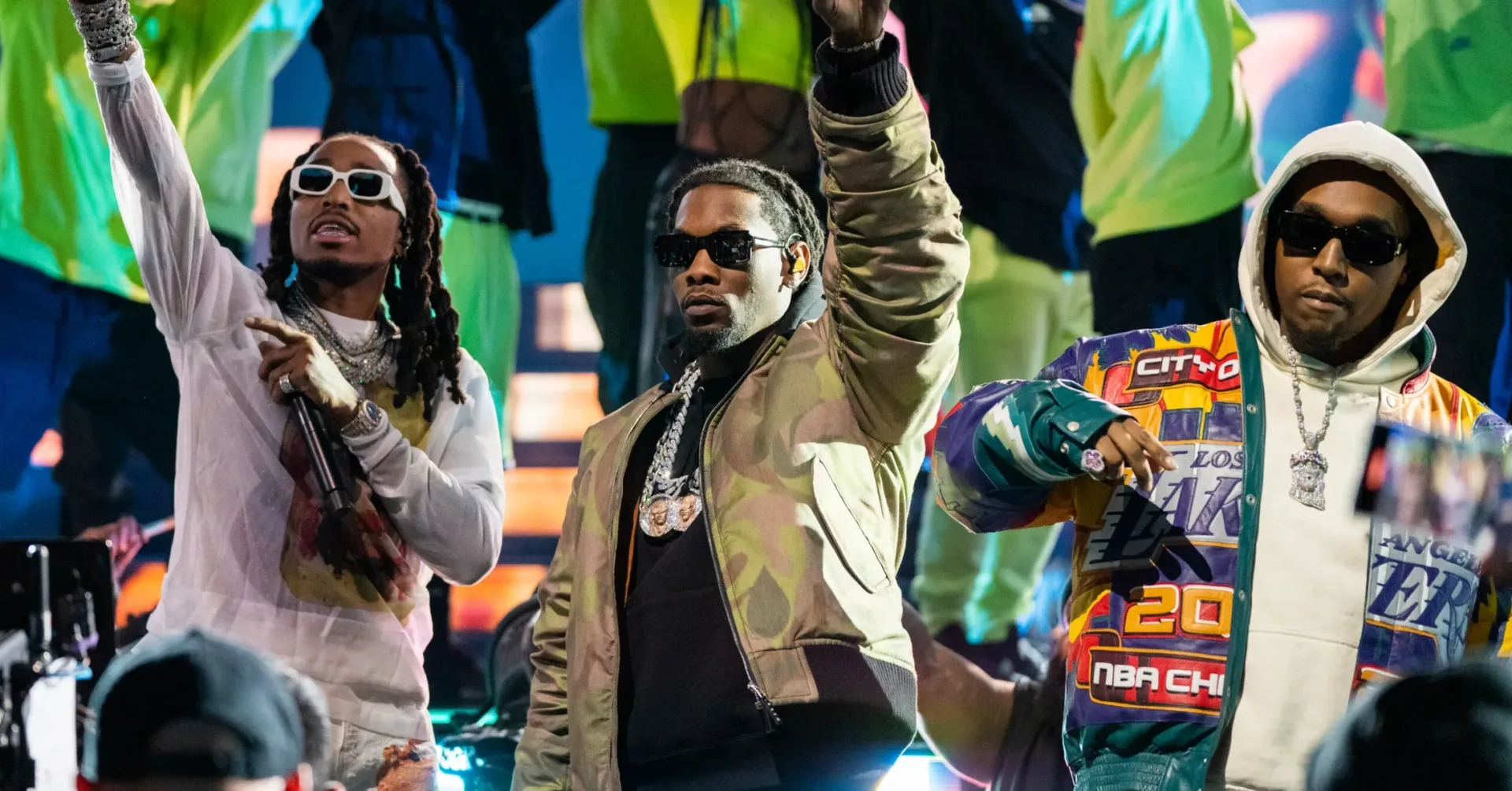
What is clear is that the 2026 broadcast supplied a large, multi-platform television audience and an even larger set of social viewing and interaction figures. Its success also arrives at a moment when music remains highly effective at creating communal pop-culture events, whether through televised awards stages or artist-focused stories such as Quavo and Offset previewing their first shared track in five years.
Gunpowder & Sky produced the special, with Van Toffler as producer. Jesse Ignjatovic of Den of Thieves, Barb Bialkowski and Bruce Gillmer served as executive producers alongside Barry Barclay and Floris Bauer. Melanie Block was co-executive producer, Gary Lanvy was co-producer, and Snoop Dogg was also an executive producer alongside Sara Ramaker and Jasmin Ratansi. Jen Proctor served as executive talent producer.