Sneako says he is escalating a dispute over images and captions circulating through Akademiks TV after a hostile livestream exchange involving DJ Akademiks, Adin Ross and Cuffem. His central allegation is that posts attributed to the account include doctored or AI-generated images alongside captions containing false claims.
The streamer also said some of the material at issue involves private Snapchat images sent when he was 17. In remarks addressing the posts, Sneako maintained that the captions were untrue and said any continued circulation could become expensive. He did not lay out a specific legal filing, claim or timetable in the material available.
That distinction matters. A threat to pursue legal action is not itself a lawsuit, and the available information does not establish whether a complaint has been filed or what legal theory, if any, might be pursued. The dispute is therefore best understood as an active public allegation over online content, attribution and alleged manipulation—not a resolved legal case.
How the livestream argument became a dispute over posts
The conflict followed a tense call in which Sneako and Akademiks exchanged personal insults. The discussion, which also included Ross and Cuffem, deteriorated into inflammatory language from both sides. Sneako later characterized the aftermath as an effort to damage him after what he believes was a lost debate.
The focus shifted from the call itself to activity on Akademiks TV. Sneako alleged that the account posted altered images of him and attached fabricated captions. He specifically said that some images were generated with artificial intelligence, while others were private Snapchat material. Those are separate allegations that can overlap in a fast-moving social-media argument but should not be treated as the same thing.
- Doctored image: an image that has been edited or otherwise changed from its original form.
- AI-generated image: an image created or materially altered with an artificial-intelligence tool.
- False caption: accompanying text that allegedly makes untrue claims about what an image depicts, who is in it or the circumstances around it.
- Private image: material originally shared in a limited setting rather than intended for broad public distribution.
At present, the public claims concern both the pictures and the text paired with them. A real photograph can be framed with a misleading caption, just as an edited or generated image can be presented as authentic. Keeping those possibilities distinct is important because each changes what viewers are being asked to believe.
What is known—and what remains allegation
Sneako has alleged that posts from Akademiks TV contained false captions and that some images were AI-generated. He has also said particular images were leaked Snapchat photos from when he was 17. Those statements are allegations from Sneako, not independently established findings in the information available here.
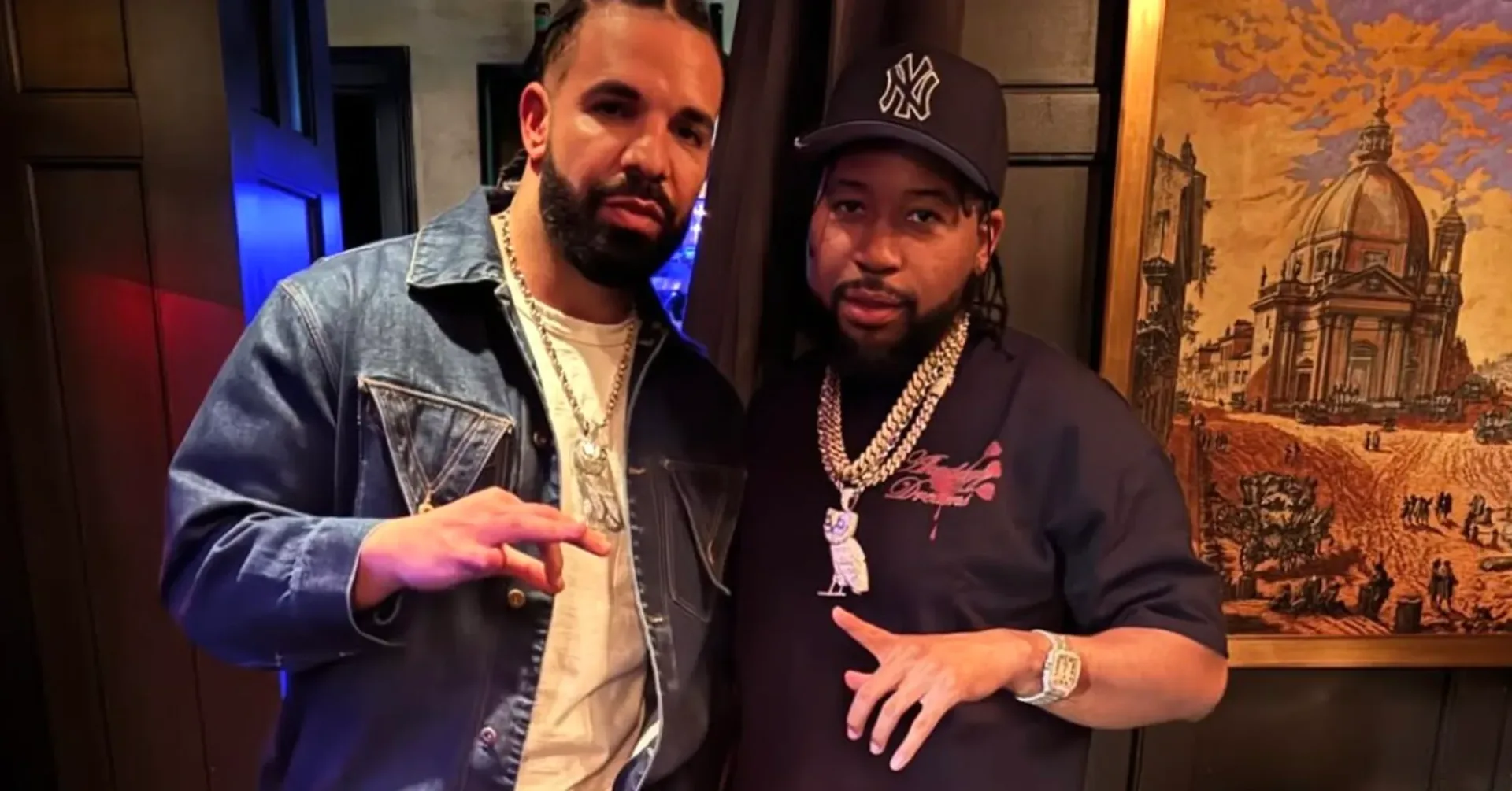
There is an additional layer of separation between the Akademiks TV account and DJ Akademiks himself. Akademiks is affiliated with the person who runs the account, but he has previously said that the operator is permitted to make their own decisions. That stated arrangement has enabled Akademiks to distance himself from positions or posts made through the page. It does not, on its own, settle responsibility for any particular image or caption alleged by Sneako.
For readers following the story, the practical takeaway is straightforward: affiliation, authorship, approval and legal liability are related ideas, but they are not automatically interchangeable. Online disputes often blur them because audiences encounter a brand name, an account operator and a public personality in the same feed. The available account of events does not resolve who created any disputed material, who selected the captions, or whether the images were altered or AI-made.
Why AI claims raise the stakes in creator disputes
AI is central to Sneako’s account because a convincing synthetic or altered image can travel faster than a correction. In this context, “AI” does not establish exactly how a picture was made. It could refer to an entirely generated picture, an existing image modified by an AI tool, or a label applied in a public argument. Verification would require evidence beyond the competing assertions described so far.
The more immediate issue is presentation. When an image is shared with a confident caption, viewers may interpret the combination as documentation rather than commentary, parody or speculation. If the caption is alleged to be false, then correcting the visual alone may not address the claim being made. Conversely, an allegation that something is AI-generated does not by itself demonstrate that it is; that also requires support.
This is why preserving context becomes useful in any dispute over viral posts. The original upload, full caption, timestamps, reposts and any later edits can matter more than a cropped screenshot detached from the initial account. None of that proves Sneako’s allegations, but it explains why public arguments about digital images can become disputes over a record of what was actually published and when.
Private material adds a separate concern
Sneako’s statement that some images came from Snapchat messages allegedly sent when he was 17 introduces a different question from whether an image was manipulated. Material can be authentic but shared without the subject’s permission; an image can also be fabricated; and in some situations both privacy and authenticity may be disputed at once.
The available information does not describe the images, identify their origin beyond Sneako’s allegation, or establish how they were obtained. It would be inappropriate to fill those gaps with assumptions. The narrow confirmed point is that Sneako has publicly objected to their alleged use and connected that objection to a potential legal escalation.
Legal action is possible language, not a legal outcome
Sneako’s warning that the matter could “cost a lot of money” signals an intention to seek advice or take action if the posts continue, but it does not tell the public which route he may choose. A legal threat can be part of a request to remove content, a demand for a correction, a warning before filing a civil claim, or simply a public statement of intent. No such details were supplied here.
That uncertainty is especially relevant in an online feud, where the pace of posting can create an impression of instant certainty. There is no identified court filing, ruling, settlement or verified determination concerning the disputed images in the information at hand. Claims that Sneako has already won, lost, or proved a case would go beyond the record.
The most responsible reading is therefore limited: Sneako says he believes content shared by Akademiks TV is false, includes altered or AI-generated images, and may involve private material from his teenage years. He says he plans to escalate. The operator’s relationship with Akademiks complicates the public narrative, while leaving open unanswered questions about who was involved in producing and publishing individual posts.
A familiar online pattern, with unusually high verification demands
Creator conflicts frequently move from a livestream argument to fragments of media clipped, captioned and redistributed across social platforms. This case highlights why audiences should resist treating volume of reposts as confirmation. Repetition can amplify a claim without authenticating either an image or its accompanying explanation.
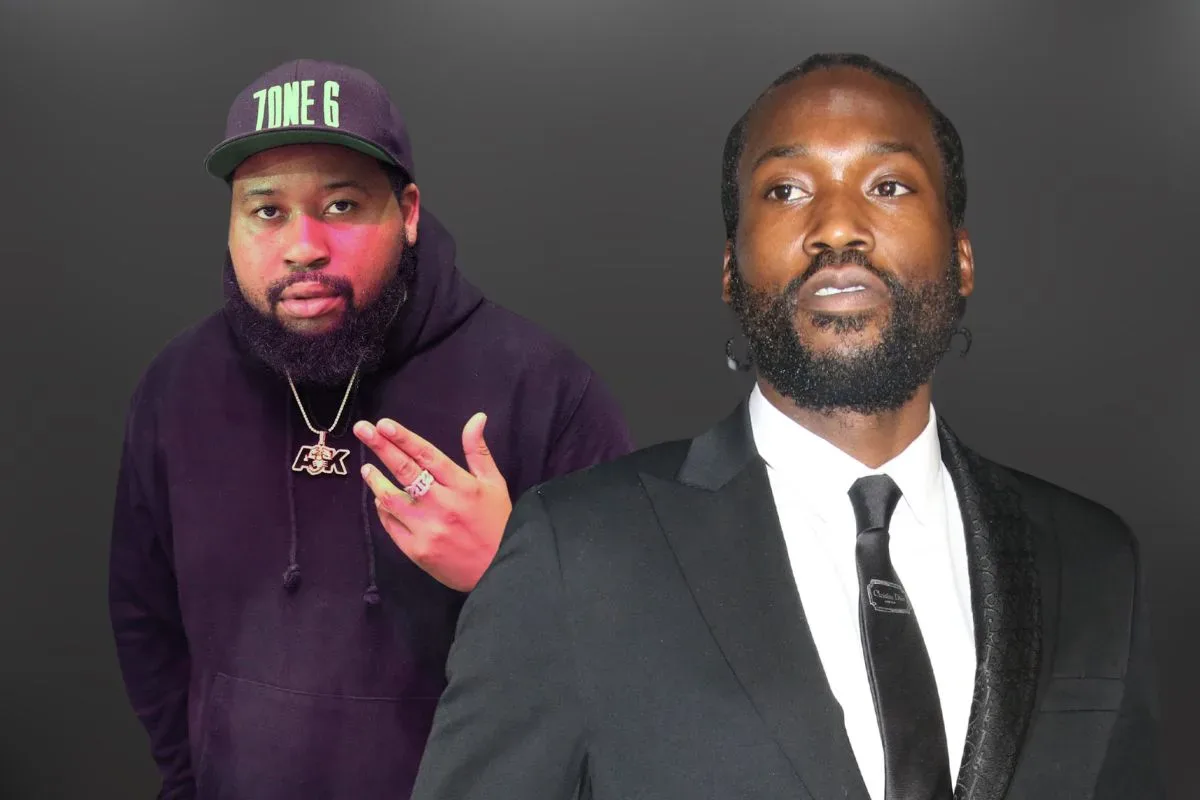
The dispute also arrives while Akademiks remains involved in other highly visible online conflicts, including his renewed exchanges with Meek Mill over Jamaica, Philadelphia and music promotion. That separate feud illustrates the public, fast-cycling environment surrounding Akademiks’ online presence, but it should not be conflated with Sneako’s allegations about Akademiks TV.
For now, the important facts are narrow. The initial on-call argument was openly antagonistic. Sneako has accused Akademiks TV of circulating manipulated or AI-related images with false captions and says some allegedly trace back to private messages from when he was 17. He has threatened legal escalation if it continues. Whether the content was altered, who made it, and whether any formal action follows remain unresolved.